
 पूर्वावलोकन देखें
 भेजें
भेजें साझा करें
 विवरण देखें
 मार्गदर्शिका

 डाउनलोड करें
 समान वस्तुएं
 एक्स-रे
 स्लाइड शो देखें
 Q&A
Q&A आंकड़े
El Lissitzky, Dessau


 और पढ़ें
इस पृष्ठ पर प्रदर्शित कलाकृति कॉपीराइट कानून द्वारा संरक्षित है, जिसका अर्थ है कि हम कानूनी रूप से इसकी हूबहू प्रतिलिपि बनाने या बेचने का अधिकार नहीं रखते हैं। यह संरक्षण अंतर्राष्ट्रीय समझौतों के तहत लागू किया जाता है, जैसे कि बर्न कन्वेंशन और राष्ट्रीय कानूनों द्वारा, जिनमें % द्वारा निर्धारित कानून भी शामिल हैं। अमेरिकी कॉपीराइट कानून - शीर्षक 17।
यह विधि कॉपीराइट नियमों का पूरी तरह से पालन करती है क्योंकि इसमें संरक्षित कलाकृति की नकल या प्रतिलिपि बनाना शामिल नहीं है। इसके बजाय, यह एक रचनात्मक पुनर्व्याख्या है - एक ऐसी नई पेंटिंग जो मूल कृति से प्रेरित तो है, लेकिन उसके समान नहीं है।
गिक्ली / आर्ट प्रिंट
तेज़ उत्पादन और विभिन्न फिनिश विकल्पों के साथ म्यूजियम-क्वालिटी गिकली (giclée) या कैनवस प्रिंट। ( हाथ से बनी पेंटिंग खरीदें डिजिटल इमेज पर जाएँ)




P118B ₹10

P118H ₹10

P118W ₹10

P438Z ₹10

P508JH ₹12

P508YH ₹12

P805H ₹10

P805Z ₹10

P919BZ ₹10

P919G ₹10

P919XJ ₹10

P959ZH ₹10

P968JZ ₹12

W106C ₹8

W218G ₹10

W218JH ₹8

W218Y ₹10

W307PJ ₹10

W316G ₹10

W316PJ ₹8

W316Y ₹10

W398PJ ₹8

W4111J ₹10

W500HY ₹15

W500JH ₹15

W692G ₹12

W849H ₹8

W940BG ₹15

W953PJ ₹8




कलाकृति के मूल अनुपात से मेल खाने वाले हमारे पूर्व निर्धारित आकारों में से चुनें।

अपने फ्रेम या अपनी दीवार के अनुसार आवश्यक चौड़ाई और ऊंचाई दर्ज करें। प्रिंट को केवल काटा जा सकता है, चित्र से बड़ा कभी नहीं बनाया जा सकता, इसलिए अलग आकार का साइज चित्र का एक हिस्सा खो देता है। किसी भी चीज़ को प्रिंट करने से पहले हम आपकी स्वीकृति के लिए आपको एक डिजिटल मॉकअप भेजते हैं। इस पृष्ठ पर दिखाया गया चित्र वास्तविक कटिंग नहीं दिखाता है — केवल मॉकअप ही इसे दर्शाता है।
विश्वव्यापी डिलीवरी (), मानक 4/5 सप्ताह के बजाय मात्र 2 सप्ताह में। (1 नवमबर)

दुनिया भर में मुफ़्त एक्सप्रेस शिपिंग

प्रीमियम ग्रेड लिनेन कैनवास

पूर्ण शिपिंग बीमा

सीमा शुल्क और आयात कर वापसी की गारंटी

सटीक रंग मिलान की गारंटी

100 दिनों की वापसी नीति (केवल निर्माण दोष होने पर)

100% पैसे वापसी की गारंटी

थोक छूट का अवसर
 ग्लास का विकल्प केवल 110 सेमी से कम आकार में ही उपलब्ध है।

El Lissitzky, Dessau
गिक्ली / आर्ट प्रिंट
प्रतिकृति का आकार
-


कुल मूल्य
₹ 7710
El Lissitzky, Dessau: A Dialogue of Form and Function
The photograph presented here – “El Lissitzky, Dessau” – isn’t merely a portrait; it's a carefully constructed distillation of the spirit of early 20th-century artistic experimentation. Captured around 1930-1932 by Josef Albers, this image offers a glimpse into the world of El Lissitzky, a pivotal figure in the Russian avant-garde who bridged the gap between Suprematism and Constructivism. It’s a document of a man grappling with the fundamental questions of form, space, and communication – concerns that resonate powerfully even today.
Lissitzky, a visionary designer and artist, was deeply influenced by Malevich's radical exploration of pure geometric abstraction. However, Lissitzky moved beyond purely formal exercises, recognizing the potential of art to serve practical purposes—designing exhibition spaces, propaganda posters, and even furniture. Albers’ photograph captures this duality: Lissitzky is both an intellectual explorer and a craftsman, his gaze suggesting a thoughtful engagement with the world around him. The composition itself – two square portraits side-by-side – immediately evokes the principles of Constructivism, emphasizing clarity, order, and geometric relationships. The stark contrast between the black and white tones further amplifies this sense of precision and intellectual rigor.
A Study in Light, Line, and Gesture
Albers’ technical mastery is evident in every detail. The photograph utilizes a classic gelatin silver print process, resulting in a rich tonal range that subtly defines Lissitzky's features. The lighting is soft and diffused, minimizing harsh shadows and allowing the textures of his clothing – a crisp white shirt and dark tie – to emerge with clarity. Notice how Albers has employed fine lines to delineate the contours of Lissitzky’s face, capturing not just his likeness but also the subtle gestures that convey his personality. The sharp edges of the portraits create a sense of immediacy, drawing the viewer into the scene.
The photograph's composition is deceptively simple. The two square images are arranged symmetrically within a rectangular frame, creating a balanced and harmonious visual experience. However, this apparent simplicity belies a deeper level of intentionality. Lissitzky’s profile view – a pose that suggests contemplation or perhaps even conversation – contrasts sharply with his frontal portrait, offering a dynamic interplay between stillness and movement. The subtle smile in the first image hints at an approachable nature, while the profile invites introspection.
Historical Context: Bauhaus and Beyond
To fully appreciate “El Lissitzky, Dessau,” it’s crucial to understand its historical context. Albers himself was a key figure at the Bauhaus school in Germany, where he developed his groundbreaking theories of color interaction and geometric abstraction. The Bauhaus sought to unify art, craft, and technology, believing that design could improve people's lives. Lissitzky, who spent time at the Bauhaus before emigrating to Russia, carried these principles with him, influencing his work as a designer and artist.
Following the Russian Revolution, Lissitzky became involved in creating propaganda for the new Soviet state. He designed posters, book layouts, and exhibition spaces—all aimed at promoting socialist ideals through innovative visual communication. His work reflected the dynamism and optimism of the era, but also the challenges of building a new society from scratch. The photograph captures a moment of quiet reflection amidst this period of intense social and political change.
Symbolism and Emotional Resonance
Beyond its technical merits, “El Lissitzky, Dessau” possesses a subtle symbolic power. The geometric composition—the squares, the lines—represents the rational order that Lissitzky sought to impose on the world. The portrait itself can be interpreted as an exploration of identity and representation – how we perceive ourselves and how others perceive us. Lissitzky’s gaze is direct and unwavering, suggesting a confidence in his own vision.
Ultimately, this photograph transcends its documentary value. It's a testament to the power of art to capture not just appearances but also ideas, emotions, and historical moments. It invites viewers to contemplate the relationship between form and function, intellect and emotion, and the enduring legacy of El Lissitzky’s artistic vision.
प्रश्न और उत्तर
जोसेफ अल्बर्स द्वारा "El Lissitzky, Dessau" की चमक (luminance) क्या है?
"El Lissitzky, Dessau" के रंग Bright Balance चमक (luminance) प्रदर्शित करते हैं।
जोसेफ अल्बर्स द्वारा "El Lissitzky, Dessau" में कौन से विषय दिखाई देते हैं?
जोसेफ अल्बर्स द्वारा "El Lissitzky, Dessau" में दर्शाया गया है: portrait, el lissitzky, photography, dessau, bauhaus, soviet art, 20th century।
"El Lissitzky, Dessau" (1932), जोसेफ अल्बर्स के करियर के किस चरण से संबंधित है?
1932 की तिथि "El Lissitzky, Dessau" को जोसेफ अल्बर्स के विकास के Early Period काल में रखती है।
कलाकार का परिचय
सामग्री में ढली एक जीवन यात्रा: प्रारंभिक वर्ष और बाउहौस का निर्माण
जोसेफ अल्बर्स की कलात्मक यात्रा स्थापित अकादमियों की परिष्कृत हवाओं के बीच नहीं, बल्कि जर्मनी के बॉट्रोप में उनके पिता के ठेकेदारी व्यवसाय की व्यावहारिक दुनिया से शुरू हुई। 1888 में जन्मे युवा जोसेफ ने सामग्रियों के प्रति एक गहरा सम्मान आत्मसात किया – बढ़ईगीरी, प्लंबिंग, हाउस-पेंटिंग – ऐसे कौशल जिन्होंने मौलिक रूप से उनकी सौंदर्य संबंधी संवेदनशीलता को आकार दिया। यह केवल व्यावसायिक प्रशिक्षण नहीं था; यह निर्माण के सार में डूबने जैसा था, यह समझने जैसा कि रूप कैसे साकार होते हैं और प्रत्येक माध्यम के भीतर अंतर्निहित गुण क्या हैं। कला के प्रति खुद को पूरी तरह समर्पित करने से पहले, अल्बर्स ने एक स्कूल शिक्षक के रूप में पांच साल बिताए, जिससे उन्होंने धैर्य और शैक्षणिक कौशल को निखारा—ऐसे गुण जो बाद में उनके प्रभावशाली शिक्षण करियर को परिभाषित करने वाले थे। उनकी औपचारिक कलात्मक शिक्षा 1913 और 1915 के बीच बर्लिन के कॉनिकल आर्ट्सचुल (Königliche Kunstschule) में शुरू हुई, जहाँ उन्होंने प्रिंटमेकिंग, पेंटिंग और महत्वपूर्ण रूप से, रंगीन कांच (stained glass) की कला का अन्वेषण किया। उनका प्रारंभिक कार्य, “रोसा मिस्टिका ओरा प्रो नोबिस” (1918), जो एक शानदार रंगीन कांच की खिड़की थी, प्रकाश और रंग के परस्पर प्रभाव के प्रति उनके आजीवन आकर्षण का पूर्वाभास देती थी, जो आने वाले अमूर्त अन्वेषणों की ओर संकेत करती थी। यह प्रारंभिक कार्य केवल सजावटी नहीं था; यह इस बात की जांच थी कि कैसे प्रकाश सामग्री को *परिवर्तित* करता है, एक ऐसा विषय जो उनके पूरे करियर में गूंजता रहा।बाउहौस की भट्टी: विषय के रूप में रंग
एक निर्णायक क्षण 1922 में आया जब अल्बर्स बाउहौस के संकाय में शामिल हुए, जो सभी कलात्मक विषयों को एकीकृत करने की चाह रखने वाला एक क्रांतिकारी स्कूल था। प्रारंभ में प्रारंभिक पाठ्यक्रम – *वेर्कलेरे* (वर्कशॉप अभ्यास) – सिखाने का कार्य सौंपा गया, जिसमें उन्होंने इसके मूल सिद्धांतों: कार्यात्मकता, ज्यामितीय अमूर्तता और सामग्री अन्वेषण में खुद को डुबो दिया। यह अवधि परिवर्तनकारी सिद्ध हुई। अल्बर्स ने रंग धारणा के व्यवस्थित अन्वेषण की शुरुआत की, प्रतिनिधि कला से दूर होते हुए एक बढ़ते हुए अमूर्त शब्दावली की ओर कदम बढ़ाए। उनकी रुचि केवल इस बात में नहीं थी कि रंग *क्या* थे, बल्कि इस बात में थी कि वे एक-दूसरे के साथ *कैसे* क्रिया करते हैं, वे एक-स्थापित रूप से कैसे प्रभावित करते हैं, और हमारी आँखें उन्हें कैसे देखती हैं। पॉल क्ली और वासिली कांडिंस्की जैसे साथी बाउहौस उस्तादों का प्रभाव उनके प्रारंभिक कार्य में दिखाई देता है, फिर भी अल्बर्स ने एक अनूठा मार्ग चुना, जिसमें उन्होंने आध्यात्मिक व्याख्या के बजाय अनुभवजन्य अवलोकन को प्राथमिकता दी। वे रंग के माध्यम से आध्यात्मिक सत्य की तलाश नहीं कर रहे थे; वे इसके भौतिक प्रभावों का सूक्ष्मता से दस्तावेजीकरण कर रहे थे – एक वैज्ञानिक कठोरता जो उनके कलात्मक तरीके की पहचान बन गई। धारणा पर यह ध्यान, कि हम *क्या देखते हैं* के बजाय *कैसे देखते हैं*, उन्हें सबसे अलग खड़ा करता है और उनके भविष्य के अन्वेषणों की नींव रखता है।होमेज टू द स्क्वायर: धारणा की एक प्रयोगशाला
ब्लैक माउंटेन कॉलेज में पढ़ाने के दौर के बाद – जहाँ उन्होंने रॉबर्ट राउशेनबर्ग और सी ट्वॉम्ब्ली सहित अमेरिकी कलाकारों की एक पीढ़ी को पोषित किया – अल्बर्स ने 1949 में उस कार्य की शुरुआत की जो उनकी सबसे प्रतिष्ठित श्रृंखला बनने वाली थी: “होमेज टू द स्क्वायर।” इस निरंतर चलने वाली परियोजना में वर्गों के भीतर nested (एक के भीतर एक) वर्गों वाली पेंटिंग शामिल थीं, जिसका प्रत्येक संस्करण रंग संबंधों में सूक्ष्म विविधताओं का अन्वेषण करता था। यह देखने में एक सरल धारणा है, लेकिन इसके पीछे एक अविश्वसनीय रूप से जटिल और कठोर जांच छिपी है। इस श्रृंखला का उद्देश्य ज्यामिति का उत्सव मनाना नहीं था; बल्कि, यह रंग धारणा के अध्ययन के लिए एक प्रयोगशाला थी। अल्बर्स ने अपने प्रयोगों का सूक्ष्मता से दस्तावेजीकरण किया, यह प्रकट करते हुए कि रंग स्थिर इकाइयाँ नहीं हैं बल्कि गतिशील बल हैं जो आंतरिक तर्क के माध्यम से एक-दूसरे को नियंत्रित करते हैं – जो अक्सर आँखों को भ्रमित कर देते हैं। एक स्पष्ट रूप से चमकीला वर्ग पीछे हटता हुआ प्रतीत हो सकता है जबकि एक गहरा वर्ग आगे बढ़ता हुआ दिखता है, जो सहज समझ को चुनौती देता है। यह शोध उनके मौलिक ग्रंथ, “इंटरैक्शन ऑफ कलर” (1963) में परिणत हुआ, जो एक आधारभूत पाठ है जिसका अध्ययन आज भी कलाकारों और डिजाइनरों द्वारा किया जाता है। यह पुस्तक रंग सिद्धांत पर कोई उपदेश नहीं है; यह उन अभ्यासों की एक श्रृंखला है जिसे यह प्रदर्शित करने के लिए डिज़ाइन किया गया है कि रंग के प्रति हमारी धारणा सापेक्ष और प्रासंगिक है – यह अल्बर्स के इस विश्वास का प्रमाण है कि देखना निष्क्रिय नहीं, बल्कि व्याख्या की एक सक्रिय प्रक्रिया है।विरासत और स्थायी प्रभाव
जोसेफ अल्बर्स का प्रभाव उनकी पेंटिंग्स से कहीं आगे तक फैला हुआ है। 1950 से 1958 में सेवानिवृत्त होने तक येल विश्वविद्यालय में डिजाइन विभाग के प्रमुख के रूप में उनके कार्यकाल ने एक अत्यंत प्रभावशाली शिक्षक के रूप में उनकी प्रतिष्ठा को पुख्ता किया। उन्होंने व्यावहारिक प्रयोग, आलोचनात्मक अवलोकन और धारणाओं पर निरंतर प्रश्न उठाने पर जोर दिया। छात्रों को केवल यह नहीं सिखाया गया कि *क्या* पेंट करना है; उन्हें यह सिखाया गया कि *कैसे* देखना है – विश्लेषण करना, विखंडन करना और दृश्य अनुभव को नियंत्रित करने वाले अंतर्निहित सिद्धांतों को समझना। उनके शैक्षणिक दृष्टिकोण ने स्वतंत्र सोच को बढ़ावा दिया और छात्रों को अपनी अनूठी कलात्मक आवाज़ विकसित करने के लिए प्रोत्साहित किया। इंटरैक्शन ऑफ कलर कला शिक्षा का एक आधार स्तंभ बना हुआ है, जो पीढ़ियों को रंग संबंधों को समझने के तरीके को आकार दे रहा है। अल्बर्स को अब अमूर्त कला के विकास में, विशेष रूप से ज्यामितीय अमूर्तता और न्यूनतम सौंदर्यशास्त्र (minimalist aesthetics) के प्रमुख व्यक्तित्व के रूप में पहचाना जाता है। उनकी “होमेज टू द स्क्वायर” श्रृंखला धारणा संबंधी घटनाओं के अन्वेषण के लिए प्रतिष्ठित बनी हुई है, जो यह प्रदर्शित करती है कि सरल दिखने वाले रूपों के भीतर भी, खोजने के लिए एक अनंत जटिलता मौजूद है। 25 मार्च, 1976 को न्यू हेवन, कनेक्टिकट में उनका निधन हो गया, पीछे एक ऐसी विरासत छोड़ गए जो कलाकारों, डिजाइनरों और शिक्षकों को समान रूप से प्रेरित और चुनौती देती रहती है – अवलोकन, प्रयोग और रंग के स्थायी रहस्य की शक्ति का एक प्रमाण।प्रमुख कार्य
- ग्रे इंस्ट्रूमेंटेशन I प्रॉस्पेक्टस (1975): एक न्यूनतम मोनोक्रोम पेंटिंग जो ज्यामितीय संतुलन और सूक्ष्म टोनल विविधताओं का उदाहरण है।
- स्टडी फॉर होमेज टू द स्क्वायर – बीमिंग (तिथि अज्ञात): वर्गों के भीतर रंग की अंतःक्रिया के अल्बर्स के अन्वेषण का एक क्लासिक उदाहरण, जो शांति और स्थानिक गहराई की भावना पैदा करता है।
- रोसा मिस्टिका ओरा प्रो नोबिस (1918): उनका प्रारंभिक रंगीन कांच का काम, जो प्रकाश और रंग के प्रति उनके आजीवन आकर्षण का पूर्वाभास देता है।

जोसेफ अल्बर्स
1888 - 1976 , जर्मनी
संक्षिप्त जानकारी
- Artistic Movement Or Style: ज्यामितीय अमूर्तता (Geometric abstraction)
- Artists Or Movements Influenced By This Artist:
- न्यूनतमवाद (Minimalism)
- कलर फील्ड पेंटिंग (Color Field Painting)
- Artists Who Influenced This Artist:
- पॉल क्ली (Paul Klee)
- वासिली कांडिंस्की (Wassily Kandinsky)
- Date Of Birth: 19 मार्च, 1888
- Date Of Death: 25 मार्च, 1976
- Full Name: जोसेफ अल्बर्स (Josef Albers)
- Nationality: जर्मन-अमेरिकी
- Notable Artworks:
- होमेज टू द स्क्वायर (Homage to the Square)
- ग्रे इंस्ट्रूमेंटेशन I प्रॉस्पेक्टस (Gray Instrumentation I Prospectus)
- रोजा मिस्टिका ओरा प्रो नोबिस (Rosa Mystica Ora Pro Nobis)
- Place Of Birth: बोट्रॉप, जर्मनी
संबंधित लेखों की सूची

Pictorialism: A Search for Artistic Photography's Soul – Aesthetics, Techniques & Legacy
Explore the captivating world of Pictorialism – a pivotal movement that transformed photography into fine art. Discover key artists like Stieglitz & Käsebier, techniques, and collecting tips from experts.

Beyond the Lens: Photography's Enduring Influence on Modern & Contemporary Art
Explore photography's pivotal role in shaping modern & contemporary art. Discover key movements, influential artists like Stieglitz, and expert collecting advice from OriginalUniqueArt.

Monochrome Visions: Exploring the Aesthetic & Historical Significance of Black & White Photography
Explore the rich history & artistic power of black and white photography. From early techniques to iconic masters like Ansel Adams, discover why monochrome continues to captivate art lovers today. Expert insights for collectors.
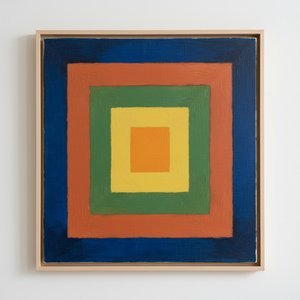
Josef Albers: A Homage to Color Interaction & the Foundations of Visual Perception
Explore Josef Albers's groundbreaking color theory & the 'Homage to the Square' series. Discover how his work revolutionized visual perception and influenced modern art movements like Minimalism & Op Art. Learn about his Bauhaus roots & lasting legacy.

एल ग्रीको की शीर्ष 25 उत्कृष्ट कृतियाँ: कला, इतिहास और घर सजावट के लिए प्रेरणा
एल ग्रीको की शीर्ष 25 पेंटिंग देखें! स्पेनिश चित्रकार एल ग्रीको के धार्मिक कला, बारोक शैली और अद्वितीय कैनवास प्रिंट्स का अन्वेषण करें। घर सजावट के लिए प्रेरणा पाएं और OriginalUniqueArt.com पर उत्कृष्ट कृतियों को खोजें।