

 पूर्वावलोकन देखें
 साझा करें
 साझा करें
 विस्तृत विवरण

 डाउनलोड करें
 समान कलाकृतियाँ
 एक्स-रे
 स्लाइड शो देखें
 आंकड़े
The Via Mala


 पूरा देखें
गिक्ली / आर्ट प्रिंट
तेज़ उत्पादन और विभिन्न फिनिश विकल्पों के साथ म्यूजियम-क्वालिटी गिकली (giclée) या कैनवस प्रिंट। ( हाथ से बनी पेंटिंग खरीदें डिजिटल इमेज पर स्विच करें)




P118B $10

P118H $10

P118W $10

P438Z $10

P508JH $12

P508YH $12

P805H $10

P805Z $10

P919BZ $10

P919G $10

P919XJ $10

P959ZH $10

P968JZ $12

W106C $8

W218G $10

W218JH $8

W218Y $10

W307PJ $10

W316G $10

W316PJ $8

W316Y $10

W398PJ $8

W4111J $10

W500HY $15

W500JH $15

W692G $12

W849H $8

W940BG $15

W953PJ $8




कलाकृति के मूल अनुपात से मेल खाने वाले हमारे पूर्व निर्धारित आकारों में से चुनें।

आप किसी विशिष्ट फ्रेम या स्थान के अनुसार अपने स्वयं के आयाम (dimensions) दर्ज कर सकते हैं। यदि आपके द्वारा चुना गया आकार मूल छवि के अनुपात से मेल नहीं खाता है, तो हम कलाकृति को क्रॉप कर देंगे या मिरर किए गए या सॉलिड-फिल किनारे के साथ छवि का विस्तार करेंगे। उत्पादन शुरू होने से पहले आपकी स्वीकृति के लिए एक डिजिटल मॉकअप भेजा जाएगा।
कृपया ध्यान दें कि स्क्रीन पर दिखने वाला प्रीव्यू वास्तविक क्रॉपिंग या विस्तार को नहीं दर्शाता है। केवल मॉकअप ही अंतिम संरचना को सटीक रूप से दिखाएगा।
हालाँकि कस्टम आकार उपलब्ध हैं, फिर भी हम मूल अनुपात बनाए रखने के लिए पूर्व-निर्धारित सूची में से एक आयाम चुनने की सलाह देते हैं।
विश्वव्यापी डिलीवरी (), मानक 4/5 सप्ताह के बजाय मात्र 2 सप्ताह में। (13 सितमबर)

दुनिया भर में मुफ़्त एक्सप्रेस शिपिंग

उच्च गुणवत्ता वाला लिनेन कैनवास

पूर्ण शिपिंग बीमा

सीमा शुल्क और आयात कर वापसी की गारंटी

सटीक रंग मिलान की गारंटी

100-दिन की वापसी नीति (केवल दोषपूर्ण होने पर)

100% पैसे वापसी की गारंटी

थोक छूट का लाभ
 ग्लास का विकल्प केवल 110 सेमी से कम आकार में ही उपलब्ध है।

The Via Mala
गिक्ली / आर्ट प्रिंट
प्रतिकृति का आकार
-


कुल देय राशि
$ 80
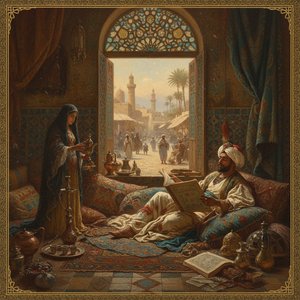
John Frederick Lewis’s “The Via Mala”: A Window into Ottoman Life
John Frederick Lewis's "The Via Mala," painted in 1827, isn’t merely a landscape; it’s a meticulously crafted portal into the world of 19th-century Orientalism. This watercolor and oil masterpiece transports us to the dramatic gorges of the Rhine Valley in Switzerland, yet its power lies not just in its topographical accuracy but in Lewis's profound understanding – and romanticized depiction – of Ottoman culture and daily life. The painting captures a pivotal moment: a group of travelers navigating a treacherous path carved into the mountainside, their figures rendered with an almost photographic realism that belies the artist’s deliberate artistic choices.
Lewis’s journey to Switzerland was part of a larger pattern – a sustained period of travel and observation across the Mediterranean and Middle East. He spent years living in Cairo, immersing himself in the sights, sounds, and customs of Ottoman society. This extended sojourn profoundly shaped his artistic vision, moving him beyond simple depictions of exotic locales towards a nuanced portrayal of human interaction within those environments. Unlike many Western artists who approached Orientalism with a sense of detached observation or even exploitation, Lewis sought to represent the people he encountered with respect and empathy, capturing their clothing, architecture, and social rituals with remarkable detail.
A Symphony of Detail: Technique and Composition
Lewis’s technical skill is immediately apparent. The painting is characterized by an extraordinary level of precision – a hallmark of his style. He meticulously rendered the rugged terrain, the weathered faces of the travelers, and the intricate details of their clothing. Notice the way he captures the play of light on the stone walls, the subtle variations in texture, and the delicate folds of fabric. This painstaking attention to detail wasn’t simply about accuracy; it was a deliberate strategy for conveying depth and realism. The composition itself is carefully balanced, drawing the eye along the winding path towards the distant horizon. The placement of figures creates a sense of movement and drama, while the use of atmospheric perspective – softening details in the distance – adds to the painting’s overall spatial coherence.
Lewis's choice of medium—watercolor and oil combined—further enhances the work’s impact. The watercolor provides a luminous quality, capturing the vibrancy of the natural landscape, while the oil lends richness and depth to the figures and architectural elements. This hybrid approach allowed him to achieve both delicate detail and bold color contrasts, creating a visually arresting effect.
Symbolism and Narrative
“The Via Mala” is rich in symbolic meaning. The treacherous path itself represents the challenges and uncertainties of life’s journey – a metaphor that resonates deeply with the travelers depicted within the scene. Their clothing—a mix of practical travel attire and elements suggestive of Ottoman influence—hints at their origins and destinations. The presence of a small, ornate tent suggests a temporary refuge amidst the harsh landscape, perhaps symbolizing the fleeting nature of encounters and the transient quality of life in foreign lands.
Interestingly, Lewis’s work connects to a contemporary novel, “Via Mala,” by John Knittel, which explored themes of guilt, betrayal, and moral ambiguity within a Swiss village. The painting can be seen as an artistic echo of this narrative, reflecting the complexities and hidden tensions that often lie beneath the surface of seemingly idyllic settings. The title itself, "The Via Mala," directly references this literary work, suggesting a shared exploration of difficult paths and shadowed secrets.
A Legacy of Orientalist Vision
John Frederick Lewis’s “The Via Mala” stands as a testament to his exceptional talent and his profound engagement with the cultures he encountered. It exemplifies the Romantic ideal of the artist as an explorer, observer, and interpreter of the world. His meticulous detail, evocative composition, and nuanced understanding of Ottoman life have secured his place as one of the most important figures in Orientalist painting. Reproductions of this captivating work offer a unique opportunity to bring this window into another era and culture into your own home, inviting contemplation on themes of travel, identity, and the enduring power of art to transcend time and distance.
कलाकार का जीवन परिचय
जॉन फ्रेडरिक लुईस: ओरिएंटलिस्ट चित्रकला का जीवन
जॉन फ्रेडरिक लुईस, एक प्रमुख अंग्रेजी ओरिएंटलिस्ट चित्रकार, 14 जुलाई 1804 को लंदन में पैदा हुए थे। वे फ्रेडरिक क्रिश्चियन लुईस के पुत्र थे, जो एक उत्कीर्णक और लैंडस्केप चित्रकार थे। यह पारिवारिक कलात्मक पृष्ठभूमि निस्संदेह उनके प्रारंभिक विकास को प्रभावित करती थी। उनका औपचारिक प्रशिक्षण सर थॉमस लॉरेंस के मार्गदर्शन में शुरू हुआ, जहाँ उन्होंने एडविन लैंडसीयर जैसे साथी कलाकारों के साथ अपने कौशल को निखारा। इस मूलभूत काल ने उनमें तकनीक और रचना की गहरी समझ पैदा की।
कलात्मक करियर एवं विकास
लुईस का कलात्मक करियर कई विशिष्ट चरणों से होकर गुजरा, जिनमें से प्रत्येक विकसित शैलियों और विषयगत फोकस द्वारा चिह्नित किया गया था:
- ओरिएंटलिस्ट काल: लुईस ने भूमध्यसागरीय क्षेत्र में व्यापक यात्राएं कीं, सावधानीपूर्वक विस्तृत जल रंग और तेल चित्रों में इसके सार को कैद किया। उन्होंने अक्सर रचनाओं पर फिर से दौरा किया, उन्हें कई माध्यमों में प्रस्तुत किया।
- स्पेनिश एवं मोरक्कन प्रभाव (1832-1834): स्पेन और मोरक्को का दौरा निर्णायक साबित हुआ। उन्होंने 1835 में “स्केचेस एंड ड्रॉइंग्स ऑफ द अलहम्ब्रा” और 1836 में “लुईस के स्केचेस ऑफ स्पेन एंड स्पैनिश कैरेक्टर” के रूप में प्रकाशित होने वाले कई लिथोग्राफ तैयार किए।
- मिस्र काल (1841-1851): काहिरा में उनका प्रवास शायद सबसे अधिक उत्पादक था। यहीं पर उन्होंने अपनी ओरिएंटलिस्ट शैली को परिष्कृत किया, यथार्थवादी शैली के दृश्यों और ऊपरी वर्ग के मिस्र के आंतरिक भाग के आदर्श चित्रण दोनों को प्रदर्शित करते हुए अत्यधिक विस्तृत कार्य बनाए।
प्रमुख रचनाएँ
लुईस ने एक पर्याप्त मात्रा में काम बनाया जो इसकी सावधानीपूर्वक विस्तार और उत्तेजक वातावरण के लिए मनाया जाता है। उनकी सबसे प्रसिद्ध कृतियों में से कुछ शामिल हैं:
- एक बेदौइन (येल सेंटर फॉर ब्रिटिश आर्ट, न्यू हेवन) – एक जल रंग जो उनकी ओरिएंटलिस्ट शैली का उदाहरण देता है।
- थेब्स में रामेसेउम (येल सेंटर फॉर ब्रिटिश आर्ट, न्यू हेवन) – उनकी उल्लेखनीय वास्तुशिल्प विस्तार पर ध्यान देने को प्रदर्शित करता है।
- एक युवा तुर्की महिला (येल सेंटर फॉर ब्रिटिश आर्ट, न्यू हेवन) – उनके ओरिएंटलिस्ट कार्य का एक और शानदार उदाहरण।
- कॉन्स्टेंटिनोपल में हरम जीवन - ऑटोमन घरेलू जीवन को दर्शाने वाला एक विस्तृत तेल चित्रकला।
प्रभाव एवं कलात्मक शैली
लुईस की शैली कई प्रभावों से आकार लेती थी, जिनमें सबसे उल्लेखनीय सर थॉमस लॉरेंस का पोर्ट्रेट और रचना पर जोर था। हालांकि, मध्य पूर्वी संस्कृतियों के उनके प्रत्यक्ष अवलोकन ने उन्हें एक अनूठी सौंदर्यशास्त्र विकसित करने की अनुमति दी जो निम्नलिखित द्वारा चिह्नित है:
- सावधानीपूर्वक विस्तार: बनावट, पैटर्न और वास्तुशिल्प तत्वों को सटीक रूप से दर्शाने की प्रतिबद्धता।
- समृद्ध रंग पैलेट: उन परिदृश्यों और वेशभूषाओं से प्रेरित जीवंत रंगों का उपयोग जो उन्होंने सामना किया।
- शैली के दृश्य एवं आंतरिक दृश्य: रोजमर्रा के जीवन और अंतरंग घरेलू सेटिंग्स पर ध्यान केंद्रित करना।
विरासत एवं ऐतिहासिक महत्व
लुईस का कला जगत में योगदान ओरिएंटलिस्ट चित्रकला को विकसित करने में उनकी महत्वपूर्ण भूमिका में निहित है। इस्लामी वास्तुकला, साज-सामान और वेशभूषा के उनके सावधानीपूर्वक चित्रण ने शैली के भीतर यथार्थवाद के लिए नए मानक स्थापित किए। उन्होंने पश्चिमी दर्शकों के बीच मध्य पूर्व की एक रोमांटिक लेकिन विस्तृत दृष्टि को लोकप्रिय बनाने में मदद की। 1851 में इंग्लैंड लौटने के बाद, उन्होंने 15 अगस्त, 1876 को वाल्टन-ऑन-थेम्स में अपनी मृत्यु तक चित्रकला करना जारी रखा।
उनका काम कलात्मक योग्यता और उन्नीसवीं सदी में पूर्व की ऐतिहासिक अंतर्दृष्टि के लिए अध्ययन और प्रशंसा किया जाता है।

जॉन फ्रेडरिक लुईस
1804 - 1876 , यूनाइटेड किंगडम
मुख्य तथ्य
- कला आंदोलन: ओरिएंटलिज्म
- जन्म तिथि: 14 जुलाई 1804
- जन्म स्थान: लंदन, यूनाइटेड किंगडम
- पूरा नाम: जॉन फ्रेडरिक लुईस
- प्रभावित कलाकार: ['सर थॉमस लॉरेंस']
- प्रमुख कलाकृतियाँ:
- ए बेडौइन
- द रामेसेउम एट थेब्स
- अ यंग टर्किश वुमन
- मृत्यु तिथि: 15 अगस्त 1876
- राष्ट्रीयता: ब्रिटिश
संबंधित लेख

जॉन सिंगर सार्जेंट की शीर्ष 25 कलाकृतियाँ: सुंदरता और विलासिता का संग्रह | OriginalUniqueArt
जॉन सिंगर सार्जेंट की शीर्ष 25 कलाकृतियों का अन्वेषण करें! पोर्ट्रेट, इम्प्रेशनिज्म और क्लासिक शैली में उत्कृष्ट कृतियाँ। घर के लिए विलासितापूर्ण कला प्रिंट और कैनवास पेंटिंग खरीदें। OriginalUniqueArt.com पर संपूर्ण संग्रह देखें।

Watercolor Wonders: 10 Masterpieces That Redefined Art History | OriginalUniqueArt
Journey through 10 legendary watercolor masterpieces by Sargent, Turner & Homer! Explore iconic landscapes, portraits & floral art that redefined history. Find museum-quality reproductions and curated decor ideas at OriginalUniqueArt.com.
John Frederick Lewis: Orientalism, Detail & Genre Painting in 19th-Century British Art
Explore the captivating Orientalist paintings of John Frederick Lewis! Discover his mastery of detail, genre scenes & influence on 19th-century British art. Learn about his life, techniques & legacy at OriginalUniqueArt.

जॉन कॉन्स्टेबल की शीर्ष 25 कलाकृतियाँ: प्रकृति का सौंदर्य और भावनात्मक गहराई | OriginalUniqueArt
जॉन कॉन्स्टेबल की शीर्ष 25 कलाकृतियों का अन्वेषण करें! ग्रामीण इंग्लैंड के रोमांटिक परिदृश्य, हे वेन और स्टूर नदी के सुंदर चित्रण। उच्च गुणवत्ता वाले कला प्रिंट और दीवार सजावट के लिए OriginalUniqueArt.com पर संग्रह देखें।

Ephemeral Visions: Exploring the Artistic Legacy & Contemporary Practice of Watercolor Painting
Explore the captivating world of watercolor painting! Discover its rich history, essential techniques, influential artists & collecting tips. A comprehensive guide for art enthusiasts from OriginalUniqueArt.