
 पूर्वावलोकन देखें
 साझा करें
 साझा करें
 विस्तृत विवरण

 डाउनलोड करें
 समान कलाकृतियाँ
 एक्स-रे
 स्लाइड शो देखें
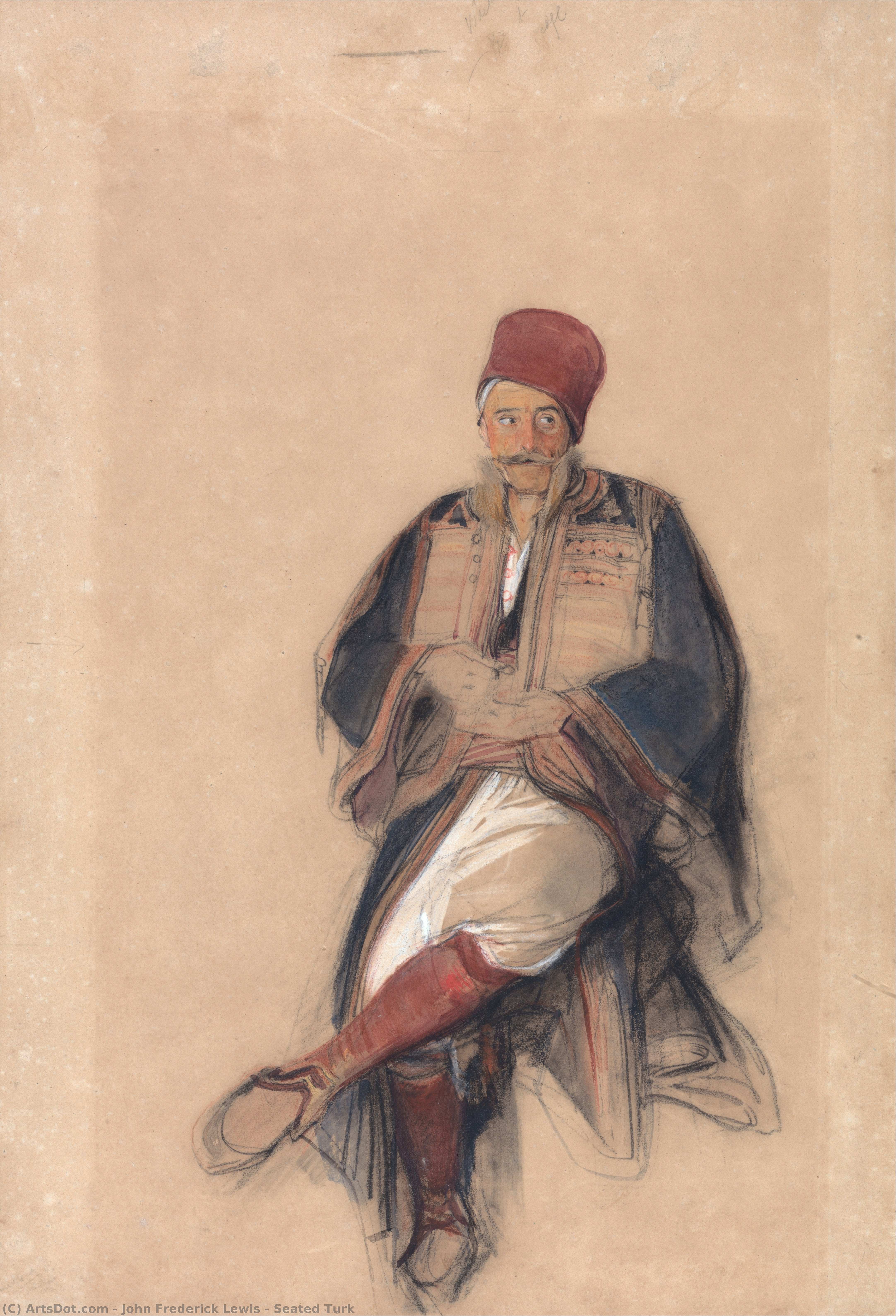
Seated Turk


 पूरा देखें
गिक्ली / आर्ट प्रिंट
तेज़ उत्पादन और विभिन्न फिनिश विकल्पों के साथ म्यूजियम-क्वालिटी गिकली (giclée) या कैनवस प्रिंट। ( हाथ से बनी पेंटिंग पर स्विच करें इमेज पर बदलें)




P118B $10

P118H $10

P118W $10

P438Z $10

P508JH $12

P508YH $12

P805H $10

P805Z $10

P919BZ $10

P919G $10

P919XJ $10

P959ZH $10

P968JZ $12

W106C $8

W218G $10

W218JH $8

W218Y $10

W307PJ $10

W316G $10

W316PJ $8

W316Y $10

W398PJ $8

W4111J $10

W500HY $15

W500JH $15

W692G $12

W849H $8

W940BG $15

W953PJ $8




कलाकृति के मूल अनुपात से मेल खाने वाले हमारे पूर्व निर्धारित आकारों में से चुनें।

आप किसी विशिष्ट फ्रेम या स्थान के अनुसार अपने स्वयं के आयाम (dimensions) दर्ज कर सकते हैं। यदि आपके द्वारा चुना गया आकार मूल छवि के अनुपात से मेल नहीं खाता है, तो हम कलाकृति को क्रॉप कर देंगे या मिरर किए गए या सॉलिड-फिल किनारे के साथ छवि का विस्तार करेंगे। उत्पादन शुरू होने से पहले आपकी स्वीकृति के लिए एक डिजिटल मॉकअप भेजा जाएगा।
कृपया ध्यान दें कि स्क्रीन पर दिखने वाला प्रीव्यू वास्तविक क्रॉपिंग या विस्तार को नहीं दर्शाता है। केवल मॉकअप ही अंतिम संरचना को सटीक रूप से दिखाएगा।
हालाँकि कस्टम आकार उपलब्ध हैं, फिर भी हम मूल अनुपात बनाए रखने के लिए पूर्व-निर्धारित सूची में से एक आयाम चुनने की सलाह देते हैं।
विश्वव्यापी डिलीवरी (), मानक 4/5 सप्ताह के बजाय मात्र 2 सप्ताह में। (11 अगस्त)

दुनिया भर में मुफ़्त एक्सप्रेस शिपिंग

उच्च गुणवत्ता वाला लिनेन कैनवास

पूर्ण शिपिंग बीमा

सीमा शुल्क और आयात कर वापसी की गारंटी

सटीक रंग मिलान की गारंटी

60-दिन की वापसी नीति (केवल दोषों के लिए)

100% पैसे वापसी की गारंटी

थोक छूट का लाभ
 ग्लास का विकल्प केवल 110 सेमी से कम आकार में ही उपलब्ध है।

Seated Turk
गिक्ली / आर्ट प्रिंट
प्रतिकृति का आकार
-


कुल देय राशि
$ 80
संग्रहणीय वस्तु का विवरण
A Portrait of Dignified Mystery: John Frederick Lewis’s “Seated Turk”
John Frederick Lewis's "Seated Turk," painted in 1841, is more than just a portrait; it’s a meticulously crafted tableau vivant—a frozen moment imbued with an air of quiet dignity and subtle melancholy. This watercolor study, now housed at the Yale Center for British Art, offers a captivating glimpse into the burgeoning field of Orientalism within 19th-century European art, revealing both the artist's technical mastery and his engagement with exotic cultures.
The subject himself is an enigmatic figure, a man seated in what appears to be a richly appointed interior. His attire—a vibrant red headpiece, a flowing robe adorned with intricate patterns, and a delicately embroidered vest—immediately transports the viewer to the world of the Ottoman Empire. However, Lewis doesn’t simply depict a literal representation; instead, he captures an essence, a character. The man's gaze is direct yet contemplative, hinting at a life lived beyond the confines of the canvas. The composition itself is carefully balanced, with the figure occupying a significant portion of the frame while leaving ample space around him—a deliberate choice that emphasizes his importance and isolates him within a world of quiet contemplation.
Technique and Style: A Romantic Orientalist Vision
Lewis’s technique is characterized by a remarkable blend of observation and artistic license. He was famously stationed in Cairo for several years, immersing himself in the sights and sounds of Egyptian life. This firsthand experience informed his meticulous attention to detail—the textures of fabrics, the patterns on carpets, the play of light and shadow within the room. Yet, he wasn’t simply aiming for photographic realism; rather, he employed a distinctly Romantic style, prioritizing emotional impact over strict accuracy.
The watercolor medium itself is crucial to the painting's effect. Lewis masterfully utilizes layering washes—thin, translucent applications of pigment that build up gradually to create depth and luminosity. Dry brush techniques are then applied to define form and add textural interest, particularly in the folds of the clothing and the man’s hair. The muted color palette—dominated by earthy tones and rich reds—contributes to the painting's overall atmosphere of quiet contemplation. The flattened perspective, a common feature of Orientalist paintings at the time, further enhances this sense of timelessness and distance, suggesting that the scene exists outside of conventional Western notions of space and reality.
Historical Context: The Rise of Orientalism
“Seated Turk” is a product of its time—a period marked by increasing European interest in the Ottoman Empire and the broader Middle East. The 1830s and 40s witnessed a surge in travel to these regions, fueled by scientific expeditions, diplomatic missions, and, increasingly, artistic exploration. This “Orientalist” movement sought to depict the cultures of the East with a mixture of fascination and exoticism, often romanticizing them while simultaneously perpetuating stereotypes.
Lewis’s work reflects this complex dynamic. While he undoubtedly admired the beauty and sophistication of Ottoman culture, his painting also reveals a certain degree of detachment—a sense that he is observing from a position of privileged distance. Notably, Lewis deliberately avoided depicting overtly sensual or provocative scenes, choosing instead to focus on portraying dignified figures engaged in everyday activities. This approach distinguished him from some of his contemporaries who were more interested in exploiting the perceived exoticism and sensuality associated with Eastern cultures.
Symbolism and Emotional Resonance
Beyond its technical merits, “Seated Turk” possesses a subtle but powerful emotional resonance. The man’s expression—a mixture of serenity and perhaps a hint of melancholy—suggests a life lived in contemplation, far removed from the bustle of Western society. The painting invites us to consider themes of identity, cultural difference, and the complexities of human experience.
The inclusion of details such as the long pipe—a symbol of leisure and philosophical reflection—further reinforces this sense of quiet introspection. “Seated Turk” is not merely a portrait; it’s an invitation to pause, reflect, and contemplate the mysteries of another culture and the enduring questions of human existence. It remains a testament to John Frederick Lewis's skill as an artist and his profound engagement with the world beyond Europe.
कलाकार का जीवन परिचय
जॉन फ्रेडरिक लुईस: ओरिएंटलिस्ट चित्रकला का जीवन
जॉन फ्रेडरिक लुईस, एक प्रमुख अंग्रेजी ओरिएंटलिस्ट चित्रकार, 14 जुलाई 1804 को लंदन में पैदा हुए थे। वे फ्रेडरिक क्रिश्चियन लुईस के पुत्र थे, जो एक उत्कीर्णक और लैंडस्केप चित्रकार थे। यह पारिवारिक कलात्मक पृष्ठभूमि निस्संदेह उनके प्रारंभिक विकास को प्रभावित करती थी। उनका औपचारिक प्रशिक्षण सर थॉमस लॉरेंस के मार्गदर्शन में शुरू हुआ, जहाँ उन्होंने एडविन लैंडसीयर जैसे साथी कलाकारों के साथ अपने कौशल को निखारा। इस मूलभूत काल ने उनमें तकनीक और रचना की गहरी समझ पैदा की।
कलात्मक करियर एवं विकास
लुईस का कलात्मक करियर कई विशिष्ट चरणों से होकर गुजरा, जिनमें से प्रत्येक विकसित शैलियों और विषयगत फोकस द्वारा चिह्नित किया गया था:
- ओरिएंटलिस्ट काल: लुईस ने भूमध्यसागरीय क्षेत्र में व्यापक यात्राएं कीं, सावधानीपूर्वक विस्तृत जल रंग और तेल चित्रों में इसके सार को कैद किया। उन्होंने अक्सर रचनाओं पर फिर से दौरा किया, उन्हें कई माध्यमों में प्रस्तुत किया।
- स्पेनिश एवं मोरक्कन प्रभाव (1832-1834): स्पेन और मोरक्को का दौरा निर्णायक साबित हुआ। उन्होंने 1835 में “स्केचेस एंड ड्रॉइंग्स ऑफ द अलहम्ब्रा” और 1836 में “लुईस के स्केचेस ऑफ स्पेन एंड स्पैनिश कैरेक्टर” के रूप में प्रकाशित होने वाले कई लिथोग्राफ तैयार किए।
- मिस्र काल (1841-1851): काहिरा में उनका प्रवास शायद सबसे अधिक उत्पादक था। यहीं पर उन्होंने अपनी ओरिएंटलिस्ट शैली को परिष्कृत किया, यथार्थवादी शैली के दृश्यों और ऊपरी वर्ग के मिस्र के आंतरिक भाग के आदर्श चित्रण दोनों को प्रदर्शित करते हुए अत्यधिक विस्तृत कार्य बनाए।
प्रमुख रचनाएँ
लुईस ने एक पर्याप्त मात्रा में काम बनाया जो इसकी सावधानीपूर्वक विस्तार और उत्तेजक वातावरण के लिए मनाया जाता है। उनकी सबसे प्रसिद्ध कृतियों में से कुछ शामिल हैं:
- एक बेदौइन (येल सेंटर फॉर ब्रिटिश आर्ट, न्यू हेवन) – एक जल रंग जो उनकी ओरिएंटलिस्ट शैली का उदाहरण देता है।
- थेब्स में रामेसेउम (येल सेंटर फॉर ब्रिटिश आर्ट, न्यू हेवन) – उनकी उल्लेखनीय वास्तुशिल्प विस्तार पर ध्यान देने को प्रदर्शित करता है।
- एक युवा तुर्की महिला (येल सेंटर फॉर ब्रिटिश आर्ट, न्यू हेवन) – उनके ओरिएंटलिस्ट कार्य का एक और शानदार उदाहरण।
- कॉन्स्टेंटिनोपल में हरम जीवन - ऑटोमन घरेलू जीवन को दर्शाने वाला एक विस्तृत तेल चित्रकला।
प्रभाव एवं कलात्मक शैली
लुईस की शैली कई प्रभावों से आकार लेती थी, जिनमें सबसे उल्लेखनीय सर थॉमस लॉरेंस का पोर्ट्रेट और रचना पर जोर था। हालांकि, मध्य पूर्वी संस्कृतियों के उनके प्रत्यक्ष अवलोकन ने उन्हें एक अनूठी सौंदर्यशास्त्र विकसित करने की अनुमति दी जो निम्नलिखित द्वारा चिह्नित है:
- सावधानीपूर्वक विस्तार: बनावट, पैटर्न और वास्तुशिल्प तत्वों को सटीक रूप से दर्शाने की प्रतिबद्धता।
- समृद्ध रंग पैलेट: उन परिदृश्यों और वेशभूषाओं से प्रेरित जीवंत रंगों का उपयोग जो उन्होंने सामना किया।
- शैली के दृश्य एवं आंतरिक दृश्य: रोजमर्रा के जीवन और अंतरंग घरेलू सेटिंग्स पर ध्यान केंद्रित करना।
विरासत एवं ऐतिहासिक महत्व
लुईस का कला जगत में योगदान ओरिएंटलिस्ट चित्रकला को विकसित करने में उनकी महत्वपूर्ण भूमिका में निहित है। इस्लामी वास्तुकला, साज-सामान और वेशभूषा के उनके सावधानीपूर्वक चित्रण ने शैली के भीतर यथार्थवाद के लिए नए मानक स्थापित किए। उन्होंने पश्चिमी दर्शकों के बीच मध्य पूर्व की एक रोमांटिक लेकिन विस्तृत दृष्टि को लोकप्रिय बनाने में मदद की। 1851 में इंग्लैंड लौटने के बाद, उन्होंने 15 अगस्त, 1876 को वाल्टन-ऑन-थेम्स में अपनी मृत्यु तक चित्रकला करना जारी रखा।
उनका काम कलात्मक योग्यता और उन्नीसवीं सदी में पूर्व की ऐतिहासिक अंतर्दृष्टि के लिए अध्ययन और प्रशंसा किया जाता है।

जॉन फ्रेडरिक लुईस
1804 - 1876 , यूनाइटेड किंगडम
मुख्य तथ्य
- कला आंदोलन: ओरिएंटलिज्म
- जन्म तिथि: 14 जुलाई 1804
- जन्म स्थान: लंदन, यूनाइटेड किंगडम
- पूरा नाम: जॉन फ्रेडरिक लुईस
- प्रभावित कलाकार: ['सर थॉमस लॉरेंस']
- प्रमुख कलाकृतियाँ:
- ए बेडौइन
- द रामेसेउम एट थेब्स
- अ यंग टर्किश वुमन
- मृत्यु तिथि: 15 अगस्त 1876
- राष्ट्रीयता: ब्रिटिश
संबंधित लेख
Carl Haag: Orientalist Visions & Victorian Spirituality in Watercolor
Explore the captivating Orientalist paintings of Carl Haag (1820-1915). Discover his detailed watercolors, Victorian landscapes & spiritual themes. Expert insights for collectors and art enthusiasts at OriginalUniqueArt.
The Allure of Detail: Precision & Narrative Resonance in Art History
Explore the captivating history of detail in art – from Renaissance masterpieces to modern movements like Precisionism. Discover how specificity shapes narrative, value & collector appeal. Expert insights at OriginalUniqueArt.

फ़ोटो को जलीय रंग की कोमल शांति में रूपांतरित करें: एआई द्वारा प्रेरित कलात्मक पुनरुत्पादन
OriginalUniqueArt.com के साथ अपनी तस्वीरों को जलीय रंग की उत्कृष्ट कृतियों में बदलें। कुशल कलाकारों द्वारा हाथ से पेंट किए गए कस्टम पोर्ट्रेट और कलात्मक पुनरुत्पादन। उच्च गुणवत्ता, 100% संतुष्टि गारंटी।

Evolving Portraits: Personalized Art as a Chronicle of Family Life Across Generations
Create a timeless family legacy with custom portraits! OriginalUniqueArt connects you with skilled artists for heirloom-quality paintings & prints. Explore styles, commission your unique artwork today.

Watercolor Wonders: 10 Masterpieces That Redefined Art History | OriginalUniqueArt
Journey through 10 legendary watercolor masterpieces by Sargent, Turner & Homer! Explore iconic landscapes, portraits & floral art that redefined history. Find museum-quality reproductions and curated decor ideas at OriginalUniqueArt.com.

