

 पूर्वावलोकन देखें
 साझा करें
 साझा करें
 विस्तृत विवरण

 डाउनलोड करें
 समान कलाकृतियाँ
 एक्स-रे
 स्लाइड शो देखें
 आंकड़े
Arab School


 पूरा देखें
गिक्ली / आर्ट प्रिंट
तेज़ उत्पादन और विभिन्न फिनिश विकल्पों के साथ म्यूजियम-क्वालिटी गिकली (giclée) या कैनवस प्रिंट। ( हाथ से बनी पेंटिंग खरीदें डिजिटल इमेज पर स्विच करें)




P118B $10

P118H $10

P118W $10

P438Z $10

P508JH $12

P508YH $12

P805H $10

P805Z $10

P919BZ $10

P919G $10

P919XJ $10

P959ZH $10

P968JZ $12

W106C $8

W218G $10

W218JH $8

W218Y $10

W307PJ $10

W316G $10

W316PJ $8

W316Y $10

W398PJ $8

W4111J $10

W500HY $15

W500JH $15

W692G $12

W849H $8

W940BG $15

W953PJ $8




कलाकृति के मूल अनुपात से मेल खाने वाले हमारे पूर्व निर्धारित आकारों में से चुनें।

आप किसी विशिष्ट फ्रेम या स्थान के अनुसार अपने स्वयं के आयाम (dimensions) दर्ज कर सकते हैं। यदि आपके द्वारा चुना गया आकार मूल छवि के अनुपात से मेल नहीं खाता है, तो हम कलाकृति को क्रॉप कर देंगे या मिरर किए गए या सॉलिड-फिल किनारे के साथ छवि का विस्तार करेंगे। उत्पादन शुरू होने से पहले आपकी स्वीकृति के लिए एक डिजिटल मॉकअप भेजा जाएगा।
कृपया ध्यान दें कि स्क्रीन पर दिखने वाला प्रीव्यू वास्तविक क्रॉपिंग या विस्तार को नहीं दर्शाता है। केवल मॉकअप ही अंतिम संरचना को सटीक रूप से दिखाएगा।
हालाँकि कस्टम आकार उपलब्ध हैं, फिर भी हम मूल अनुपात बनाए रखने के लिए पूर्व-निर्धारित सूची में से एक आयाम चुनने की सलाह देते हैं।
विश्वव्यापी डिलीवरी (), मानक 4/5 सप्ताह के बजाय मात्र 2 सप्ताह में। (11 सितमबर)

दुनिया भर में मुफ़्त एक्सप्रेस शिपिंग

उच्च गुणवत्ता वाला लिनेन कैनवास

पूर्ण शिपिंग बीमा

सीमा शुल्क और आयात कर वापसी की गारंटी

सटीक रंग मिलान की गारंटी

100-दिन की वापसी नीति (केवल दोषपूर्ण होने पर)

100% पैसे वापसी की गारंटी

थोक छूट का लाभ
 ग्लास का विकल्प केवल 110 सेमी से कम आकार में ही उपलब्ध है।

Arab School
गिक्ली / आर्ट प्रिंट
प्रतिकृति का आकार
-


कुल देय राशि
$ 80
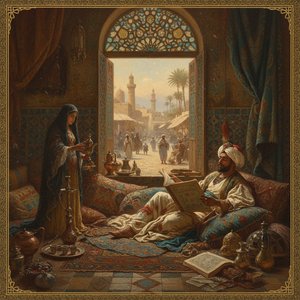
A Window Into a World of Grace: John Frederick Lewis’s “Arab School”
John Frederick Lewis's "Arab School," painted circa 1841-51, isn’t merely a depiction of a classroom; it’s a meticulously crafted portal into the heart of 19th-century Ottoman society. This watercolor and gouache masterpiece, now housed within the Metropolitan Museum of Art in New York City, offers a rare glimpse beyond the often sensationalized portrayals of the Middle East prevalent at the time, revealing instead a scene of quiet learning, dignified respect, and subtle social dynamics. Lewis, an English Orientalist painter who spent over a decade immersed in Cairo’s vibrant culture, possessed a remarkable ability to capture not just the outward appearance but also the underlying atmosphere of his subjects – a skill evident in every brushstroke of “Arab School.”
The painting immediately draws the eye toward the central figure: a man distinguished by his flowing white beard and traditional attire. He’s not a flamboyant scholar, nor is he presented as an exotic spectacle; rather, he embodies authority and wisdom – a respected teacher guiding a young student. His posture, upright and attentive, suggests a dedication to his role, while the boy's focused gaze speaks volumes about the value placed on education within this community. To his right, another individual, seated on the floor, demonstrates a profound respect for the teacher’s words, mirroring the reverence of the central figure. The composition isn’t static; it pulses with an unspoken conversation, a shared moment of intellectual engagement.
Orientalism and the Pursuit of Authenticity
Lewis's work firmly resides within the realm of Orientalist painting – a genre that flourished during the 19th century, fueled by European fascination with the East. However, unlike many of his contemporaries who often relied on stereotypes and romanticized depictions, Lewis sought to portray Middle Eastern life with a remarkable degree of accuracy and sensitivity. His extended sojourn in Cairo allowed him to observe local customs firsthand, master Arabic script, and adopt traditional dress – elements that profoundly influenced his artistic approach. He meticulously documented the architecture, furnishings, and clothing of the region, striving for an authentic representation that moved beyond superficial exoticism.
The inclusion of Arabic calligraphy on the walls of the schoolhouse is a crucial detail, underscoring the importance of literacy and religious learning within this setting. These intricate inscriptions aren’t merely decorative; they serve as a constant reminder of the cultural heritage being imparted to the students. The simple yet elegant design of the room – the worn wooden benches, the muted color palette, the single window framed by dark bars – speaks volumes about the practical realities of life in an Ottoman schoolhouse. It's a scene stripped of grandiosity, focusing instead on the quiet dignity of everyday learning.
Symbolism and Emotional Resonance
Beyond its realistic depiction of daily life, “Arab School” is rich with symbolic meaning. The window, framed by dark bars, subtly hints at the constraints imposed upon Ottoman society – a reminder of the political realities that shaped the lives of its inhabitants. Yet, within this seemingly restrictive environment, there’s an undeniable sense of hope and potential embodied in the faces of the students and teacher. The painting evokes a feeling of serenity and intellectual curiosity, suggesting a space where knowledge is valued and nurtured.
Lewis's masterful use of watercolor – its delicate washes, subtle gradations of color, and luminous effects – perfectly captures the atmosphere of the scene. The light filtering through the window creates a soft, diffused glow, illuminating the faces of the individuals within the room. This careful attention to detail, combined with Lewis’s profound understanding of his subject matter, results in a work that is both visually stunning and emotionally resonant. “Arab School” isn't just a painting; it’s a testament to the power of observation, empathy, and artistic skill – a timeless reminder of the enduring value of education and human connection.
Collecting a Legacy: Reproductions and Beyond
Reproductions of "Arab School" are available through various reputable art dealers and online platforms. When selecting a reproduction, consider the medium (canvas or print) and framing options to ensure it complements your interior design aesthetic. The original’s delicate watercolor technique is best replicated with high-quality archival materials that preserve color accuracy and prevent fading over time. Investing in a faithful reproduction allows you to bring this remarkable work of art into your home, celebrating Lewis's legacy and the rich cultural heritage he so beautifully captured.
कलाकार का जीवन परिचय
जॉन फ्रेडरिक लुईस: ओरिएंटलिस्ट चित्रकला का जीवन
जॉन फ्रेडरिक लुईस, एक प्रमुख अंग्रेजी ओरिएंटलिस्ट चित्रकार, 14 जुलाई 1804 को लंदन में पैदा हुए थे। वे फ्रेडरिक क्रिश्चियन लुईस के पुत्र थे, जो एक उत्कीर्णक और लैंडस्केप चित्रकार थे। यह पारिवारिक कलात्मक पृष्ठभूमि निस्संदेह उनके प्रारंभिक विकास को प्रभावित करती थी। उनका औपचारिक प्रशिक्षण सर थॉमस लॉरेंस के मार्गदर्शन में शुरू हुआ, जहाँ उन्होंने एडविन लैंडसीयर जैसे साथी कलाकारों के साथ अपने कौशल को निखारा। इस मूलभूत काल ने उनमें तकनीक और रचना की गहरी समझ पैदा की।
कलात्मक करियर एवं विकास
लुईस का कलात्मक करियर कई विशिष्ट चरणों से होकर गुजरा, जिनमें से प्रत्येक विकसित शैलियों और विषयगत फोकस द्वारा चिह्नित किया गया था:
- ओरिएंटलिस्ट काल: लुईस ने भूमध्यसागरीय क्षेत्र में व्यापक यात्राएं कीं, सावधानीपूर्वक विस्तृत जल रंग और तेल चित्रों में इसके सार को कैद किया। उन्होंने अक्सर रचनाओं पर फिर से दौरा किया, उन्हें कई माध्यमों में प्रस्तुत किया।
- स्पेनिश एवं मोरक्कन प्रभाव (1832-1834): स्पेन और मोरक्को का दौरा निर्णायक साबित हुआ। उन्होंने 1835 में “स्केचेस एंड ड्रॉइंग्स ऑफ द अलहम्ब्रा” और 1836 में “लुईस के स्केचेस ऑफ स्पेन एंड स्पैनिश कैरेक्टर” के रूप में प्रकाशित होने वाले कई लिथोग्राफ तैयार किए।
- मिस्र काल (1841-1851): काहिरा में उनका प्रवास शायद सबसे अधिक उत्पादक था। यहीं पर उन्होंने अपनी ओरिएंटलिस्ट शैली को परिष्कृत किया, यथार्थवादी शैली के दृश्यों और ऊपरी वर्ग के मिस्र के आंतरिक भाग के आदर्श चित्रण दोनों को प्रदर्शित करते हुए अत्यधिक विस्तृत कार्य बनाए।
प्रमुख रचनाएँ
लुईस ने एक पर्याप्त मात्रा में काम बनाया जो इसकी सावधानीपूर्वक विस्तार और उत्तेजक वातावरण के लिए मनाया जाता है। उनकी सबसे प्रसिद्ध कृतियों में से कुछ शामिल हैं:
- एक बेदौइन (येल सेंटर फॉर ब्रिटिश आर्ट, न्यू हेवन) – एक जल रंग जो उनकी ओरिएंटलिस्ट शैली का उदाहरण देता है।
- थेब्स में रामेसेउम (येल सेंटर फॉर ब्रिटिश आर्ट, न्यू हेवन) – उनकी उल्लेखनीय वास्तुशिल्प विस्तार पर ध्यान देने को प्रदर्शित करता है।
- एक युवा तुर्की महिला (येल सेंटर फॉर ब्रिटिश आर्ट, न्यू हेवन) – उनके ओरिएंटलिस्ट कार्य का एक और शानदार उदाहरण।
- कॉन्स्टेंटिनोपल में हरम जीवन - ऑटोमन घरेलू जीवन को दर्शाने वाला एक विस्तृत तेल चित्रकला।
प्रभाव एवं कलात्मक शैली
लुईस की शैली कई प्रभावों से आकार लेती थी, जिनमें सबसे उल्लेखनीय सर थॉमस लॉरेंस का पोर्ट्रेट और रचना पर जोर था। हालांकि, मध्य पूर्वी संस्कृतियों के उनके प्रत्यक्ष अवलोकन ने उन्हें एक अनूठी सौंदर्यशास्त्र विकसित करने की अनुमति दी जो निम्नलिखित द्वारा चिह्नित है:
- सावधानीपूर्वक विस्तार: बनावट, पैटर्न और वास्तुशिल्प तत्वों को सटीक रूप से दर्शाने की प्रतिबद्धता।
- समृद्ध रंग पैलेट: उन परिदृश्यों और वेशभूषाओं से प्रेरित जीवंत रंगों का उपयोग जो उन्होंने सामना किया।
- शैली के दृश्य एवं आंतरिक दृश्य: रोजमर्रा के जीवन और अंतरंग घरेलू सेटिंग्स पर ध्यान केंद्रित करना।
विरासत एवं ऐतिहासिक महत्व
लुईस का कला जगत में योगदान ओरिएंटलिस्ट चित्रकला को विकसित करने में उनकी महत्वपूर्ण भूमिका में निहित है। इस्लामी वास्तुकला, साज-सामान और वेशभूषा के उनके सावधानीपूर्वक चित्रण ने शैली के भीतर यथार्थवाद के लिए नए मानक स्थापित किए। उन्होंने पश्चिमी दर्शकों के बीच मध्य पूर्व की एक रोमांटिक लेकिन विस्तृत दृष्टि को लोकप्रिय बनाने में मदद की। 1851 में इंग्लैंड लौटने के बाद, उन्होंने 15 अगस्त, 1876 को वाल्टन-ऑन-थेम्स में अपनी मृत्यु तक चित्रकला करना जारी रखा।
उनका काम कलात्मक योग्यता और उन्नीसवीं सदी में पूर्व की ऐतिहासिक अंतर्दृष्टि के लिए अध्ययन और प्रशंसा किया जाता है।

जॉन फ्रेडरिक लुईस
1804 - 1876 , यूनाइटेड किंगडम
मुख्य तथ्य
- कला आंदोलन: ओरिएंटलिज्म
- जन्म तिथि: 14 जुलाई 1804
- जन्म स्थान: लंदन, यूनाइटेड किंगडम
- पूरा नाम: जॉन फ्रेडरिक लुईस
- प्रभावित कलाकार: ['सर थॉमस लॉरेंस']
- प्रमुख कलाकृतियाँ:
- ए बेडौइन
- द रामेसेउम एट थेब्स
- अ यंग टर्किश वुमन
- मृत्यु तिथि: 15 अगस्त 1876
- राष्ट्रीयता: ब्रिटिश
संबंधित लेख

Watercolor Wonders: 10 Masterpieces That Redefined Art History | OriginalUniqueArt
Journey through 10 legendary watercolor masterpieces by Sargent, Turner & Homer! Explore iconic landscapes, portraits & floral art that redefined history. Find museum-quality reproductions and curated decor ideas at OriginalUniqueArt.com.
John Frederick Lewis: Orientalism, Detail & Genre Painting in 19th-Century British Art
Explore the captivating Orientalist paintings of John Frederick Lewis! Discover his mastery of detail, genre scenes & influence on 19th-century British art. Learn about his life, techniques & legacy at OriginalUniqueArt.

जॉन सिंगर सार्जेंट की शीर्ष 25 कलाकृतियाँ: सुंदरता और विलासिता का संग्रह | OriginalUniqueArt
जॉन सिंगर सार्जेंट की शीर्ष 25 कलाकृतियों का अन्वेषण करें! पोर्ट्रेट, इम्प्रेशनिज्म और क्लासिक शैली में उत्कृष्ट कृतियाँ। घर के लिए विलासितापूर्ण कला प्रिंट और कैनवास पेंटिंग खरीदें। OriginalUniqueArt.com पर संपूर्ण संग्रह देखें।

Ephemeral Visions: Exploring the Artistic Legacy & Contemporary Practice of Watercolor Painting
Explore the captivating world of watercolor painting! Discover its rich history, essential techniques, influential artists & collecting tips. A comprehensive guide for art enthusiasts from OriginalUniqueArt.

Ephemeral Visions: Exploring the History & Emotional Resonance of Watercolor Painting
Explore the captivating history of watercolor painting, from ancient techniques to modern masters like Kandinsky & Blake. Discover essential artists, collecting tips & the emotional power of this luminous medium. Expert insights for art enthusiasts.