पूर्वावलोकन देखें
 भेजें
भेजें साझा करें
 विवरण देखें
 मार्गदर्शिका

 डाउनलोड करें
 समान वस्तुएं
 एक्स-रे
 स्लाइड शो देखें
 आंकड़े
Captain Richard Gubbins
 Oil On Canvas
- WallArt
- Romanticism
 1805
1805- Early Medieval
 76.0 x 64.0 cm
 Yale Center for British Art
 और पढ़ें
हस्तनिर्मित ऑयल रिप्रोडक्शन
आपके आकार और फ्रेम के अनुसार कैनवास पर हाथ से बनी ऑयल पेंटिंग, हमारे कलाकारों द्वारा विशेष रूप से ऑर्डर पर तैयार। ( प्रिंट विकल्प पर जाएँ डिजिटल इमेज पर जाएँ)




P118B ₹10

P118H ₹10

P118W ₹10

P438Z ₹10

P508JH ₹12

P508YH ₹12

P805H ₹10

P805Z ₹10

P919BZ ₹10

P919G ₹10

P919XJ ₹10

P959ZH ₹10

P968JZ ₹12

W106C ₹8

W218G ₹10

W218JH ₹8

W218Y ₹10

W307PJ ₹10

W316G ₹10

W316PJ ₹8

W316Y ₹10

W398PJ ₹8

W4111J ₹10

W500HY ₹15

W500JH ₹15

W692G ₹12

W849H ₹8

W940BG ₹15

W953PJ ₹8




कलाकृति के मूल अनुपात से मेल खाने वाले हमारे पूर्व निर्धारित आकारों में से चुनें।

अपने फ्रेम या अपनी दीवार के अनुसार आवश्यक चौड़ाई और ऊंचाई दर्ज करें। यह हाथ से पेंट किया गया है, इसलिए अलग आकार के लिए कलाकार चित्र के चारों ओर थोड़ा अधिक पेंट कर सकता है, या थोड़ा काट सकता है — चुनाव आपका है। पेंटिंग शुरू होने से पहले हम आपकी स्वीकृति के लिए एक डिजिटल मॉकअप भेजते हैं। इस पृष्ठ पर दिखाई गई तस्वीर वास्तविक परिणाम नहीं दिखाती है — केवल मॉकअप ही वास्तविक रूप दिखाता है।
ऑर्डर देने के बाद, OriginalUniqueArt.com टीम निर्देशों के लिए क्लाइंट को ईमेल करेगी और एक मॉकअप प्रीव्यू प्रदान करेगी
विश्वव्यापी वितरण () मानक 5 सप्ताह के बजाय मात्र 3/4 सप्ताह में। (21 अक्टूबर)। गुणवत्ता से कोई समझौता नहीं।

दुनिया भर में मुफ़्त एक्सप्रेस शिपिंग

प्रीमियम ग्रेड लिनेन कैनवास

पूर्ण शिपिंग बीमा

सीमा शुल्क और आयात कर वापसी की गारंटी

सटीक रंग मिलान की गारंटी

100 दिनों की वापसी नीति (केवल निर्माण दोष होने पर)

100% पैसे वापसी की गारंटी

थोक छूट का अवसर
 ग्लास का विकल्प केवल 110 सेमी से कम आकार में ही उपलब्ध है।

Captain Richard Gubbins
प्रतिकृति की सामग्री
प्रतिकृति का आकार
-


कुल मूल्य
₹ 28699
A Portrait of Quiet Authority: Captain Richard Gubbins by John Constable
John Constable’s “Captain Richard Gubbins,” painted in 1805 and now residing within the esteemed Yale Center for British Art, is more than a simple likeness; it's a carefully constructed tableau of character and circumstance. This oil on canvas offers a glimpse into the life of a man – Captain Richard Gubbins – rendered with Constable’s signature blend of meticulous observation and deeply felt emotion. The painting immediately draws the eye to the subject himself: a figure presented with a dignified, almost austere presence. His red coat, adorned with a subtle green collar indicative of his military rank, speaks volumes about his position within society, while the sword resting at his side is not merely an accessory but a potent symbol of authority and duty.
Constable’s masterful use of light and shadow plays a crucial role in shaping our perception of Gubbins. The strong directional lighting emphasizes the lines of his face, highlighting a stern expression that conveys both seriousness and discipline. This isn't a portrait designed for immediate charm; rather, it invites contemplation, prompting us to consider the weight of responsibility borne by this officer. The background, subtly layered with two figures – one to the left and another receding into the distance on the right – adds depth and context without distracting from the central subject. These secondary elements suggest a life lived within a structured environment, perhaps hinting at the social circles and obligations that defined Gubbins’ existence.
The Language of Form: Constable's Technique
The remarkable realism achieved in “Captain Richard Gubbins” is a testament to Constable’s exceptional technical skill. He employed a layered approach, building up textures and tones with painstaking detail – particularly evident in the rendering of the uniform’s fabric and the subtle nuances of Gubbins’ facial features. The brushstrokes are visible yet controlled, creating a sense of immediacy and capturing the very essence of the subject's presence. Constable’s use of color is equally noteworthy; he avoids overly bright or dramatic hues, opting instead for a more restrained palette that reflects the seriousness of the subject matter. The subtle gradations of tone contribute to the painting’s overall atmosphere of quiet dignity.
Notably, Constable's technique demonstrates his deep understanding of light and its effects on form. He skillfully utilizes chiaroscuro – the dramatic contrast between light and dark – to sculpt Gubbins’ features and create a sense of three-dimensionality. This masterful manipulation of light not only enhances the realism of the portrait but also imbues it with an emotional resonance, suggesting both strength and vulnerability.
A Window into the Age: Historical Context
“Captain Richard Gubbins” is firmly rooted in the artistic and social landscape of early 19th-century Britain. The Yale Center for British Art’s collection, a treasure trove of British art history, provides invaluable context for understanding Constable's work. The painting reflects the prevailing values of the era – a respect for military service, an appreciation for order and discipline, and a fascination with portraiture as a means of documenting individual identity. The inclusion of the two background figures further reinforces this social setting, offering glimpses into the lives of those who surrounded Gubbins.
Furthermore, Constable’s work aligns with the broader artistic trends of his time, particularly the shift towards greater realism and emotional depth in landscape painting. His meticulous attention to detail and his ability to capture the essence of his subjects paved the way for future generations of artists. The Yale Center's collection, a cornerstone of British art history, ensures that Constable’s legacy continues to be celebrated and studied.
Symbolism and Emotional Resonance
Beyond its technical brilliance, “Captain Richard Gubbins” is rich in symbolic meaning. The red coat and green collar represent the Captain’s military status and social standing, while the sword symbolizes his authority and duty. The stern expression on Gubbins' face suggests a man of unwavering resolve, perhaps burdened by responsibility or reflecting the challenges he has faced. Yet, there’s also an underlying sense of quiet dignity—a suggestion that this is not merely a portrait of a soldier but a representation of a complex individual grappling with his role in society.
Ultimately, “Captain Richard Gubbins” transcends its literal subject matter to become a powerful meditation on identity, duty, and the human condition. It’s a painting that invites viewers to contemplate not only the life of Captain Richard Gubbins but also their own place within the broader tapestry of history and society. A hand-painted reproduction offers an exceptional opportunity to bring this captivating artwork into your home or office, allowing you to appreciate Constable's genius for generations to come.
प्रश्न और उत्तर
वास्तविक जीवन में जॉन कॉन्स्टेबल द्वारा "Captain Richard Gubbins" का आकार क्या है?
जॉन कॉन्स्टेबल द्वारा "Captain Richard Gubbins" का दर्ज किया गया आकार 76 x 64 cm है। समान अनुपात बनाए रखते हुए अन्य आकारों में भी इसकी प्रतिकृतियां (reproductions) मंगवाई जा सकती हैं।
जॉन कॉन्स्टेबल द्वारा "Captain Richard Gubbins" के दर्शक कहाँ से आते हैं?
"Captain Richard Gubbins" के लिए एक आंकड़े पेज उपलब्ध है। यह देश और भाषा के विवरण के साथ, इस कलाकृति और कलाकार की अन्य कृतियों की मासिक यात्राओं का चार्ट प्रस्तुत करता है।
जॉन कॉन्स्टेबल द्वारा "Captain Richard Gubbins" का ओरिएंटेशन (orientation) क्या है?
जॉन कॉन्स्टेबल द्वारा "Captain Richard Gubbins" एक Portrait रचना है। प्रिंट का आकार चुनने से पहले इसके अनुपात की जांच करना उचित होगा।
कलाकार का परिचय
जॉन कॉन्स्टेबल: अंग्रेजी परिदृश्य का एक कवि
जॉन कॉन्स्टेबल, जो 1776 में सफ़ोक के पूर्वी बर्घोल्ट में पैदा हुए थे, सिर्फ़ एक चित्रकार नहीं थे; वे भूमि के एक कवि थे। उन्होंने अपने कैनवस पर सूक्ष्म मनोभावों और प्रकृति की चिरस्थायी सुंदरता को अभूतपूर्व भावनात्मक गहराई से अनुवादित किया। उनके पिता, एक समृद्ध मक्का व्यापारी जो डेडम वैले और स्टूर नदी के किनारे मिलों के मालिक थे, ने न केवल वित्तीय सुरक्षा प्रदान की बल्कि कलात्मक जीवन को परिभाषित करने वाले विषय वस्तु भी प्रदान किए। यह प्रारंभिक विसर्जन ग्रामीण दुनिया में - कृषि जीवन की धीमी गति, खेतों और पानी पर हमेशा बदलते प्रकाश, प्रकृति के अंतरंग विवरण - उनकी संवेदनशीलता में अंकित हो गया। हालाँकि शुरू में व्यवसाय में अपने पिता का अनुसरण करने के लिए नियत थे, कला के लिए एक बढ़ता हुआ जुनून, स्थानीय संरक्षकों जैसे जॉर्ज बीमोंट द्वारा पोषित जिन्होंने क्लाउड लोरेन के कार्यों को पेश किया, अंततः उन्हें एक अलग रास्ते की ओर ले गया। कॉन्स्टेबल की कलात्मक यात्रा तत्काल नहीं थी; यह सावधानीपूर्वक अवलोकन और भूमि के भीतर मौजूद होने पर कैसा महसूस होता है उसे पकड़ने की लगातार इच्छा से आकार लेते हुए धीरे-धीरे सामने आई।परंपराओं को तोड़ना: प्रकृति का एक नया दृष्टिकोण
कॉन्स्टेबल के कलात्मक विकास को प्रचलित शैक्षणिक सम्मेलनों के जानबूझकर अस्वीकृति द्वारा चिह्नित किया गया था। रॉयल एकेडमी द्वारा पसंद किए जाने वाले आदर्शित और अक्सर नाटकीय परिदृश्यों से असंतुष्ट, उन्होंने इसके बजाय प्रकृति का एक सच्चा प्रतिनिधित्व मांगा, व्यक्तिगत भावना से भरा हुआ। उन्हें भव्य ऐतिहासिक कथाओं या पौराणिक दृश्यों में दिलचस्पी नहीं थी; उनका ध्यान लगातार उनके आसपास के परिचित ग्रामीण इलाकों पर केंद्रित रहा। इस साधारण विषयों को चित्रित करने की प्रतिबद्धता - घास के गाड़ियाँ, खेत भवन, गाँव जीवन - शुरू में आलोचकों द्वारा प्रतिरोध का सामना करना पड़ा जिन्होंने उनके काम को बहुत सामान्य और महत्वाकांक्षी होने से कम माना। हालाँकि, कॉन्स्टेबल दृढ़ रहे, यह मानते हुए कि सौंदर्य रोजमर्रा की जिंदगी में रहता है। उन्होंने *प्लेन एयर* पेंटिंग की एक तकनीक का मार्ग प्रशस्त किया, सीधे तौर पर देखने और प्रकाश और मौसम के क्षणिक प्रभावों को पकड़ने के लिए बाहर उद्यम करते हैं। इस प्रकृति के साथ प्रत्यक्ष जुड़ाव ने उन्हें अपने कैनवस में तात्कालिकता और जीवन शक्ति भरने की अनुमति दी जो पहले ब्रिटिश परिदृश्य कला में अनदेखा था। उनका ब्रशवर्क तेजी से ढीला और अभिव्यंजक होता गया, इम्पैस्टो - पेंट की मोटी परतें - बनावट बनाने और गति और वातावरण की भावना को संप्रेषित करने के लिए उपयोग करते हैं। वे सिर्फ़ यह रिकॉर्ड नहीं कर रहे थे कि उन्होंने क्या देखा; वे भूमि के प्रति अपनी भावनात्मक प्रतिक्रिया को दृश्य रूप में अनुवादित कर रहे थे।आइकॉनिक कार्य और स्थायी प्रभाव
कॉन्स्टेबल के सबसे प्रसिद्ध कार्य उनकी अनूठी दृष्टि के प्रमाण के रूप में खड़े हैं। द हे वाइन (1821), शायद उनका सबसे पहचाना जाने वाला चित्र, स्टूर नदी पर एक विशिष्ट ग्रामीण दृश्य को चित्रित करता है, कृषि जीवन की शांति और सद्भाव को पकड़ता है। हैडले कैसल (1829) प्रकाश और वायुमंडलीय प्रभावों के उनके नाटकीय उपयोग को प्रदर्शित करता है, एक ढहते हुए खंडहर को समय के बीतने का एक शक्तिशाली प्रतीक बनाता है। मेडो से सैलिसबरी कैथेड्रल की श्रृंखला (1831) उनकी विभिन्न मनोभावों और दिन के समय को जगाने की क्षमता को प्रकट करती है, कैथेड्रल को प्राकृतिक परिदृश्य के अभिन्न अंग के रूप में प्रकट करती है। नेटली एबे (1824), अपने वास्तुशिल्प भव्यता के चित्रण में बढ़ती प्रकृति के साथ, मानव निर्माण को जंगली सुंदरता के साथ मिलाने में उनकी कुशलता का प्रतीक है। इंग्लैंड में प्रारंभिक संघर्षों के बावजूद, कॉन्स्टेबल ने फ्रांस में महत्वपूर्ण प्रशंसा हासिल की, जहाँ उनके नवीन तकनीकों और भावनात्मक गहराई ने अधिक प्राकृतिकवादी दृष्टिकोण की तलाश करने वाले कलाकारों के साथ गहरा प्रतिध्वनित किया। उन्होंने बारबाइजोन स्कूल को गहराई से प्रभावित किया, फ्रांसीसी चित्रकारों का एक समूह जिन्होंने *प्लेन एयर* पेंटिंग और प्रकृति के प्रत्यक्ष अवलोकन के लिए अपनी प्रतिबद्धता साझा की।भावनात्मक प्रतिध्वनि की विरासत
जॉन कॉन्स्टेबल का ऐतिहासिक महत्व केवल उनकी कलात्मक नवाचारों में ही नहीं बल्कि परिदृश्य पेंटिंग के विकास पर उनके गहन प्रभाव में भी निहित है। उन्होंने शैक्षणिक सम्मेलनों को चुनौती दी, साधारण विषयों की स्थिति को बढ़ाया और कला के प्रति अधिक व्यक्तिगत और भावनात्मक रूप से अभिव्यंजक दृष्टिकोण के लिए मार्ग प्रशस्त किया। प्रकृति के प्रत्यक्ष अवलोकन, वायुमंडलीय प्रभावों और प्रकृति के सच्चे प्रतिनिधित्व पर उनका जोर बाद के प्रभाववादी चित्रकारों की कई चिंताओं का पूर्वाभास करता है। उन्होंने प्रदर्शित किया कि परिदृश्य गहन भावनात्मक अभिव्यक्ति का एक माध्यम हो सकता है, जो उदासीनता, शांति और विस्मय की भावनाओं को जगाने में सक्षम है। हालाँकि उन्होंने अपने करियर के अधिकांश समय वित्तीय कठिनाई का सामना किया, और 1837 में अपेक्षाकृत कम उम्र में उनकी मृत्यु हो गई, लेकिन उनकी विरासत बनी रहती है। आज, कॉन्स्टेबल को ब्रिटेन के महानतम कलाकारों में से एक के रूप में मनाया जाता है, जिनके चित्रों में सौंदर्य, ईमानदारी और स्थायी शक्ति के साथ दर्शकों को मोहित करने की क्षमता है। उनका काम मानवता और प्राकृतिक दुनिया के बीच गहरे संबंध की एक मार्मिक याद दिलाता है, और कला की परिवर्तनकारी क्षमता को इसके सार को पकड़ने के लिए।व्यक्तिगत जीवन और अंतिम वर्ष
कॉन्स्टेबल के व्यक्तिगत जीवन में खुशी और दुख दोनों थे। उन्होंने 1816 में मारिया बिकनेल से शादी की, और उनके सात बच्चे हुए, हालाँकि दुखद रूप से उनमें से कई शिशु अवस्था में ही चल बसे। उनकी शादी ने उन्हें भावनात्मक समर्थन प्रदान किया लेकिन वित्तीय तनाव भी पैदा किया। 1829 में रॉयल एकेडमी के एसोसिएट बनने के बाद, उन्होंने कुछ हलकों से आलोचना का सामना करना जारी रखा, खासकर उनकी अपरंपरागत तकनीकों के संबंध में। उनके बाद के वर्षों को अपनी पत्नी के घटते स्वास्थ्य और 1828 में उसकी मृत्यु की छाया से घेरा गया था, जो एक ऐसी घटना थी जिसने उन्हें गहराई से प्रभावित किया। इन कठिनाइयों के बावजूद, कॉन्स्टेबल अपने कला के प्रति समर्पित रहे, अपनी मृत्यु पर मार्च 31, 1837 तक पेंटिंग करते रहे। उन्होंने एक समृद्ध कलात्मक विरासत छोड़ दी - उनकी अटूट प्रतिबद्धता का प्रमाण ग्रामीण इलाकों की सुंदरता और भावनात्मक प्रतिध्वनि को पकड़ने के लिए। उनके चित्रों ने एक बीते युग के शक्तिशाली आह्वान के रूप में काम करना जारी रखा है, दर्शकों को अपनी अनूठी संवेदनशील आँखों से परिदृश्य का अनुभव करने के लिए आमंत्रित करते हैं।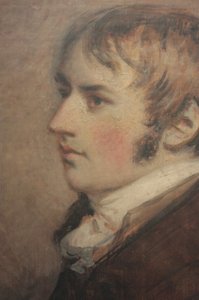
जॉन कॉन्स्टेबल
1776 - 1837 , यूनाइटेड किंगडम
संक्षिप्त जानकारी
- कलात्मक शैली: रोमांटिकवाद
- जन्म तिथि: 11 जून 1776
- जन्म स्थान: ईस्ट बर्घोल्ट, यूके
- पूरा नाम: जॉन कॉन्स्टेबल
- प्रभावित आंदोलन: ['बारबाइजोन स्कूल']
- प्रभावित कलाकार:
- क्लाउड लोरेन
- जेकब रुइसडेल
- प्रमुख कलाकृतियाँ:
- द हे वैन
- हैडले कैसल
- सैलिसबरी कैथेड्रल
- नेटली एबे
- मृत्यु तिथि: 31 मार्च 1837
- राष्ट्रीयता: ब्रिटिश
संबंधित लेखों की सूची
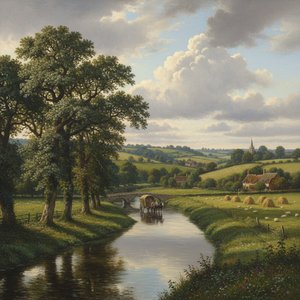
John Constable: Nature, Light & the Romantic Vision of Rural England
Explore the life & art of John Constable, the Romantic painter who revolutionized landscape with emotive scenes of rural England. Discover his techniques, legacy, and key works – perfect for collectors & enthusiasts.
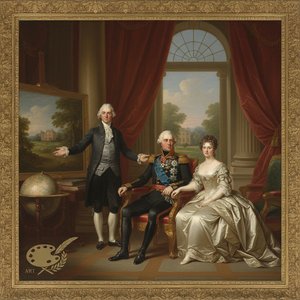
John Hoppner: Portraiture, Patronage & British Identity in the Late Georgian Era
Explore the life & work of John Hoppner, a leading Georgian portraitist. Discover his vibrant style, influential patrons, and lasting impact on British art history. Expert insights for collectors.
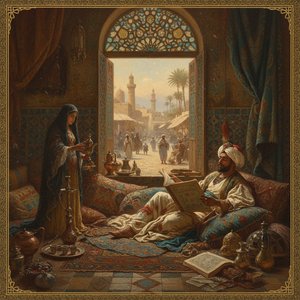
John Frederick Lewis: Orientalism, Detail & Genre Painting in 19th-Century British Art
Explore the captivating Orientalist paintings of John Frederick Lewis! Discover his mastery of detail, genre scenes & influence on 19th-century British art. Learn about his life, techniques & legacy at OriginalUniqueArt.

जॉन कॉन्स्टेबल की शीर्ष 25 कलाकृतियाँ: प्रकृति का सौंदर्य और भावनात्मक गहराई | OriginalUniqueArt
जॉन कॉन्स्टेबल की शीर्ष 25 कलाकृतियों का अन्वेषण करें! ग्रामीण इंग्लैंड के रोमांटिक परिदृश्य, हे वेन और स्टूर नदी के सुंदर चित्रण। उच्च गुणवत्ता वाले कला प्रिंट और दीवार सजावट के लिए OriginalUniqueArt.com पर संग्रह देखें।

जॉन सिंगर सार्जेंट की शीर्ष 25 कलाकृतियाँ: सुंदरता और विलासिता का संग्रह | OriginalUniqueArt
जॉन सिंगर सार्जेंट की शीर्ष 25 कलाकृतियों का अन्वेषण करें! पोर्ट्रेट, इम्प्रेशनिज्म और क्लासिक शैली में उत्कृष्ट कृतियाँ। घर के लिए विलासितापूर्ण कला प्रिंट और कैनवास पेंटिंग खरीदें। OriginalUniqueArt.com पर संपूर्ण संग्रह देखें।