

 पूर्वावलोकन देखें
 साझा करें
 साझा करें
 विस्तृत विवरण

 डाउनलोड करें
 समान कलाकृतियाँ
 एक्स-रे
 स्लाइड शो देखें
Noel in the Kitchen


 पूरा देखें
गिक्ली / आर्ट प्रिंट
तेज़ उत्पादन और विभिन्न फिनिश विकल्पों के साथ म्यूजियम-क्वालिटी गिकली (giclée) या कैनवस प्रिंट। ( हाथ से बनी पेंटिंग खरीदें छवि खरीदें)




P118B $10

P118H $10

P118W $10

P438Z $10

P508JH $12

P508YH $12

P805H $10

P805Z $10

P919BZ $10

P919G $10

P919XJ $10

P959ZH $10

P968JZ $12

W106C $8

W218G $10

W218JH $8

W218Y $10

W307PJ $10

W316G $10

W316PJ $8

W316Y $10

W398PJ $8

W4111J $10

W500HY $15

W500JH $15

W692G $12

W849H $8

W940BG $15

W953PJ $8




कलाकृति के मूल अनुपात से मेल खाने वाले हमारे पूर्व निर्धारित आकारों में से चुनें।

आप किसी विशिष्ट फ्रेम या स्थान के अनुसार अपने स्वयं के आयाम (dimensions) दर्ज कर सकते हैं। यदि आपके द्वारा चुना गया आकार मूल छवि के अनुपात से मेल नहीं खाता है, तो हम कलाकृति को क्रॉप कर देंगे या मिरर किए गए या सॉलिड-फिल किनारे के साथ छवि का विस्तार करेंगे। उत्पादन शुरू होने से पहले आपकी स्वीकृति के लिए एक डिजिटल मॉकअप भेजा जाएगा।
कृपया ध्यान दें कि स्क्रीन पर दिखने वाला प्रीव्यू वास्तविक क्रॉपिंग या विस्तार को नहीं दर्शाता है। केवल मॉकअप ही अंतिम संरचना को सटीक रूप से दिखाएगा।
हालाँकि कस्टम आकार उपलब्ध हैं, फिर भी हम मूल अनुपात बनाए रखने के लिए पूर्व-निर्धारित सूची में से एक आयाम चुनने की सलाह देते हैं।
विश्वव्यापी डिलीवरी (), मानक 4/5 सप्ताह के बजाय मात्र 2 सप्ताह में। (30 अगस्त)

दुनिया भर में मुफ़्त एक्सप्रेस शिपिंग

उच्च गुणवत्ता वाला लिनेन कैनवास

पूर्ण शिपिंग बीमा

सीमा शुल्क और आयात कर वापसी की गारंटी

सटीक रंग मिलान की गारंटी

60-दिन की वापसी नीति (केवल दोषों के लिए)

100% पैसे वापसी की गारंटी

थोक छूट का लाभ
 ग्लास का विकल्प केवल 110 सेमी से कम आकार में ही उपलब्ध है।

Noel in the Kitchen
गिक्ली / आर्ट प्रिंट
प्रतिकृति का आकार
-


कुल देय राशि
$ 80
A Domestic Symphony in Color: Joan Brown’s *Noel in the Kitchen*
Joan Brown's 1964 painting, *Noel in the Kitchen*, isn’t merely a snapshot of a domestic scene; it’s a vibrant distillation of motherhood, childhood, and the quiet rhythms of everyday life. Emerging from the heart of the Bay Area Figurative movement, Brown masterfully captures a moment of intimate connection within her San Francisco home, transforming an ordinary kitchen into a world brimming with warmth, color, and subtle symbolism. The painting immediately draws the eye with its bold palette – primary hues of red, yellow, and blue dominate, creating a sense of energetic playfulness that contrasts beautifully with the grounded subject matter.
At the center of the composition is Noel, Brown’s toddler son, positioned amidst a delightful chaos of domestic objects. He reaches towards a stack of dirty dishes in the sink, his small hand outstretched as if eager to participate in the adult world. Flanking him are two loyal dogs – a golden retriever and a terrier – their profiles rendered with affectionate detail, suggesting a deep bond within the family. The arrangement isn’t haphazard; it's carefully orchestrated, reflecting Brown’s meticulous attention to detail and her ability to imbue even the most commonplace scenes with profound meaning.
The Language of Abstraction: Technique and Style
Brown’s technique is a fascinating blend of abstraction and figuration. While the figures – Noel, the dogs, and the implied adult – are clearly recognizable, they're rendered with a loose, expressive brushstroke that prioritizes color and form over photographic realism. Thick impasto layers of paint create a tactile surface, inviting the viewer to almost feel the warmth radiating from the scene. The use of polka dots, repeated throughout the canvas, adds an element of playful abstraction, disrupting the sense of stillness and suggesting the dynamic energy of childhood.
Influenced by the Abstract Expressionists like Willem de Kooning and Jackson Pollock, Brown embraced a gestural approach to painting, allowing her emotions and experiences to flow directly onto the canvas. However, unlike the purely abstract works of these artists, *Noel in the Kitchen* retains a strong connection to the tangible world – a testament to Brown’s commitment to portraying personal narratives through recognizable imagery.
Roots in the Bay Area Figurative Movement
*Noel in the Kitchen* is deeply rooted in the context of the Bay Area Figurative movement, which flourished in California during the 1950s and 60s. This group of artists sought to break away from the dominant trends of Abstract Expressionism and explore themes related to American life – family, community, and the landscape. Brown’s work exemplifies this ethos through its focus on domestic scenes and autobiographical subjects. She was particularly influenced by Elmer Bischoff, a key figure in the movement, who encouraged her to embrace bold colors and expressive brushwork.
Furthermore, *Noel in the Kitchen* reflects Brown's own personal experiences as a mother and artist. The painting is often interpreted as a meditation on the joys and challenges of raising a child, capturing the messy beauty of everyday family life. It’s a poignant reminder that art can be found not just in grand gestures but also in the quiet moments shared within the walls of our homes.
Symbolism and Emotional Resonance
Beyond its surface appearance, *Noel in the Kitchen* is rich in symbolism. The stack of dirty dishes represents the mundane tasks of domestic life, while Noel’s outstretched hand symbolizes his desire to connect with the adult world. The dogs embody loyalty and companionship, reinforcing the sense of family unity. The bright colors evoke feelings of warmth, joy, and optimism – a celebration of the simple pleasures of childhood.
Ultimately, *Noel in the Kitchen* is a deeply moving work that speaks to the universal experience of motherhood and the enduring power of family bonds. It’s a testament to Joan Brown's artistic vision and her ability to transform ordinary moments into extraordinary works of art. The painting continues to resonate with viewers today, offering a glimpse into a world filled with love, laughter, and the quiet beauty of everyday life.
कलाकार का जीवन परिचय
साहसी रंगों से रचित एक जीवन: जोन ब्राउन की दुनिया
जोन ब्राउन की कलात्मक यात्रा निरंतर अन्वेषण की एक कहानी थी, जो रंग और रूप की भाषा में ढली आत्म-खोज की एक जीवंत और अक्सर उथल-पुथल भरी खोज थी। 1938 में सैन फ्रांसिस्को में जोन विवियन बीटी के रूप में जन्मी, उनका जीवन शुरुआती अस्थिरता से चिह्नित था जिसने उनकी कलात्मक दृष्टि को गहराई से आकार दिया। एक बिखरे हुए पारिवारिक परिवेश में बीता बचपन—जहाँ एक शराबी पिता और घरेलू जीवन से परे करियर की चाह रखने वाली माँ थी—ने उनके भीतर एक तीव्र स्वतंत्रता और अपने आंतरिक जगत को व्यक्त करने की आवश्यकता पैदा कर दी। यह भावनात्मक परिदृश्य उनकी कला की आधारशिला बना, जिसने एक अत्यंत व्यक्तिगत और आत्मकथात्मक दृष्टिकोण को जन्म दिया, जिसने उन्हें 'बे एरिया फिगुरेटिव मूवमेंट' और उससे कहीं आगे अपनी एक अलग पहचान दिलाई। उनके प्रारंभिक वर्ष कैथोलिक स्कूली शिक्षा के कड़े अनुशासन में बीते, जिसके विरुद्ध उन्होंने बाद में कलात्मक अभिव्यक्ति के माध्यम से मुक्ति पाने के लिए विद्रोह किया। कैलिफोर्निया स्कूल ऑफ फाइन आर्ट्स (अब सैन फ्रांसिस्को आर्ट इंस्टीट्यूट) वह स्थान था जहाँ ब्राउन वास्तव में निखरना शुरू हुईं; उन्होंने 1960 तक अपनी बीएफए और एमएफए दोनों डिग्रियाँ प्राप्त कीं और एल्मर बिचॉफ के रूप में एक महत्वपूर्ण गुरु पाया। उन्होंने ब्राउन को जीवन से चित्र बनाने और व्यक्तिगत अनुभवों को विषय वस्तु के रूप में अपनाने के लिए प्रोत्साहित किया—एक ऐसा मार्गदर्शन जो उनकी विशिष्ट शैली को गढ़ने में निर्णायक सिद्ध हुआ।अमूर्त अभिव्यक्तिवाद से आत्मकथात्मक आख्यानों तक
ब्राउन की प्रारंभिक कलात्मक खोज अमूर्त अभिव्यक्तिवाद (Abstract Expressionism) के क्षेत्र में शुरू हुई, जो उस समय के प्रमुख रुझानों को दर्शाती थी। हालाँकि, यह चरण केवल उस गहन आलंकारिक कार्य की ओर एक कदम मात्र था जिसके लिए वे जानी गईं। 1960 तक, एक नाटकीय परिवर्तन आया क्योंकि ब्राउन ने अपना ध्यान पहचानने योग्य रूपों को चित्रित करने की ओर केंद्रित किया, जो जीवंत रंगों, गतिशील प्रकाश और ऊर्जावान ब्रशस्ट्रोक से सराबोर थे। यह परिवर्तन केवल एक शैलीगत बदलाव नहीं था; यह आत्म-अन्वेषण के माध्यम के रूप में कला का उपयोग करने की एक गहरी प्रतिबद्धता का प्रतिनिधित्व करता था। उनके चित्र तेजी से आत्मकथात्मक होते गए, जो उनके जीवन की घटनाओं, संबंधों और भावनात्मक जटिलताओं को प्रतिबिंबित करने लगे। उन्हें उभरते हुए 'फंक आर्ट' आंदोलन के साथ एक आत्मीयता महसूस हुई, जिसमें उन्होंने इसकी चंचल बेपरवाही और कलात्मक परंपराओं के त्याग की सराहना की। इस काल में आत्म-चित्रण (Self-portraiture) पर विशेष ध्यान दिया गया, जहाँ ब्राउन ने निडर होकर अपनी पहचान का सामना किया, अक्सर खुद को सीधे और चुनौतीपूर्ण तरीकों से प्रस्तुत किया। ये केवल चेहरे की समानताएँ नहीं थीं; ये मनोवैज्ञानिक अन्वेषण थे, जो प्राचीन संस्कृतियों से लिए गए व्यक्तिगत प्रतीकों और कच्ची भावनात्मक ईमानदारी से सजे हुए थे। अपने करियर के उत्तरार्ध में, उन्होंने मूर्तिकला और मोज़ेक टाइल्स तक अपनी कलात्मक शब्दावली का विस्तार किया, जो उनकी उस बेचैन रचनात्मकता को प्रदर्शित करता था जिसने पारंपरिक सीमाओं में बंधने से इनकार कर दिया था।स्वयं, आध्यात्मिकता और बे एरिया का संदर्भ
जोन ब्राउन के कार्य के केंद्र में आत्मकथा के प्रति एक अटूट प्रतिबद्धता थी। उनके चित्र दृश्य डायरियों के रूप में कार्य करते थे, जो उनके व्यक्तिगत अनुभवों, संबंधों—विशेष रूपंत अपने पुत्र नोएल एल्मर नेरी के साथ—और विकसित होते भावनात्मक स्तरों का विवरण देते थे। यह गहन व्यक्तिगत ध्यान आध्यात्मिकता और प्राचीन संस्कृतियों, विशेष रूप से मिस्र की कला के प्रति बढ़ते आकर्षण के साथ गुंथा हुआ था, जिसने प्रतीकवाद और प्रतिमा विज्ञान का एक समृद्ध स्रोत प्रदान किया। पारिवारिक गतिशीलता उनके चित्रों के आवर्ती विषय थे, जिन्हें कोमलता और अडिग ईमानदारी दोनों के साथ चित्रित किया गया था। ब्राउन के कलात्मक प्रभाव विविध थे, जो रेम्ब्रांट, गोया और वेलास्क्वेज़ जैसे पुराने उस्तादों से लेकर पीटर वौल्कोस और फ्रैंक लोबेल जैसे समकालीन दिग्गजों तक फैले हुए थे। उन्होंने इन प्रभावों को नकल के माध्यम से नहीं, बल्कि रचनात्मक संश्लेषण की प्रक्रिया के माध्यम से आत्मसात किया, जिससे एक अनूठी दृश्य भाषा का निर्माण हुआ जो पूरी तरह से उनकी अपनी थी।- आत्मकथा: ब्राउन के कार्य का एक केंद्रीय विषय।
- आध्यात्मिकता: उनके बाद के कार्यों में आध्यात्मिकता और प्राचीन संस्कृतियों के प्रति बढ़ता रुझान दिखाई देता है।
- परिवार और संबंध: उनके पुत्र, नोएल एल्मर नेरी के चित्र उनके चित्रों के आवर्ती विषय थे।
विरासत और एक दुखद अंत
बे एरिया फिगुरेटिव मूवमेंट में जोन ब्राउन का योगदान अत्यंत महत्वपूर्ण था। उन्होंने इस समूह को आलंकारिक कला की खोज में एक अनूठी आवाज और परिप्रेक्ष्य प्रदान करके इसे एक जीवंत कला केंद्र के रूप में स्थापित करने में मदद की। चुनौतीपूर्ण विषयों को ईमानदारी और संवेदनशीलता के साथ उठाने की उनकी इच्छा ने दर्शकों के दिलों को छुआ, जिससे उन्हें एक महत्वपूर्ण अमेरिकी कलाकार के रूप में पहचान मिली। दुखद रूप से, 1990 में भारत के एक मंदिर में मोज़ेक मूर्तिकला स्थापित करते समय ब्राउन का जीवन असमय समाप्त हो गया; छत गिरने से उनके साथ उनके दो सहायकों की भी मृत्यु हो गई। इस अचानक और विनाशकारी अंत ने उनकी पहले से ही सम्मोहक कहानी में एक और मार्मिक परत जोड़ दी। हाल के वर्षों में, ब्राउन के कार्यों में फिर से रुचि जागी है, जिसे उन प्रदर्शनियों ने बढ़ावा दिया है जिन्होंने उनके चित्रों और मूर्तियों को फिर से सुर्खियों में ला दिया है। आत्म-चित्रण, आत्मकथा और आध्यात्मिकता का उनका अन्वेषण समकालीन दर्शकों को प्रभावित करना जारी रखता है, जो एक ऐसी कलाकार के रूप में उनके स्थान को सुदृढ़ करता है जिसने भीतर देखने और अपने अनुभवों को कैनवास पर अडिग ईमानदारी और लुभावने रंगों के साथ उतारने का साहस किया। उनका कार्य मानवीय स्थिति की जटिलताओं को रोशन करने की कला की शक्ति के प्रमाण के रूप में बना हुआ है। जोन ब्राउन, भले ही वे बहुत कम उम्र में चली गईं, अपनी कलात्मक विरासत की स्थायी जीवंतता और भावनात्मक गहराई के माध्यम से प्रेरित करती रहती हैं।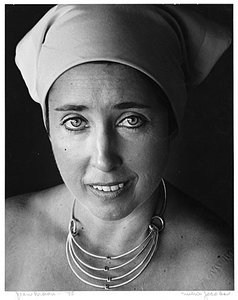
जोन ब्राउन
1938 - 1990 , संयुक्त राज्य अमेरिका
मुख्य तथ्य
- Artistic Movement Or Style: बे एरिया फिगुरेटिव, फंक आर्ट
- Artists Or Movements Influenced By This Artist: ['बे एरिया फिगुरेटिव मूवमेंट']
- Artists Who Influenced This Artist:
- एल्मर बिश्ऑफ
- रेम्ब्रैंड्ट
- गोया
- वेलास्केज़
- Date Of Birth: 1938
- Date Of Death: 1990
- Full Name: जोन ब्राउन
- Nationality: अमेरिकी
- Notable Artworks:
- शीर्षकहीन (420)
- मछली और बिल्ली के साथ आत्म-चित्र
- स्मोकर
- लक्जरी लाइनर
- Place Of Birth: सैन फ्रांसिस्को, यूएसए
संबंधित लेख
जोआन मिरो की शीर्ष 25 कलाकृतियाँ: स्वप्निल सौंदर्य और आधुनिक सजावट
जोआन मिरो की शीर्ष 25 कलाकृतियों का अन्वेषण करें! स्पेनिश Surrealism के जादू, अमूर्त रंगों और कैटलन संस्कृति से प्रेरित पेंटिंग देखें। OriginalUniqueArt.com पर उच्च गुणवत्ता वाले कला प्रिंट और घर की सजावट के विचार खोजें।
Rosy Brown Hues: 10 Master Paintings & Timeless Decor Ideas |
Explore 10 iconic paintings bathed in captivating rosy brown tones! From Rembrandt to Titian, discover the stories behind these masterpieces & their warm color palettes. Find museum-quality art reproductions and decor inspiration at .
Sandy Brown Masterpieces: 10 Iconic Paintings & Timeless Decor Ideas
Explore 10 iconic paintings bathed in captivating sandy brown tones! From Rembrandt to Monet, discover the stories behind these timeless masterpieces & find museum-quality art reproductions for your home. Explore the full collection on OriginalUniqueArt.com.
John George Brown: Capturing American Life & Sentiment in 19th-Century Genre Painting
Explore the captivating genre paintings of John George Brown, celebrated for his realistic depictions of 19th-century American life. Discover his legacy & find museum-quality reproductions at OriginalUniqueArt.
Earthy Hues & Masterpieces: Top 10 Paintings with 'Mushroom' Tones |
Explore 10 iconic paintings with captivating 'mushroom' tones! Discover Van Gogh, Monet & Rembrandt’s masterpieces—earthy palettes, rich history & artistic techniques. Find museum-quality art reproductions and curated decor ideas at

