पूर्वावलोकन देखें
 भेजें
भेजें साझा करें
 विवरण देखें
 मार्गदर्शिका

 डाउनलोड करें
 समान वस्तुएं
 एक्स-रे
 स्लाइड शो देखें
 आंकड़े
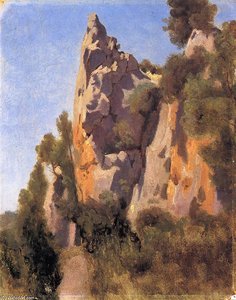
Seated Monk Reading
 Acrylic On Canvas
- WallArt
- Romantic Landscape Painting
 1865
1865 73.0 x 50.0 cm
 और पढ़ें
गिक्ली / आर्ट प्रिंट
तेज़ उत्पादन और विभिन्न फिनिश विकल्पों के साथ म्यूजियम-क्वालिटी गिकली (giclée) या कैनवस प्रिंट। ( हाथ से बनी पेंटिंग खरीदें डिजिटल इमेज पर जाएँ)




P118B $10

P118H $10

P118W $10

P438Z $10

P508JH $12

P508YH $12

P805H $10

P805Z $10

P919BZ $10

P919G $10

P919XJ $10

P959ZH $10

P968JZ $12

W106C $8

W218G $10

W218JH $8

W218Y $10

W307PJ $10

W316G $10

W316PJ $8

W316Y $10

W398PJ $8

W4111J $10

W500HY $15

W500JH $15

W692G $12

W849H $8

W940BG $15

W953PJ $8




कलाकृति के मूल अनुपात से मेल खाने वाले हमारे पूर्व निर्धारित आकारों में से चुनें।

आप किसी विशिष्ट फ्रेम या स्थान के अनुसार अपने स्वयं के आयाम (dimensions) दर्ज कर सकते हैं। यदि आपके द्वारा चुना गया आकार मूल छवि के अनुपात से मेल नहीं खाता है, तो हम कलाकृति को क्रॉप कर देंगे या मिरर किए गए या सॉलिड-फिल किनारे के साथ छवि का विस्तार करेंगे। उत्पादन शुरू होने से पहले आपकी स्वीकृति के लिए एक डिजिटल मॉकअप भेजा जाएगा।
कृपया ध्यान दें कि स्क्रीन पर दिखने वाला प्रीव्यू वास्तविक क्रॉपिंग या विस्तार को नहीं दर्शाता है। केवल मॉकअप ही अंतिम संरचना को सटीक रूप से दिखाएगा।
हालाँकि कस्टम आकार उपलब्ध हैं, फिर भी हम मूल अनुपात बनाए रखने के लिए पूर्व-निर्धारित सूची में से एक आयाम चुनने की सलाह देते हैं।
विश्वव्यापी डिलीवरी (), मानक 4/5 सप्ताह के बजाय मात्र 2 सप्ताह में। (25 सितमबर)

दुनिया भर में मुफ़्त एक्सप्रेस शिपिंग

प्रीमियम ग्रेड लिनेन कैनवास

पूर्ण शिपिंग बीमा

सीमा शुल्क और आयात कर वापसी की गारंटी

सटीक रंग मिलान की गारंटी

100 दिनों की वापसी नीति (केवल निर्माण दोष होने पर)

100% पैसे वापसी की गारंटी

थोक छूट का अवसर
 ग्लास का विकल्प केवल 110 सेमी से कम आकार में ही उपलब्ध है।

Seated Monk Reading
गिक्ली / आर्ट प्रिंट
प्रतिकृति का आकार
-


कुल मूल्य
$ 80
A Moment of Reflection: Jean-Baptiste-Camille Corot’s “Seated Monk Reading”
Jean-Baptiste- Camille Corot (1796 – 1875), a titan amongst French landscape painters, wasn't merely documenting the beauty of his surroundings; he was striving to capture its essence—the elusive dance of light and atmosphere that defines the sublime. His masterpiece, “Seated Monk Reading,” exemplifies this ambition perfectly, offering viewers an intimate glimpse into a contemplative state amidst the serene grandeur of rural France. Painted in 1865, this oil painting transcends mere representation, becoming a profound meditation on stillness, intellect, and connection with nature.Subject Matter and Composition
The artwork depicts a solitary monk seated upon a weathered wooden bench beneath a canopy of mature trees—a motif recurrent throughout Corot’s oeuvre. The figure is positioned centrally within the frame, bathed in dappled sunlight filtering through the foliage. This careful compositional choice isn't accidental; it underscores the painting’s core theme: solitude and introspection. The monk’s posture – head bowed, book held open – speaks volumes about his absorbed focus, inviting contemplation on the act of reading itself as a conduit to inner peace. Beyond the central figure, distant mountains loom in the background, establishing a panoramic vista that reinforces the grandeur of the natural world and subtly hinting at the monk's place within it.Style and Technique: Impressionistic Echoes
While firmly rooted in Romantic tradition, “Seated Monk Reading” possesses unmistakable stylistic affinities with the burgeoning Impressionist movement. Corot eschews harsh outlines and precise detailing characteristic of Neoclassicism, favoring instead soft brushstrokes and blended pigments to achieve a velvety texture that captures the subtle nuances of light. The artist skillfully employs *plein air* painting—working directly from nature—a technique championed by Monet and others—to faithfully reproduce the luminosity of the scene. Corot’s masterful manipulation of color – predominantly muted browns, greens, and ochres – contributes to the painting's tranquil mood and enhances its atmospheric depth. The artist’s deliberate blurring of edges creates a hazy effect that softens the contours of the landscape and imbues it with an ethereal quality.Historical Context: Bridging Romanticism and Impressionism
Corot’s work emerged during a pivotal period in artistic history—the transition from Romantic idealism to Impressionistic realism. Artists like Corot were grappling with how best to represent the subjective experience of perception, moving away from idealized depictions toward capturing fleeting moments of visual sensation. “Seated Monk Reading” embodies this shift by prioritizing mood and atmosphere over meticulous accuracy. It anticipates the Impressionists’ focus on capturing the immediacy of light and color—a revolutionary departure from academic conventions that would reshape the landscape of European painting for decades to come. The painting's appearance coincided with a growing interest in psychological realism, reflecting broader societal anxieties about identity and spirituality during the Victorian era.Symbolism: Quiet Contemplation and Spiritual Harmony
The monk himself serves as a potent symbol—representing wisdom, piety, and detachment from worldly concerns. His act of reading symbolizes intellectual pursuit and engagement with profound ideas, mirroring Corot’s own lifelong fascination with philosophical contemplation. The surrounding landscape embodies the Romantic ideal of communion with nature—a belief that beauty could inspire moral upliftment and foster spiritual harmony. The muted palette reinforces this symbolic resonance, conveying a sense of serenity and inner peace—a visual embodiment of contemplative thought.Emotional Impact: A Balm for the Soul
“Seated Monk Reading” transcends mere aesthetic pleasure; it evokes a deep emotional response in viewers. Its tranquil atmosphere invites reflection on themes of solitude, mindfulness, and connection with the natural world. The painting’s soft textures and luminous colors soothe the senses—creating a visual experience that is both calming and intellectually stimulating. It speaks to our innate desire for stillness amidst the chaos of modern life—offering a timeless reminder of the beauty and significance of quiet contemplation. This artwork remains an enduring testament to Corot's ability to transform observation into profound artistic expression, securing its place as one of the most evocative landscapes of the Romantic era.कलाकार का परिचय
Jean-Baptiste-Camille Corot: प्रकाश और परिदृश्य का एक जीवन
Jean-Baptiste-Camille Corot, 19वीं सदी के फ्रांसीसी परिदृश्य चित्रकला के शांत सौंदर्य के साथ एक नाम जो प्रतिध्वनित होता है, का जन्म 16 जुलाई, 1796 को पेरिस में एक आरामदायक पैरिसियन बुर्जुआ परिवार में हुआ था। हालाँकि शुरू में उसे वाणिज्यिक रास्ते पर ले जाने की कोशिश की गई थी, भाग्य – और शायद एक सहज कलात्मक संवेदनशीलता – ने हस्तक्षेप किया। उनके शुरुआती वर्षों को एक असामान्य परवरिश से चिह्नित किया गया था; चार साल की उम्र तक एक नर्स द्वारा ल’इस्ल-एडम के पास ग्रामीण इलाकों में 맡겨 दिए जाने के बाद, उन्होंने प्रकृति के साथ एक गहरा संबंध विकसित किया जिसने उनकी कलात्मक दृष्टि को हमेशा के लिए आकार दिया। यह प्रारंभिक ग्रामीण शांति व्यस्त शहर जीवन के विपरीत थी जिसका इंतजार उन्हें था, फिर भी इसने प्रकाश और वातावरण की क्षणिक गुणों को पकड़ने के लिए आजीवन खोज की नींव रखी। उनके माता-पिता, सफल मिलिनर्स, ने वित्तीय स्थिरता प्रदान की, जिससे Corot को अपने बढ़ते जुनून को पेंटिंग के लिए समर्पित करने की स्वतंत्रता मिली, उस युग के महत्वाकांक्षी कलाकारों के लिए एक दुर्लभ विशेषाधिकार – एक जीविकोपार्जन के तत्काल दबावों के बिना पूरी तरह से कलात्मक प्रशिक्षण में खुद को समर्पित करने में सक्षम। यह समर्थन महत्वपूर्ण था, जिससे उन्हें अपनी प्रतिभा का पोषण करने और अपने सपनों को साकार करने का अवसर मिला।शैक्षणिक नींव से लेकर प्लेन-एयर नवाचार तक
Corot की औपचारिक कलात्मक शिक्षा Achille Etna Michallon और बाद में Jean-Victor Bertin के अधीन अध्ययन के साथ शुरू हुई, दोनों ही सम्मानित परिदृश्य चित्रकार जो नवशास्त्रीय परंपरा में डूबे हुए थे। इसने उन्हें रचना और रूप के प्रति एक सावधानीपूर्वक दृष्टिकोण स्थापित किया, स्पष्टता और संरचना पर जोर दिया। हालाँकि, Corot केवल स्थापित शैलियों की नकल करने से संतुष्ट नहीं था; वह कुछ अधिक प्रामाणिक, प्रकृति के भीतर विसर्जित होने का एहसास व्यक्त करने का एक तरीका चाहता था। एक महत्वपूर्ण क्षण 1825 में इटली की अपनी पहली यात्रा के साथ आया। रोमन कैम्पाना, सुनहरे प्रकाश में नहाया हुआ और इतिहास से भरा हुआ, ने उसकी कल्पना को प्रज्वलित किया। उन्होंने वर्षों तक स्केचिंग और पेंटिंग en plein air – सीधे प्रकृति से – एक ऐसी प्रथा बिताई जो उस समय अपेक्षाकृत असामान्य थी। यह प्रत्यक्ष अवलोकन के प्रति समर्पण उन्हें प्रकाश और छाया के सूक्ष्म बारीकियों, वायुमंडलीय प्रभावों को पकड़ने की अनुमति देता था जो उनकी शैली की पहचान बन जाएंगे। वह केवल स्थलाकृतिक विवरण रिकॉर्ड नहीं कर रहे थे; वे एक मनोभाव, शांति और सद्भाव की भावना व्यक्त करने का प्रयास कर रहे थे। उनके शुरुआती इतालवी कार्यों में शास्त्रीय आदर्शों से प्रभावित रूप और पैलेट की स्पष्टता प्रदर्शित होती है, फिर भी यह उनकी परिपक्व शैली को परिभाषित करने वाले नरम, अधिक उत्तेजक दृष्टिकोण के संकेत देते हैं। उन्होंने रोमन दीर्घाओं में अपने काम की नकल करते हुए, मास्टर्स का सावधानीपूर्वक अध्ययन किया, लेकिन हमेशा अपनी प्रकृति के प्रति बढ़ती संवेदनशील धारणा के माध्यम से इन पाठों को फ़िल्टर किया।परंपराओं के बीच एक सेतु
Corot का कलात्मक विकास रैखिक नहीं था; यह परंपरा और नवाचार के बीच एक नाजुक संतुलन था। उन्होंने नियमित रूप से पेरिस सैलून में प्रदर्शन किया, शुरू में नवशास्त्रीय सम्मेलनों में निहित कार्यों के लिए मान्यता प्राप्त की। हालाँकि, जैसे-जैसे उन्होंने en plein air पेंटिंग का पता लगाना जारी रखा, उनकी शैली विकसित होने लगी। उन्होंने अत्यधिक परिष्कृत, विस्तृत रचनाओं से ढीले ब्रशवर्क और अधिक म्यूटेड पैलेट की ओर रुख किया। यह शैक्षणिक सिद्धांतों को पूरी तरह से अस्वीकार नहीं था; बल्कि, यह प्रत्यक्ष अवलोकन की तात्कालिकता और भावनात्मक प्रतिध्वनि के साथ उन्हें इंजेक्ट करने का प्रयास था। वह टोनलिज्म के मास्टर बन गए, गहराई और वातावरण बनाने के लिए मूल्य में सूक्ष्म विविधताओं का उपयोग करते हुए। उनके परिदृश्य नाटकीय कथाओं या भव्य इशारों के बारे में नहीं थे; वे शांत चिंतन, सामान्य दृश्यों की सुंदरता - एक वन गुफा, धूप से सराबोर घास का मैदान, एक शांत नदी तट के बारे में थे। यह दृष्टिकोण 19वीं सदी के फ्रांस के तेजी से औद्योगिकीकरण और सामाजिक उथल-पुथल से राहत पाने की तलाश करने वाले बढ़ते दर्शकों के साथ प्रतिध्वनित हुआ। उन्होंने यथार्थवाद के साथ लगभग काव्यात्मक संवेदनशीलता को कुशलतापूर्वक जोड़ा, ऐसे परिदृश्य बनाए जो परिचित और गहराई से व्यक्तिगत दोनों महसूस करते थे। वह भव्य घोषणाएँ या राजनीतिक बयान देने में रुचि नहीं रखते थे; उनकी कला साधारण में सुंदरता खोजने के बारे में थी, सामान्य को शांत चिंतन के दायरे में ऊंचा करना।विरासत और स्थायी प्रभाव
Jean-Baptiste-Camille Corot का बाद की पीढ़ियों के कलाकारों पर प्रभाव असीम है। उन्होंने नवशास्त्रीय परंपरा और उभरते हुए प्रभाववादी आंदोलन के बीच एक महत्वपूर्ण कड़ी के रूप में काम किया। मोनेट, पिस्सारो और सिस्ले जैसे कलाकारों ने प्रकाश और वातावरण के क्षणिक प्रभावों को पकड़ने की उनकी क्षमता की गहरी प्रशंसा की, और उन्होंने अपने अभूतपूर्व कार्य में उनके नवाचारों पर निर्माण किया। Corot का प्रत्यक्ष अवलोकन और en plein air पेंटिंग पर जोर प्रभाववादियों के स्टूडियो-आधारित प्रथाओं से कट्टरपंथी प्रस्थान के लिए मार्ग प्रशस्त करता है। हालाँकि, Corot केवल प्रभाववाद के अग्रदूत नहीं थे; वह अपने अधिकार में एक अनूठा और महत्वपूर्ण कलाकार थे। उनके विशाल आउटपुट - परिदृश्य, पोर्ट्रेट और फिगर स्टडी को शामिल करते हुए - अपनी शांत सुंदरता और भावनात्मक गहराई के साथ दर्शकों को मोहित करना जारी रखते हैं। उनके काम दुनिया भर के प्रमुख संग्रहालयों में पाए जा सकते हैं, जिनमें Dunkirk और Ornans, फ्रांस में Musée des Beaux-Arts के साथ-साथ लंदन में नेशनल गैलरी और न्यूयॉर्क में मेट्रोपॉलिटन म्यूजियम ऑफ आर्ट शामिल हैं। 22 फरवरी, 1875 को उनकी मृत्यु हो गई, जिससे एक विरासत पीछे छूट गई जो कलाकारों और कला प्रेमियों दोनों को प्रेरित करती रहती है - कला के इतिहास में एक महत्वपूर्ण व्यक्ति होने का प्रमाण। द रिपोज, इंटरप्टेड रीडिंग, और एगोस्टिना उनकी महारत के प्रतिष्ठित उदाहरण बने हुए हैं, जो उनके विषयों के भौतिक दुनिया और आंतरिक जीवन दोनों को उल्लेखनीय संवेदनशीलता और अनुग्रह के साथ पकड़ने की क्षमता का प्रदर्शन करते हैं। उनका प्रभाव पेंटिंग से परे तक फैला हुआ है; उन्होंने कलात्मक स्वतंत्रता की भावना को बढ़ावा दिया और युवा कलाकारों को अपनी आवाज खोजने के लिए प्रोत्साहित किया, जिससे उनकी कला के इतिहास में एक महत्वपूर्ण व्यक्ति के रूप में उनकी जगह मजबूत हुई।
कैमिल कोरतो
1796 - 1875 , फ्रांस
संक्षिप्त जानकारी
- कलात्मक शैली: यथार्थवाद, प्रभाववाद
- जन्म तिथि: 16 जुलाई 1796
- जन्म स्थान: पेरिस, फ्रांस
- पूरा नाम: जीन-बैप्टिस्ट-कैमिल कोरो
- प्रभावित आंदोलन:
- मोनेट
- पिस्सारो
- सिसले
- प्रभाववाद
- प्रभावित कलाकार:
- मिचालोन
- बर्टिन
- प्रमुख कलाकृतियाँ:
- द रिपोज
- ईल फिशर्स
- मृत्यु तिथि: 22 फरवरी 1875
- राष्ट्रीयता: फ्रांसीसी