
 पूर्वावलोकन देखें
 साझा करें
 साझा करें
 विस्तृत विवरण
 मार्गदर्शिका

 डाउनलोड करें
 समान वस्तुएं
 एक्स-रे
 स्लाइड शो देखें
 प्रश्न और उत्तर
 आंकड़े
Still-Life

- 86.0 x 68.0 cm


 पूरा देखें
गिक्ली / आर्ट प्रिंट
तेज़ उत्पादन और विभिन्न फिनिश विकल्पों के साथ म्यूजियम-क्वालिटी गिकली (giclée) या कैनवस प्रिंट। ( इस संग्रहणीय वस्तु की हाथ से बनी प्रतिकृति मंगवाएं डिजिटल इमेज पर स्विच करें)




P118B ₹10

P118H ₹10

P118W ₹10

P438Z ₹10

P508JH ₹12

P508YH ₹12

P805H ₹10

P805Z ₹10

P919BZ ₹10

P919G ₹10

P919XJ ₹10

P959ZH ₹10

P968JZ ₹12

W106C ₹8

W218G ₹10

W218JH ₹8

W218Y ₹10

W307PJ ₹10

W316G ₹10

W316PJ ₹8

W316Y ₹10

W398PJ ₹8

W4111J ₹10

W500HY ₹15

W500JH ₹15

W692G ₹12

W849H ₹8

W940BG ₹15

W953PJ ₹8




कलाकृति के मूल अनुपात से मेल खाने वाले हमारे पूर्व निर्धारित आकारों में से चुनें।

अपने फ्रेम या अपनी दीवार के अनुसार आवश्यक चौड़ाई और ऊंचाई दर्ज करें। प्रिंट को केवल काटा जा सकता है, चित्र से बड़ा कभी नहीं बनाया जा सकता, इसलिए अलग आकार का साइज चित्र का एक हिस्सा खो देता है। किसी भी चीज़ को प्रिंट करने से पहले हम आपकी स्वीकृति के लिए आपको एक डिजिटल मॉकअप भेजते हैं। इस पृष्ठ पर दिखाया गया चित्र वास्तविक कटिंग नहीं दिखाता है — केवल मॉकअप ही इसे दर्शाता है।
विश्वव्यापी डिलीवरी (), मानक 4/5 सप्ताह के बजाय मात्र 2 सप्ताह में। (11 नवमबर)

दुनिया भर में मुफ़्त एक्सप्रेस शिपिंग

उच्च गुणवत्ता वाला लिनेन कैनवास

पूर्ण शिपिंग बीमा

सीमा शुल्क और आयात कर वापसी की गारंटी

सटीक रंग मिलान की गारंटी

100 दिनों की वापसी नीति (केवल दोष होने पर)

100% पैसे वापसी की गारंटी

थोक छूट का अवसर
 ग्लास का विकल्प केवल 110 सेमी से कम आकार में ही उपलब्ध है।

Still-Life
गिक्ली / आर्ट प्रिंट
प्रतिकृति का आकार
-


कुल देय राशि
₹ 7768
A Glimpse into Baroque Grandeur: Jan Weenix’s “Still Life with a Monkey”
Jan Weenix's "Still Life with a Monkey," painted around 1697, is more than just a depiction of fruit and game; it’s a meticulously crafted window into the opulent world of Dutch Golden Age society. This remarkable piece, currently housed within the Hermitage Museum in St. Petersburg, Russia, offers a captivating blend of realism, theatricality, and subtle symbolism that continues to intrigue viewers centuries after its creation. Weenix, trained by his father Jan Baptist Weenix – himself a master of animal and still life painting – inherited a legacy of artistic precision and an appreciation for the natural world, but he quickly established his own distinctive style characterized by dramatic lighting, rich textures, and a keen eye for detail.
The composition immediately draws the viewer’s attention to a striking monkey perched on a ledge within a richly appointed interior. This isn't merely a decorative element; the monkey is the focal point, radiating an almost mischievous energy as it holds an apple in its hand. Surrounding this central figure are an abundance of carefully arranged objects: luscious grapes spilling from a basket, a plump pear glistening with ripeness, and a selection of game birds – a pheasant, a partridge, and a dove – all rendered with astonishing realism. The background is equally elaborate, featuring a large bird being plucked by two smaller birds, creating a dynamic and slightly unsettling tableau. The entire scene unfolds against the backdrop of a grand room, hinting at wealth and status—a testament to Weenix’s ability to seamlessly integrate elements of both naturalism and interior design.
Technique and Materials: A Masterclass in Baroque Realism
Weenix's mastery lies not only in his subject matter but also in his technical execution. He employed the oil painting technique with exceptional skill, layering thin glazes to achieve a remarkable sense of depth and luminosity. Notice how he captures the textures of the fruit – the velvety skin of the pear, the plumpness of the grapes – using subtle variations in color and brushstroke. The lighting is dramatic and carefully considered, casting strong shadows that accentuate the forms and create a sense of three-dimensionality. The use of chiaroscuro—the contrast between light and dark—is particularly effective in highlighting the monkey’s posture and drawing attention to its expressive face.
Furthermore, Weenix's meticulous observation of nature is evident throughout the painting. He studied animal anatomy with a keen eye, capturing their movements and expressions with remarkable accuracy. The arrangement of the game birds suggests a successful hunt, reflecting the importance of hunting in Dutch society at the time. The inclusion of the monkey adds an element of surprise and intrigue, hinting at the exotic and worldly influences that were increasingly prevalent in the Netherlands during the 17th century.
Symbolism and Context: A Window into Dutch Society
Beyond its aesthetic beauty, “Still Life with a Monkey” is rich in symbolism. The monkey itself has been interpreted as representing various concepts – from folly and deception to the fleeting nature of pleasure. Its holding of the apple can be seen as an allusion to the biblical story of Adam and Eve, suggesting a cautionary tale about temptation and indulgence. The presence of the hunting scene reflects the importance of hunting in Dutch society, not just for sustenance but also as a demonstration of wealth and status. The grand interior setting underscores the prosperity and sophistication of the merchant class who commissioned such elaborate artworks.
Painted during the Baroque period, this work embodies many of the key characteristics of the style: dramatic lighting, rich colors, complex compositions, and an emphasis on realism. However, Weenix’s approach is distinct from that of other Baroque painters, particularly in his use of light and shadow to create a sense of depth and atmosphere. The painting also reflects the growing interest in natural history and scientific observation during this period, as artists sought to accurately depict the world around them.
A Timeless Masterpiece: Reproductions and Beyond
Today, “Still Life with a Monkey” remains one of Jan Weenix’s most celebrated works. Its captivating composition, masterful technique, and rich symbolism continue to resonate with viewers centuries after its creation. High-quality reproductions offer an accessible way to appreciate the beauty and complexity of this remarkable painting. Whether displayed in a grand salon or a cozy corner, a reproduction of “Still Life with a Monkey” can bring a touch of Baroque grandeur into any setting, serving as a reminder of the artistic brilliance of the Dutch Golden Age.
प्रश्न और उत्तर
जान वीनिक्स द्वारा "Still-Life" में कला आंदोलन और युग का संगम कैसे दिखाई देता है?
जान वीनिक्स द्वारा "Still-Life" में, Baroque आंदोलन और प्रारंभिक आधुनिक काल युग का संगम होता है।
जान वीनिक्स द्वारा "Still-Life" में रंगों का सामंजस्य कैसा है?
जान वीनिक्स द्वारा "Still-Life" में एक Balanced Harmony रंग सामंजस्य प्रदर्शित होता है।
"Still-Life" की कॉपीराइट स्थिति ऐसी क्यों है?
जान वीनिक्स द्वारा "Still-Life" अब सार्वजनिक डोमेन में - इसका कॉपीराइट समाप्त हो चुका है है। कॉपीराइट की अवधि कलाकार की मृत्यु से गिनी जाती है, जिनका निधन 1719 में हुआ था।
कलाकार की जीवनी
डच यथार्थवाद की एक विरासत: जान वीनिक्स का जीवन और कला
1641 में एम्स्टर्डम में जन्मे जान वीनिक्स, कलात्मक परंपराओं से समृद्ध एक वंश से उभरे थे, जिन्होंने अपने पिता, प्रतिष्ठित जान बैप्टिस्ट वीनिक्स से चित्रकला के प्रति गहरा जुनून विरासत में प्राप्त किया। हालांकि उनके प्रारंभिक वर्षों के सटीक विवरण कुछ हद तक रहस्यमय हैं, लेकिन यह स्पष्ट है कि युवा जान ने अपने पिता की कार्यशाला में बुनियादी प्रशिक्षण प्राप्त किया था, जहाँ उन्होंने स्टिल लाइफ और पशु विषयों को चित्रित करने के लिए महत्वपूर्ण तकनीकों को आत्मसात किया—जो डच स्वर्ण युग की कलात्मकता की एक प्रमुख विशेषता थी। यह पारिवारिक प्रभाव केवल तकनीकी नहीं था; इसने प्रकृति के सूक्ष्म अवलोकन के प्रति एक गहरी प्रशंसा और उसकी सुंदरता को आश्चर्यजनक यथार्थवाद के साथ प्रस्तुत करने की प्रतिबद्धता विकसित की। बड़े वीनिक्स की अपनी कलात्मक यात्रा, जिसमें इटली के प्रवास शामिल थे जिसने उनके काम में इतालवी संवेदनशीलता का संचार किया, ने निस्संदेह जान के विकसित होते सौंदर्यबोध को भी आकार दिया। हालाँकि शुरुआत में वे अपने पिता की प्रतिष्ठा के साये में रहे, लेकिन जान ने जल्द ही खुद को अलग पहचान दी और 17वीं शताब्दी की डच चित्रकला के जीवंत परिदृश्य के भीतर एक अनूठा मार्ग बनाया।एक बारोक शैली का उत्कर्ष
वीनिक्स की कलात्मक शैली बारोक काल के चरमोत्कर्ष के दौरान फली-फूली, और यह उस युग के नाटकीयता, समृद्ध विवरण और गतिशील संरचना के प्रति झुकाव को दर्शाती है। वे एकांत में कार्य नहीं कर रहे थे; समुद्री चित्रों के लिए प्रसिद्ध हेनरिक कॉर्नलिज़ व्रूम और संभावित रूप से मेलचियोर डी होंडेकोटर और गिलिस क्लैज़ डी'होंडेकोटर जैसे अन्य पशु-विशेषज्ञों का प्रभाव उनके दृष्टिकोण को सूक्ष्मता से सूचित करता था। हालाँकि, वीनिक्स ने इन प्रेरणाओं को एक ऐसी शैली में पिरोया जो स्पष्ट रूप से उनकी अपनी थी। उनके कैनवस बनावट के चित्रण में लगभग फोटोग्राफिक सटीकता द्वारा पहचाने जाते हैं—पंखों की चमक, फर की कोमलता, फलों की नाजुक पारदर्शिता—यह सब कुशल ब्रशवर्क और प्रकाश एवं छाया की गहरी समझ के माध्यम से प्राप्त किया गया था। कियारोस्क्यूरो, यानी प्रकाश और अंधकार के बीच का नाटकीय खेल, गहराई और दृश्य रुचि पैदा करने के लिए उपयोग किया जाता है, जो दर्शक को सम्मोहक यथार्थवाद के साथ दृश्य में खींच लेता है। एक जीवंत रंग पैलेट उनके विषयों को और अधिक सजीव बनाता है, जिससे उनमें तात्कालिकता और प्राणशक्ति का संचार होता है। उनके पास फ्रेम के भीतर तत्वों को व्यवस्थित करने का असाधारण कौशल था, जिससे संतुलित और सामंजस्यपूर्ण रचनाएँ बनती थीं जो दृश्य रूप से आकर्षक और कथात्मक रूप से आकर्षक दोनों थीं।मास्टरपीस और संरक्षण
अपने पूरे करियर के दौरान, जान वीनिक्स ने तकनीकी प्रतिभा और मनमोहक विषय वस्तु के लिए प्रसिद्ध कार्यों का एक बड़ा संग्रह तैयार किया। हंटिंग एंड फ्रूट स्टिल लाइफ नेक्स्ट टू अ गार्डन वास (1ंत14) जैसे चित्र विविध तत्वों—शिकार के पक्षी, रसीले फल, स्थापत्य विवरण—को एक जटिल और दृष्टिगत रूप से आश्चर्यजनक व्यवस्था में सहजता से एकीकृत करने की उनकी क्षमता का उदाहरण देते हैं। स्टिल लाइफ विद अ हेयर एंड अदर गेम (1697) पशु शरीर रचना और बनावट पर उनके प्रभुत्व को प्रदर्शित करता है, जो अपने विषयों की सजीव गुणवत्ता को उल्लेखनीय सटीकता के साथ पकड़ता है। यहाँ तक कि छोटे कार्य, जैसे कि अ सीटेड मंकी (1685 से पहले), जानवरों में व्यक्तित्व और अभिव्यंजक चरित्र भरने की उनकी प्रतिभा को प्रकट करते हैं। यह कौशल प्रमुख संरक्षकों की नज़र से नहीं बचा। 1702 में, वीनिक्स को जोहान विल्हेम, इलेक्टर पैलेटाइन के दरबार में एक निमंत्रण प्राप्त हुआ, जहाँ उन्होंने अन्य प्रसिद्ध कलाकारों के साथ काम किया, और श्लॉस बेन्सबर्ग के लिए बड़े पैमाने पर शिकार के दृश्य बनाए—जो उनकी बढ़ती प्रतिष्ठा और कलात्मक कौशल का प्रमाण था। इन नियुक्तियों ने उन्हें वित्तीय सुरक्षा और अपने कौशल को और अधिक परिष्कृत करने के अवसर प्रदान किए।डच कला पर एक स्थायी प्रभाव
जान वीनिक्स ने बारोक काल के दौरान शिकार के स्टिल लाइफ और गेम पेंटिंग को लोकप्रिय बनाने में महत्वपूर्ण भूमिका निभाई, जिससे इन शैलियों को केवल सजावट से ऊपर उठाया गया। उनके कार्यों की संग्राहकों द्वारा अत्यधिक मांग की जाती थी, जिसने डच कलात्मक परंपराओं के विकास में महत्वपूर्ण योगदान दिया। उन्होंने प्रकृति की केवल नकल नहीं की; उन्होंने इसे अपने अनूठे लेंस के माध्यम से व्याख्यायित किया, अपनी पेंटिंग्स को यथार्थवाद, नाटक और सौंदर्य की भावना से भर दिया जो समकालीन दर्शकों के साथ गहराई से प्रतिध्वनित हुई। उनकी विरासत उनके अपने सृजनों से परे तक फैली हुई है; उनकी बेटी, मारिया वीनिक्स ने एक कुशल फूल चित्रकार के रूप में पारिवारिक परंपरा को जारी रखा, यह सुनिश्चित करते हुए कि वीनिक्स नाम आने वाली पीढ़ियों तक कलात्मक उत्कृष्टता का पर्याय बना रहे। आज, जान वीनिक्स की पेंटिंग्स दुनिया भर के संग्रहालयों और निजी संग्रहों में सहेजी गई हैं, जो प्राकृतिक दुनिया के अपने मास्टरफुल चित्रण के साथ कलाकारों को प्रेरित करना और दर्शकों को मंत्रमुग्ध करना जारी रखती हैं—जो डच कला इतिहास के समृद्ध ताने-बाने में उनके स्थायी योगदान का प्रमाण है।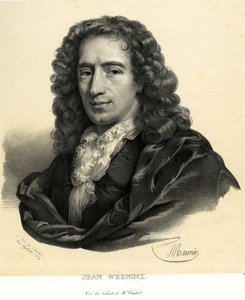
जान वीनिक्स
1641 - 1719 , नीदरलैंड
प्रमुख तथ्य
- Artistic Movement Or Style: डच बारोक
- Artists Or Movements Influenced By This Artist: ['मारिया वीनीक्स']
- Artists Who Influenced This Artist:
- जान बैपटिस्ट वीनीक्स
- हेनरिक वूम
- Date Of Birth: 1641
- Date Of Death: 1719
- Full Name: जान वीनीक्स
- Nationality: डच
- Notable Artworks:
- शिकार और फल स्टिल लाइफ
- खरगोश के साथ स्टिल लाइफ
- एक बैठा हुआ बंदर
- सफेद मोर
- Place Of Birth: एम्स्टर्डम, नीदरलैंड
संबंधित लेख
Abraham Hendricksz van Beyeren: Pioneering Dutch Still Life & the Banquet Tradition
Explore the captivating world of Dutch Golden Age still life with Abraham van Beyeren. Discover his innovative techniques, symbolic banquet scenes & lasting influence on art history. Learn about collecting these masterpieces.
Jan Steen: A Master of Dutch Genre Painting & the Golden Age
Explore the life & art of Jan Steen, a leading Dutch Golden Age painter renowned for his humorous genre scenes & insightful social commentary. Discover his techniques, legacy, and collecting tips.

Jan Jansz Wijnants: A Study in Dutch Golden Age Still Life & Floral Transience
Explore the captivating world of Jan Wijnants and Dutch Golden Age still life painting. Discover symbolism, masterful techniques & lasting influence on floral art history. Learn more!

Golden Age Reflections: Dutch Baroque Painting & Cultural Innovation
Explore the Dutch Golden Age of painting! Discover key artists like Vermeer & ter Borch, their innovative techniques, and the rich cultural context behind these Baroque masterpieces. Learn about collecting & appreciating this iconic art period.

Dutch Baroque Masters: 10 Paintings That Shaped an Era | OriginalUniqueArt
Journey through the Golden Age with our guide to the Top 10 Dutch Baroque masterpieces! Explore iconic paintings by Rembrandt, Vermeer & Frans Hals. Find museum-quality art reproductions and elevate your home decor at OriginalUniqueArt.com.

