
 पूर्वावलोकन देखें
 भेजें
भेजें साझा करें
 विवरण देखें
 मार्गदर्शिका

 डाउनलोड करें
 समान वस्तुएं
 एक्स-रे
 स्लाइड शो देखें
 आंकड़े
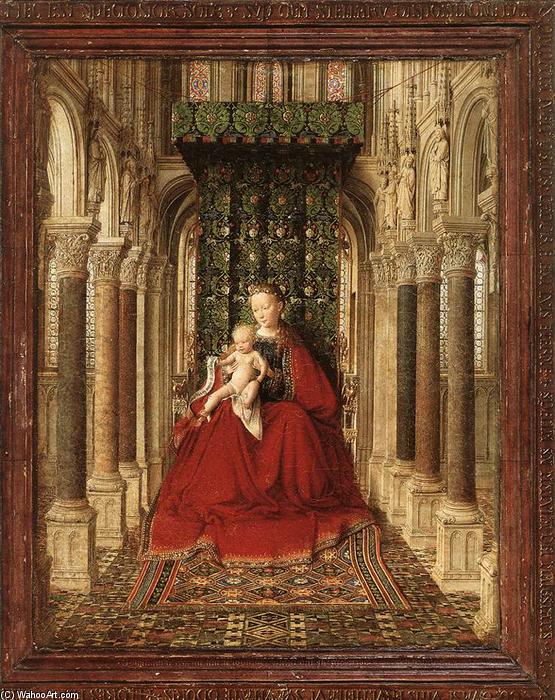
Small Triptych (central panel)
 तैल रंग
- वॉल आर्ट
- Early Netherlandish Painting
 1437
1437- पुनर्जागरण
 27.0 x 21.0 cm
 Gemäldegalerie
 और पढ़ें
गिक्ली / आर्ट प्रिंट
तेज़ उत्पादन और विभिन्न फिनिश विकल्पों के साथ म्यूजियम-क्वालिटी गिकली (giclée) या कैनवस प्रिंट। ( हाथ से बनी पेंटिंग खरीदें डिजिटल इमेज पर जाएँ)




P118B ₹10

P118H ₹10

P118W ₹10

P438Z ₹10

P508JH ₹12

P508YH ₹12

P805H ₹10

P805Z ₹10

P919BZ ₹10

P919G ₹10

P919XJ ₹10

P959ZH ₹10

P968JZ ₹12

W106C ₹8

W218G ₹10

W218JH ₹8

W218Y ₹10

W307PJ ₹10

W316G ₹10

W316PJ ₹8

W316Y ₹10

W398PJ ₹8

W4111J ₹10

W500HY ₹15

W500JH ₹15

W692G ₹12

W849H ₹8

W940BG ₹15

W953PJ ₹8




कलाकृति के मूल अनुपात से मेल खाने वाले हमारे पूर्व निर्धारित आकारों में से चुनें।

अपने फ्रेम या अपनी दीवार के अनुसार आवश्यक चौड़ाई और ऊंचाई दर्ज करें। प्रिंट को केवल काटा जा सकता है, चित्र से बड़ा कभी नहीं बनाया जा सकता, इसलिए अलग आकार का साइज चित्र का एक हिस्सा खो देता है। किसी भी चीज़ को प्रिंट करने से पहले हम आपकी स्वीकृति के लिए आपको एक डिजिटल मॉकअप भेजते हैं। इस पृष्ठ पर दिखाया गया चित्र वास्तविक कटिंग नहीं दिखाता है — केवल मॉकअप ही इसे दर्शाता है।
विश्वव्यापी डिलीवरी (), मानक 4/5 सप्ताह के बजाय मात्र 2 सप्ताह में। (24 अक्टूबर)

दुनिया भर में मुफ़्त एक्सप्रेस शिपिंग

प्रीमियम ग्रेड लिनेन कैनवास

पूर्ण शिपिंग बीमा

सीमा शुल्क और आयात कर वापसी की गारंटी

सटीक रंग मिलान की गारंटी

100 दिनों की वापसी नीति (केवल निर्माण दोष होने पर)

100% पैसे वापसी की गारंटी

थोक छूट का अवसर
 ग्लास का विकल्प केवल 110 सेमी से कम आकार में ही उपलब्ध है।

Small Triptych (central panel)
गिक्ली / आर्ट प्रिंट
प्रतिकृति का आकार
-


कुल मूल्य
₹ 7681
The Intimate World of Jan van Eyck's Central Panel
Within the confines of the ‘Small Triptych,’ a masterpiece by Jan van Eyck completed around 1437, resides a scene of profound serenity and quiet contemplation. This central panel, measuring just 27 x 21 centimeters, isn’t merely a depiction of a mother and child; it's an exquisitely rendered meditation on domesticity, faith, and the enduring bond between generations. Van Eyck, a pivotal figure in the Early Netherlandish movement, masterfully employs his revolutionary oil painting technique to capture not just the outward appearance but also the very essence of this intimate moment. The woman, seated comfortably within a simple chair, exudes an aura of gentle authority and profound love as she cradles her infant – a visual embodiment of nurturing and protection. The subtle modeling of her garments, achieved through layers of meticulously applied paint, creates a remarkable sense of tactile realism, inviting the viewer to almost feel the softness of the fabric against their fingertips.
Notice the deliberate placement of the figures within the space. They are not isolated but subtly integrated into a carefully constructed architectural setting. Three arches frame the scene, hinting at a sacred or domestic space—perhaps a chapel or a private chamber—and adding depth to the composition. Above the mother and child, a clock serves as a poignant reminder of time’s passage, anchoring the scene in both earthly reality and spiritual contemplation. The inclusion of this seemingly mundane object elevates it to a symbol of mortality and the preciousness of fleeting moments.
Light and Shadow: Van Eyck's Revolutionary Technique
What truly distinguishes Van Eyck’s work is his unparalleled mastery of light. He doesn’t simply paint light; he *creates* it, manipulating its effects to sculpt form and imbue the scene with a luminous quality. Unlike earlier painters who relied on tempera, which produced flat, lifeless surfaces, Van Eyck's use of oil paints allowed him to build up layers of color gradually, creating subtle gradations of tone and texture. This technique enabled him to achieve an astonishing level of realism – the way light catches on the woman’s hair, the delicate folds in her dress, and the soft glow around the infant are all testament to his skill.
The interplay of light and shadow is particularly evident in the modeling of the figures. Van Eyck uses highlights to accentuate their forms, creating a sense of three-dimensionality that was revolutionary for its time. The shadows, conversely, recede into the background, drawing the viewer’s eye towards the central figures and enhancing the overall sense of intimacy. This masterful control of light is not merely aesthetic; it serves to convey a profound emotional resonance, suggesting both serenity and a quiet reverence.
A Window into the Renaissance: Symbolism and Context
The ‘Small Triptych’ resides within the Gemäldegalerie Alte Meister in Dresden, Germany—a treasure trove of Early Netherlandish art. Van Eyck's work is deeply rooted in the International Gothic style, yet he pushed beyond its decorative flourishes to embrace a more naturalistic and realistic approach. His innovations in oil painting – particularly his ability to create luminous colors and incredibly detailed textures – profoundly influenced subsequent generations of artists. The triptych itself represents a shift towards private devotional art, moving away from the grand altarpieces commissioned by churches and towards smaller, more intimate works intended for domestic use.
The inclusion of elements like the clock and the arches suggests a connection to both earthly and spiritual realms. The mother-child relationship is central to Christian iconography, representing the Virgin Mary and Christ—a potent symbol of divine grace and salvation. The overall composition evokes a sense of timelessness, inviting viewers to contemplate the enduring power of family, faith, and the beauty of the everyday.
Bringing Jan van Eyck Home: A Hand-Painted Reproduction
OriginalUniqueArt offers exquisite, hand-painted reproductions of Jan van Eyck’s ‘Small Triptych (central panel)’, capturing the artist's revolutionary techniques and profound emotional depth. Each reproduction is meticulously crafted by our skilled artisans, using traditional oil painting methods to faithfully recreate Van Eyck’s luminous colors, intricate details, and masterful modeling. Owning a OriginalUniqueArt reproduction allows you to bring this iconic masterpiece into your home or office, celebrating the enduring legacy of one of art history's greatest masters. Explore our collection today and experience the magic of Van Eyck’s vision firsthand.
प्रश्न और उत्तर
"Small Triptych (central panel)" का निर्माण किसने किया?
"Small Triptych (central panel)" का श्रेय जान वान आइक को दिया जाता है।
"Small Triptych (central panel)" को किसने और कब बनाया?
जान वान आइक ने 1437 में "Small Triptych (central panel)" बनाया था।
क्या जान वान आइक द्वारा निर्मित "Small Triptych (central panel)" सार्वजनिक डोमेन (public domain) में है, और क्यों?
जान वान आइक द्वारा निर्मित "Small Triptych (central panel)" सार्वजनिक डोमेन में - इसका कॉपीराइट समाप्त हो चुका है है। कॉपीराइट की अवधि कलाकार की मृत्यु के वर्ष से मापी जाती है, और जान वान आइक का निधन 1441 में हुआ था।
कलाकार का परिचय
जन वान आइक: प्रारंभिक फ्लेमिश चित्रकला के प्रकाश स्तंभ
जन वान आइक, एक ऐसा नाम जो शुरुआती फ्लेमिश चित्रकला के उदय और तेल रंग के क्रांतिकारी उपयोग का पर्याय है, कला इतिहास पर अपने विशाल प्रभाव के बावजूद एक रहस्यमय व्यक्ति बने हुए हैं। लगभग 1390 में मासेइक, नीदरलैंड्स में स्थित, एक ऐसे परिवार में उनका जन्म हुआ था जो कलात्मक परंपराओं से समृद्ध था—उनके बड़े भाई ह्यूबर्ट भी चित्रकार थे, हालाँकि उनके कार्यों के बारे में विवरण मायावी बने हुए हैं। सटीक जीवनी संबंधी विवरण दुर्लभ होने के बावजूद, खासकर उनके शुरुआती वर्षों के बारे में, यह स्पष्ट है कि जन में स्वाभाविक प्रतिभा थी और उन्होंने जल्दी ही अपने समय के कलात्मक हलकों में प्रमुखता हासिल कर ली। 1422 तक, उन्होंने पहले ही हेग में एक कार्यशाला स्थापित कर ली थी, सहायकों को नियुक्त किया था और ऐसे कमीशन किए थे जो उनकी शिल्प कौशल का संकेत देते थे। यह प्रारंभिक सफलता केवल कलात्मक कौशल पर आधारित नहीं थी; जन एक बुद्धिमान और भरोसेमंद व्यक्ति थे, ये गुण जल्द ही शक्तिशाली संरक्षकों को आकर्षित करेंगे।बर्गंडी दरबार में सेवा: कूटनीति और कलात्मक समृद्धि
जन के करियर में एक महत्वपूर्ण क्षण उनके बर्गुंडियन दरबार में नियुक्ति के साथ आया, पहले जॉन III द क्रूर के अधीन और बाद में फिलिप द गुड के अधीन। यह केवल संरक्षण की व्यवस्था नहीं थी; जन को राजनयिक मिशनों का भार सौंपा गया था, जो ड्यूक के विवेक और बुद्धि में विश्वास का प्रदर्शन करते थे। यूरोप में ये यात्राएँ—स्पेन और पुर्तगाल सहित—उन्हें विविध संस्कृतियों और कलात्मक प्रभावों से अवगत कराती थीं, सूक्ष्म रूप से उनकी विकसित हो रही शैली को आकार देती थीं। दरबार ने न केवल वित्तीय सुरक्षा प्रदान की बल्कि ऐसे संसाधनों तक पहुंच भी दी जिसने जन को महत्वाकांक्षी परियोजनाओं का पीछा करने की अनुमति दी, जो कलात्मक रूप से प्राप्त होने वाली सीमाओं को आगे बढ़ाती हैं। वे बर्गुंडियन अभिजात वर्ग के *लिए* सिर्फ एक चित्रकार नहीं थे; वे उनकी दुनिया का एक अभिन्न अंग बन गए, अपनी कला के माध्यम से उनकी प्रतिष्ठा को प्रतिबिंबित और बढ़ाते हुए। यह अद्वितीय स्थिति उन्हें दुर्लभ स्तर की कलात्मक स्वतंत्रता प्रदान करती है, जो प्रयोग और नवाचार की अनुमति देती है जिसने हमेशा के लिए पेंटिंग के पाठ्यक्रम को बदल दिया।तेल कीalchemy: एक तकनीक में क्रांति
जबकि तेल रंग के आविष्कारक नहीं थे—इसके उपयोग से पहले भी इसका इस्तेमाल होता था—वे निश्चित रूप से इसके पूर्णता के स्वामी हैं। उनकी नवाचारों से पहले, टेम्परा प्रमुख माध्यम था, जो सीमित मिश्रण क्षमताओं और अपेक्षाकृत मैट फिनिश प्रदान करता था। जन ने सावधानीपूर्वक पारदर्शी ग्लेज़ की परतें बिछाकर तेल रंग की पूरी क्षमता को उजागर किया, अभूतपूर्व स्तर का विवरण, चमक और यथार्थवाद प्राप्त किया। इस तकनीक ने सूक्ष्म टोन ग्रेडेशन, समृद्ध रंग और बनावट बनाने की अनुमति दी जो जीवन की नकल करती है। प्रभाव परिवर्तनकारी था; सतहों के भीतर से चमकती हुई प्रतीत होती थी, कपड़ों में स्पर्शनीय गुणवत्ता होती थी, और पोर्ट्रेट न केवल समानता बल्कि मनोवैज्ञानिक गहराई को भी पकड़ते थे। उनकी महारत केवल तकनीकी नहीं थी—यह एक रासायनिक प्रक्रिया थी, पिगमेंट को जीवित वास्तविकता के समान कुछ में बदल रही थी। यह नवाचार अनसुना नहीं गया; इसने आने वाले पीढ़ियों के कलाकारों के लिए नींव रखी, पश्चिमी कला के परिदृश्य को मौलिक रूप से बदल दिया।प्रमुख कृतियाँ और स्थायी विरासत
जन की कलात्मक विरासत अपेक्षाकृत छोटे लेकिन गहराई से प्रभावशाली कार्यों के शरीर द्वारा स्थापित है। गेंट ऑल्टारपीस (1432), एक विशाल बहुआकृति, उनके सबसे महत्वाकांक्षी प्रयास के रूप में खड़ा है—धार्मिक प्रतीकवाद और तकनीकी प्रतिभा का एक जटिल टेपेस्ट्री। उतना ही प्रसिद्ध जोवाननी अर्नोल्फिनी और उनकी पत्नी का चित्र (1434) है, जो अपनी यथार्थवाद, जटिल विवरण और रहस्यमय प्रतीकवाद के लिए मनाया जाने वाला पोर्ट्रेट में एक अभूतपूर्व कार्य है। अन्य उल्लेखनीय कार्यों में ड्रेसडेन त्रिपटी शामिल हैं, जो उनके असाधारण स्पष्टता के साथ धार्मिक दृश्यों को चित्रित करने की क्षमता का प्रदर्शन करते हैं, और हड़ताली नीले टर्बन वाला आदमी, उनकी व्यक्तिगत चरित्र को पकड़ने की क्षमता का एक प्रमाण। ये पेंटिंग केवल दृश्य प्रतिनिधित्व नहीं हैं; वे किसी अन्य दुनिया में खिड़कियां हैं—एक दुनिया सावधानीपूर्वक विवरण पर लगभग जुनूनी ध्यान के साथ प्रस्तुत की गई है। जन का प्रभाव इन प्रतिष्ठित कार्यों से परे फैला हुआ है, प्रारंभिक फ्लेमिश चित्रकला के विकास को आकार देता है और सदियों से अनगिनत कलाकारों को प्रेरित करता है। उन्होंने 1441 में ब्रुग्स में मृत्यु स्वीकार कर ली, एक ऐसी विरासत छोड़ दी जो आज भी गूंजती है, हमें कला की शक्ति की याद दिलाती है कि मानव अनुभव को प्रकाशित किया जाए।ह्यूबर्ट वान आइक
जन के बड़े भाई ह्यूबर्ट का योगदान अक्सर छाया में रहता है, लेकिन शुरुआती फ्लेमिश चित्रकला के विकास में उनकी भूमिका महत्वपूर्ण थी। जबकि उनके व्यक्तिगत जीवन और कार्यों के बारे में जानकारी दुर्लभ है, यह व्यापक रूप से माना जाता है कि उन्होंने गेंट ऑल्टारपीस सहित अपने भाई के साथ कई परियोजनाओं पर सहयोग किया। कुछ विद्वानों का तर्क है कि ह्यूबर्ट ने प्रारंभिक डिजाइन और योजनाएँ प्रदान कीं, जबकि जन ने अंतिम निष्पादन को संभाला। हालाँकि उनकी भूमिका की सटीक प्रकृति बहस का विषय बनी हुई है, लेकिन यह स्पष्ट है कि ह्यूबर्ट वान आइक कलात्मक विरासत के एक महत्वपूर्ण हिस्से थे, जो अपने भाई के साथ मिलकर शुरुआती फ्लेमिश चित्रकला के स्वर्ण युग में योगदान करते थे।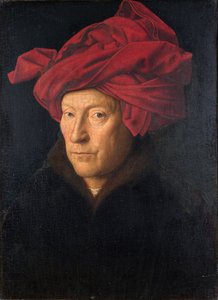
जान वान आइक
1390 - 1441 , नीदरलैंड्स
संक्षिप्त जानकारी
- Artistic Movement Or Style: प्रारंभिक नेदरलैंडिश चित्रकला
- Artists Or Movements Influenced By This Artist: ['प्रारंभिक नेदरलैंडिश चित्रकार']
- Date Of Birth: लगभग 1390
- Date Of Death: 1441
- Full Name: जान वान एइक
- Nationality: फ़्लैमिश
- Notable Artworks:
- गेंट ऑल्टारपीस
- अर्नोल्फ़ीनी पोर्ट्रेट
- ड्रेसडेन ट्रिप्टिच
- नीली टोपी वाला आदमी
- Place Of Birth: मास्ट्रिच, नीदरलैंड
संबंधित लेखों की सूची

Early Netherlandish Masters: 10 Paintings That Revolutionized Art & Decor
Journey into the Early Netherlandish Renaissance! Explore 10 iconic paintings by Jan van Eyck, Rogier van der Weyden & more. Discover stunning detail, symbolism, and oil painting techniques. Find museum-quality art reproductions for your home at OriginalUniqueArt.com.

Illuminating Realism: A Comprehensive Exploration of the Early Netherlandish Renaissance Movement
Explore the captivating world of Early Netherlandish painting! Discover Jan van Eyck & other Flemish masters, their revolutionary techniques, hidden symbolism, and lasting legacy. A comprehensive guide for art enthusiasts.

Early Netherlandish Masters: 10 Paintings That Revolutionized Art & Decor
Journey into the world of Early Netherlandish painting! Explore 10 masterpieces by Jan van Eyck, Rogier van der Weyden & more. Discover stunning detail, symbolism & Renaissance art for your home decor. Find museum-quality reproductions on OriginalUniqueArt.com

Jan van Eyck: Innovation, Symbolism & the Dawn of Early Netherlandish Painting
Explore the revolutionary art of Jan van Eyck! Discover his groundbreaking oil painting techniques, hidden symbolism, and lasting impact on the Early Netherlandish Renaissance. A deep dive for art enthusiasts.

Early Netherlandish Renaissance: A Professional Guide to Mastering Detail and Realism for Luxury Interior Design
Expert guide for hotel designers on sourcing Early Netherlandish Renaissance reproductions. Discover how the hyper-realism of Jan van Eyck can elevate hospitality interiors through high-quality, large-scale oil paintings and custom multi-panel installations.


