

 पूर्वावलोकन देखें
 साझा करें
 साझा करें
 विस्तृत विवरण

 डाउनलोड करें
 समान कलाकृतियाँ
 एक्स-रे
 स्लाइड शो देखें
Portrait of a Man
 Acrylic On Canvas
- WallArt
- Early Netherlandish Painting
 21.0 x 17.0 cm
 मेट्रोपॉलिटन म्यूज़ियम ऑफ़ आर्ट
 पूरा देखें
गिक्ली / आर्ट प्रिंट
तेज़ उत्पादन और विभिन्न फिनिश विकल्पों के साथ म्यूजियम-क्वालिटी गिकली (giclée) या कैनवस प्रिंट। ( हाथ से बनी पेंटिंग खरीदें छवि खरीदें)




P118B $10

P118H $10

P118W $10

P438Z $10

P508JH $12

P508YH $12

P805H $10

P805Z $10

P919BZ $10

P919G $10

P919XJ $10

P959ZH $10

P968JZ $12

W106C $8

W218G $10

W218JH $8

W218Y $10

W307PJ $10

W316G $10

W316PJ $8

W316Y $10

W398PJ $8

W4111J $10

W500HY $15

W500JH $15

W692G $12

W849H $8

W940BG $15

W953PJ $8




कलाकृति के मूल अनुपात से मेल खाने वाले हमारे पूर्व निर्धारित आकारों में से चुनें।

आप किसी विशिष्ट फ्रेम या स्थान के अनुसार अपने स्वयं के आयाम (dimensions) दर्ज कर सकते हैं। यदि आपके द्वारा चुना गया आकार मूल छवि के अनुपात से मेल नहीं खाता है, तो हम कलाकृति को क्रॉप कर देंगे या मिरर किए गए या सॉलिड-फिल किनारे के साथ छवि का विस्तार करेंगे। उत्पादन शुरू होने से पहले आपकी स्वीकृति के लिए एक डिजिटल मॉकअप भेजा जाएगा।
कृपया ध्यान दें कि स्क्रीन पर दिखने वाला प्रीव्यू वास्तविक क्रॉपिंग या विस्तार को नहीं दर्शाता है। केवल मॉकअप ही अंतिम संरचना को सटीक रूप से दिखाएगा।
हालाँकि कस्टम आकार उपलब्ध हैं, फिर भी हम मूल अनुपात बनाए रखने के लिए पूर्व-निर्धारित सूची में से एक आयाम चुनने की सलाह देते हैं।
विश्वव्यापी डिलीवरी (), मानक 4/5 सप्ताह के बजाय मात्र 2 सप्ताह में। (22 अगस्त)

दुनिया भर में मुफ़्त एक्सप्रेस शिपिंग

उच्च गुणवत्ता वाला लिनेन कैनवास

पूर्ण शिपिंग बीमा

सीमा शुल्क और आयात कर वापसी की गारंटी

सटीक रंग मिलान की गारंटी

60-दिन की वापसी नीति (केवल दोषों के लिए)

100% पैसे वापसी की गारंटी

थोक छूट का लाभ
 ग्लास का विकल्प केवल 110 सेमी से कम आकार में ही उपलब्ध है।

Portrait of a Man
गिक्ली / आर्ट प्रिंट
प्रतिकृति का आकार
-


कुल देय राशि
$ 80
संग्रहणीय वस्तु का विवरण
A Window into Renaissance Identity: Jan van Eyck’s Portrait of a Man
Jan van Eyck's "Portrait of a Man," often referred to as “Self Portrait?” due to ongoing scholarly debate regarding its attribution, stands as an unparalleled testament to the burgeoning artistic spirit of Early Netherlandish painting—a movement that irrevocably transformed European visual culture. Painted circa 1430-1432 in Haarlem, Netherlands, this deceptively simple depiction transcends mere likeness; it embodies a profound exploration of humanist ideals and meticulously crafted symbolism that continues to fascinate art historians today. The artwork’s enduring appeal lies not only in its technical brilliance but also in its ability to convey an arresting glimpse into the psychological landscape of fifteenth-century Europe.- Subject Matter & Composition: At first glance, the portrait presents a strikingly realistic portrayal of a man—likely Jan van Eyck himself—dressed in formal attire characteristic of his era. He wears a dark velvet robe adorned with intricate embroidery and is positioned centrally against a muted green background, creating a harmonious balance that draws the eye directly to his gaze. Two additional figures flank him on either side, adding depth and complexity to the scene. These companions are dressed similarly, reinforcing the notion of an aristocratic gathering—perhaps a celebration or diplomatic meeting—a common occurrence in the courts of Northern Europe.
- Technique & Style: Van Eyck’s mastery is immediately evident in his groundbreaking application of oil paint – a technique that revolutionized painting by offering unprecedented luminosity and detail compared to tempera, which had dominated artistic practice for centuries. The meticulous layering of thin glazes—a hallmark of Flemish Primitives—allows for subtle gradations of color and texture, capturing the nuances of skin tone and fabric folds with astonishing accuracy. This painstaking process demanded considerable patience and skill, cementing Van Eyck’s reputation as one of the foremost artists of his time.
Symbolism & Renaissance Humanism
Beyond its technical prowess, “Portrait of a Man” is laden with symbolic significance reflecting the humanist concerns prevalent during the Renaissance. The man's gaze—direct and unwavering—represents intellectual contemplation and self-awareness – qualities highly valued by thinkers like Petrarch and Erasmus. The inclusion of the white feather atop his hat serves as an emblem of purity and nobility, referencing biblical references to angelic messengers and symbolizing spiritual virtue. Furthermore, the robe’s rich embroidery speaks to wealth and status, highlighting the importance of social hierarchy within Renaissance society. These elements coalesce into a powerful statement about human dignity and aspiration—themes that resonate powerfully across centuries.Historical Context & Artistic Legacy
Painted during a period of significant cultural transformation, “Portrait of a Man” exemplifies the burgeoning interest in naturalism and psychological realism that characterized Early Netherlandish painting. Artists like Van Eyck were driven by a desire to depict human beings with unprecedented fidelity, capturing not only their physical appearance but also their inner thoughts and emotions—a radical departure from medieval artistic conventions. This artwork stands as a cornerstone of Renaissance art history, influencing generations of painters who sought to emulate its luminous palette and meticulous detail. Its influence can be seen in portraits by artists such as Rogier van der Weyden and Hans Memling, demonstrating the enduring legacy of Van Eyck’s innovative approach.Emotional Impact & Artistic Inspiration
“Portrait of a Man” continues to inspire awe and admiration for its ability to convey profound emotional depth. The artist's contemplative gaze invites viewers to engage in introspection—to consider questions of identity, virtue, and purpose. More than just a depiction of an individual, it represents a celebration of human intellect and moral fortitude – ideals that remain relevant today. Reproductions of this masterpiece offer collectors and interior designers alike the opportunity to experience firsthand the beauty and sophistication of Early Netherlandish art, transporting them back to a pivotal moment in European cultural history.कलाकार का जीवन परिचय
जन वान आइक: प्रारंभिक फ्लेमिश चित्रकला के प्रकाश स्तंभ
जन वान आइक, एक ऐसा नाम जो शुरुआती फ्लेमिश चित्रकला के उदय और तेल रंग के क्रांतिकारी उपयोग का पर्याय है, कला इतिहास पर अपने विशाल प्रभाव के बावजूद एक रहस्यमय व्यक्ति बने हुए हैं। लगभग 1390 में मासेइक, नीदरलैंड्स में स्थित, एक ऐसे परिवार में उनका जन्म हुआ था जो कलात्मक परंपराओं से समृद्ध था—उनके बड़े भाई ह्यूबर्ट भी चित्रकार थे, हालाँकि उनके कार्यों के बारे में विवरण मायावी बने हुए हैं। सटीक जीवनी संबंधी विवरण दुर्लभ होने के बावजूद, खासकर उनके शुरुआती वर्षों के बारे में, यह स्पष्ट है कि जन में स्वाभाविक प्रतिभा थी और उन्होंने जल्दी ही अपने समय के कलात्मक हलकों में प्रमुखता हासिल कर ली। 1422 तक, उन्होंने पहले ही हेग में एक कार्यशाला स्थापित कर ली थी, सहायकों को नियुक्त किया था और ऐसे कमीशन किए थे जो उनकी शिल्प कौशल का संकेत देते थे। यह प्रारंभिक सफलता केवल कलात्मक कौशल पर आधारित नहीं थी; जन एक बुद्धिमान और भरोसेमंद व्यक्ति थे, ये गुण जल्द ही शक्तिशाली संरक्षकों को आकर्षित करेंगे।बर्गंडी दरबार में सेवा: कूटनीति और कलात्मक समृद्धि
जन के करियर में एक महत्वपूर्ण क्षण उनके बर्गुंडियन दरबार में नियुक्ति के साथ आया, पहले जॉन III द क्रूर के अधीन और बाद में फिलिप द गुड के अधीन। यह केवल संरक्षण की व्यवस्था नहीं थी; जन को राजनयिक मिशनों का भार सौंपा गया था, जो ड्यूक के विवेक और बुद्धि में विश्वास का प्रदर्शन करते थे। यूरोप में ये यात्राएँ—स्पेन और पुर्तगाल सहित—उन्हें विविध संस्कृतियों और कलात्मक प्रभावों से अवगत कराती थीं, सूक्ष्म रूप से उनकी विकसित हो रही शैली को आकार देती थीं। दरबार ने न केवल वित्तीय सुरक्षा प्रदान की बल्कि ऐसे संसाधनों तक पहुंच भी दी जिसने जन को महत्वाकांक्षी परियोजनाओं का पीछा करने की अनुमति दी, जो कलात्मक रूप से प्राप्त होने वाली सीमाओं को आगे बढ़ाती हैं। वे बर्गुंडियन अभिजात वर्ग के *लिए* सिर्फ एक चित्रकार नहीं थे; वे उनकी दुनिया का एक अभिन्न अंग बन गए, अपनी कला के माध्यम से उनकी प्रतिष्ठा को प्रतिबिंबित और बढ़ाते हुए। यह अद्वितीय स्थिति उन्हें दुर्लभ स्तर की कलात्मक स्वतंत्रता प्रदान करती है, जो प्रयोग और नवाचार की अनुमति देती है जिसने हमेशा के लिए पेंटिंग के पाठ्यक्रम को बदल दिया।तेल कीalchemy: एक तकनीक में क्रांति
जबकि तेल रंग के आविष्कारक नहीं थे—इसके उपयोग से पहले भी इसका इस्तेमाल होता था—वे निश्चित रूप से इसके पूर्णता के स्वामी हैं। उनकी नवाचारों से पहले, टेम्परा प्रमुख माध्यम था, जो सीमित मिश्रण क्षमताओं और अपेक्षाकृत मैट फिनिश प्रदान करता था। जन ने सावधानीपूर्वक पारदर्शी ग्लेज़ की परतें बिछाकर तेल रंग की पूरी क्षमता को उजागर किया, अभूतपूर्व स्तर का विवरण, चमक और यथार्थवाद प्राप्त किया। इस तकनीक ने सूक्ष्म टोन ग्रेडेशन, समृद्ध रंग और बनावट बनाने की अनुमति दी जो जीवन की नकल करती है। प्रभाव परिवर्तनकारी था; सतहों के भीतर से चमकती हुई प्रतीत होती थी, कपड़ों में स्पर्शनीय गुणवत्ता होती थी, और पोर्ट्रेट न केवल समानता बल्कि मनोवैज्ञानिक गहराई को भी पकड़ते थे। उनकी महारत केवल तकनीकी नहीं थी—यह एक रासायनिक प्रक्रिया थी, पिगमेंट को जीवित वास्तविकता के समान कुछ में बदल रही थी। यह नवाचार अनसुना नहीं गया; इसने आने वाले पीढ़ियों के कलाकारों के लिए नींव रखी, पश्चिमी कला के परिदृश्य को मौलिक रूप से बदल दिया।प्रमुख कृतियाँ और स्थायी विरासत
जन की कलात्मक विरासत अपेक्षाकृत छोटे लेकिन गहराई से प्रभावशाली कार्यों के शरीर द्वारा स्थापित है। गेंट ऑल्टारपीस (1432), एक विशाल बहुआकृति, उनके सबसे महत्वाकांक्षी प्रयास के रूप में खड़ा है—धार्मिक प्रतीकवाद और तकनीकी प्रतिभा का एक जटिल टेपेस्ट्री। उतना ही प्रसिद्ध जोवाननी अर्नोल्फिनी और उनकी पत्नी का चित्र (1434) है, जो अपनी यथार्थवाद, जटिल विवरण और रहस्यमय प्रतीकवाद के लिए मनाया जाने वाला पोर्ट्रेट में एक अभूतपूर्व कार्य है। अन्य उल्लेखनीय कार्यों में ड्रेसडेन त्रिपटी शामिल हैं, जो उनके असाधारण स्पष्टता के साथ धार्मिक दृश्यों को चित्रित करने की क्षमता का प्रदर्शन करते हैं, और हड़ताली नीले टर्बन वाला आदमी, उनकी व्यक्तिगत चरित्र को पकड़ने की क्षमता का एक प्रमाण। ये पेंटिंग केवल दृश्य प्रतिनिधित्व नहीं हैं; वे किसी अन्य दुनिया में खिड़कियां हैं—एक दुनिया सावधानीपूर्वक विवरण पर लगभग जुनूनी ध्यान के साथ प्रस्तुत की गई है। जन का प्रभाव इन प्रतिष्ठित कार्यों से परे फैला हुआ है, प्रारंभिक फ्लेमिश चित्रकला के विकास को आकार देता है और सदियों से अनगिनत कलाकारों को प्रेरित करता है। उन्होंने 1441 में ब्रुग्स में मृत्यु स्वीकार कर ली, एक ऐसी विरासत छोड़ दी जो आज भी गूंजती है, हमें कला की शक्ति की याद दिलाती है कि मानव अनुभव को प्रकाशित किया जाए।ह्यूबर्ट वान आइक
जन के बड़े भाई ह्यूबर्ट का योगदान अक्सर छाया में रहता है, लेकिन शुरुआती फ्लेमिश चित्रकला के विकास में उनकी भूमिका महत्वपूर्ण थी। जबकि उनके व्यक्तिगत जीवन और कार्यों के बारे में जानकारी दुर्लभ है, यह व्यापक रूप से माना जाता है कि उन्होंने गेंट ऑल्टारपीस सहित अपने भाई के साथ कई परियोजनाओं पर सहयोग किया। कुछ विद्वानों का तर्क है कि ह्यूबर्ट ने प्रारंभिक डिजाइन और योजनाएँ प्रदान कीं, जबकि जन ने अंतिम निष्पादन को संभाला। हालाँकि उनकी भूमिका की सटीक प्रकृति बहस का विषय बनी हुई है, लेकिन यह स्पष्ट है कि ह्यूबर्ट वान आइक कलात्मक विरासत के एक महत्वपूर्ण हिस्से थे, जो अपने भाई के साथ मिलकर शुरुआती फ्लेमिश चित्रकला के स्वर्ण युग में योगदान करते थे।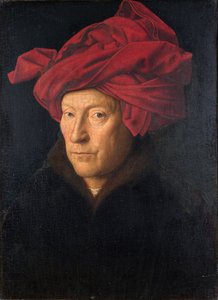
जान वान आइक
1390 - 1441 , नीदरलैंड्स
मुख्य तथ्य
- Artistic Movement Or Style: प्रारंभिक नेदरलैंडिश चित्रकला
- Artists Or Movements Influenced By This Artist: ['प्रारंभिक नेदरलैंडिश चित्रकार']
- Date Of Birth: लगभग 1390
- Date Of Death: 1441
- Full Name: जान वान एइक
- Nationality: फ़्लैमिश
- Notable Artworks:
- गेंट ऑल्टारपीस
- अर्नोल्फ़ीनी पोर्ट्रेट
- ड्रेसडेन ट्रिप्टिच
- नीली टोपी वाला आदमी
- Place Of Birth: मास्ट्रिच, नीदरलैंड
संबंधित लेख

रेम्ब्रांद्ट की शीर्ष 25 कलाकृतियाँ: इतिहास, कहानी और दृश्य वैभव | OriginalUniqueArt
रेम्ब्रांद्ट की शीर्ष 25 कलाकृतियों का अन्वेषण करें! डच गोल्डन एज के इस महान चित्रकार की कहानियाँ, तकनीक और दृश्य वैभव जानें। घर की सजावट के लिए उच्च गुणवत्ता वाले कला प्रिंट खरीदें - OriginalUniqueArt.com पर संपूर्ण संग्रह देखें।

Early Netherlandish Masters: 10 Paintings That Revolutionized Art & Decor
Journey into the world of Early Netherlandish painting! Explore 10 masterpieces by Jan van Eyck, Rogier van der Weyden & more. Discover stunning detail, symbolism & Renaissance art for your home decor. Find museum-quality reproductions on OriginalUniqueArt.com

Jan van Eyck: Innovation, Symbolism & the Dawn of Early Netherlandish Painting
Explore the revolutionary art of Jan van Eyck! Discover his groundbreaking oil painting techniques, hidden symbolism, and lasting impact on the Early Netherlandish Renaissance. A deep dive for art enthusiasts.

Early Netherlandish Masters: 10 Paintings That Revolutionized Art & Decor
Journey into the Early Netherlandish Renaissance! Explore 10 iconic paintings by Jan van Eyck, Rogier van der Weyden & more. Discover stunning detail, symbolism, and oil painting techniques. Find museum-quality art reproductions for your home at OriginalUniqueArt.com.
Late Medieval Masterpieces: 10 Artworks That Defined an Era | OriginalUniqueArt
Journey through 10 defining Late Medieval masterpieces – from Giotto's frescoes to Jan van Eyck’s realism. Explore the stories, techniques & vibrant colors of Gothic art. Find museum-quality reproductions and elevate your home decor with OriginalUniqueArt.com! Discover all masterpieces on OriginalUniqueArt.com



