

 पूर्वावलोकन देखें
 साझा करें
 साझा करें
 विस्तृत विवरण

 डाउनलोड करें
 समान कलाकृतियाँ
 एक्स-रे
 स्लाइड शो देखें
 आंकड़े
Rien faire et laisser rire

 पूरा देखें
गिक्ली / आर्ट प्रिंट
तेज़ उत्पादन और विभिन्न फिनिश विकल्पों के साथ म्यूजियम-क्वालिटी गिकली (giclée) या कैनवस प्रिंट। ( हाथ से बनी पेंटिंग खरीदें डिजिटल इमेज पर स्विच करें)




P118B $10

P118H $10

P118W $10

P438Z $10

P508JH $12

P508YH $12

P805H $10

P805Z $10

P919BZ $10

P919G $10

P919XJ $10

P959ZH $10

P968JZ $12

W106C $8

W218G $10

W218JH $8

W218Y $10

W307PJ $10

W316G $10

W316PJ $8

W316Y $10

W398PJ $8

W4111J $10

W500HY $15

W500JH $15

W692G $12

W849H $8

W940BG $15

W953PJ $8




कलाकृति के मूल अनुपात से मेल खाने वाले हमारे पूर्व निर्धारित आकारों में से चुनें।

आप किसी विशिष्ट फ्रेम या स्थान के अनुसार अपने स्वयं के आयाम (dimensions) दर्ज कर सकते हैं। यदि आपके द्वारा चुना गया आकार मूल छवि के अनुपात से मेल नहीं खाता है, तो हम कलाकृति को क्रॉप कर देंगे या मिरर किए गए या सॉलिड-फिल किनारे के साथ छवि का विस्तार करेंगे। उत्पादन शुरू होने से पहले आपकी स्वीकृति के लिए एक डिजिटल मॉकअप भेजा जाएगा।
कृपया ध्यान दें कि स्क्रीन पर दिखने वाला प्रीव्यू वास्तविक क्रॉपिंग या विस्तार को नहीं दर्शाता है। केवल मॉकअप ही अंतिम संरचना को सटीक रूप से दिखाएगा।
हालाँकि कस्टम आकार उपलब्ध हैं, फिर भी हम मूल अनुपात बनाए रखने के लिए पूर्व-निर्धारित सूची में से एक आयाम चुनने की सलाह देते हैं।
विश्वव्यापी डिलीवरी (), मानक 4/5 सप्ताह के बजाय मात्र 2 सप्ताह में। (19 सितमबर)

दुनिया भर में मुफ़्त एक्सप्रेस शिपिंग

उच्च गुणवत्ता वाला लिनेन कैनवास

पूर्ण शिपिंग बीमा

सीमा शुल्क और आयात कर वापसी की गारंटी

सटीक रंग मिलान की गारंटी

100-दिन की वापसी नीति (केवल दोषपूर्ण होने पर)

100% पैसे वापसी की गारंटी

थोक छूट का लाभ
 ग्लास का विकल्प केवल 110 सेमी से कम आकार में ही उपलब्ध है।

Rien faire et laisser rire
गिक्ली / आर्ट प्रिंट
प्रतिकृति का आकार
-


कुल देय राशि
$ 80
A World of Masks and Mischief: James Ensor’s “Rien faire et laisser rire”
James Ensor's "Rien faire et laisser rire" (Nothing to do but laugh), painted in 1939, is not merely a depiction of a scene; it’s an immersive experience—a vibrant, unsettling tableau brimming with symbolic weight and playful chaos. Born in Ostend, Belgium, in 1860, Ensor spent his life exploring the boundaries between reality and illusion, often employing masks and theatrical devices to dissect human behavior and societal norms. This particular work exemplifies his signature style: a collision of Symbolism, Expressionism, and a distinctly Belgian sensibility—a world where the familiar is warped, and the mundane becomes profoundly strange. The painting’s immediate impact lies in its riotous color palette – bold reds, yellows, blues, and greens clash and harmonize simultaneously, creating an atmosphere of heightened emotion and visual intensity. It's a deliberate departure from academic realism, prioritizing emotional resonance over precise representation.The Central Figure and the Act of Defiance
At the heart of “Rien faire et laisser rire” stands a striking figure—a man with an enormous ear, positioned in a posture that suggests both arrogance and vulnerability. This central character is not simply observing; he’s actively engaged in a defiant act: he spits upon a book titled "Rien faire et laisser rire" (Nothing to do but laugh), along with an inkwell and writing implements. This gesture immediately establishes the painting's core theme – a rejection of intellectualism, critique, and perhaps even artistic convention itself. The ear, often interpreted as a symbol of vanity or heightened perception, further amplifies this sense of self-awareness and deliberate provocation. It’s a visual declaration that challenges the viewer to question the value placed on reason and judgment.A Menagerie of Symbolic Elements
Surrounding this central figure is a captivating menagerie of animals and people, each contributing to the painting's complex narrative. Birds – scattered throughout the composition—represent fleeting thoughts and capricious spirits. A dog chases an unseen object, embodying restless energy and perhaps futile pursuit. A cat, often associated with cunning and independence, adds another layer of intrigue. The presence of a parrot, known for its mimicry, subtly suggests the repetition of ideas and the potential for distortion. Notably, several figures are depicted in various states of amusement or mockery, reinforcing the painting’s central theme of playful defiance. The inclusion of these diverse elements creates a dynamic scene where seemingly disparate elements converge to form a cohesive, albeit unsettling, whole.Historical Context and Ensor's Artistic Vision
“Rien faire et laisser rire” was created in 1939, a year marked by growing international tension and the looming threat of World War II. While the painting’s specific references remain open to interpretation, it can be viewed as a commentary on the anxieties and uncertainties of the era. Ensor's work frequently explored themes of social satire and psychological introspection, often using grotesque imagery to expose the darker aspects of human nature. His use of masks—a recurring motif in his oeuvre—allowed him to explore different facets of identity and challenge conventional notions of selfhood. The painting’s vibrant colors and theatrical composition reflect Ensor's interest in performance and spectacle, mirroring the atmosphere of carnivals and fairs that profoundly influenced his childhood.Emotional Impact and a Lasting Legacy
“Rien faire et laisser rire” is not a comfortable or easily digestible work. It’s deliberately unsettling, prompting viewers to confront uncomfortable truths about themselves and society. Yet, beneath its surface chaos lies a profound sense of humor—a mischievous delight in subverting expectations and challenging established norms. The painting's enduring appeal stems from its ability to tap into universal themes of rebellion, self-awareness, and the inherent absurdity of human existence. It remains a powerful testament to James Ensor’s unique artistic vision and his willingness to push the boundaries of representation. A hand-painted reproduction offers an exceptional opportunity to experience this captivating work in all its vibrant detail and emotional depth.कलाकार का जीवन परिचय
James Ensor: A Visionary of Disquiet
James Sidney Edouard, Baron Ensor (Ostend, 13 April 1860 – November 19, 1949) был бельгийским художником и гравёром, оказавшим значительное влияние на экспрессионизм и сюрреализм. Он был членом художественной группы Les XX.
Early Influences and Artistic Training
James Ensor’s father, James Frederic Ensor, родился в Брюсселе у английских родителей и был образованным человеком, изучавшим инженерию в Англии и Германии. Его мать, Мария Катерина Хаэгеман, была бельгийкой. Сам Энсор не проявлял интереса к академическому изучению и оставил школу в возрасте пятнадцати лет, чтобы начать своё художественное обучение с двух местных художников. Он посещал Академию Королевскую Бельгии в Брюсселе вместе со своим одноклассником Фернандом Хнопфом.
The Birth of Expressionism: Bold Experimentation
Энсор быстро отказался от традиционного подхода к живописи и начал разрабатывать революционный стиль, который отражал его собственное видение мира. Он особенно был очарован карнавальской культурой организованной вокруг праздника Мартра каждый год в Бельгии, что несомненно было вызвано тем, что семья Энсора в Остенде была главным поставщиком карнавальной атрибутики. Формальный метод живописи Энсора отличался от традиционных методов и был предназначен для выражения его личной позиции. Он отвергал французский импрессионизм и символизм и использовал экспрессивные средства света, линии и цвета.
Iconic Paintings and Recurring Themes
Энсор создал серию работ, которые продолжают поражать и восхищать публику сегодня. Картина «Христос входит в Брюссель» (1888–89) является одним из самых известных произведений Энсора и представляет собой сатиру религиозной неискренности и социальной безразличия. Этот тревожный образ Христа, входящего в город, наполненный гротескными масками и фигурами, является мощным комментарием о разрыве между духовными идеалами и человеческим поведением. Картина «Скелеты сражаются за повешенного человека» (1891) исследует темы смерти, разложения и абсурда жизни.
Legacy and Recognition
Несмотря на первоначальное сопротивление Энсора его художественное наследие остается свидетельством силы искусства для столкновения с неудобными истинами и исследования глубины человеческого состояния. Он является одним из ключевых фигур в переходном периоде от XIX века к началу XX века — настоящим пионером современного искусства.

जेम्स एन्सर
1860 - 1949 , बेल्जियम
मुख्य तथ्य
- Artistic Movement Or Style: अभिव्यक्तिवाद और अतिवास्तववाद
- Artists Who Influenced This Artist:
- पीटर पॉल रुबेन्स
- फ्रांसिस्को गोया
- विथ्सलर
- Date Of Birth: अप्रैल 13, 1860
- Date Of Death: नवंबर 19, 1949
- Full Name: James Sidney Edouard Ensor
- Nationality: बेल्जियम
- Notable Artworks:
- क्राइस्ट का ब्रुसेल्स में प्रवेश
- संकेतित मुखौटे
- सेंट एंथोनी के दुखों का चित्रण
- Place Of Birth: ओस्टेंड, बेल्जियम
संबंधित लेख
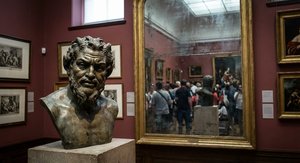
The Sharpest Wit: A Historical Exploration of Satire in Visual Culture
Explore the history of satire in art! From ancient masters like Aristophanes to Goya & Grosz, discover how artists use wit and critique to reflect—and challenge—society. Expert insights at OriginalUniqueArt.
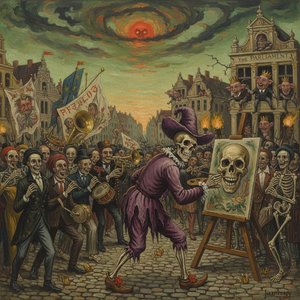
James Ensor's Grotesque Visions: Social Commentary & Artistic Innovation
Explore the unsettling yet captivating world of James Ensor, a pioneer of Expressionism. Discover his satirical masterpieces, symbolic imagery & lasting influence on modern art. High-quality reproductions available at OriginalUniqueArt.
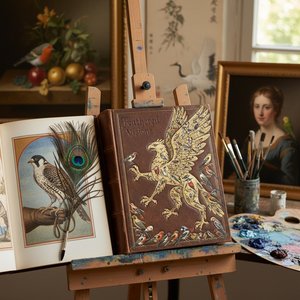
Feathered Visions: A Historical & Artistic Exploration of Birds in Painting
Explore the rich history of birds in painting! Discover symbolism, artistic movements & master artists like Audubon. High-quality reproductions available at OriginalUniqueArt.

जेम्स एबॉट मैकनील व्हिस्लर की 25 उत्कृष्ट कलाकृतियाँ: सौंदर्य और इतिहास का संगम
जेम्स एबॉट मैकनील व्हिस्लर की 25 सर्वश्रेष्ठ कलाकृतियों का अन्वेषण करें। सौंदर्यवादी आंदोलन, रात्रि दृश्य और पोर्ट्रेट से लेकर, प्रत्येक पेंटिंग एक कहानी कहती है। उच्च गुणवत्ता वाले कला पुनरुत्पादन के लिए OriginalUniqueArt.com पर खोजें।

Sir Alfred Munnings' Masterpieces: 25 Paintings That Define Equine Art | OriginalUniqueArt
Explore 25 iconic Sir Alfred Munnings paintings! Discover the beauty of British Impressionism, equine art & rural England. Find museum-quality reproductions and elevate your home decor with OriginalUniqueArt. Explore the full collection online.


