

 पूर्वावलोकन देखें
 भेजें
भेजें साझा करें
 विवरण देखें
 मार्गदर्शिका

 डाउनलोड करें
 समान वस्तुएं
 एक्स-रे
 स्लाइड शो देखें
 Q&A
Q&A आंकड़े
Pierrot et Squelettes

 और पढ़ें
गिक्ली / आर्ट प्रिंट
तेज़ उत्पादन और विभिन्न फिनिश विकल्पों के साथ म्यूजियम-क्वालिटी गिकली (giclée) या कैनवस प्रिंट। ( हाथ से बनी पेंटिंग खरीदें डिजिटल इमेज पर जाएँ)




P118B ₹10

P118H ₹10

P118W ₹10

P438Z ₹10

P508JH ₹12

P508YH ₹12

P805H ₹10

P805Z ₹10

P919BZ ₹10

P919G ₹10

P919XJ ₹10

P959ZH ₹10

P968JZ ₹12

W106C ₹8

W218G ₹10

W218JH ₹8

W218Y ₹10

W307PJ ₹10

W316G ₹10

W316PJ ₹8

W316Y ₹10

W398PJ ₹8

W4111J ₹10

W500HY ₹15

W500JH ₹15

W692G ₹12

W849H ₹8

W940BG ₹15

W953PJ ₹8




कलाकृति के मूल अनुपात से मेल खाने वाले हमारे पूर्व निर्धारित आकारों में से चुनें।

अपने फ्रेम या अपनी दीवार के अनुसार आवश्यक चौड़ाई और ऊंचाई दर्ज करें। प्रिंट को केवल काटा जा सकता है, चित्र से बड़ा कभी नहीं बनाया जा सकता, इसलिए अलग आकार का साइज चित्र का एक हिस्सा खो देता है। किसी भी चीज़ को प्रिंट करने से पहले हम आपकी स्वीकृति के लिए आपको एक डिजिटल मॉकअप भेजते हैं। इस पृष्ठ पर दिखाया गया चित्र वास्तविक कटिंग नहीं दिखाता है — केवल मॉकअप ही इसे दर्शाता है।
विश्वव्यापी डिलीवरी (), मानक 4/5 सप्ताह के बजाय मात्र 2 सप्ताह में। (28 अक्टूबर)

दुनिया भर में मुफ़्त एक्सप्रेस शिपिंग

प्रीमियम ग्रेड लिनेन कैनवास

पूर्ण शिपिंग बीमा

सीमा शुल्क और आयात कर वापसी की गारंटी

सटीक रंग मिलान की गारंटी

100 दिनों की वापसी नीति (केवल निर्माण दोष होने पर)

100% पैसे वापसी की गारंटी

थोक छूट का अवसर
 ग्लास का विकल्प केवल 110 सेमी से कम आकार में ही उपलब्ध है।

Pierrot et Squelettes
गिक्ली / आर्ट प्रिंट
प्रतिकृति का आकार
-


कुल मूल्य
₹ 7685
A Portrait of Darkness Embraced by Illusion
James Ensor’s “Pierrot et Squelettes” isn't merely a painting; it’s an unsettling meditation on mortality and the deceptive allure of appearances. Created in 1896, this masterpiece exemplifies Expressionism—a movement born from a profound disillusionment with academic conventions and driven by a fervent desire to convey raw emotion rather than objective representation. Ensor, steeped in the traditions of Belgian Symbolism alongside his fascination for theatrical spectacle, crafted an image that continues to resonate powerfully today.Composition and Style: Where Reality Fractures
The canvas depicts a solitary figure—a man dressed in white—burdened by a skeleton draped across his shoulder. This stark juxtaposition immediately establishes the painting’s dominant mood: grief mingled with morbid curiosity. Surrounding him are several other skeletons, positioned strategically to heighten the sense of unease and isolation. Ensor eschews traditional perspective, opting instead for flattened planes of color that contribute to the artwork's dreamlike quality. Bold hues—primarily yellows and reds—contrast sharply against muted browns and blacks, amplifying the emotional intensity. The artist’s deliberate distortion of form underscores his rejection of idealized beauty, prioritizing psychological truth over visual accuracy.Technique: Brushstrokes That Speak Volumes
Ensor employed a thick impasto technique, applying paint with vigorous brushstrokes that capture movement and texture. This tactile approach is crucial to conveying the painting's visceral impact—one feels as though one could almost grasp the surface of the canvas. The artist’s meticulous attention to detail—particularly in rendering the skeletal figures—reveals a masterful command of artistic skill, yet simultaneously serves to emphasize their grotesque presence. Ensor utilized oil paints on canvas, allowing for layering and blending that further enhances the painting's expressive qualities.Historical Context: Echoes of Nietzsche and Existential Dread
“Pierrot et Squelettes” emerged during a period marked by intellectual ferment—the burgeoning influence of Friedrich Nietzsche’s philosophy challenged traditional moral frameworks and fueled anxieties about the human condition. Ensor absorbed these ideas, channeling them into his artwork as a response to the pervasive pessimism of the era. The painting reflects the broader Expressionist preoccupation with themes of decay, suffering, and the confrontation with death—a visual manifestation of existential dread. It stands alongside other works exploring similar psychological landscapes, cementing Ensor’s place as a pioneer of modern art.Symbolism: Masks Beneath Skin
The figure in white represents Pierrot, a character from Italian opera known for his melancholic demeanor and masked visage. This allusion to theatrical convention underscores the painting's central theme—the concealment of inner turmoil beneath outward appearances. The skeleton symbolizes mortality and the inescapable reality of death, serving as a constant reminder of human vulnerability. Furthermore, Ensor’s inclusion of birds—often associated with prophecy and transformation—adds another layer of symbolic complexity, hinting at the possibility of transcendence amidst despair.प्रश्न और उत्तर
जेम्स एन्सर द्वारा "Pierrot et Squelettes" की रंग पहचान क्या है?
"Pierrot et Squelettes" की विशेषता Driftwood (#c6a561) के नेतृत्व वाला एक Dark पैलेट है।
"Pierrot et Squelettes" के रंग कितनी रोशनी परावर्तित करते हुए प्रतीत होते हैं?
जेम्स एन्सर द्वारा "Pierrot et Squelettes" की चमक (luminance) Gentle Luminance है। चमक यह दर्शाती है कि रंग कितनी मात्रा में प्रकाश को परावर्तित करते प्रतीत होते हैं।
जेम्स एन्सर द्वारा "Pierrot et Squelettes" की प्रतिकृति को कहाँ लटकाया जाना चाहिए?
अपने Landscape आकार के साथ, "Pierrot et Squelettes" की यह प्रतिकृति Living Room के लिए उपयुक्त है।
कलाकार का परिचय
James Ensor: A Visionary of Disquiet
James Sidney Edouard, Baron Ensor (Ostend, 13 April 1860 – November 19, 1949) был бельгийским художником и гравёром, оказавшим значительное влияние на экспрессионизм и сюрреализм. Он был членом художественной группы Les XX.
Early Influences and Artistic Training
James Ensor’s father, James Frederic Ensor, родился в Брюсселе у английских родителей и был образованным человеком, изучавшим инженерию в Англии и Германии. Его мать, Мария Катерина Хаэгеман, была бельгийкой. Сам Энсор не проявлял интереса к академическому изучению и оставил школу в возрасте пятнадцати лет, чтобы начать своё художественное обучение с двух местных художников. Он посещал Академию Королевскую Бельгии в Брюсселе вместе со своим одноклассником Фернандом Хнопфом.
The Birth of Expressionism: Bold Experimentation
Энсор быстро отказался от традиционного подхода к живописи и начал разрабатывать революционный стиль, который отражал его собственное видение мира. Он особенно был очарован карнавальской культурой организованной вокруг праздника Мартра каждый год в Бельгии, что несомненно было вызвано тем, что семья Энсора в Остенде была главным поставщиком карнавальной атрибутики. Формальный метод живописи Энсора отличался от традиционных методов и был предназначен для выражения его личной позиции. Он отвергал французский импрессионизм и символизм и использовал экспрессивные средства света, линии и цвета.
Iconic Paintings and Recurring Themes
Энсор создал серию работ, которые продолжают поражать и восхищать публику сегодня. Картина «Христос входит в Брюссель» (1888–89) является одним из самых известных произведений Энсора и представляет собой сатиру религиозной неискренности и социальной безразличия. Этот тревожный образ Христа, входящего в город, наполненный гротескными масками и фигурами, является мощным комментарием о разрыве между духовными идеалами и человеческим поведением. Картина «Скелеты сражаются за повешенного человека» (1891) исследует темы смерти, разложения и абсурда жизни.
Legacy and Recognition
Несмотря на первоначальное сопротивление Энсора его художественное наследие остается свидетельством силы искусства для столкновения с неудобными истинами и исследования глубины человеческого состояния. Он является одним из ключевых фигур в переходном периоде от XIX века к началу XX века — настоящим пионером современного искусства.

जेम्स एन्सर
1860 - 1949 , बेल्जियम
संक्षिप्त जानकारी
- Artistic Movement Or Style: अभिव्यक्तिवाद और अतिवास्तववाद
- Artists Who Influenced This Artist:
- पीटर पॉल रुबेन्स
- फ्रांसिस्को गोया
- विथ्सलर
- Date Of Birth: अप्रैल 13, 1860
- Date Of Death: नवंबर 19, 1949
- Full Name: James Sidney Edouard Ensor
- Nationality: बेल्जियम
- Notable Artworks:
- क्राइस्ट का ब्रुसेल्स में प्रवेश
- संकेतित मुखौटे
- सेंट एंथोनी के दुखों का चित्रण
- Place Of Birth: ओस्टेंड, बेल्जियम
संबंधित लेखों की सूची

जेम्स एबॉट मैकनील व्हिस्लर की 25 उत्कृष्ट कलाकृतियाँ: सौंदर्य और इतिहास का संगम
जेम्स एबॉट मैकनील व्हिस्लर की 25 सर्वश्रेष्ठ कलाकृतियों का अन्वेषण करें। सौंदर्यवादी आंदोलन, रात्रि दृश्य और पोर्ट्रेट से लेकर, प्रत्येक पेंटिंग एक कहानी कहती है। उच्च गुणवत्ता वाले कला पुनरुत्पादन के लिए OriginalUniqueArt.com पर खोजें।

Sir Alfred Munnings' Masterpieces: 25 Paintings That Define Equine Art | OriginalUniqueArt
Explore 25 iconic Sir Alfred Munnings paintings! Discover the beauty of British Impressionism, equine art & rural England. Find museum-quality reproductions and elevate your home decor with OriginalUniqueArt. Explore the full collection online.
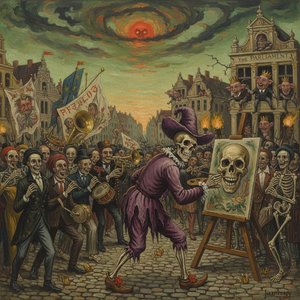
James Ensor's Grotesque Visions: Social Commentary & Artistic Innovation
Explore the unsettling yet captivating world of James Ensor, a pioneer of Expressionism. Discover his satirical masterpieces, symbolic imagery & lasting influence on modern art. High-quality reproductions available at OriginalUniqueArt.
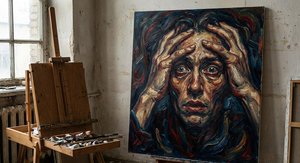
Figurative Expressionism: Emotional Intensity & Subjective Reality in 20th-Century Art
Explore the powerful world of Figurative Expressionism with OriginalUniqueArt. Discover key artists like Kirchner & Beckmann, understand its emotional depth, and learn how to collect this influential 20th-century art movement.
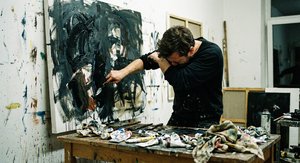
The Raw Emotion of Expressionism: A Deep Dive into its History, Characteristics & Enduring Influence
Explore the raw emotion of Expressionism with OriginalUniqueArt. Discover its history, key artists like Kirchner & Munch, and lasting influence on modern art. Expert insights for collectors & enthusiasts.


