
 पूर्वावलोकन देखें
 साझा करें
 साझा करें
 विस्तृत विवरण
 मार्गदर्शिका

 डाउनलोड करें
 समान वस्तुएं
 एक्स-रे
 स्लाइड शो देखें
 प्रश्न और उत्तर
 आंकड़े
Wheat Fields

- 100.0 x 130.0 cm


 पूरा देखें
गिक्ली / आर्ट प्रिंट
तेज़ उत्पादन और विभिन्न फिनिश विकल्पों के साथ म्यूजियम-क्वालिटी गिकली (giclée) या कैनवस प्रिंट। ( इस संग्रहणीय वस्तु की हाथ से बनी प्रतिकृति मंगवाएं डिजिटल इमेज पर स्विच करें)




P118B ₹10

P118H ₹10

P118W ₹10

P438Z ₹10

P508JH ₹12

P508YH ₹12

P805H ₹10

P805Z ₹10

P919BZ ₹10

P919G ₹10

P919XJ ₹10

P959ZH ₹10

P968JZ ₹12

W106C ₹8

W218G ₹10

W218JH ₹8

W218Y ₹10

W307PJ ₹10

W316G ₹10

W316PJ ₹8

W316Y ₹10

W398PJ ₹8

W4111J ₹10

W500HY ₹15

W500JH ₹15

W692G ₹12

W849H ₹8

W940BG ₹15

W953PJ ₹8




कलाकृति के मूल अनुपात से मेल खाने वाले हमारे पूर्व निर्धारित आकारों में से चुनें।

अपने फ्रेम या अपनी दीवार के अनुसार आवश्यक चौड़ाई और ऊंचाई दर्ज करें। प्रिंट को केवल काटा जा सकता है, चित्र से बड़ा कभी नहीं बनाया जा सकता, इसलिए अलग आकार का साइज चित्र का एक हिस्सा खो देता है। किसी भी चीज़ को प्रिंट करने से पहले हम आपकी स्वीकृति के लिए आपको एक डिजिटल मॉकअप भेजते हैं। इस पृष्ठ पर दिखाया गया चित्र वास्तविक कटिंग नहीं दिखाता है — केवल मॉकअप ही इसे दर्शाता है।
विश्वव्यापी डिलीवरी (), मानक 4/5 सप्ताह के बजाय मात्र 2 सप्ताह में। (11 नवमबर)

दुनिया भर में मुफ़्त एक्सप्रेस शिपिंग

उच्च गुणवत्ता वाला लिनेन कैनवास

पूर्ण शिपिंग बीमा

सीमा शुल्क और आयात कर वापसी की गारंटी

सटीक रंग मिलान की गारंटी

100 दिनों की वापसी नीति (केवल दोष होने पर)

100% पैसे वापसी की गारंटी

थोक छूट का अवसर
 ग्लास का विकल्प केवल 110 सेमी से कम आकार में ही उपलब्ध है।

Wheat Fields
गिक्ली / आर्ट प्रिंट
प्रतिकृति का आकार
-


कुल देय राशि
₹ 7720
Jacob van Ruisdael’s “Wheat Fields”: A Symphony of Light and Landscape
“Wheat Fields,” painted circa 1670 by Jacob Jansz van Ruisdael, stands as arguably the most arresting depiction of Dutch pastoralism from the Golden Age. More than just a scenic vista, it's a masterful orchestration of atmospheric perspective and compositional dynamism—a painting that continues to resonate with viewers centuries later. Examining its intricacies reveals not only Van Ruisdael’s technical prowess but also his profound understanding of conveying emotion through visual language.A Masterclass in Atmospheric Perspective
Van Ruisdael's signature style is characterized by a deliberate flattening of depth, achieved through subtle gradations of color and tonal variation. The distant wheat field recedes into hazy blues and greens—a technique known as atmospheric perspective—creating an illusion of vastness and conveying the serenity of rural life. Unlike many contemporaries who prioritized detailed realism, Ruisdael prioritized capturing the essence of a landscape rather than meticulously recreating every blade of grass. This approach aligns perfectly with the prevailing philosophical currents of the time, where contemplation and reflection on nature held considerable sway. The artist skillfully uses light—particularly diffused sunlight filtering through clouds—to sculpt the forms of the field and its inhabitants, imbuing the scene with an ethereal quality.Compositional Drama: Figures Amidst Vastness
The inclusion of two figures—a man carrying a bag and a woman accompanied by a child—adds a crucial element of narrative complexity to the landscape. Their placement at the forefront draws the eye inward, anchoring the viewer’s gaze amidst the expansive expanse of wheat and sky. The figures aren't merely decorative additions; they serve as symbols of human presence within the natural world, prompting contemplation about our relationship with the environment. Furthermore, Van Ruisdael employs a dynamic diagonal line that bisects the canvas, guiding the eye across the scene and enhancing its visual impact. This compositional device contributes to the painting’s dramatic tension—the subtle interplay between light and shadow emphasizing the contours of the landscape and the figures alike.Symbolism Rooted in Dutch Identity
“Wheat Fields” embodies the spirit of the Dutch Golden Age, reflecting a fascination with idealized representations of national identity. The wheat field itself symbolizes fertility and prosperity—themes central to Dutch agricultural traditions and economic success during this period. The inclusion of livestock reinforces these associations, grounding the scene in tangible realities while simultaneously elevating it to a realm of symbolic significance. Van Ruisdael’s depiction of the sky—dominated by swirling clouds illuminated by sunlight—suggests both beauty and vulnerability—a motif that resonates with broader anxieties about the unpredictable forces of nature.Emotional Resonance: Tranquility and Reflection
Ultimately, “Wheat Fields” succeeds in evoking a profound sense of tranquility and contemplation. The muted palette—primarily blues, greens, and browns—creates an atmosphere of calm repose, inviting viewers to immerse themselves in the stillness of the countryside. Yet, beneath this surface serenity lies a subtle undercurrent of drama—the interplay of light and shadow hinting at hidden complexities. As Gavin Finney eloquently describes it, Ruisdael “picks the moment you’d want to press the shutter on a camera,” capturing not just what is seen but also what is felt—a testament to Van Ruisdael's ability to transform visual observation into emotionally resonant art.- Artist: Jacob Jansz van Ruisdael
- Date: Circa 1670
- Medium: Oil on Canvas
- Dimensions: 39 3/8 x 51 1/4 in. (100 x 130.2 cm)
प्रश्न और उत्तर
"Wheat Fields" का निर्माण किस वर्ष और किस कला आंदोलन के दौरान किया गया था?
जैकोब आइसाक्सज़ून वैन रुइसडेल द्वारा "Wheat Fields" की रचना 1670 में हुई थी और यह Dutch Golden Age Landscape आंदोलन से संबंधित है।
"Wheat Fields" के Dutch Golden Age Landscape का संबंध किस देश की संस्कृति से है?
Dutch Golden Age Landscape शैली की यह कृति "Wheat Fields", नीदरलैण्ड में जन्मे एक कलाकार द्वारा बनाई गई थी।
मैं जैकोब आइसाक्सज़ून वैन रुइसडेल द्वारा "Wheat Fields" कहाँ से डाउनलोड कर सकता हूँ?
जैकोब आइसाक्सज़ून वैन रुइसडेल द्वारा "Wheat Fields" की छवि को कलाकृति के डाउनलोड करें पेज से डाउनलोड किया जा सकता है: उच्च-रिज़ॉल्यूशन वाली डिजिटल इमेज डाउनलोड।
कलाकार की जीवनी
प्रारंभिक जीवन, परिवार और प्रशिक्षण
1628 में नीदरलैंड के हार्लेम में जन्मे, जैकोब आइसाक्सज़ून वैन रुइसडेल एक ऐसी दुनिया में आए जहाँ कला एक पारिवारिक व्यवसाय थी। वे इसाक वैन रुइसडेल और मेकेन कॉर्नलिसडॉक्टर के पुत्र थे, और एक ऐसे वंश में पले-बढ़े जहाँ कुशल शिल्पकारों का बोलबाला था। उनके दादा, जैकोब डी गोयर, एक फर्नीचर निर्माता के रूप में कार्य करते थे, जिससे उनके घर का वातावरण शिल्प कौशल और तकनीकी सटीकता से परिभाषित होता था। निर्माण की इसी विरासत ने दृश्य कलाओं के प्रति समर्पित उनके जीवन की नींव रखी।
उनके विकास की दिशा संभवतः उनके निकटतम लोगों द्वारा ही निर्धारित की गई थी। वे उस युग के एक प्रमुख परिदृश्य चित्रकार, सालोमन वैन रुइसडेल के भतीजे थे। यह व्यापक रूप से माना जाता है कि जैकोब आइसाक्सज़ून वैन रुइसडेल ने अपने चाचा के मार्गदर्शन में औपचारिक प्रशिक्षण प्राप्त किया, जहाँ उन्होंने प्रत्यक्ष प्रशिक्षुता के माध्यम से डच परिदृश्य की बारीकियों को आत्मसात किया। यह पारिवारिक संबंध केवल शिक्षा तक ही सीमित नहीं था; इसने उन्हें हार्लेम स्कूल की स्थापित परंपराओं से सीधा जोड़ दिया।
वर्ष 1648 तक, उनकी व्यावसायिक स्थिति तब औपचारिक हो गई जब वे हार्लेम चित्रकारों के गिल्ड के सदस्य बने। यह सदस्यता उनके परिवार के शिल्प के एक छात्र से एक स्वतंत्र और मान्यता प्राप्त कलाकार के रूप में उनके परिवर्तन का प्रतीक थी। उनके शुरुआती वर्ष इस प्रतिस्पर्धी कलात्मक केंद्र में अपनी पहचान बनाने में बीते, जो उन्हें उस व्यापक करियर के लिए तैयार कर रहे थे जो अंततः उन्हें उनके जन्मस्थान से दूर ले जाने वाला था।
एम्स्टर्डम में जीवन और करियर
हार्लेम की शांति से एम्स्टर्डम के हलचल भरे व्यापारिक जीवन की ओर प्रस्थान ने जैकोब आइसाक्सज़ून वैन रुइसडेल के जीवन में एक निर्णायक मोड़ लाया। डच गणराज्य के इस वाणिज्यिक केंद्र द्वारा प्रदान किए गए व्यापक बाजारों की तलाश में, वे लगभग 1656 या 1657 के आसपास इस शहर में आकर बस गए। उनके इस प्रवास के दौरान कई व्यक्तिगत मील के पत्थर भी जुड़े, जिसमें 17 जून 1657 को नाarden के पास एंकेवीन में उनका बपतिस्मा शामिल था। एक बार बस जाने के बाद, वे अपने जीवन के शेष भाग के लिए एम्स्टर्डम में ही रहे, और उस शहरी परिदृश्य के भीतर अपनी पहचान बनाई जिसे उन्होंने अपने चित्रों में बार-बार जीवंत किया।
शहर में उनका पेशेवर जीवन विविध विषयों के निरंतर सृजन के लिए जाना जाता था, जिसमें विस्तृत शहर के दृश्यों से लेकर डैमराक (Damrak) के जटिल विवरण तक सब कुछ शामिल था। जैसे-जैसे उनकी परिपक्वता बढ़ी, उनकी रुचियां कैनवास की सीमाओं से परे फैलती हुई प्रतीत हुईं। कहा जाता है कि अपने अंतिम वर्षों में, उन्होंने एक चिकित्सक के रूप में भी अभ्यास किया, एक ऐसा पेशा जो उनके दृश्य अवलोकनों के साथ-साथ एक बौद्धिक विविधतापूर्ण जीवन का संकेत देता है। शहर में उनका यह दोहरा अस्तित्व एक ऐसे व्यक्ति के बहुआयामी स्वभाव को दर्शाता है जो डच स्वर्ण युग के सामाजिक और व्यावसायिक ताने-बाने में गहराई से रचा-बसा था।
तकनीक और कलात्मक शैली
कैनवास के प्रति जैकोब आइसाक्सज़ून वैन रुइसडेल का दृष्टिकोण एक बेचैन बहुमुखी प्रतिभा से परिभाषित था। वे किसी एक शैली में सिमट कर नहीं रहे, बल्कि उन्होंने कृतियों का एक ऐसा प्रचुर संग्रह तैयार किया जो शांत ग्रामीण दृश्यों से लेकर अधिक वीरतापूर्ण और विस्तृत परिदृश्यों तक बदलता रहा। उनकी तकनीकी सटीकता मुख्य रूप से तेल के रंगों की पतली परतों (glazes) के अनुप्रयोग पर टिकी थी। इस विधि ने उन्हें रंग और स्वर के सूक्ष्म उतार-चढ़ाव प्राप्त करने की अनुमति दी, जिससे गहराई का एक ऐसा अहसास पैदा हुआ जो केवल चित्रित न होकर जीवंत और वास्तविक प्रतीत होता था। इस धैर्यपूर्ण अनुप्रयोग के माध्यम से, उन्होंने वायुमंडलीय परिप्रेक्ष्य (atmospheric perspective) में महारत हासिल की, जहाँ उन्होंने हवा की धुंधली गुणवत्ता का उपयोग करके दूर की पहाड़ियों और जंगलों को एक कोमल, चांदी जैसी आभा में विलीन कर दिया।
उनकी कृतियों का भाव अक्सर एक ऐसे भार को वहन करता था जो साधारण स्थलाकृति से कहीं परे था। उनके पास अपनी रचनाओं में एक काव्यमय, कभी-कभी उदास या त्रासद गुण भरने की विशेष क्षमता थी। यह प्रकाश और छाया पर उनके उत्कृष्ट नियंत्रण के माध्यम से प्राप्त किया गया था। कठोर और झटकेदार विरोधाभासों पर निर्भर रहने के बजाय, उन्होंने किसी दृश्य के भावनात्मक तापमान को आकार देने के लिए प्रकाश का उपयोग किया। उनकी रचनाएँ अक्सर नाटकीय होती थीं, जो नीचे के स्थलीय तत्वों को बौना बनाने के लिए आकाश की विशालता का उपयोग करती थीं। उनके कई बाद के कार्यों में, आकाश फ्रेम के एक महत्वपूर्ण हिस्से पर कब्जा कर लेता है, जो कार्य के आंतरिक तनाव और वातावरण के प्राथमिक चालक के रूप में कार्य करता है।
प्रमुख और महत्वपूर्ण कृतियाँ
उनके करियर के शुरुआती दौर के कार्य एक ऐसे चित्रकार का परिचय देते हैं जो डच ग्रामीण इलाकों की बनावट और बारीकियों में गहराई से डूबा हुआ था। वर्ष 1646 में, उन्होंने Glade in a Wood और Landscape with a Village in the Distance जैसी कृतियों का सृजन किया, जिन्होंने प्राकृतिक तत्वों को एक सुसंगत और वायुमंडलीय दृश्यों में पिरोने की उनकी अद्भुत क्षमता को स्थापित किया। 1649 तक, उनका ध्यान अपने गृह क्षेत्र की विशिष्ट स्थलाकृति की ओर स्थानांतरित हो गया, जैसा कि The Thicket (Path in the Haarlem Dunes) में देखा जा सकता है। उनके ये शुरुआती वर्ष घने जंगलों और खुले विस्तृत दृश्यों के भीतर प्रकाश और छाया के परस्पर खेल पर बढ़ती पकड़ से परिभाषित थे।
जैसे-जैसे उनकी तकनीकी दक्षता परिपक्व होती गई, उनके विषयों का विस्तार हुआ और उनमें अधिक नाटकीय और विविध वातावरण शामिल होने लगे। वर्ष 1650 उनके लिए विशेष रूप से फलदायी सिद्ध हुआ, जिससे The Cloister और अधिक अशांत Rough Sea at a Jetty जैसी उत्कृष्ट कृतियाँ सामने आईं। इस अवधि के दौरान, उन्होंने Two Watermills and an Open Sluice near Singraven में मानवीय उद्योग और प्रकृति के मिलन का अन्वेषण किया, और Landscape with a Traveller में परिदृश्य के शांत एकांत को जीवंत किया। ये रचनाएँ पैमाने की परिष्कृत समझ और उस तरीके को प्रदर्शित करती हैं जिससे प्रकाश समय के एक विशिष्ट क्षण को परिभाषित करता है।
जैकोब आइसाक्सज़ून वैन रुइसडेल की बाद की रचनाओं ने अक्सर प्राकृतिक दुनिया की संरचनात्मक सुंदरता पर जोर दिया। वर्ष 1656 में, Edge of a Forest with a Grainfield ने वन क्षेत्र की सघन उपस्थिति और कृषि भूमि के खुलेपन के बीच संतुलन बनाने के उनके कौशल का प्रदर्शन किया। इन बदलते परिप्रेक्ष्यों को चित्रित करने की उनकी क्षमता ने डच स्वर्ण युग की दृश्य भाषा को परिभाषित करने में मदद की।
- Glade in a Wood (1646)
- Landscape with a Village in the Distance (1646)
- The Thicket (Path in the Haarlem Dunes) (1649)
- The Cloister (1650)
- Rough Sea at a Jetty (1650)
- Two Watermills and an Open Sluice near Singraven (1650)
विरासत और प्रभाव
जैकोब आइसाक्सज़ून वैन रुइसडेल की दृष्टि का विस्तार नीदरलैंड की सीमाओं से कहीं आगे तक था, जो बाद की परिदृश्य परंपराओं की नींव तक पहुँच गई। वे स्वच्छंदतावाद (रोमैंटिसिज्म) के उदय से पहले ही एक सच्चे स्वच्छंदतावादी थे, जिन्होंने प्राकृतिक दुनिया को एक नैतिक गहराई और एक गंभीर, काव्यमय भाव से सराबोर कर दिया था, जिसने आने वाली शताब्दियों की भावनात्मक तीव्रता का पूर्वाभास कराया था। किसी दृश्य में एक विशिष्ट मनोवैज्ञानिक वातावरण भरने की उनकी इस अद्भुत क्षमता ने उनके निधन के बहुत बाद तक उनकी कला को विभिन्न कला आंदोलनों के बीच जीवंत बनाए रखा। उनके प्रभाव ने न केवल अंग्रेजी स्वच्छंदतावादियों और फ्रांस के बारबिजोन स्कूल को आकार देने में मदद की, बल्कि उनका प्रभाव अटलांटिक पार कर संयुक्त राज्य अमेरिका के हडसन रिवर स्कूल तक भी पहुँचा।
अपने ही देश के भीतर, उन्होंने डच परिदृश्य कलाकारों की पीढ़ियों को प्रेरित किया, और यह मानक स्थापित किया कि प्रकाश और छाया के माध्यम से ग्रामीण इलाकों की व्याख्या कैसे की जा सकती है। पर्यावरण के प्रति उनका दृष्टिकोण कभी भी केवल भौगोलिक नहीं था; वे भूमि के सार को पकड़ने का प्रयास करते थे, और अक्सर विस्मयकारी (sublime) की भावना व्यक्त करने के लिए नाटकीय आकाश और सघन बनावट का उपयोग करते थे। प्रकृति के वायुमंडलीय गुणों पर उनके इस विशेष ध्यान ने यह सुनिश्चित किया कि उनकी शैलीगत पसंद उनके पदचिन्हों पर चलने वाले कलाकारों के लिए एक आधारशिला बन जाए।
आज उनकी कृतियों को कहाँ देखें
जैकोब आइसाक्सज़ून वैन रुइसडेल के कैनवस आज यूरोप और अमेरिका के प्रमुख कला संग्रहालयों में बिखरे हुए हैं। नीदरलैंड्स में, एम्स्टर्डम का Rijksmuseum उनकी कलाकृतियों का एक महत्वपूर्ण संग्रह संजोए हुए है, जो उनके कलात्मक विकास का एक केंद्रित अवलोकन प्रदान करता है। वहीं पास में, द हेग का Mauritshuis भी उनकी कई पेंटिंग्स का घर है, जो उन परिदृश्यों की एक झलक पेश करता है जिन्होंने उनके करियर को परिभाषित किया। उनकी कला की गूँज लंदन की National Gallery तक भी पहुँचती है, जहाँ उनकी कृतियाँ अन्य महत्वपूर्ण डच उस्तादों के साथ प्रदर्शित की जाती हैं।
नीदरलैंड्स की सीमाओं के परे, कई अंतरराष्ट्रीय संस्थानों के स्थायी संग्रहों में उनका प्रभाव स्पष्ट रूप से दिखाई देता है। पेरिस का The Louvre और सेंट पीटर्सबर्ग का Hermitage Museum दोनों ही उनकी उत्कृष्ट कृतियों को अपने भीतर समेटे हुए हैं, जो यह सुनिश्चित करते हैं कि उनकी दृश्य भाषा वैश्विक कला जगत का हिस्सा बनी रहे। संयुक्त राज्य अमेरिका में, न्यूयॉर्क का Metropolitan Museum of Art उनकी पेंटिंग्स को संरक्षित करता है, जिससे प्रकाश और वातावरण के प्रति उनके अनूठे दृष्टिकोण का निरंतर अध्ययन संभव हो पाता है।
- Landscape with Waterfall, लगभग 1668
- The Windmill at Wijk bij Duurstede, 1670
- View of Haarlem with Bleaching Grounds, 1675
- एम्स्टर्डम में डैम स्क्वायर (detail), 1670

जैकोब आइसाक्सज़ून वैन रुइसडेल
1628 - 1682 , नीदरलैण्ड
प्रमुख तथ्य
- कला आंदोलन: डच स्वर्ण युग
- जन्म तिथि: 1628, हार्लेम
- जन्म स्थान: हार्लेम, नीदरलैंड
- जिन कलाकारों को प्रभावित किया:
- अंग्रेजी रोमांटिक
- बार्बिज़ोन स्कूल
- पूरा नाम: जैकोब आइसाक्सज़ून वान रुइसडेल
- प्रभावित कलाकार: ['हेन्ड्रिक व्रोम']
- प्रमुख कलाकृतियाँ:
- हारलेम का दृश्य
- वाटरफॉल लैंडस्केप
- एम्स्टर्डम शहर दृश्य
- मृत्यु तिथि: 1682, एम्स्टर्डम
- राष्ट्रीयता: डच
संबंधित लेख

The Golden Harvest: Examining Vincent van Gogh’s Wheat Field Landscapes from Saint-Rémy
Explore the vibrant textures and colors of Van Gogh's Saint-Rémy wheat fields. Dive into this expert analysis of Post-Impressionist mastery.
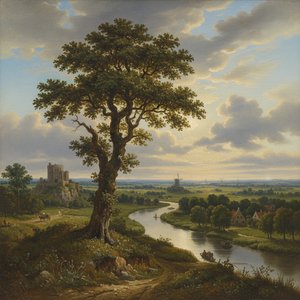
Jacob van Ruisdael: Master of Dutch Landscape & the Evocation of National Identity
Explore the life & work of Jacob van Ruisdael, the preeminent Dutch landscape painter. Discover his technical brilliance, symbolic depth, and lasting influence on art history. Learn about collecting Ruisdael's masterpieces.

Dutch Golden Age Landscapes: The Art of Atmospheric Realism and the Pastoral Ideal
Explore the mastery of Dutch Golden Age landscapes and atmospheric realism. Discover the secrets of these 17th-century masters now.

Jan van Goyen: Master of Dutch Landscape & Atmospheric Perspective
Discover Jan van Goyen, the master of Dutch landscape painting. Explore his subtle technique, atmospheric realism & lasting influence on art history. Learn about this 17th-century pioneer at OriginalUniqueArt.

Dutch Baroque Masters: 10 Paintings That Shaped an Era | OriginalUniqueArt
Journey through the Golden Age with our guide to the Top 10 Dutch Baroque masterpieces! Explore iconic paintings by Rembrandt, Vermeer & Frans Hals. Find museum-quality art reproductions and elevate your home decor at OriginalUniqueArt.com.

