टेक्स्ट का आकार

() ·

आपके लिए विशेष रूप से, हाथों से निर्मित एक पेंटिंग

Six Poetic Immortals

हस्तनिर्मित ऑयल रिप्रोडक्शन

आपके आकार और फ्रेम के अनुसार कैनवास पर हाथ से बनी ऑयल पेंटिंग, हमारे कलाकारों द्वारा विशेष रूप से ऑर्डर पर तैयार। ( प्रिंट विकल्प पर स्विच करें डिजिटल इमेज पर स्विच करें)

संग्रहणीय वस्तु का विवरण

कलाकार की जीवनी

इतो जाकुचू (1716-1800) को जानें, एडो काल के एक क्रांतिकारी जापानी चित्रकार। अपने जीवंत पक्षी और फूल चित्रों, अद्वितीय दृष्टिकोण और ज़ेन बौद्ध प्रभावों के लिए प्रसिद्ध, वे एक 'अजीबोगरीब' मास्टर थे जिन्होंने जापानी कला को नया रूप दिया।

से ·

अध्याय 1

इसका आकार कितना होना चाहिए?

आकार बदलने के लिए स्लाइड करें; बाईं ओर की तस्वीर फ्रेम की वास्तविक चौड़ाई दर्शाती है। मूल कलाकृति के अनुपात को बरकरार रखा गया है।

मानक
कस्टम
CM
INCH

कलाकृति के मूल अनुपात से मेल खाने वाले हमारे पूर्व निर्धारित आकारों में से चुनें।

चौड़ाई
ऊँचाई

अपने फ्रेम या अपनी दीवार के अनुसार आवश्यक चौड़ाई और ऊंचाई दर्ज करें। यह हाथ से पेंट किया गया है, इसलिए अलग आकार के लिए कलाकार चित्र के चारों ओर थोड़ा अधिक पेंट कर सकता है, या थोड़ा काट सकता है — चुनाव आपका है। पेंटिंग शुरू होने से पहले हम आपकी स्वीकृति के लिए एक डिजिटल मॉकअप भेजते हैं। इस पृष्ठ पर दिखाई गई तस्वीर वास्तविक परिणाम नहीं दिखाती है — केवल मॉकअप ही वास्तविक रूप दिखाता है।

अध्याय 2

यह किस रूप में पहुँचना चाहिए?

स्ट्रेच्ड कैनवास के किनारों का चयन करें

अपना फ्रेम चुनें

Corner sample of the WhiteWrap canvas edge finish, stretched on ठोस लकड़ी bars
सफेद किनारे ₹1
Corner sample of the BlurSideWrap canvas edge finish, stretched on ठोस लकड़ी bars
धुंधला किनारा ₹1
Corner sample of the ExtendedWrap canvas edge finish, stretched on ठोस लकड़ी bars
विस्तारित ₹1
Corner sample of the P118B picture frame: मोल्डेड पॉलीस्टायरीन, 5 cm wide and 3 cm thick
P118B ₹10
Corner sample of the P118H picture frame: मोल्डेड पॉलीस्टायरीन, 5 cm wide and 3 cm thick
P118H ₹10
Corner sample of the P118W picture frame: मोल्डेड पॉलीस्टायरीन, 5 cm wide and 3 cm thick
P118W ₹10
Corner sample of the P438Z picture frame: मोल्डेड पॉलीस्टायरीन, 5.5 cm wide and 3.5 cm thick
P438Z ₹10
Corner sample of the P508JH picture frame: मोल्डेड पॉलीस्टायरीन, 7 cm wide and 3.5 cm thick
P508JH ₹12
Corner sample of the P508YH picture frame: मोल्डेड पॉलीस्टायरीन, 7 cm wide and 3.5 cm thick
P508YH ₹12
Corner sample of the P805H picture frame: मोल्डेड पॉलीस्टायरीन, 5 cm wide and 3.5 cm thick
P805H ₹10
Corner sample of the P805Z picture frame: मोल्डेड पॉलीस्टायरीन, 5 cm wide and 3.5 cm thick
P805Z ₹10
Corner sample of the P919BZ picture frame: मोल्डेड पॉलीस्टायरीन, 7 cm wide and 3.5 cm thick
P919BZ ₹10
Corner sample of the P919G picture frame: मोल्डेड पॉलीस्टायरीन, 7 cm wide and 3.5 cm thick
P919G ₹10
Corner sample of the P919XJ picture frame: मोल्डेड पॉलीस्टायरीन, 7 cm wide and 3.5 cm thick
P919XJ ₹10
Corner sample of the P959ZH picture frame: मोल्डेड पॉलीस्टायरीन, 5 cm wide and 3 cm thick
P959ZH ₹10
Corner sample of the P968JZ picture frame: मोल्डेड पॉलीस्टायरीन, 6 cm wide and 4 cm thick
P968JZ ₹12
Corner sample of the W106C picture frame: ठोस लकड़ी, 5 cm wide and 3 cm thick
W106C ₹8
Corner sample of the W218G picture frame: ठोस लकड़ी, 5 cm wide and 3 cm thick
W218G ₹10
Corner sample of the W218JH picture frame: ठोस लकड़ी, 5 cm wide and 3 cm thick
W218JH ₹8
Corner sample of the W218Y picture frame: ठोस लकड़ी, 5 cm wide and 3 cm thick
W218Y ₹10
Corner sample of the W307PJ picture frame: ठोस लकड़ी, 6 cm wide and 3 cm thick
W307PJ ₹10
Corner sample of the W316G picture frame: ठोस लकड़ी, 6 cm wide and 3 cm thick
W316G ₹10
Corner sample of the W316PJ picture frame: ठोस लकड़ी, 6 cm wide and 3 cm thick
W316PJ ₹8
Corner sample of the W316Y picture frame: ठोस लकड़ी, 6 cm wide and 3 cm thick
W316Y ₹10
Corner sample of the W398PJ picture frame: ठोस लकड़ी, 5 cm wide and 3 cm thick
W398PJ ₹8
Corner sample of the W4111J picture frame: ठोस लकड़ी, 6.5 cm wide and 3.5 cm thick
W4111J ₹10
Corner sample of the W500HY picture frame: ठोस लकड़ी, 7 cm wide and 5 cm thick
W500HY ₹15
Corner sample of the W500JH picture frame: ठोस लकड़ी, 7 cm wide and 5 cm thick
W500JH ₹15
Corner sample of the W692G picture frame: ठोस लकड़ी, 8 cm wide and 4 cm thick
W692G ₹12
Corner sample of the W849H picture frame: ठोस लकड़ी, 5 cm wide and 3 cm thick
W849H ₹8
Corner sample of the W940BG picture frame: ठोस लकड़ी, 7.5 cm wide and 4.5 cm thick
W940BG ₹15
Corner sample of the W953PJ picture frame: ठोस लकड़ी, 6 cm wide and 3.5 cm thick
W953PJ ₹8
Corner sample of the H24-GOLD picture frame: गैसो के साथ नक्काशीदार लकड़ी, 10 cm wide and 6 cm thick
H24-GOLD ₹30
Corner sample of the H24-SILVER picture frame: गैसो के साथ नक्काशीदार लकड़ी, 10 cm wide and 6 cm thick
H24-SILVER ₹30
Corner sample of the H36-GOLD picture frame: गैसो के साथ नक्काशीदार लकड़ी, 15 cm wide and 6.5 cm thick
H36-GOLD ₹45
Corner sample of the H36-SILVER picture frame: गैसो के साथ नक्काशीदार लकड़ी, 15 cm wide and 6.5 cm thick
H36-SILVER ₹45
फ्रेम का पूर्वावलोकन
फ्रेम किया हुआ

मोल्डिंग: . फ्रेम सहित कुल आकार: .

अध्याय 3

इसे कौन चित्रित करता है, और क्या इसमें कुछ बदलना चाहिए?

क्या बदला जा सकता है उसके उदाहरण: चेहरे को ग्राहक की फोटो से बदलें; पालतू जानवर जोड़ें (जैसे, बिल्ली की जगह कुत्ता); बैकग्राउंड में छिपा हुआ संदेश शामिल करें; बैकग्राउंड का परिदृश्य या तत्व बदलें।
ऑर्डर के बाद, OriginalUniqueArt.com टीम निर्देशों के लिए क्लाइंट को ईमेल करेगी और एक मॉकअप प्रीव्यू प्रदान करेगी

विश्वव्यापी वितरण () मानक 5 सप्ताह के बजाय मात्र 3/4 सप्ताह में। (6 नवमबर)। गुणवत्ता से कोई समझौता नहीं।

अध्याय 4

अंतिम रूप देना

एक नेमप्लेट, बिल्कुल म्यूजियम की तरह?

उत्कीर्ण कांस्य पट्टिका का विवरण

This elegant plaque features the artist's name and the title of the artwork, finely engraved for a timeless presentation.

It is made from bronze with a refined, elegant finish. The text is precisely laser-engraved for a sharp and permanent result. Measuring 9x2 cm, the plaque is compact yet easy to read. It's built to be durable and scratch-resistant, offering a professional, museum-quality look. Mounting is simple thanks to the included adhesive backing.

पारदर्शी ऐक्रेलिक पट्टिका का विवरण

The plaque includes essential engraved details such as the artist's name, the title of the artwork, the date it was created, the type of media used-like oil on canvas or watercolor-a brief description of the piece, and a QR code that links to the complete artwork information.

It is crafted from clear acrylic, offering a sleek, modern appearance. The text is UV-engraved in black to ensure strong visual contrast. With a size of 10x15 cm, it ensures optimal readability. It comes equipped with two metal hooks for secure wall mounting. The plaque is designed to be weather-resistant, making it suitable for various environments, and it includes interactive features that work seamlessly with smartphone scanning.

काले ऐक्रेलिक पट्टिका का विवरण

This elegant plaque includes engraved information such as the artist's name, the title of the artwork, the date it was created, the type of media used (like oil on canvas or watercolor), a short description of the artwork, and a QR code for quick access to more information.

The plaque itself is made from refined black acrylic with a premium finish. The text is laser-engraved in white for high contrast and readability. Its size is 10x15 cm, designed to be easy to read. It comes with two metal hooks for professional mounting. The design is sleek and fits any interior style. It is also weather-resistant and durable, with built-in digital integration for mobile compatibility.

एक सुरक्षात्मक वार्निश?

आपको इसकी आवश्यकता कब है?

अध्याय 5

आपकी पेंटिंग, जैसा आपने ऑर्डर किया था

Six Poetic Immortals

प्रतिकृति की निर्माण सामग्री

प्रतिकृति का आकार

-

प्रतिष्ठित वरिष्ठ कलाकार

अधिक विस्तार, सूक्ष्मता और अतिरिक्त निर्माण समय

-

प्रतिकृति फ्रेमिंग विकल्प

-

-

किसी भी तरफ से 105 सेमी (लगभग 41 इंच) से बड़े कलाकृतियों या पुनरुत्पादनों के लिए, फ्रेम को एक किट के रूप में अलग करके भेजा जाएगा। यह तरीका सुरक्षित डिलीवरी सुनिश्चित करता है और परिवहन के दौरान होने वाली क्षति को रोकता है।

पेशेवर असेंबली आवश्यक है - यह DIY उत्पाद नहीं है।
किट को एक अनुभवी पेशेवर फ्रेम बनाने वाले (framer) द्वारा असेंबल किया जाना चाहिए और कैनवास को खींचा जाना चाहिए, जिसमें लकड़ी के गोंद (प्रदान नहीं किया गया), एक कैनवास स्ट्रेचिंग प्लायर और गोंद सूखने तक बार्स को सीधा रखने के लिए क्लैम्प्स का उपयोग किया जाए। गलत असेंबली या कैनवास का असमान तनाव कलाकृति को स्थायी रूप से नुकसान पहुँचा सकता है और यह हमारी वारंटी के अंतर्गत नहीं आता है।

  • सभी ठोस लकड़ी की पट्टियाँ शामिल हैं, जिन्हें सटीक माप में काटा गया है।

  • इसे साथ में दिए गए स्क्रू और कोनों के जोड़ों के लिए वुड ग्लू (लकड़ी चिपकाने वाला गोंद) का उपयोग करके जोड़ा जा सकता है, जो कि साथ में नहीं दिया गया है और इसे आपके फ्रेम बनाने वाले द्वारा उपलब्ध कराया जाना चाहिए।

  • पेशेवर उपकरणों की आवश्यकता है जो किट में शामिल नहीं हैं: एक कैनवास स्ट्रेचिंग प्लायर (तनाव देने वाला उपकरण) और गोंद सूखने के दौरान बार्स को सीधा रखने के लिए क्लैम्प्स।

महत्वपूर्ण:
कोने के जोड़ों के लिए वुड ग्लू (लकड़ी का गोंद) की आवश्यकता होती है, गोंद के पूरी तरह सूखने तक बार्स को क्लैम्प्स से दबाकर रखना आवश्यक है, और तैयार फ्रेम पर कैनवास को कसने के लिए कैनवास स्ट्रेचिंग प्लायर की आवश्यकता होती है। इनमें से कोई भी वस्तु किट में शामिल नहीं है। कृपया इस आकार का ऑर्डर देने से पहले एक अनुभवी पेशेवर फ्रेम बनाने वाले (framer) की व्यवस्था कर लें।

नामपट्टिका

-

-

सुरक्षात्मक वार्निश

चमकदार वार्निश (रंगों में निखार लाता है और प्रकाश एवं नमी से सुरक्षा प्रदान करता है)

-

मेरी कलाकृति को कस्टमाइज़ करें

बदलाव के कुछ उदाहरण: चेहरे को ग्राहक की फोटो से बदलें; पालतू जानवर जोड़ें (जैसे, बिल्ली की जगह कुत्ता लगाएँ); बैकग्राउंड में कोई गुप्त संदेश शामिल करें; बैकग्राउंड का परिदृश्य या अन्य तत्व बदलें।

-

अति आवश्यक

विश्वव्यापी वितरण (), मानक 5 सप्ताह के बजाय मात्र 3/4 सप्ताह में। (6 नवमबर)। गुणवत्ता से कोई समझौता नहीं।

-

तेज़ शिपिंग

विश्वव्यापी डिलीवरी (), 5 सप्ताह के भीतर। (13 नवमबर)।

शामिल है

कुल देय राशि

₹ 29065

कुल मूल्य ₹ 29065

ग्लास का विकल्प केवल 110 सेमी से कम आकार में ही उपलब्ध है।

प्रत्येक ऑर्डर के साथ शामिल

  • दुनिया भर में मुफ़्त एक्सप्रेस शिपिंग
  • उच्च गुणवत्ता वाला लिनेन कैनवास
  • पूर्ण शिपिंग बीमा
  • सीमा शुल्क और आयात कर वापसी की गारंटी
  • सटीक रंग मिलान की गारंटी
  • 100 दिनों की वापसी नीति (केवल दोष होने पर)
  • 100% पैसे वापसी की गारंटी
  • थोक छूट का अवसर

A Kyoto Merchant’s Vision: The World of Ito Jakuchū

Ito Jakuchū (1716–1800) stands apart from his contemporaries as a singular voice in Edo period Japanese art—a figure whose artistic trajectory defied convention and cemented his legacy as one of Japan's most original masters. Unlike many artists of his time who adhered to established lineages, Jakuchu’s creative journey was profoundly shaped by his family’s prosperous mercantile background and an unwavering devotion to Zen Buddhist philosophy. His father, Ito Genzaemon, a successful grocer, afforded young Jakuchu the freedom to pursue his burgeoning talent for painting from a formative age—a circumstance that fostered not only artistic skill but also a nuanced understanding of societal shifts and the growing influence of Kyoto’s merchant class—a perspective subtly woven into Jakuchū's distinctive visual language. While familial obligations might have steered others toward business pursuits, Jakuchu’s heart resided in the realm of art, driven by an irresistible impulse to distill life’s essence onto silk and ink.

Six Poetic Immortals: Symbolism and Composition

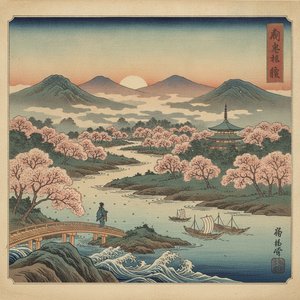
“Six Poetic Immortals” embodies Jakuchū's revolutionary approach to landscape painting—a genre traditionally dominated by meticulous detail and idealized vistas. Instead of striving for photographic accuracy, Jakuchū sought to capture a fleeting moment of sublime beauty, prioritizing atmosphere and suggestion over precise representation. The six figures seated on chairs are not merely subjects; they serve as conduits for Zen contemplation, embodying the ideals of harmony, balance, and detachment. Each posture conveys a specific meditative state—seated upright with eyes lowered, hands resting in repose—reflecting the core tenets of Zen Buddhism’s emphasis on mindfulness and inner stillness. The placement of the figures within the composition is equally deliberate: they are positioned to create a dynamic interplay between solidity and emptiness, mirroring the Buddhist concept of ‘mu,’ or no-thingness.

Technique and Materiality: Jakuchū's Unique Approach

Jakuchū’s mastery lay not in technical virtuosity but in an uncanny ability to coax extraordinary effects from humble materials—primarily inkstone pigment and paper. He employed a technique known as “yakinaoshi,” or “late-night illumination,” which involved applying ink thinly over moistened paper, allowing it to dry slowly and revealing subtle gradations of color and texture as it oxidized. This process yielded an ethereal luminosity that defied conventional methods, capturing the elusive beauty of twilight landscapes with unparalleled grace. The artist’s meticulous attention to detail—evident in the rendering of folds in drapery and the expressive gestures of the figures—was tempered by a profound awareness of spontaneity and improvisation. Jakuchū famously declared, “I do not strive for perfection; I aim for something like it,” encapsulating his artistic philosophy—a commitment to capturing the spirit of nature rather than replicating its surface appearance.

Historical Context: Edo Period Aesthetics

“Six Poetic Immortals” emerged during Japan’s Edo period (1689–1868)—an era characterized by relative peace and economic prosperity, fostering a flourishing artistic culture. However, unlike earlier periods marked by elaborate court patronage, Edo aesthetics prioritized simplicity and understated elegance—a reaction against the opulent grandeur of feudal Japan. Jakuchū's work aligns perfectly with this trend, reflecting Zen Buddhism’s influence on intellectual and artistic sensibilities—a movement that championed introspection and sought to transcend sensory experience in pursuit of enlightenment. The painting’s serene atmosphere and evocative imagery resonated deeply with audiences attuned to the spiritual values of the time, establishing “Six Poetic Immortals” as a cornerstone of Edo landscape art.

Emotional Impact: Capturing Sublime Beauty

Ultimately, “Six Poetic Immortals” transcends mere visual representation—it aspires to evoke profound emotional responses in the viewer. The painting’s luminous colors and delicate textures convey a sense of tranquility and wonder, transporting the observer to a realm beyond everyday concerns. Jakuchū's masterful manipulation of light and shadow creates an illusion of depth and dimensionality, inviting contemplation on the mysteries of existence. As viewers immerse themselves in this captivating artwork, they are encouraged to embrace the beauty of impermanence—to appreciate the fleeting moments of sublime splendor that punctuate life’s journey—a timeless message conveyed with exquisite artistry by Ito Jakuchū.

प्रश्न और उत्तर

"Six Poetic Immortals" के लिए कहाँ और किस उपयोग हेतु सुझाव दिया जाता है?

इतो जाकुचू द्वारा "Six Poetic Immortals" को Accent के लिए अनुशंसित किया जाता है, जो Living Room में रखने के लिए आदर्श है। उपयोग और स्थान मिलकर यह तय करने में मदद करते हैं कि एक प्रतिकृति (reproduction) कहाँ सटीक बैठेगी।

क्या मैं "Six Poetic Immortals" को फुल-स्क्रीन स्लाइडशो के रूप में देख सकता हूँ?

"Six Poetic Immortals" का स्लाइडशो कलाकृति के स्लाइडशो पेज पर देखा जा सकता है।

"Six Poetic Immortals" के लिए किस तकनीक का उपयोग किया गया था, और इसे कब बनाया गया था?

"Six Poetic Immortals" का निर्माण 1791 में, Acrylic On Canvas के माध्यम से किया गया था।

इस पेंटिंग के बारे में अधिक जानें

पूर्वावलोकन देखें AR में देखें प्रिंट विकल्प पर स्विच करें डिजिटल इमेज पर स्विच करें साझा करें


विस्तृत विवरण मार्गदर्शिका पसंदीदा में जोड़ें डाउनलोड करें समान वस्तुएं एक्स-रे स्लाइड शो देखें प्रश्न और उत्तर आंकड़े

आंकड़ों में

  • 1791जिस वर्ष इसे चित्रित किया गया था
  • 29चुनने के लिए उपलब्ध फ्रेम
  • मानक आकार, अपने स्वयं के अनुपात में
  • 5इसे पेंट करने और वितरित करने में कुछ सप्ताह लगेंगे
इतो जाकुचू

इतो जाकुचू

1716 - 1800, जापान

इतो जाकुचू के बारे में कुछ खास बातें

  • Artistic Movement Or Style: एदो काल की पेंटिंग
  • Artists Or Movements Influenced By This Artist: ['उकियो-ए']
  • Artists Who Influenced This Artist: ['ओओका शुनबोकू']
  • Date Of Birth: 2 मार्च, 1716
  • Date Of Death: 27 अक्टूबर, 1800
  • Full Name: इतो जाकुचू
  • Nationality: जापानी
  • Notable Artworks:
    • फाइव हंड्रेड अर्हत्स
    • हंसान और शिदे
    • क्रेब्स एंड पिओनीज़
    • बीन वाइन
    • टू क्रेन्स
    • ओल्ड पाइन
  • Place Of Birth: क्योटो, जापान

कलाकार की जीवनी

क्योटो के एक व्यापारी का दृष्टिकोण: इतो जाकुचू की दुनिया

1716 में क्योटो के हलचल भरे निशिकी बाजार जिले के बीच जन्मे, इतो जाकुचू जापान के सबसे मौलिक और मंत्रमुग्ध कर देने वाले कलाकारों में से एक के रूप में उभरे। अपने कई समकालीनों के विपरीत, जो स्थापित कला परंपराओं का अनुसरण करते थे, जाकुचू का मार्ग उनके परिवार की समृद्ध व्यापारिक पृष्ठभूमि और ज़ेन बौद्ध दर्शन के साथ उनके गहरे व्यक्तिगत जुड़ाव से अनूठे रूप से आकार ले चुका था। उनके पिता, इतो गेन्ज़ाएमोन, एक सफल किराना व्यापारी थे, जिन्होंने युवा जाकुच्यता को एक आरामदायक परवरिश दी जिससे उन्हें कम उम्र से ही पेंटिंग की अपनी बढ़ती प्रतिभा को निखारने का अवसर मिला। हालाँकि, इस व्यावसायिक वातावरण ने उनमें सामाजिक परिवर्तनों और क्योटो के व्यापारी वर्ग के बढ़ते प्रभाव के प्रति एक जागरूकता भी पैदा की—एक ऐसा दृष्टिकोण जिसने सूक्ष्म रूप से उनकी कलात्मक दृष्टि को प्रभावित किया। हालाँकि उनसे अंततः पारिवारिक व्यवसाय संभालने की अपेक्षा की गई थी, लेकिन जाकुचू का जुनून कहीं और था, ब्रश और स्याही के माध्यम से जीवन के सार को पकड़ने की एक तीव्र तड़प। 23 वर्ष की आयु में अपने पिता के निधन के बाद, जाकुचू ने कुछ समय के लिए दुकान का प्रबंधन किया, लेकिन फिर इसे अपने भाई को सौंप दिया और अंततः खुद को पूरी तरह से कला की साधना के प्रति समर्पित कर दिया।

परंपराओं से विद्रोह: शैली और विषय वस्तु

इतो जाकुचू की कलात्मक शैली सूक्ष्म यथार्थवाद और चंचल प्रयोगों का एक आकर्षक मिश्रण है। हालाँकि वे पारंपरिक जापानी विषयों—विशेष रूप से पक्षियों, फूलों और परिदृश्यों—में गहराई से निहित थे, लेकिन उन्होंने अपने काम में एक ऐसी नवीन भावना भरी जिसने उन्हें अपने कई समकालीनों से अलग खड़ा कर दिया। उन्होंने अपने यथार्थवादी चित्रण के लिए मारुयामा ओक्यो के साथ ख्याति प्राप्त की, फिर भी जाकुचू प्रकृति के केवल अनुकरण से कहीं आगे निकल गए। उनकी पेंटिंग्स जीवंत रंगों, गतिशील संरचनाओं और पारंपरिक दृष्टिकोणों को चुनौती देने की इच्छा द्वारा पहचानी जाती हैं। मुर्गियाँ, विशेष रूप से, उनके कार्यों में एक आवर्ती विषय बन गईं, जिन्हें साधारण खेत के जानवरों से उठाकर गहन कलात्मक अन्वेषण के योग्य बनाया गया। वे केवल वह नहीं चित्रित कर रहे थे जो उन्होंने *देखा*, बल्कि प्रत्येक जीव के भीतर निहित जीवंतता और चरित्र की खोज कर रहे थे। पक्षियों से परे, जाकुचू का कार्य अक्सर ज़ेन बौद्ध विषयों को दर्शाता है—एक चिंतनशील स्थिरता, अनित्यता के प्रति सम्मान और प्राकृतिक दुनिया के प्रति श्रद्धा। उदाहरण के लिए, उनकी प्रसिद्ध बीन वाइन (Bean Vine) केवल एक वानस्पतिक अध्ययन नहीं है, बल्कि विकास, क्षय और सभी चीजों के अंतर्संबंधों पर एक ध्यान है। उनके मास्टरफुल बहुक्रोम चित्रण – *दोशोकू साई-ए* – विशेष रूप से प्रसिद्ध हैं, जो विवरणों पर असाधारण ध्यान और उस काल की जापानी पेंटिंग में दुर्लभ जीवंत पैलेट का प्रदर्शन करते हैं।

ज़ेन का प्रभाव और कलात्मक विकास

जाकुचू की कला पर ज़ेन बौद्ध धर्म का प्रभाव निर्विवाद है। वे क्योटो के शोकोकु-जी मंदिर में एक भिक्षु (*कोजी*) बने, जहाँ उन्होंने खुद को ज़ेन सिद्धांतों में डुबो दिया जिसमें प्रत्यक्ष अनुभव, अंतर्ज्ञान और चिंतन के माध्यमता से ज्ञान की खोज पर जोर दिया गया था। इस आध्यात्मिक आधार ने उनके कलात्मक दृष्टिकोण को गहराई से आकार दिया, जिससे सांसारिक चिंताओं से अलगाव की भावना और अपने विषयों के सार को पकड़ने पर अटूट ध्यान केंद्रित हुआ। कहा जाता है कि उन्हें मंदिर के संग्रह के भीतर शास्त्रीय चीनी पेंटिंग का अध्ययन करने के लिए विशेष अनुमति भी मिली थी, जिससे उन्होंने सदियों की कलात्मक परंपरा को आत्मसात किया और साथ ही अपना अनूठा मार्ग बनाया। हालाँकि जाकुचू ने शुरुआत में ओओका शुनबोकू के तहत अध्ययन किया होगा, जो पक्षी और फूल पेंटिंग में विशेषज्ञता रखने वाले कानो स्कूल के कलाकार थे, लेकिन उन्होंने जल्द ही पारंपरिक प्रशिक्षण को पीछे छोड़ दिया और एक ऐसी विशिष्ट शैली विकसित की जिसे आसानी से वर्गीकृत नहीं किया जा सकता था। स्थापित मानदंडों को तोड़ने की उनकी इच्छा ने उन्हें "विचित्रों की वंशावली" (Lineage of Eccentrics) के साथ जोड़ दिया—एक आंदोलन जिसे नोबुओ सुजी की प्रभावशाली पुस्तक *किसो नो केइफू* द्वारा रेखांकित किया गया है। इस कार्य ने उन कलाकारों का समर्थन किया जिन्होंने कलात्मक परंपराओं को चुनौती दी, जिससे जापानी कला इतिहास में एक महत्वपूर्ण व्यक्ति के रूप में जाकुचू का स्थान सुदृढ़ हुआ।

विरासत और पुनर्खोज

अपनी प्रतिभा और समर्पण के बावजूद, इतो जाकुचू अपने जीवनकाल के दौरान अपेक्षाकृत अज्ञात रहे। 20वीं शताब्दी तक उनके काम को व्यापक पहचान मिलना शुरू नहीं हुई, जिसका मुख्य श्रेय सुजी के उस शोध को जाता है जिसने एदो काल की पेंटिंग के प्रति धारणाओं में क्रांति ला दी। जाकुचू को "विचित्रों की वंशावली" के भीतर एक प्रमुख व्यक्ति के रूप में सुजी के समर्थन ने उनकी कला में नए उत्साह को जन्म दिया और उन्हें जापान के सबसे महत्वपूर्ण और अभिनव चित्रकारों में से एक के रूपता स्थापित किया। उनका प्रभाव लोकप्रिय वुडब्लॉक प्रिंट शैली उकियो-ए के विकास में भी देखा जा सकता है, जो जापानी कला संस्कृति पर उनके व्यापक प्रभाव को प्रदर्शित करता है। परिप्रेक्ष्य, रंग और विषय वस्तु के साथ प्रयोग करने की जाकुचू की इच्छा ने कलाकारों की भविष्य की पीढ़ियों के लिए परंपराओं को चुनौती देने और नई रचनात्मक संभावनाओं का पता लगाने का मार्ग प्रशस्त किया। 1766 में ज़ेन भिक्षु दाइतेन केंजो द्वारा लिखे गए एक जीवनी में जाकुचू के कलात्मक दर्शन की मूल्यवान अंतर्दृष्टि मिलती है, जो मानव आकृतियों से उनके जानबूझकर किए गए परहेज को प्रकट करती है—एक ऐसा चुनाव जो प्राकृतिक दुनिया और उसकी अंतर्निहित सुंदरता पर उनके ध्यान को रेखांकित करता है। आज, इतो जाकुचू को न केवल उनके तकनीकी कौशल के लिए बल्कि उनके अद्वितीय दृष्टिकोण के लिए भी मनाया जाता है, जो एक ऐसे कलाकार की स्थायी शक्ति का प्रमाण है जिसने अपना रास्ता खुद बनाने और अद्वितीय मौलिकता के साथ अपने समय की भावना को पकड़ने का साहस किया।

प्रमुख कार्य

  • फाइव हंड्रेड अर्हत्स (Five Hundred Arhats): जाकुचू के असाधारण कौशल और समर्पण को प्रदर्शित करने वाली एक स्मारकीय कृति।
  • हानशान और शिडे (Hanshan and Shide): जापानी संस्कृति और लोककथाओं के सार को पकड़ने की उनकी क्षमता को प्रदर्शित करता है।
  • क्रेब्स और पिओनीज़ (Crabs and Peonies): उनकी विशिष्ट शैली का एक उत्कृष्ट उदाहरण, जो सूक्ष्म विवरणों को जीवंत रंगों के साथ जोड़ता है।
  • बीन वाइन (Bean Vine): ज़ेन दर्शन को मूर्त रूप देने वाली और जटिल विवरणों को प्रदर्शित करने वाली एक सुमी-ए मास्टरपीस।
  • टू क्रेन्स (Two Cranes): पक्षी विषयों को शालीनता और सटीकता के साथ चित्रित करने में उनकी कलात्मक निपुणता का उदाहरण।
  • ओल्ड पाइन (Old Pine): उनके कुशल ब्रशवर्क का प्रदर्शन करने वाली एक शानदार कृति (101 x 40 सेमी, रेशम)।

कला प्रश्नोत्तरी

प्रत्येक प्रश्न का केवल एक ही सही उत्तर है।

प्रश्न 1:
What is the primary artistic style of Ito Jakuchu’s ‘Six Poetic Immortals’?
प्रश्न 2:
The painting depicts six figures seated on chairs. What is a notable feature of the composition that distinguishes it from typical Edo-period paintings?
प्रश्न 3:
In what historical period was Ito Jakuchu active, and how did his upbringing influence his artistic vision?
प्रश्न 4:
What material was primarily used for Ito Jakuchu's painting technique?
प्रश्न 5:
The inclusion of a keyboard in the image suggests what broader cultural context?