

 पूर्वावलोकन देखें
 भेजें
भेजें साझा करें
 विवरण देखें
 मार्गदर्शिका

 डाउनलोड करें
 समान वस्तुएं
 एक्स-रे
 स्लाइड शो देखें
 आंकड़े
Five hundred arhats
 Ink
Ink- WallArt
- Contemporary Realism
 1789
1789- Early Modern
 50.0 x 71.0 cm
 नेशनल गैलरी ऑफ़ विक्टोरिया
 और पढ़ें
गिक्ली / आर्ट प्रिंट
तेज़ उत्पादन और विभिन्न फिनिश विकल्पों के साथ म्यूजियम-क्वालिटी गिकली (giclée) या कैनवस प्रिंट। ( हाथ से बनी पेंटिंग खरीदें डिजिटल इमेज पर जाएँ)




P118B ₹10

P118H ₹10

P118W ₹10

P438Z ₹10

P508JH ₹12

P508YH ₹12

P805H ₹10

P805Z ₹10

P919BZ ₹10

P919G ₹10

P919XJ ₹10

P959ZH ₹10

P968JZ ₹12

W106C ₹8

W218G ₹10

W218JH ₹8

W218Y ₹10

W307PJ ₹10

W316G ₹10

W316PJ ₹8

W316Y ₹10

W398PJ ₹8

W4111J ₹10

W500HY ₹15

W500JH ₹15

W692G ₹12

W849H ₹8

W940BG ₹15

W953PJ ₹8




कलाकृति के मूल अनुपात से मेल खाने वाले हमारे पूर्व निर्धारित आकारों में से चुनें।

अपने फ्रेम या अपनी दीवार के अनुसार आवश्यक चौड़ाई और ऊंचाई दर्ज करें। प्रिंट को केवल काटा जा सकता है, चित्र से बड़ा कभी नहीं बनाया जा सकता, इसलिए अलग आकार का साइज चित्र का एक हिस्सा खो देता है। किसी भी चीज़ को प्रिंट करने से पहले हम आपकी स्वीकृति के लिए आपको एक डिजिटल मॉकअप भेजते हैं। इस पृष्ठ पर दिखाया गया चित्र वास्तविक कटिंग नहीं दिखाता है — केवल मॉकअप ही इसे दर्शाता है।
विश्वव्यापी डिलीवरी (), मानक 4/5 सप्ताह के बजाय मात्र 2 सप्ताह में। (26 अक्टूबर)

दुनिया भर में मुफ़्त एक्सप्रेस शिपिंग

प्रीमियम ग्रेड लिनेन कैनवास

पूर्ण शिपिंग बीमा

सीमा शुल्क और आयात कर वापसी की गारंटी

सटीक रंग मिलान की गारंटी

100 दिनों की वापसी नीति (केवल निर्माण दोष होने पर)

100% पैसे वापसी की गारंटी

थोक छूट का अवसर
 ग्लास का विकल्प केवल 110 सेमी से कम आकार में ही उपलब्ध है।

Five hundred arhats
गिक्ली / आर्ट प्रिंट
प्रतिकृति का आकार
-


कुल मूल्य
₹ 7670
A Vision of Zen Serenity: The Spiritual Landscape of Itō Jakuchū
In the quietude of the late 18th century, amidst the vibrant merchant culture of Kyoto, Itō Jakuchū breathed life into a masterpiece that transcends the boundaries of mere ink and silk. His 1789 work, “Five Hundred Arhats,” is not simply a depiction of religious figures; it is an immersive spiritual journey. As one gazes upon this monumental scroll, the viewer is transported to the serene gardens of Sekiho-ji Temple, where the boundaries between the physical world and the divine begin to dissolve. Jakuchū, born into a prosperous family of grocers, utilized his unique position—blending the practical observations of a merchant with the profound contemplations of Zen Buddhism—to create a visual narrative that captures the very essence of enlightenment.
The composition is a breathtaking feat of storytelling, where each arhat, or enlightened disciple, serves as a brushstroke in a larger tapestry of devotion. Through a masterful command of the ink wash technique, Jakuchū orchestrates a scene that feels both intimately detailed and vast in its spiritual scope. The painting invites the eye to wander through a meticulously recreated landscape, where trees, mountains, and architectural elements provide a grounded reality to the celestial assembly. This delicate balance between the tangible and the transcendent is what makes the piece so captivating for the modern observer; it offers a moment of stillness in an otherwise chaotic world.
Mastery of Technique and the Art of Observation
What sets Jakuchū apart from his contemporaries was his refusal to be bound by the rigid stylistic lineages of the Edo period. While he was trained in the Chinese realist style, he possessed an experimental spirit that allowed him to infuse his work with a startling vitality. In “Five Hundred Arhats,” this is evident in the way light and shadow are suggested through subtle gradations of ink, creating a sense of depth and atmosphere that feels remarkably modern. The artist’s ability to render the textures of silk, stone, and foliage with such precision demonstrates a profound engagement with the natural world—a hallmark of his unique artistic voice.
For the collector or interior designer, this piece offers more than just aesthetic beauty; it provides a focal point of profound emotional resonance. The painting’s ability to evoke Zen serenity makes it an ideal centerpiece for spaces dedicated to reflection, study, or sophisticated relaxation. Whether displayed in a contemporary gallery setting or integrated into a classic, curated interior, the "Five Hundred Arhats" brings with it an aura of historical weight and meditative peace. To possess a high-quality reproduction of this work is to invite the timeless wisdom of the Edo period into one's personal environment, fostering a connection to the enduring pursuit of spiritual clarity.
प्रश्न और उत्तर
होम डेकोर में इतो जाकुचू द्वारा "Five hundred arhats" का उपयोग कैसे किया जा सकता है?
"Five hundred arhats" को Accent के लिए सुझाया गया है, और इसके लिए अनुशंसित स्थान एक Living Room है।
"Five hundred arhats" के लिए किस तकनीक का उपयोग किया गया था, और इसे कब बनाया गया था?
"Five hundred arhats" का निर्माण 1789 में, Ink के माध्यम से किया गया था।
"Five hundred arhats" का वातावरण कैसा है?
इतो जाकुचू द्वारा "Five hundred arhats" का समग्र भाव Serene है। यह भाव कलाकृति के सामान्य वातावरण का वर्णन करता है।
कलाकार का परिचय
क्योटो के एक व्यापारी का दृष्टिकोण: इतो जाकुचू की दुनिया
1716 में क्योटो के हलचल भरे निशिकी बाजार जिले के बीच जन्मे, इतो जाकुचू जापान के सबसे मौलिक और मंत्रमुग्ध कर देने वाले कलाकारों में से एक के रूप में उभरे। अपने कई समकालीनों के विपरीत, जो स्थापित कला परंपराओं का अनुसरण करते थे, जाकुचू का मार्ग उनके परिवार की समृद्ध व्यापारिक पृष्ठभूमि और ज़ेन बौद्ध दर्शन के साथ उनके गहरे व्यक्तिगत जुड़ाव से अनूठे रूप से आकार ले चुका था। उनके पिता, इतो गेन्ज़ाएमोन, एक सफल किराना व्यापारी थे, जिन्होंने युवा जाकुच्यता को एक आरामदायक परवरिश दी जिससे उन्हें कम उम्र से ही पेंटिंग की अपनी बढ़ती प्रतिभा को निखारने का अवसर मिला। हालाँकि, इस व्यावसायिक वातावरण ने उनमें सामाजिक परिवर्तनों और क्योटो के व्यापारी वर्ग के बढ़ते प्रभाव के प्रति एक जागरूकता भी पैदा की—एक ऐसा दृष्टिकोण जिसने सूक्ष्म रूप से उनकी कलात्मक दृष्टि को प्रभावित किया। हालाँकि उनसे अंततः पारिवारिक व्यवसाय संभालने की अपेक्षा की गई थी, लेकिन जाकुचू का जुनून कहीं और था, ब्रश और स्याही के माध्यम से जीवन के सार को पकड़ने की एक तीव्र तड़प। 23 वर्ष की आयु में अपने पिता के निधन के बाद, जाकुचू ने कुछ समय के लिए दुकान का प्रबंधन किया, लेकिन फिर इसे अपने भाई को सौंप दिया और अंततः खुद को पूरी तरह से कला की साधना के प्रति समर्पित कर दिया।परंपराओं से विद्रोह: शैली और विषय वस्तु
इतो जाकुचू की कलात्मक शैली सूक्ष्म यथार्थवाद और चंचल प्रयोगों का एक आकर्षक मिश्रण है। हालाँकि वे पारंपरिक जापानी विषयों—विशेष रूप से पक्षियों, फूलों और परिदृश्यों—में गहराई से निहित थे, लेकिन उन्होंने अपने काम में एक ऐसी नवीन भावना भरी जिसने उन्हें अपने कई समकालीनों से अलग खड़ा कर दिया। उन्होंने अपने यथार्थवादी चित्रण के लिए मारुयामा ओक्यो के साथ ख्याति प्राप्त की, फिर भी जाकुचू प्रकृति के केवल अनुकरण से कहीं आगे निकल गए। उनकी पेंटिंग्स जीवंत रंगों, गतिशील संरचनाओं और पारंपरिक दृष्टिकोणों को चुनौती देने की इच्छा द्वारा पहचानी जाती हैं। मुर्गियाँ, विशेष रूप से, उनके कार्यों में एक आवर्ती विषय बन गईं, जिन्हें साधारण खेत के जानवरों से उठाकर गहन कलात्मक अन्वेषण के योग्य बनाया गया। वे केवल वह नहीं चित्रित कर रहे थे जो उन्होंने *देखा*, बल्कि प्रत्येक जीव के भीतर निहित जीवंतता और चरित्र की खोज कर रहे थे। पक्षियों से परे, जाकुचू का कार्य अक्सर ज़ेन बौद्ध विषयों को दर्शाता है—एक चिंतनशील स्थिरता, अनित्यता के प्रति सम्मान और प्राकृतिक दुनिया के प्रति श्रद्धा। उदाहरण के लिए, उनकी प्रसिद्ध बीन वाइन (Bean Vine) केवल एक वानस्पतिक अध्ययन नहीं है, बल्कि विकास, क्षय और सभी चीजों के अंतर्संबंधों पर एक ध्यान है। उनके मास्टरफुल बहुक्रोम चित्रण – *दोशोकू साई-ए* – विशेष रूप से प्रसिद्ध हैं, जो विवरणों पर असाधारण ध्यान और उस काल की जापानी पेंटिंग में दुर्लभ जीवंत पैलेट का प्रदर्शन करते हैं।ज़ेन का प्रभाव और कलात्मक विकास
जाकुचू की कला पर ज़ेन बौद्ध धर्म का प्रभाव निर्विवाद है। वे क्योटो के शोकोकु-जी मंदिर में एक भिक्षु (*कोजी*) बने, जहाँ उन्होंने खुद को ज़ेन सिद्धांतों में डुबो दिया जिसमें प्रत्यक्ष अनुभव, अंतर्ज्ञान और चिंतन के माध्यमता से ज्ञान की खोज पर जोर दिया गया था। इस आध्यात्मिक आधार ने उनके कलात्मक दृष्टिकोण को गहराई से आकार दिया, जिससे सांसारिक चिंताओं से अलगाव की भावना और अपने विषयों के सार को पकड़ने पर अटूट ध्यान केंद्रित हुआ। कहा जाता है कि उन्हें मंदिर के संग्रह के भीतर शास्त्रीय चीनी पेंटिंग का अध्ययन करने के लिए विशेष अनुमति भी मिली थी, जिससे उन्होंने सदियों की कलात्मक परंपरा को आत्मसात किया और साथ ही अपना अनूठा मार्ग बनाया। हालाँकि जाकुचू ने शुरुआत में ओओका शुनबोकू के तहत अध्ययन किया होगा, जो पक्षी और फूल पेंटिंग में विशेषज्ञता रखने वाले कानो स्कूल के कलाकार थे, लेकिन उन्होंने जल्द ही पारंपरिक प्रशिक्षण को पीछे छोड़ दिया और एक ऐसी विशिष्ट शैली विकसित की जिसे आसानी से वर्गीकृत नहीं किया जा सकता था। स्थापित मानदंडों को तोड़ने की उनकी इच्छा ने उन्हें "विचित्रों की वंशावली" (Lineage of Eccentrics) के साथ जोड़ दिया—एक आंदोलन जिसे नोबुओ सुजी की प्रभावशाली पुस्तक *किसो नो केइफू* द्वारा रेखांकित किया गया है। इस कार्य ने उन कलाकारों का समर्थन किया जिन्होंने कलात्मक परंपराओं को चुनौती दी, जिससे जापानी कला इतिहास में एक महत्वपूर्ण व्यक्ति के रूप में जाकुचू का स्थान सुदृढ़ हुआ।विरासत और पुनर्खोज
अपनी प्रतिभा और समर्पण के बावजूद, इतो जाकुचू अपने जीवनकाल के दौरान अपेक्षाकृत अज्ञात रहे। 20वीं शताब्दी तक उनके काम को व्यापक पहचान मिलना शुरू नहीं हुई, जिसका मुख्य श्रेय सुजी के उस शोध को जाता है जिसने एदो काल की पेंटिंग के प्रति धारणाओं में क्रांति ला दी। जाकुचू को "विचित्रों की वंशावली" के भीतर एक प्रमुख व्यक्ति के रूप में सुजी के समर्थन ने उनकी कला में नए उत्साह को जन्म दिया और उन्हें जापान के सबसे महत्वपूर्ण और अभिनव चित्रकारों में से एक के रूपता स्थापित किया। उनका प्रभाव लोकप्रिय वुडब्लॉक प्रिंट शैली उकियो-ए के विकास में भी देखा जा सकता है, जो जापानी कला संस्कृति पर उनके व्यापक प्रभाव को प्रदर्शित करता है। परिप्रेक्ष्य, रंग और विषय वस्तु के साथ प्रयोग करने की जाकुचू की इच्छा ने कलाकारों की भविष्य की पीढ़ियों के लिए परंपराओं को चुनौती देने और नई रचनात्मक संभावनाओं का पता लगाने का मार्ग प्रशस्त किया। 1766 में ज़ेन भिक्षु दाइतेन केंजो द्वारा लिखे गए एक जीवनी में जाकुचू के कलात्मक दर्शन की मूल्यवान अंतर्दृष्टि मिलती है, जो मानव आकृतियों से उनके जानबूझकर किए गए परहेज को प्रकट करती है—एक ऐसा चुनाव जो प्राकृतिक दुनिया और उसकी अंतर्निहित सुंदरता पर उनके ध्यान को रेखांकित करता है। आज, इतो जाकुचू को न केवल उनके तकनीकी कौशल के लिए बल्कि उनके अद्वितीय दृष्टिकोण के लिए भी मनाया जाता है, जो एक ऐसे कलाकार की स्थायी शक्ति का प्रमाण है जिसने अपना रास्ता खुद बनाने और अद्वितीय मौलिकता के साथ अपने समय की भावना को पकड़ने का साहस किया।प्रमुख कार्य
- फाइव हंड्रेड अर्हत्स (Five Hundred Arhats): जाकुचू के असाधारण कौशल और समर्पण को प्रदर्शित करने वाली एक स्मारकीय कृति।
- हानशान और शिडे (Hanshan and Shide): जापानी संस्कृति और लोककथाओं के सार को पकड़ने की उनकी क्षमता को प्रदर्शित करता है।
- क्रेब्स और पिओनीज़ (Crabs and Peonies): उनकी विशिष्ट शैली का एक उत्कृष्ट उदाहरण, जो सूक्ष्म विवरणों को जीवंत रंगों के साथ जोड़ता है।
- बीन वाइन (Bean Vine): ज़ेन दर्शन को मूर्त रूप देने वाली और जटिल विवरणों को प्रदर्शित करने वाली एक सुमी-ए मास्टरपीस।
- टू क्रेन्स (Two Cranes): पक्षी विषयों को शालीनता और सटीकता के साथ चित्रित करने में उनकी कलात्मक निपुणता का उदाहरण।
- ओल्ड पाइन (Old Pine): उनके कुशल ब्रशवर्क का प्रदर्शन करने वाली एक शानदार कृति (101 x 40 सेमी, रेशम)।

इतो जाकुचू
1716 - 1800 , जापान
संक्षिप्त जानकारी
- Artistic Movement Or Style: एदो काल की पेंटिंग
- Artists Or Movements Influenced By This Artist: ['उकियो-ए']
- Artists Who Influenced This Artist: ['ओओका शुनबोकू']
- Date Of Birth: 2 मार्च, 1716
- Date Of Death: 27 अक्टूबर, 1800
- Full Name: इतो जाकुचू
- Nationality: जापानी
- Notable Artworks:
- फाइव हंड्रेड अर्हत्स
- हंसान और शिदे
- क्रेब्स एंड पिओनीज़
- बीन वाइन
- टू क्रेन्स
- ओल्ड पाइन
- Place Of Birth: क्योटो, जापान
संबंधित लेखों की सूची
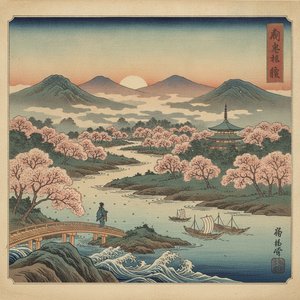
Zen on Canvas: The Timeless Artistry and Spiritual Depth of Japanese Landscape Painting
Explore the profound beauty of Japanese landscape painting. From Hokusai's iconic vistas to Zen-inspired compositions, discover the spiritual depth and historical mastery of Ukiyo-e art in this expert cultural retrospective.
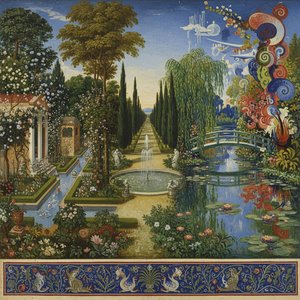
Cultivating Paradise: A Historical & Artistic Exploration of Gardens in Painting
Explore the rich history of gardens in painting! Discover masterpieces from Renaissance to Impressionism & beyond. Learn about symbolism, artists like Monet & Klimt, and find your perfect artwork at OriginalUniqueArt.
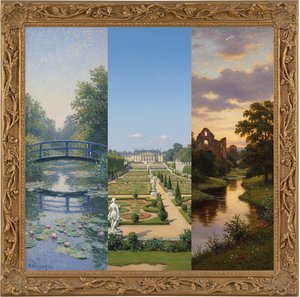
Nature’s Masterpieces: The Timeless Elegance of Gardens and Parks in Fine Art
Embark on a visual journey through the serene beauty of gardens and parks in fine art. Discover how master artists capture nature's tranquility through impressionistic blooms and classical landscapes to bring timeless elegance into your home collection.
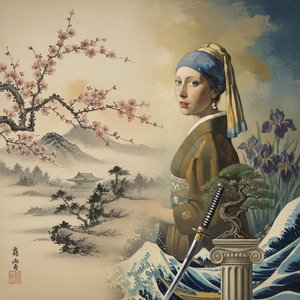
Zen & Elegance: How Japanese Artistry Transformed Global Masterpieces
Explore the profound influence of Japanese artistry on global masterpieces. From Ukiyo-e prints to Zen aesthetics, discover how Eastern elegance transformed Western art history in this deep cultural reflection for fine art enthusiasts and collectors.
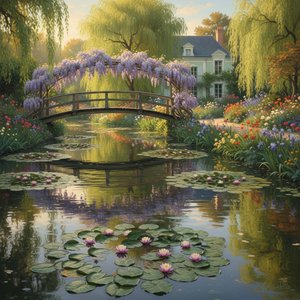
Capturing Giverny: The Enchanting Impressionist Magic of Monet's Gardens
Embark on a visual journey through Claude Monet's Giverny. Discover the enchanting light, vibrant colors, and breathtaking landscapes of his legendary gardens through an expert exploration of Impressionist mastery and timeless beauty.