पूर्वावलोकन देखें
 भेजें
भेजें साझा करें
 विवरण देखें
 मार्गदर्शिका

 डाउनलोड करें
 समान वस्तुएं
 एक्स-रे
 स्लाइड शो देखें
 आंकड़े
Tree-Man
 Ink
Ink- WallArt
- Northern Renaissance
 Renaissance
 277.0 x 211.0 cm
 ग्राफische Sammlung Albertina
 और पढ़ें
हस्तनिर्मित ऑयल रिप्रोडक्शन
आपके आकार और फ्रेम के अनुसार कैनवास पर हाथ से बनी ऑयल पेंटिंग, हमारे कलाकारों द्वारा विशेष रूप से ऑर्डर पर तैयार। ( प्रिंट विकल्प पर जाएँ डिजिटल इमेज पर जाएँ)




P118B ₹10

P118H ₹10

P118W ₹10

P438Z ₹10

P508JH ₹12

P508YH ₹12

P805H ₹10

P805Z ₹10

P919BZ ₹10

P919G ₹10

P919XJ ₹10

P959ZH ₹10

P968JZ ₹12

W106C ₹8

W218G ₹10

W218JH ₹8

W218Y ₹10

W307PJ ₹10

W316G ₹10

W316PJ ₹8

W316Y ₹10

W398PJ ₹8

W4111J ₹10

W500HY ₹15

W500JH ₹15

W692G ₹12

W849H ₹8

W940BG ₹15

W953PJ ₹8




कलाकृति के मूल अनुपात से मेल खाने वाले हमारे पूर्व निर्धारित आकारों में से चुनें।

अपने फ्रेम या अपनी दीवार के अनुसार आवश्यक चौड़ाई और ऊंचाई दर्ज करें। यह हाथ से पेंट किया गया है, इसलिए अलग आकार के लिए कलाकार चित्र के चारों ओर थोड़ा अधिक पेंट कर सकता है, या थोड़ा काट सकता है — चुनाव आपका है। पेंटिंग शुरू होने से पहले हम आपकी स्वीकृति के लिए एक डिजिटल मॉकअप भेजते हैं। इस पृष्ठ पर दिखाई गई तस्वीर वास्तविक परिणाम नहीं दिखाती है — केवल मॉकअप ही वास्तविक रूप दिखाता है।
ऑर्डर देने के बाद, OriginalUniqueArt.com टीम निर्देशों के लिए क्लाइंट को ईमेल करेगी और एक मॉकअप प्रीव्यू प्रदान करेगी
विश्वव्यापी वितरण () मानक 5 सप्ताह के बजाय मात्र 3/4 सप्ताह में। (22 अक्टूबर)। गुणवत्ता से कोई समझौता नहीं।

दुनिया भर में मुफ़्त एक्सप्रेस शिपिंग

प्रीमियम ग्रेड लिनेन कैनवास

पूर्ण शिपिंग बीमा

सीमा शुल्क और आयात कर वापसी की गारंटी

सटीक रंग मिलान की गारंटी

100 दिनों की वापसी नीति (केवल निर्माण दोष होने पर)

100% पैसे वापसी की गारंटी

थोक छूट का अवसर
 ग्लास का विकल्प केवल 110 सेमी से कम आकार में ही उपलब्ध है।

Tree-Man
प्रतिकृति की सामग्री
प्रतिकृति का आकार
-


कुल मूल्य
₹ 28743
A Descent into Surreal Delight: The Vision of Bosch’s Tree-Man
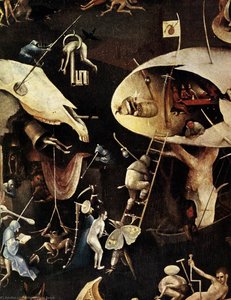
In the quiet, haunting corridors of art history, few images possess the unsettling magnetism of Hieronymus Bosch’s "Tree-Man." Created around 1505, this monochrome masterpiece serves as a profound window into a psyche that danced on the edge of the medieval and the modern. As a pen drawing of extraordinary technical precision, it does not merely depict a landscape; it invites the viewer into a fever dream where the boundaries between the organic and the grotesque dissolve. The work stands as a singular testament to Bosch’s ability to weave moral allegory with a surrealist sensibility that predates the formal Surrealist movement by centuries. To gaze upon this piece is to encounter a world where every line carries the weight of spiritual consequence, making it an irresistible focal point for those who appreciate art that challenges the soul and stimulates the intellect.
The composition is dominated by the eponymous Tree-Man, an anthropomorphic entity whose hollowed trunk forms a vessel for a strange, miniature civilization. Its roots burrow deep into a rocky, primordial earth, suggesting a primal connection to the very foundations of existence. Surrounding this central figure, the landscape teasingly unfolds with birds circling a turbulent sky and diminutive human figures engaged in activities that oscillate between innocent play and profound corruption. This intricate layering of life creates a sense of overwhelming complexity, where the eye is constantly led from the textured bark of the central figure to the distant, atmospheric hills. For the collector or interior designer, this piece offers a profound depth; its dense, detailed nature allows it to command a room, acting as a conversational anchor that rewards prolonged contemplation.
Mastery of Line and the Language of Symbolism
The technical brilliance of "Tree-Man" lies in Bosch’s masterful command of hatching and cross-hatching. Using only the precision of a pen, the artist builds up tonal values with astonishing subtlety, creating a range of grays that evoke everything from the stark brightness of a cloudy sky to the deepest, most impenetrable shadows within the tree's hollow core. This meticulous technique lends a startling realism to an otherwise fantastical subject. The textures are palpable—one can almost feel the rough, weathered bark and the cold, stony base upon which the figure rests. It is this marriage of technical rigor and imaginative freedom that gives the artwork its enduring power; it feels grounded in reality even as it depicts the impossible.
Beyond its aesthetic splendor, the work is a dense tapestry of symbolic meaning. The Tree-Man itself has been interpreted by scholars as a mirror of humanity’s vulnerability to sin—a grotesque parody of divine creation that reflects the struggle between earthly desires and spiritual salvation. The birds, often seen as symbols of wandering souls, add a layer of existential unease to the scene. This emotional complexity makes the artwork particularly poignant for modern spaces; it brings an element of historical gravity and philosophical depth. Whether rendered as a high-quality reproduction in a private study or as a striking statement piece in a contemporary gallery, "Tree-Man" continues to evoke a sense of wonder and mystery, reminding us of the eternal human fascination with the shadows of the subconscious.
प्रश्न और उत्तर
"Tree-Man" का वातावरण कैसा है?
जर्मनियस बोश द्वारा "Tree-Man" का समग्र भाव Mystical है। यह भाव कलाकृति के सामान्य वातावरण का वर्णन करता है।
जर्मनियस बोश द्वारा "Tree-Man" में किस स्तर की संतृप्ति (saturation) और तीव्रता दिखाई देती है?
"Tree-Man" का रंग संतृप्ति (saturation) में Muted और तीव्रता (intensity) में Monochromatic है।
क्या जर्मनियस बोश द्वारा "Tree-Man" कलाकार के गृह देश में रखा गया है?
नहीं - यह कलाकृति विदेश में रखी गई है. जर्मनियस बोश का जन्म देश नीदरलैंड है, और "Tree-Man" की मूल प्रति जिस संग्रहालय में रखी गई है, वह ऑस्ट्रिया में है।
कलाकार का परिचय
एक नेटरलैंडिश पहेली: जर्मनियस बोश का जीवन और कला
नीदरलैंड के जीवंत और हलचल भरे शहर ’s-Hertogenbosch में, जो उस समय ब्रैबेंट का हिस्सा था, लगभग 1450 के आसपास जन्मे जर्मनियस बोश, जिन्हें मूल रूप से जेरोनिमस वान एकेन के नाम से जाना जाता था, कला इतिहास के सबसे सम्मोहक और रहस्यमय व्यक्तित्वों में से एक हैं। उनकी दुनिया उत्तर मध्यकालीन धार्मिक उत्साह, लोककंतथाओं और बढ़ते सामाजिक असंतोष की भावना में डूबी हुई थी, जिसने उनकी अद्वितीय और विचलित कर देने वाली कलात्मक दृष्टि को गहराई से आकार दिया। चित्रकला की लंबी परंपरा वाले परिवार से आने के कारण—उनके दादा, जान वान एकेन, और पिता, एंथोनियस वान एकेन, दोनों ही कलाकार थे—बोश ने संभवतः अपने प्रारंभिक प्रशिक्षण पारिवारिक कार्यशाला में ही प्राप्त किया होगा, जहाँ उन्होंने नेटरलैंडिश पेंटिंग की तकनीकों और परंपराओं को आत्मसात किया। हालाँकि, अपने प्रारंभिक वर्षों में ही उन्होंने स्थापित मानदंडों से अलग होना शुरू कर दिया था, जो उस असाधारण कल्पना का संकेत था जिसने उनके करियर को परिभाषित किया। उनके जीवन के जैविक विवरण निराशाजनक रूप से कम हैं; रिकॉर्ड खंडित हैं, जिससे बहुत कुछ अटकलों और व्याख्याओं के लिए खुला रह जाता है, जो व्यक्ति और उनके कार्य दोनों के इर्द-गिर्द रहस्य के आभामंडल को बढ़ाता है। उन्होंने 1481 से पहले एलीट गोयार्ट्स वान डे मर्वीन से विवाह किया था, एक ऐसा मिलन जिसने उन्हें उनके परिवार की संपत्ति के माध्यम से कुछ वित्तीय सुरक्षा प्रदान की, लेकिन उनके व्यक्तिगत जीवन के बारे में बहुत कम ही ज्ञात है।काल्पनिक दृश्य और प्रतीकात्मक गहराई
बोश की कलात्मक शैली तुरंत पहचान में आने वाली है—यह सूक्ष्म विवरणों और जंगली कल्पनाशील छवियों का एक मंत्रमुग्ध कर देने वाला मिश्रण है। उन्होंने मुख्य रूप से ओक पैनल पर तेल के रंगों (oil on oak panels) के साथ काम किया, जिससे माध्यम पर उनकी उत्कृष्ट महारत प्रदर्शित होती है, जिसके माध्यम से उन्होंने चमकदार रंग और जटिल बनावट प्राप्त की। हालाँकि उनके शुरुआती कार्यों में पारंपरिक नेटरलैंडिश पेंटिंग का प्रभाव दिखता है, विशेष रूप से उनके यथार्थवाद और विवरणों पर ध्यान देने में, लेकिन वे जल्द ही केवल नकल करने से आगे बढ़ गए और एक अत्यंत मौलिक दृष्टि विकसित की। उनके चित्र केवल वास्तविकता का प्रतिनिधित्व नहीं हैं; वे रूपक परिदृश्य (allegorical landscapes) हैं जो अजीबोगंतुक जीवों, संकर प्राणियों और विचलित करने वाले दृश्यों से भरे हुए हैं जो सपनों—या दुःस्वप्नों—से निकाले हुए प्रतीत होते हैं। धार्मिक विषय उनके अधिकांश कार्यों के मूल में हैं, लेकिन ये शायद ही कभी बाइबिल की कहानियों का सीधा चित्रण होते हैं। इसके बजाय, बोश जटिल नैतिक और धार्मिक अवधारणाओं की खोज करने के लिए प्रतीकवाद का उपयोग करते हैं, जो अक्सर पाप के खतरों, सांसारिक सुखों की नाजुकता और ईश्वरीय न्याय की अनिवार्यता पर ध्यान केंद्रित करते हैं। उनके जीव—भयानक राक्षस, काल्पनिक जानवर और अजीबोगरीब मानव आकृतियाँ—केवल सजावटी तत्व नहीं हैं; वे बुराई, प्रलोभन और आध्यात्मिक भ्रष्टाचार के प्रतीक हैं। पवित्र और अपवित्र, सुंदर और कुरूप का मिश्रण एक अनूठा विचलित करने वाला प्रभाव पैदा करता है जो सदियों बाद भी दर्शकों को मंत्रमुग्ध करना जारी रखता है।नैतिक रूपक की उत्कृष्ट कृतियाँ
बोश की सबसे प्रसिद्ध उपलब्धियों में द गार्डन ऑफ अर्थली डिलाइट्स (लगभग 1490-1510) शामिल है, एक त्रिपिच (triptych) जो कला इतिहास के सबसे रहस्यमय और विवादित कार्यों में से एक बना हुआ है। जब इसे खोला जाता है, तो यह स्वर्ग, सांसारिक जीवन और नर्क का एक व्यापक दृश्य प्रस्तुत करता है—जो मानवता के पतन का एक जटिल रूपक प्रतिनिधित्व है। बायां पैनल 'गार्डन ऑफ ईडन' को दर्शाता है, जो काल्पनिक जीवों और घनी वनस्पतियों से भरा हुआ है; मध्य पैनल एक ऐसी दुनिया को चित्रित करता है जो कामुक सुख और अनियंत्रित इच्छाओं में डूबी हुई है; और दाहिना पैनल नर्क की यातनाओं की एक भयानक झलक पेश करता है। द त्रिपिच ऑफ द लास्ट जजमेंट (लगभग 1480-1490) स्वर्गीय आनंद और नरक की पीड़ा दोनों को चित्रित करने के उनके कौशल का एक और शक्तिशाली उदाहरण है, जबकि द असेंट ऑफ द ब्लेस्ड (लगभग 1480-1490) अलौकिक और स्वप्निल दृश्य बनाने की उनकी क्षमता को प्रदर्शित करता है। एपिफनी (लगभग 1495) जैसे छोटे कार्य भी लकड़ी पर तेल के उपयोग और जटिल प्रतीकवाद के उनके अभिनव उपयोग को प्रदर्शित करते हैं, जो विश्वास, नैतिकता और मानवीय स्थिति के बारे में गहन प्रश्नों से जूझते एक मस्तिष्क को प्रकट करते हैं।विरासत और स्थायी प्रभाव
बोश की दृष्टि की मौलिकता को देखते हुए, उनके प्रत्यक्ष प्रभावों की पहचान करना एक चुनौतीपूर्ण कार्य है। विद्वान मध्यकालीन लोककथाओं, धार्मिक ग्रंथों—विशेष रूप से वे जो प्रलयंकारी विषयों पर जोर देते हैं—और उस समय की प्रचलित चिंताओं, जिसमें विधर्म और सामाजिक उथल-पुथल का डर शामिल था, के साथ संभावित संबंधों का सुझाव देते हैं। हालाँकि, यह स्पष्ट है कि उन्होंने इन तत्वों को कुछ पूरी तरह से नया और अद्वितीय बनाया। बाद के कलाकारों पर उनका प्रभाव निर्विवाद है। पीटर ब्रुगेल द एल्डर ने सीधे उनके पदचिन्हों का अनुसरण किया, समान विषयों और संरचनात्मक तकनीकों को अपनाया, जबकि अतियथार्थवाद (Surrealism) जैसे बाद के आंदोलनों ने भी बोश की स्वप्निल छवियों और अवचेतन की खोज से प्रेरणा ली। साल्वाडोर डाली और मैक्स अर्न्स्ट जैसे कलाकारों ने उनके विचलित करने वाले दृश्यों के प्रति अपने ऋण को खुले तौर पर स्वीकार किया। आज भी, बोश का कार्य मंत्रमुग्ध करना और बहस पैदा करना जारी रखता है, नेटरलैंडिश पेंटिंग के एक उस्ताद और एक दूरदर्शी कलाकार के रूप में उनके स्थान को मजबूत करता है जिसकी पहुंच उनके अपने समय से कहीं आगे तक है। उनके चित्र 15वीं और 16वीं शताब्दी के उत्तरार्ध के धार्मिक, सामाजिक और मनोवैज्ञानिक वातावरण की मूल्यवान अंतर्दृष्टि प्रदान करते हैं, जो पारंपरिक मानदंडों को चुनौती देते हैं और कलात्मक अभिव्यक्ति के नए रूपों का मार्ग प्रशस्त करते हैं। उनकी मृत्यु 1516 में हुई, और वे अपने पीछे कार्यों का एक ऐसा संग्रह छोड़ गए जो आज भी डराता और प्रेरित करता है, जिससे कला इतिहास की सबसे अनूठी और अविस्मरणीय आवाजों में से एक के रूप में उनकी स्थायी विरासत सुनिश्चित होती है।
जर्मनियस बोश
1450 - 1516 , नीदरलैंड
संक्षिप्त जानकारी
- Artistic Movement Or Style: Surrealism, Symbolism
- Artists Or Movements Influenced By This Artist: ['Pieter Bruegel the Elder']
- Date Of Birth: c. 1450
- Date Of Death: 1516
- Full Name: Hieronymus Bosch
- Nationality: Dutch
- Notable Artworks:
- Garden of Earthly Delights
- Last Judgement Triptych
- Ascent of the Blessed
- Place Of Birth: Den Bosch, Netherlands
संबंधित लेखों की सूची

Beyond the Horizon: 10 Masterpieces That Redefine Landscape Art
Journey through history with 10 iconic landscape paintings that capture the soul of nature. From Impressionist light to dramatic vistas, explore the stories behind these timeless masterpieces and find museum-quality reproductions for your decor. Discover all masterpieces on OriginalUniqueArt.com

रोमांटिक कला: 10 उत्कृष्ट लैंडस्केप कृतियाँ जो परिभाषित करती हैं | OriginalUniqueArt
रोमांटिक लैंडस्केप पेंटिंग की 10 उत्कृष्ट कृतियाँ! जानें कैस्पर डेविड फ्रेडरिक, टर्नर जैसे कलाकारों के बारे में और कला के इतिहास को समझें। OriginalUniqueArt.com पर उच्च गुणवत्ता वाले आर्ट रिप्रोडक्शन और सजावट के विचार खोजें।

10 Breathtaking Artworks That Capture the Beauty of Rural Landscapes
Journey through 10 iconic rural landscape paintings that capture the soul of the countryside. From Impressionist masters to timeless oil classics, explore the stories and techniques behind these breathtaking scenes. Find museum-quality reproductions on OriginalUniqueArt.com. Explore the full collection online.

जॉन कॉन्स्टेबल की शीर्ष 25 कलाकृतियाँ: प्रकृति का सौंदर्य और भावनात्मक गहराई | OriginalUniqueArt
जॉन कॉन्स्टेबल की शीर्ष 25 कलाकृतियों का अन्वेषण करें! ग्रामीण इंग्लैंड के रोमांटिक परिदृश्य, हे वेन और स्टूर नदी के सुंदर चित्रण। उच्च गुणवत्ता वाले कला प्रिंट और दीवार सजावट के लिए OriginalUniqueArt.com पर संग्रह देखें।

Arboreal Echoes: A Historical & Artistic Exploration of Trees in Painting
Explore the rich history of trees in painting! Discover symbolism, Romantic masterpieces by Caspar David Friedrich & beyond. A curated journey for art enthusiasts.