पूर्वावलोकन देखें
 भेजें
भेजें साझा करें
 विवरण देखें
 मार्गदर्शिका

 डाउनलोड करें
 समान वस्तुएं
 एक्स-रे
 स्लाइड शो देखें
 आंकड़े
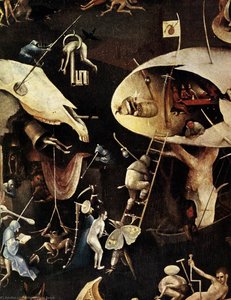
Scenes in Hell
 Acrylic On Canvas
- WallArt
- Mannerism
 163.0 x 176.0 cm
 स्टातलिचे मुसेन
 और पढ़ें
गिक्ली / आर्ट प्रिंट
तेज़ उत्पादन और विभिन्न फिनिश विकल्पों के साथ म्यूजियम-क्वालिटी गिकली (giclée) या कैनवस प्रिंट। ( हाथ से बनी पेंटिंग खरीदें डिजिटल इमेज पर जाएँ)




P118B ₹10

P118H ₹10

P118W ₹10

P438Z ₹10

P508JH ₹12

P508YH ₹12

P805H ₹10

P805Z ₹10

P919BZ ₹10

P919G ₹10

P919XJ ₹10

P959ZH ₹10

P968JZ ₹12

W106C ₹8

W218G ₹10

W218JH ₹8

W218Y ₹10

W307PJ ₹10

W316G ₹10

W316PJ ₹8

W316Y ₹10

W398PJ ₹8

W4111J ₹10

W500HY ₹15

W500JH ₹15

W692G ₹12

W849H ₹8

W940BG ₹15

W953PJ ₹8




कलाकृति के मूल अनुपात से मेल खाने वाले हमारे पूर्व निर्धारित आकारों में से चुनें।

अपने फ्रेम या अपनी दीवार के अनुसार आवश्यक चौड़ाई और ऊंचाई दर्ज करें। प्रिंट को केवल काटा जा सकता है, चित्र से बड़ा कभी नहीं बनाया जा सकता, इसलिए अलग आकार का साइज चित्र का एक हिस्सा खो देता है। किसी भी चीज़ को प्रिंट करने से पहले हम आपकी स्वीकृति के लिए आपको एक डिजिटल मॉकअप भेजते हैं। इस पृष्ठ पर दिखाया गया चित्र वास्तविक कटिंग नहीं दिखाता है — केवल मॉकअप ही इसे दर्शाता है।
विश्वव्यापी डिलीवरी (), मानक 4/5 सप्ताह के बजाय मात्र 2 सप्ताह में। (21 अक्टूबर)

दुनिया भर में मुफ़्त एक्सप्रेस शिपिंग

प्रीमियम ग्रेड लिनेन कैनवास

पूर्ण शिपिंग बीमा

सीमा शुल्क और आयात कर वापसी की गारंटी

सटीक रंग मिलान की गारंटी

100 दिनों की वापसी नीति (केवल निर्माण दोष होने पर)

100% पैसे वापसी की गारंटी

थोक छूट का अवसर
 ग्लास का विकल्प केवल 110 सेमी से कम आकार में ही उपलब्ध है।

Scenes in Hell
गिक्ली / आर्ट प्रिंट
प्रतिकृति का आकार
-


कुल मूल्य
₹ 7653
Scenes in Hell - A Descent Into Surreal Darkness
Hieronymus Bosch’s *Scenes in Hell* isn't merely a depiction of torment; it’s an unsettling plunge into the subconscious, a visual manifesto of anxieties simmering beneath the surface of fifteenth-century Europe. Created sometime around 1480-1516, this monochrome sketch—likely executed on wood panel—captures Bosch’s signature Mannerist style with breathtaking precision and disturbing grandeur. It's a piece that continues to fascinate scholars and artists alike, prompting ongoing debate about its meaning and artistic innovation.- Composition & Dynamism: The image explodes with chaotic energy. Bosch abandons traditional perspective, flattening the space into a fractured grid punctuated by swirling lines and sharp angles—a deliberate rejection of Renaissance ideals favoring instead an immediacy that reflects the turbulent times. Figures overlap relentlessly, creating a dizzying dance of movement and conveying a palpable sense of urgency.
- Animal Combat & Symbolism: At its core lies a brutal confrontation between horses and bulls engaged in violent combat. These animals aren’t simply battling for dominance; they represent primal instincts—fear, aggression, desire—themes prevalent throughout Bosch's oeuvre. The grotesque imagery serves as a powerful allegory for the struggle between good and evil, mirroring anxieties about moral decay and divine judgment.
- Technique: Bosch’s mastery of hatching and crosshatching is extraordinary. Using graphite or charcoal with meticulous care, he builds up tonal values to create textures that mimic fur, muscle, and bone—a technique that lends an unsettling realism to the fantastical scene. The artist's attention to detail elevates the sketch beyond mere illustration; it becomes a testament to his artistic skill and psychological insight.
- Historical Context: Bosch’s work emerged during a period of profound religious upheaval. The burgeoning humanist movement challenged established dogma, while anxieties about heresy fueled persecutions across Europe. *Scenes in Hell* reflects this intellectual climate, embodying the pervasive fear of damnation and the preoccupation with mortality that characterized the era.
- Emotional Impact: Viewing *Scenes in Hell* is an emotionally challenging experience. Bosch’s unsettling vision confronts viewers with uncomfortable truths about human nature—our capacity for cruelty, our susceptibility to temptation, and ultimately, our inescapable fate. It's a painting designed not merely to depict horror but to provoke contemplation on the darker aspects of existence.
The Mannerist Style: Distortion & Dramatic Expression
Bosch’s stylistic choices firmly situate *Scenes in Hell* within the Mannerist movement—a reaction against the idealized beauty and harmonious balance championed by Raphael and Michelangelo. Mannerists deliberately distorted proportions, exaggerated poses, and employed unsettling juxtapositions to create a sense of unease and disorientation. This aesthetic was driven by a desire to unsettle viewers psychologically, prompting them to confront uncomfortable realities about human experience. Bosch’s rejection of classical conventions—particularly perspective—was revolutionary for its time, signaling a shift toward subjective vision and emotional intensity.Decoding the Surreal Landscape
The desolate landscape depicted in *Scenes in Hell* is equally significant. Bosch abandons naturalistic representation favoring instead a dreamlike realm populated by bizarre flora and fauna—a deliberate departure from Renaissance landscapes that celebrated beauty and order. The burning city at the right symbolizes corruption and decay, while the bone-littered plain represents death and oblivion. These elements underscore Bosch’s preoccupation with mortality and his belief in an afterlife of torment—themes central to Christian theology during the period.A Legacy Enduring Through Reproduction
Today, *Scenes in Hell* continues to inspire artists and captivate audiences worldwide. High-quality reproductions offer a remarkable opportunity to experience Bosch's unsettling vision firsthand, bringing his masterful technique and profound symbolism into homes and galleries. OriginalUniqueArt’s meticulous hand-painted reproductions ensure that this iconic masterpiece retains its original impact—a chilling reminder of the anxieties and artistic innovations that defined the Renaissance.प्रश्न और उत्तर
जर्मनियस बोश द्वारा "Scenes in Hell" में कला आंदोलन और युग का मिलन कैसे होता है?
जर्मनियस बोश द्वारा "Scenes in Hell" को इसके निर्माता के पुनर्जागरण काल युग के भीतर, Mannerism आंदोलन के अंतर्गत रखा गया है।
जर्मनियस बोश द्वारा "Scenes in Hell" किस कला आंदोलन का हिस्सा है?
जर्मनियस बोश द्वारा "Scenes in Hell" Mannerism आंदोलन से संबंधित है। यह आंदोलन इस कृति के शैलीगत संदर्भ को स्पष्ट करता है।
मुझे अपने कमरे के लिए "Scenes in Hell" का कौन सा आकार प्रिंट करना चाहिए?
जर्मनियस बोश द्वारा "Scenes in Hell" के लिए अनुशंसित संयोजन: एक Living Room में Large प्रिंट।
कलाकार का परिचय
एक नेटरलैंडिश पहेली: जर्मनियस बोश का जीवन और कला
नीदरलैंड के जीवंत और हलचल भरे शहर ’s-Hertogenbosch में, जो उस समय ब्रैबेंट का हिस्सा था, लगभग 1450 के आसपास जन्मे जर्मनियस बोश, जिन्हें मूल रूप से जेरोनिमस वान एकेन के नाम से जाना जाता था, कला इतिहास के सबसे सम्मोहक और रहस्यमय व्यक्तित्वों में से एक हैं। उनकी दुनिया उत्तर मध्यकालीन धार्मिक उत्साह, लोककंतथाओं और बढ़ते सामाजिक असंतोष की भावना में डूबी हुई थी, जिसने उनकी अद्वितीय और विचलित कर देने वाली कलात्मक दृष्टि को गहराई से आकार दिया। चित्रकला की लंबी परंपरा वाले परिवार से आने के कारण—उनके दादा, जान वान एकेन, और पिता, एंथोनियस वान एकेन, दोनों ही कलाकार थे—बोश ने संभवतः अपने प्रारंभिक प्रशिक्षण पारिवारिक कार्यशाला में ही प्राप्त किया होगा, जहाँ उन्होंने नेटरलैंडिश पेंटिंग की तकनीकों और परंपराओं को आत्मसात किया। हालाँकि, अपने प्रारंभिक वर्षों में ही उन्होंने स्थापित मानदंडों से अलग होना शुरू कर दिया था, जो उस असाधारण कल्पना का संकेत था जिसने उनके करियर को परिभाषित किया। उनके जीवन के जैविक विवरण निराशाजनक रूप से कम हैं; रिकॉर्ड खंडित हैं, जिससे बहुत कुछ अटकलों और व्याख्याओं के लिए खुला रह जाता है, जो व्यक्ति और उनके कार्य दोनों के इर्द-गिर्द रहस्य के आभामंडल को बढ़ाता है। उन्होंने 1481 से पहले एलीट गोयार्ट्स वान डे मर्वीन से विवाह किया था, एक ऐसा मिलन जिसने उन्हें उनके परिवार की संपत्ति के माध्यम से कुछ वित्तीय सुरक्षा प्रदान की, लेकिन उनके व्यक्तिगत जीवन के बारे में बहुत कम ही ज्ञात है।काल्पनिक दृश्य और प्रतीकात्मक गहराई
बोश की कलात्मक शैली तुरंत पहचान में आने वाली है—यह सूक्ष्म विवरणों और जंगली कल्पनाशील छवियों का एक मंत्रमुग्ध कर देने वाला मिश्रण है। उन्होंने मुख्य रूप से ओक पैनल पर तेल के रंगों (oil on oak panels) के साथ काम किया, जिससे माध्यम पर उनकी उत्कृष्ट महारत प्रदर्शित होती है, जिसके माध्यम से उन्होंने चमकदार रंग और जटिल बनावट प्राप्त की। हालाँकि उनके शुरुआती कार्यों में पारंपरिक नेटरलैंडिश पेंटिंग का प्रभाव दिखता है, विशेष रूप से उनके यथार्थवाद और विवरणों पर ध्यान देने में, लेकिन वे जल्द ही केवल नकल करने से आगे बढ़ गए और एक अत्यंत मौलिक दृष्टि विकसित की। उनके चित्र केवल वास्तविकता का प्रतिनिधित्व नहीं हैं; वे रूपक परिदृश्य (allegorical landscapes) हैं जो अजीबोगंतुक जीवों, संकर प्राणियों और विचलित करने वाले दृश्यों से भरे हुए हैं जो सपनों—या दुःस्वप्नों—से निकाले हुए प्रतीत होते हैं। धार्मिक विषय उनके अधिकांश कार्यों के मूल में हैं, लेकिन ये शायद ही कभी बाइबिल की कहानियों का सीधा चित्रण होते हैं। इसके बजाय, बोश जटिल नैतिक और धार्मिक अवधारणाओं की खोज करने के लिए प्रतीकवाद का उपयोग करते हैं, जो अक्सर पाप के खतरों, सांसारिक सुखों की नाजुकता और ईश्वरीय न्याय की अनिवार्यता पर ध्यान केंद्रित करते हैं। उनके जीव—भयानक राक्षस, काल्पनिक जानवर और अजीबोगरीब मानव आकृतियाँ—केवल सजावटी तत्व नहीं हैं; वे बुराई, प्रलोभन और आध्यात्मिक भ्रष्टाचार के प्रतीक हैं। पवित्र और अपवित्र, सुंदर और कुरूप का मिश्रण एक अनूठा विचलित करने वाला प्रभाव पैदा करता है जो सदियों बाद भी दर्शकों को मंत्रमुग्ध करना जारी रखता है।नैतिक रूपक की उत्कृष्ट कृतियाँ
बोश की सबसे प्रसिद्ध उपलब्धियों में द गार्डन ऑफ अर्थली डिलाइट्स (लगभग 1490-1510) शामिल है, एक त्रिपिच (triptych) जो कला इतिहास के सबसे रहस्यमय और विवादित कार्यों में से एक बना हुआ है। जब इसे खोला जाता है, तो यह स्वर्ग, सांसारिक जीवन और नर्क का एक व्यापक दृश्य प्रस्तुत करता है—जो मानवता के पतन का एक जटिल रूपक प्रतिनिधित्व है। बायां पैनल 'गार्डन ऑफ ईडन' को दर्शाता है, जो काल्पनिक जीवों और घनी वनस्पतियों से भरा हुआ है; मध्य पैनल एक ऐसी दुनिया को चित्रित करता है जो कामुक सुख और अनियंत्रित इच्छाओं में डूबी हुई है; और दाहिना पैनल नर्क की यातनाओं की एक भयानक झलक पेश करता है। द त्रिपिच ऑफ द लास्ट जजमेंट (लगभग 1480-1490) स्वर्गीय आनंद और नरक की पीड़ा दोनों को चित्रित करने के उनके कौशल का एक और शक्तिशाली उदाहरण है, जबकि द असेंट ऑफ द ब्लेस्ड (लगभग 1480-1490) अलौकिक और स्वप्निल दृश्य बनाने की उनकी क्षमता को प्रदर्शित करता है। एपिफनी (लगभग 1495) जैसे छोटे कार्य भी लकड़ी पर तेल के उपयोग और जटिल प्रतीकवाद के उनके अभिनव उपयोग को प्रदर्शित करते हैं, जो विश्वास, नैतिकता और मानवीय स्थिति के बारे में गहन प्रश्नों से जूझते एक मस्तिष्क को प्रकट करते हैं।विरासत और स्थायी प्रभाव
बोश की दृष्टि की मौलिकता को देखते हुए, उनके प्रत्यक्ष प्रभावों की पहचान करना एक चुनौतीपूर्ण कार्य है। विद्वान मध्यकालीन लोककथाओं, धार्मिक ग्रंथों—विशेष रूप से वे जो प्रलयंकारी विषयों पर जोर देते हैं—और उस समय की प्रचलित चिंताओं, जिसमें विधर्म और सामाजिक उथल-पुथल का डर शामिल था, के साथ संभावित संबंधों का सुझाव देते हैं। हालाँकि, यह स्पष्ट है कि उन्होंने इन तत्वों को कुछ पूरी तरह से नया और अद्वितीय बनाया। बाद के कलाकारों पर उनका प्रभाव निर्विवाद है। पीटर ब्रुगेल द एल्डर ने सीधे उनके पदचिन्हों का अनुसरण किया, समान विषयों और संरचनात्मक तकनीकों को अपनाया, जबकि अतियथार्थवाद (Surrealism) जैसे बाद के आंदोलनों ने भी बोश की स्वप्निल छवियों और अवचेतन की खोज से प्रेरणा ली। साल्वाडोर डाली और मैक्स अर्न्स्ट जैसे कलाकारों ने उनके विचलित करने वाले दृश्यों के प्रति अपने ऋण को खुले तौर पर स्वीकार किया। आज भी, बोश का कार्य मंत्रमुग्ध करना और बहस पैदा करना जारी रखता है, नेटरलैंडिश पेंटिंग के एक उस्ताद और एक दूरदर्शी कलाकार के रूप में उनके स्थान को मजबूत करता है जिसकी पहुंच उनके अपने समय से कहीं आगे तक है। उनके चित्र 15वीं और 16वीं शताब्दी के उत्तरार्ध के धार्मिक, सामाजिक और मनोवैज्ञानिक वातावरण की मूल्यवान अंतर्दृष्टि प्रदान करते हैं, जो पारंपरिक मानदंडों को चुनौती देते हैं और कलात्मक अभिव्यक्ति के नए रूपों का मार्ग प्रशस्त करते हैं। उनकी मृत्यु 1516 में हुई, और वे अपने पीछे कार्यों का एक ऐसा संग्रह छोड़ गए जो आज भी डराता और प्रेरित करता है, जिससे कला इतिहास की सबसे अनूठी और अविस्मरणीय आवाजों में से एक के रूप में उनकी स्थायी विरासत सुनिश्चित होती है।
जर्मनियस बोश
1450 - 1516 , नीदरलैंड
संक्षिप्त जानकारी
- Artistic Movement Or Style: Surrealism, Symbolism
- Artists Or Movements Influenced By This Artist: ['Pieter Bruegel the Elder']
- Date Of Birth: c. 1450
- Date Of Death: 1516
- Full Name: Hieronymus Bosch
- Nationality: Dutch
- Notable Artworks:
- Garden of Earthly Delights
- Last Judgement Triptych
- Ascent of the Blessed
- Place Of Birth: Den Bosch, Netherlands
संबंधित लेखों की सूची
The Nuances of Graphite: Exploring Emotional Depth & Technical Mastery in Pencil Drawing
Explore the captivating world of graphite drawing! Discover its rich history, master essential techniques like chiaroscuro, and learn how artists evoke emotion through this timeless medium. Expert insights for art enthusiasts.
हीरोनिमस बॉश की शीर्ष 25 कलाकृतियाँ: रहस्यमय सौंदर्य और गहन प्रतीकवाद | OriginalUniqueArt
हीरोनिमस बॉश की शीर्ष 25 कलाकृतियों का अन्वेषण करें! मध्ययुगीन रहस्यवाद, धार्मिक प्रतीकवाद और कल्पनाशील दृश्यों से भरी ये पेंटिंग कला इतिहास में अद्वितीय हैं। OriginalUniqueArt पर उच्च गुणवत्ता वाले पुनरुत्पादन खरीदें और अपने घर को सजाएं। अभी संग्रह देखें!
बर्लिन के स्टेट्लीचे म्यूसेन की 25 उत्कृष्ट कलाकृतियाँ: इतिहास और सौंदर्य का संगम
बर्लिन के स्टेट्लीचे म्यूसेन की 25 उत्कृष्ट कलाकृतियों का अन्वेषण करें! नेफरतिती से लेकर क्लासिक मूर्तियों तक, हर कलाकृति का इतिहास और सौंदर्य जानें। घर की सजावट के लिए प्रेरणा पाएं और OriginalUniqueArt.com पर उच्च-गुणवत्ता वाले कला पुनरुत्पादन खरीदें।
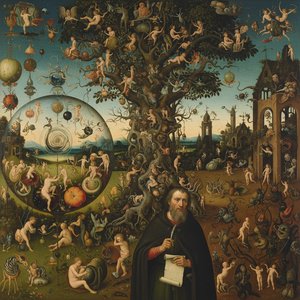
Hieronymus Bosch: Decoding the Visions of a Netherlandish Master
Explore the captivating world of Hieronymus Bosch! Delve into the symbolism, religious context, and artistic innovation of this Netherlandish master with OriginalUniqueArt's expert analysis. Discover his iconic paintings & lasting influence.
माद्रिद के प्राडो संग्रहालय की 25 उत्कृष्ट कलाकृतियाँ: इतिहास, कलाकार और सौंदर्य
माद्रिद के प्राडो संग्रहालय की 25 उत्कृष्ट कलाकृतियों का अन्वेषण करें! वेलाज़्केज़, गोया और एल ग्रीको जैसे महान कलाकारों की कहानियाँ जानें। बारोक शैली से लेकर क्लासिक चित्रों तक, घर की सजावट के लिए प्रेरणा पाएं। OriginalUniqueArt.com पर संपूर्ण संग्रह देखें।