
 पूर्वावलोकन देखें
 भेजें
भेजें साझा करें
 विवरण देखें
 मार्गदर्शिका

 डाउनलोड करें
 समान वस्तुएं
 एक्स-रे
 स्लाइड शो देखें
 Q&A
Q&A आंकड़े
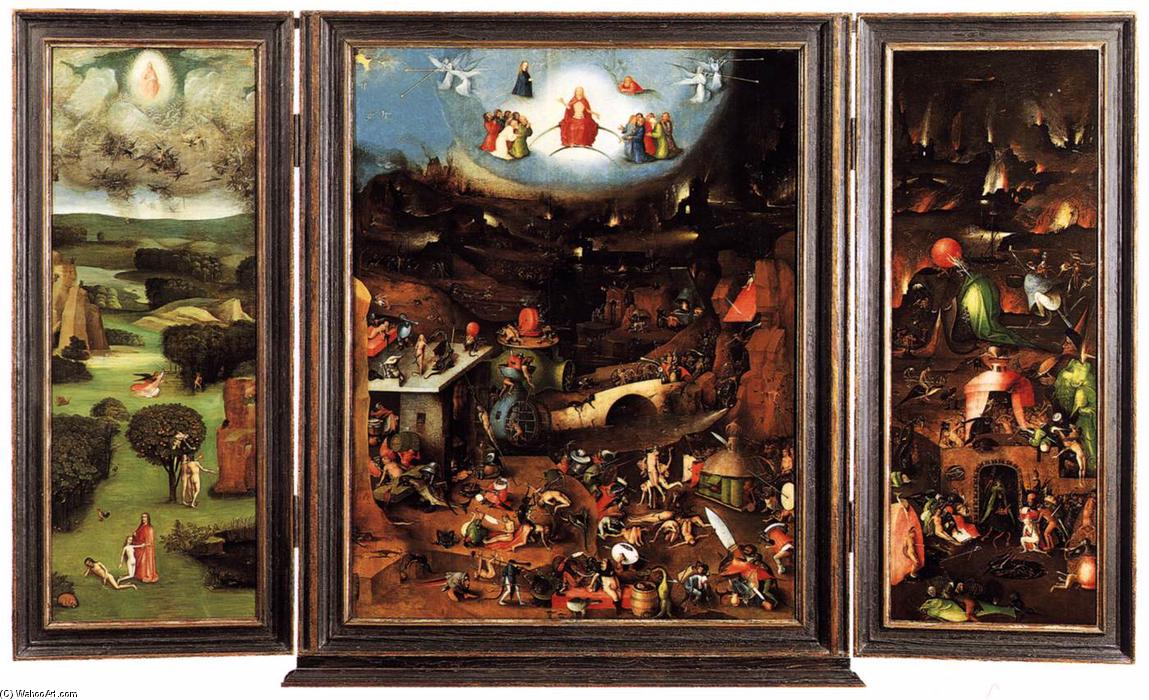
Last Judgement Triptych
 कैनवस पर एक्रिलिक पेंट
- वॉल आर्ट
- Early Netherlandish Painting
 1504
1504 163.0 x 128.0 cm
 Academy of Fine Arts Vienna
 और पढ़ें
गिक्ली / आर्ट प्रिंट
तेज़ उत्पादन और विभिन्न फिनिश विकल्पों के साथ म्यूजियम-क्वालिटी गिकली (giclée) या कैनवस प्रिंट। ( हाथ से बनी पेंटिंग खरीदें डिजिटल इमेज पर जाएँ)




P118B ₹10

P118H ₹10

P118W ₹10

P438Z ₹10

P508JH ₹12

P508YH ₹12

P805H ₹10

P805Z ₹10

P919BZ ₹10

P919G ₹10

P919XJ ₹10

P959ZH ₹10

P968JZ ₹12

W106C ₹8

W218G ₹10

W218JH ₹8

W218Y ₹10

W307PJ ₹10

W316G ₹10

W316PJ ₹8

W316Y ₹10

W398PJ ₹8

W4111J ₹10

W500HY ₹15

W500JH ₹15

W692G ₹12

W849H ₹8

W940BG ₹15

W953PJ ₹8




कलाकृति के मूल अनुपात से मेल खाने वाले हमारे पूर्व निर्धारित आकारों में से चुनें।

अपने फ्रेम या अपनी दीवार के अनुसार आवश्यक चौड़ाई और ऊंचाई दर्ज करें। प्रिंट को केवल काटा जा सकता है, चित्र से बड़ा कभी नहीं बनाया जा सकता, इसलिए अलग आकार का साइज चित्र का एक हिस्सा खो देता है। किसी भी चीज़ को प्रिंट करने से पहले हम आपकी स्वीकृति के लिए आपको एक डिजिटल मॉकअप भेजते हैं। इस पृष्ठ पर दिखाया गया चित्र वास्तविक कटिंग नहीं दिखाता है — केवल मॉकअप ही इसे दर्शाता है।
विश्वव्यापी डिलीवरी (), मानक 4/5 सप्ताह के बजाय मात्र 2 सप्ताह में। (28 अक्टूबर)

दुनिया भर में मुफ़्त एक्सप्रेस शिपिंग

प्रीमियम ग्रेड लिनेन कैनवास

पूर्ण शिपिंग बीमा

सीमा शुल्क और आयात कर वापसी की गारंटी

सटीक रंग मिलान की गारंटी

100 दिनों की वापसी नीति (केवल निर्माण दोष होने पर)

100% पैसे वापसी की गारंटी

थोक छूट का अवसर
 ग्लास का विकल्प केवल 110 सेमी से कम आकार में ही उपलब्ध है।

Last Judgement Triptych
गिक्ली / आर्ट प्रिंट
प्रतिकृति का आकार
-


कुल मूल्य
₹ 7685
A Symphony of Suffering and Divine Justice
Hieronymus Bosch’s “Last Judgement Triptych,” completed around 1504, stands as one of the most unsettling and profoundly symbolic masterpieces of the Early Netherlandish Renaissance. More than just a depiction of biblical prophecy, it's an immersive experience into a realm of grotesque imagination—a visual distillation of Bosch’s preoccupation with mortality, sin, and God’s inescapable judgment.
The Anatomy of Hell
Painted on oak panels in oil tempera and gold leaf, the triptych assaults the senses with its sheer scale and disturbing imagery. Bosch abandons traditional religious iconography for a visceral portrayal of hell—a landscape populated by monstrous creatures, tormented souls, and grotesque distortions of human form. The central panel dominates the composition, presenting an infernal panorama teeming with demons, tortured figures, and symbolic representations of damnation.
Genesis Revisited: A Tale of Temptation and Expulsion
The left wing recounts the biblical narrative of Adam and Eve’s fall from grace. Bosch meticulously recreates the Garden of Eden, populated by exquisitely rendered angels battling for dominion over souls. The depiction of Eve succumbing to Lucifer's temptation is fraught with psychological tension—a moment of profound moral transgression captured in breathtaking detail. Above all, Bosch portrays God extracting Eve from Adam’s rib, symbolizing the divine creation and the subsequent corruption of humanity.
The Triumph of Faith Amidst Chaos
Moving to the right wing, Bosch presents a vision of Heaven—a serene tableau dominated by angelic figures and saints. The upper archway showcases Jesus Christ enthroned in majesty, surrounded by Mary and John the Baptist, embodying divine compassion and righteousness. Below this celestial scene is Noah carrying the ark over his head, symbolizing salvation from impending catastrophe. The panel’s meticulous execution underscores Bosch's belief in the ultimate triumph of faith over darkness.
Symbolism Unleashed: Decoding Bosch’s Vision
Beyond its visual spectacle, “Last Judgement” is laden with symbolism—a language of grotesque imagery designed to provoke contemplation and instill fear. Bosch employs recurring motifs—such as serpents, skulls, and tormented faces—to convey the pervasive influence of sin and death. The artist’s masterful use of color—particularly the vibrant reds and yellows of hell contrasted against the muted tones of heaven—amplifies the emotional impact of the scene.
A Legacy of Horror
“Last Judgement” cemented Bosch's reputation as a visionary artist who dared to confront the darkest aspects of human experience. Its influence extended far beyond its time, inspiring artists and writers for centuries to come—a testament to Bosch’s enduring power to unsettle and inspire.
प्रश्न और उत्तर
क्या मैं अपने कमरे में जर्मनियस बोश द्वारा "Last Judgement Triptych" को देखने के लिए ऑगमेंटेड रियलिटी (augmented reality) का उपयोग कर सकता हूँ?
"Last Judgement Triptych" में एक ऑगमेंटेड रियलिटी प्रीव्यू उपलब्ध है: कलाकृति का एआर प्रीव्यू पेज एक संगत डिवाइस पर इसे आपके अपने स्थान में दिखाता है।
क्या जर्मनियस बोश द्वारा "Last Judgement Triptych" के लिए कोई स्लाइडशो उपलब्ध है?
जर्मनियस बोश द्वारा "Last Judgement Triptych" को कलाकृति के स्लाइडशो पृष्ठ पर स्लाइडशो के रूप में देखा जा सकता है।
क्या जर्मनियस बोश द्वारा "Last Judgement Triptych" एक उज्ज्वल कलाकृति है या गहरे रंगों वाली?
जर्मनियस बोश द्वारा "Last Judgement Triptych" की आभा का स्तर परछाईं है। इसे इच्छित स्थान के प्रकाश के अनुरूप बनाया जा सकता है।
कलाकार का परिचय
एक नेटरलैंडिश पहेली: जर्मनियस बोश का जीवन और कला
नीदरलैंड के जीवंत और हलचल भरे शहर ’s-Hertogenbosch में, जो उस समय ब्रैबेंट का हिस्सा था, लगभग 1450 के आसपास जन्मे जर्मनियस बोश, जिन्हें मूल रूप से जेरोनिमस वान एकेन के नाम से जाना जाता था, कला इतिहास के सबसे सम्मोहक और रहस्यमय व्यक्तित्वों में से एक हैं। उनकी दुनिया उत्तर मध्यकालीन धार्मिक उत्साह, लोककंतथाओं और बढ़ते सामाजिक असंतोष की भावना में डूबी हुई थी, जिसने उनकी अद्वितीय और विचलित कर देने वाली कलात्मक दृष्टि को गहराई से आकार दिया। चित्रकला की लंबी परंपरा वाले परिवार से आने के कारण—उनके दादा, जान वान एकेन, और पिता, एंथोनियस वान एकेन, दोनों ही कलाकार थे—बोश ने संभवतः अपने प्रारंभिक प्रशिक्षण पारिवारिक कार्यशाला में ही प्राप्त किया होगा, जहाँ उन्होंने नेटरलैंडिश पेंटिंग की तकनीकों और परंपराओं को आत्मसात किया। हालाँकि, अपने प्रारंभिक वर्षों में ही उन्होंने स्थापित मानदंडों से अलग होना शुरू कर दिया था, जो उस असाधारण कल्पना का संकेत था जिसने उनके करियर को परिभाषित किया। उनके जीवन के जैविक विवरण निराशाजनक रूप से कम हैं; रिकॉर्ड खंडित हैं, जिससे बहुत कुछ अटकलों और व्याख्याओं के लिए खुला रह जाता है, जो व्यक्ति और उनके कार्य दोनों के इर्द-गिर्द रहस्य के आभामंडल को बढ़ाता है। उन्होंने 1481 से पहले एलीट गोयार्ट्स वान डे मर्वीन से विवाह किया था, एक ऐसा मिलन जिसने उन्हें उनके परिवार की संपत्ति के माध्यम से कुछ वित्तीय सुरक्षा प्रदान की, लेकिन उनके व्यक्तिगत जीवन के बारे में बहुत कम ही ज्ञात है।काल्पनिक दृश्य और प्रतीकात्मक गहराई
बोश की कलात्मक शैली तुरंत पहचान में आने वाली है—यह सूक्ष्म विवरणों और जंगली कल्पनाशील छवियों का एक मंत्रमुग्ध कर देने वाला मिश्रण है। उन्होंने मुख्य रूप से ओक पैनल पर तेल के रंगों (oil on oak panels) के साथ काम किया, जिससे माध्यम पर उनकी उत्कृष्ट महारत प्रदर्शित होती है, जिसके माध्यम से उन्होंने चमकदार रंग और जटिल बनावट प्राप्त की। हालाँकि उनके शुरुआती कार्यों में पारंपरिक नेटरलैंडिश पेंटिंग का प्रभाव दिखता है, विशेष रूप से उनके यथार्थवाद और विवरणों पर ध्यान देने में, लेकिन वे जल्द ही केवल नकल करने से आगे बढ़ गए और एक अत्यंत मौलिक दृष्टि विकसित की। उनके चित्र केवल वास्तविकता का प्रतिनिधित्व नहीं हैं; वे रूपक परिदृश्य (allegorical landscapes) हैं जो अजीबोगंतुक जीवों, संकर प्राणियों और विचलित करने वाले दृश्यों से भरे हुए हैं जो सपनों—या दुःस्वप्नों—से निकाले हुए प्रतीत होते हैं। धार्मिक विषय उनके अधिकांश कार्यों के मूल में हैं, लेकिन ये शायद ही कभी बाइबिल की कहानियों का सीधा चित्रण होते हैं। इसके बजाय, बोश जटिल नैतिक और धार्मिक अवधारणाओं की खोज करने के लिए प्रतीकवाद का उपयोग करते हैं, जो अक्सर पाप के खतरों, सांसारिक सुखों की नाजुकता और ईश्वरीय न्याय की अनिवार्यता पर ध्यान केंद्रित करते हैं। उनके जीव—भयानक राक्षस, काल्पनिक जानवर और अजीबोगरीब मानव आकृतियाँ—केवल सजावटी तत्व नहीं हैं; वे बुराई, प्रलोभन और आध्यात्मिक भ्रष्टाचार के प्रतीक हैं। पवित्र और अपवित्र, सुंदर और कुरूप का मिश्रण एक अनूठा विचलित करने वाला प्रभाव पैदा करता है जो सदियों बाद भी दर्शकों को मंत्रमुग्ध करना जारी रखता है।नैतिक रूपक की उत्कृष्ट कृतियाँ
बोश की सबसे प्रसिद्ध उपलब्धियों में द गार्डन ऑफ अर्थली डिलाइट्स (लगभग 1490-1510) शामिल है, एक त्रिपिच (triptych) जो कला इतिहास के सबसे रहस्यमय और विवादित कार्यों में से एक बना हुआ है। जब इसे खोला जाता है, तो यह स्वर्ग, सांसारिक जीवन और नर्क का एक व्यापक दृश्य प्रस्तुत करता है—जो मानवता के पतन का एक जटिल रूपक प्रतिनिधित्व है। बायां पैनल 'गार्डन ऑफ ईडन' को दर्शाता है, जो काल्पनिक जीवों और घनी वनस्पतियों से भरा हुआ है; मध्य पैनल एक ऐसी दुनिया को चित्रित करता है जो कामुक सुख और अनियंत्रित इच्छाओं में डूबी हुई है; और दाहिना पैनल नर्क की यातनाओं की एक भयानक झलक पेश करता है। द त्रिपिच ऑफ द लास्ट जजमेंट (लगभग 1480-1490) स्वर्गीय आनंद और नरक की पीड़ा दोनों को चित्रित करने के उनके कौशल का एक और शक्तिशाली उदाहरण है, जबकि द असेंट ऑफ द ब्लेस्ड (लगभग 1480-1490) अलौकिक और स्वप्निल दृश्य बनाने की उनकी क्षमता को प्रदर्शित करता है। एपिफनी (लगभग 1495) जैसे छोटे कार्य भी लकड़ी पर तेल के उपयोग और जटिल प्रतीकवाद के उनके अभिनव उपयोग को प्रदर्शित करते हैं, जो विश्वास, नैतिकता और मानवीय स्थिति के बारे में गहन प्रश्नों से जूझते एक मस्तिष्क को प्रकट करते हैं।विरासत और स्थायी प्रभाव
बोश की दृष्टि की मौलिकता को देखते हुए, उनके प्रत्यक्ष प्रभावों की पहचान करना एक चुनौतीपूर्ण कार्य है। विद्वान मध्यकालीन लोककथाओं, धार्मिक ग्रंथों—विशेष रूप से वे जो प्रलयंकारी विषयों पर जोर देते हैं—और उस समय की प्रचलित चिंताओं, जिसमें विधर्म और सामाजिक उथल-पुथल का डर शामिल था, के साथ संभावित संबंधों का सुझाव देते हैं। हालाँकि, यह स्पष्ट है कि उन्होंने इन तत्वों को कुछ पूरी तरह से नया और अद्वितीय बनाया। बाद के कलाकारों पर उनका प्रभाव निर्विवाद है। पीटर ब्रुगेल द एल्डर ने सीधे उनके पदचिन्हों का अनुसरण किया, समान विषयों और संरचनात्मक तकनीकों को अपनाया, जबकि अतियथार्थवाद (Surrealism) जैसे बाद के आंदोलनों ने भी बोश की स्वप्निल छवियों और अवचेतन की खोज से प्रेरणा ली। साल्वाडोर डाली और मैक्स अर्न्स्ट जैसे कलाकारों ने उनके विचलित करने वाले दृश्यों के प्रति अपने ऋण को खुले तौर पर स्वीकार किया। आज भी, बोश का कार्य मंत्रमुग्ध करना और बहस पैदा करना जारी रखता है, नेटरलैंडिश पेंटिंग के एक उस्ताद और एक दूरदर्शी कलाकार के रूप में उनके स्थान को मजबूत करता है जिसकी पहुंच उनके अपने समय से कहीं आगे तक है। उनके चित्र 15वीं और 16वीं शताब्दी के उत्तरार्ध के धार्मिक, सामाजिक और मनोवैज्ञानिक वातावरण की मूल्यवान अंतर्दृष्टि प्रदान करते हैं, जो पारंपरिक मानदंडों को चुनौती देते हैं और कलात्मक अभिव्यक्ति के नए रूपों का मार्ग प्रशस्त करते हैं। उनकी मृत्यु 1516 में हुई, और वे अपने पीछे कार्यों का एक ऐसा संग्रह छोड़ गए जो आज भी डराता और प्रेरित करता है, जिससे कला इतिहास की सबसे अनूठी और अविस्मरणीय आवाजों में से एक के रूप में उनकी स्थायी विरासत सुनिश्चित होती है।
जर्मनियस बोश
1450 - 1516 , नीदरलैंड
संक्षिप्त जानकारी
- Artistic Movement Or Style: Surrealism, Symbolism
- Artists Or Movements Influenced By This Artist: ['Pieter Bruegel the Elder']
- Date Of Birth: c. 1450
- Date Of Death: 1516
- Full Name: Hieronymus Bosch
- Nationality: Dutch
- Notable Artworks:
- Garden of Earthly Delights
- Last Judgement Triptych
- Ascent of the Blessed
- Place Of Birth: Den Bosch, Netherlands
संबंधित लेखों की सूची

Oil on Canvas: A Historical & Technical Exploration of a Timeless Artistic Medium
Explore the rich history & enduring techniques of oil painting on canvas. Discover the science behind its longevity, conservation practices, and contemporary relevance. Expert insights for art enthusiasts.
हीरोनिमस बॉश की शीर्ष 25 कलाकृतियाँ: रहस्यमय सौंदर्य और गहन प्रतीकवाद | OriginalUniqueArt
हीरोनिमस बॉश की शीर्ष 25 कलाकृतियों का अन्वेषण करें! मध्ययुगीन रहस्यवाद, धार्मिक प्रतीकवाद और कल्पनाशील दृश्यों से भरी ये पेंटिंग कला इतिहास में अद्वितीय हैं। OriginalUniqueArt पर उच्च गुणवत्ता वाले पुनरुत्पादन खरीदें और अपने घर को सजाएं। अभी संग्रह देखें!
High Medieval Art: 10 Masterpieces That Shaped an Era | OriginalUniqueArt
Journey through High Medieval Art! Explore 10 iconic masterpieces – from Giotto's frescoes to stunning Gothic cathedrals. Discover the stories behind these timeless paintings, sculptures & illuminated manuscripts. Find museum-quality art reproductions at OriginalUniqueArt.com.

The Enduring Legacy of Oil on Canvas: Technique, History & Aesthetic Impact
Explore the rich history & techniques of oil painting – from Renaissance masters to Impressionism. Discover pigments, layering methods, and why this timeless medium endures. Expert insights for artists & art enthusiasts.
Hieronymus Bosch: Decoding the Visions of a Netherlandish Master
Explore the captivating world of Hieronymus Bosch! Delve into the symbolism, religious context, and artistic innovation of this Netherlandish master with OriginalUniqueArt's expert analysis. Discover his iconic paintings & lasting influence.


