पूर्वावलोकन देखें
 भेजें
भेजें साझा करें
 विवरण देखें
 मार्गदर्शिका

 डाउनलोड करें
 समान वस्तुएं
 एक्स-रे
 स्लाइड शो देखें
 आंकड़े
Beggars
 Acrylic
- WallArt
- Northern Renaissance
 Early Medieval
 285.0 x 205.0 cm
 ग्राफische Sammlung Albertina
 और पढ़ें
हस्तनिर्मित ऑयल रिप्रोडक्शन
आपके आकार और फ्रेम के अनुसार कैनवास पर हाथ से बनी ऑयल पेंटिंग, हमारे कलाकारों द्वारा विशेष रूप से ऑर्डर पर तैयार। ( प्रिंट विकल्प पर जाएँ डिजिटल इमेज पर जाएँ)




P118B ₹10

P118H ₹10

P118W ₹10

P438Z ₹10

P508JH ₹12

P508YH ₹12

P805H ₹10

P805Z ₹10

P919BZ ₹10

P919G ₹10

P919XJ ₹10

P959ZH ₹10

P968JZ ₹12

W106C ₹8

W218G ₹10

W218JH ₹8

W218Y ₹10

W307PJ ₹10

W316G ₹10

W316PJ ₹8

W316Y ₹10

W398PJ ₹8

W4111J ₹10

W500HY ₹15

W500JH ₹15

W692G ₹12

W849H ₹8

W940BG ₹15

W953PJ ₹8




कलाकृति के मूल अनुपात से मेल खाने वाले हमारे पूर्व निर्धारित आकारों में से चुनें।

अपने फ्रेम या अपनी दीवार के अनुसार आवश्यक चौड़ाई और ऊंचाई दर्ज करें। यह हाथ से पेंट किया गया है, इसलिए अलग आकार के लिए कलाकार चित्र के चारों ओर थोड़ा अधिक पेंट कर सकता है, या थोड़ा काट सकता है — चुनाव आपका है। पेंटिंग शुरू होने से पहले हम आपकी स्वीकृति के लिए एक डिजिटल मॉकअप भेजते हैं। इस पृष्ठ पर दिखाई गई तस्वीर वास्तविक परिणाम नहीं दिखाती है — केवल मॉकअप ही वास्तविक रूप दिखाता है।
ऑर्डर देने के बाद, OriginalUniqueArt.com टीम निर्देशों के लिए क्लाइंट को ईमेल करेगी और एक मॉकअप प्रीव्यू प्रदान करेगी
विश्वव्यापी वितरण () मानक 5 सप्ताह के बजाय मात्र 3/4 सप्ताह में। (22 अक्टूबर)। गुणवत्ता से कोई समझौता नहीं।

दुनिया भर में मुफ़्त एक्सप्रेस शिपिंग

प्रीमियम ग्रेड लिनेन कैनवास

पूर्ण शिपिंग बीमा

सीमा शुल्क और आयात कर वापसी की गारंटी

सटीक रंग मिलान की गारंटी

100 दिनों की वापसी नीति (केवल निर्माण दोष होने पर)

100% पैसे वापसी की गारंटी

थोक छूट का अवसर
 ग्लास का विकल्प केवल 110 सेमी से कम आकार में ही उपलब्ध है।

Beggars
प्रतिकृति की सामग्री
प्रतिकृति का आकार
-


कुल मूल्य
₹ 86096
A Chronicle of Suffering: Unveiling Bosch’s “Beggars”
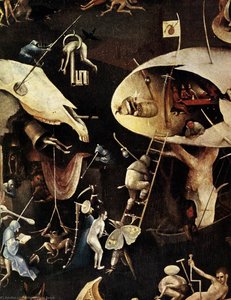
Hieronymus Bosch's "Beggars," a meticulously rendered pen and ink drawing, isn’t merely a depiction of poverty; it’s a profound meditation on human nature, steeped in the anxieties and moral complexities of late medieval Europe. Created around 1500, this work transcends its subject matter to become a haunting allegory, reflecting Bosch's signature blend of meticulous realism with fantastical and unsettling imagery—a visual vocabulary that continues to captivate and disturb centuries later. The drawing’s stark monochrome palette – shades of gray and white – immediately establishes an atmosphere of solemnity and unease, mirroring the hardship depicted within its crowded composition. It’s a scene not of simple charity, but of a deeper, more unsettling truth about societal structures and human vulnerability.
Bosch's genius lies in his ability to imbue everyday subjects with symbolic weight. The figures sprawled across the frame—beggars, crippled individuals, and those seemingly lost in contemplation—are not simply portraits of the destitute; they represent a broader critique of societal failings. The sheer density of the scene, achieved through overlapping forms and intricate hatching techniques, creates a claustrophobic effect, mirroring the feeling of entrapment experienced by these marginalized members of society. The lack of a clear focal point forces the viewer to confront the multitude of sorrows represented, demanding an active engagement with the artwork’s unsettling narrative.
The Language of Line: Technique and Craftsmanship
“Beggars” is a testament to Bosch's extraordinary technical skill. The work is dominated by fine, precise lines—a hallmark of his meticulous penmanship. Bosch masterfully employs hatching and cross-hatching techniques to build up tonal values and define the forms of the figures with remarkable detail. This painstaking process creates an illusion of texture and volume, giving a tangible quality to the seemingly frail bodies depicted. The varying pressure applied to the quill results in subtle shifts in tone, mimicking the play of light and shadow—a sophisticated technique that elevates the drawing beyond simple representation.
The choice of pen and paper is crucial to understanding the artwork’s character. The delicate lines evoke a sense of fragility and vulnerability, mirroring the plight of the subjects depicted. The stark contrast between the dark ink and the white paper creates an almost theatrical effect, emphasizing the figures' isolation and despair. It’s a deliberate choice that underscores the drawing’s emotional intensity.
Symbolism and the Shadowed World
As with much of Bosch’s oeuvre, “Beggars” is laden with symbolic meaning—though its precise interpretations remain open to debate. The figures themselves can be seen as representations of sin, temptation, or the consequences of moral decay. The presence of animals – a recurring motif in Bosch's work – adds another layer of complexity, suggesting a blurring of boundaries between humanity and the natural world. Some scholars have linked the scene to biblical narratives of judgment and punishment, while others interpret it as a commentary on the social injustices prevalent during Bosch’s time.
The overall effect is profoundly unsettling—a visual representation of human suffering and the potential for corruption within society. “Beggars” isn't simply a depiction of poverty; it’s an invitation to confront uncomfortable truths about ourselves and the world around us, a timeless reminder of the enduring challenges faced by those on the margins of society.
प्रश्न और उत्तर
"Beggars" के Northern Renaissance के पीछे किस देश की उत्पत्ति का हाथ है?
Northern Renaissance शैली की यह कृति "Beggars", नीदरलैंड में जन्मे एक कलाकार द्वारा बनाई गई थी।
जर्मनियस बोश द्वारा "Beggars" के लिए किस तकनीक का उपयोग किया गया था?
जर्मनियस बोश ने "Beggars" के लिए Acrylic तकनीक का उपयोग किया है। यह तकनीक मूल कृति की भौतिक प्रकृति को परिभाषित करती है।
क्या "Beggars" के रचनाकार जर्मनियस बोश, अन्य नामों से भी जाने जाते हैं?
जर्मनियस बोश अन्य नामों जर्मनियस वान एकेन के नाम से भी जाने जाते हैं।
कलाकार का परिचय
एक नेटरलैंडिश पहेली: जर्मनियस बोश का जीवन और कला
नीदरलैंड के जीवंत और हलचल भरे शहर ’s-Hertogenbosch में, जो उस समय ब्रैबेंट का हिस्सा था, लगभग 1450 के आसपास जन्मे जर्मनियस बोश, जिन्हें मूल रूप से जेरोनिमस वान एकेन के नाम से जाना जाता था, कला इतिहास के सबसे सम्मोहक और रहस्यमय व्यक्तित्वों में से एक हैं। उनकी दुनिया उत्तर मध्यकालीन धार्मिक उत्साह, लोककंतथाओं और बढ़ते सामाजिक असंतोष की भावना में डूबी हुई थी, जिसने उनकी अद्वितीय और विचलित कर देने वाली कलात्मक दृष्टि को गहराई से आकार दिया। चित्रकला की लंबी परंपरा वाले परिवार से आने के कारण—उनके दादा, जान वान एकेन, और पिता, एंथोनियस वान एकेन, दोनों ही कलाकार थे—बोश ने संभवतः अपने प्रारंभिक प्रशिक्षण पारिवारिक कार्यशाला में ही प्राप्त किया होगा, जहाँ उन्होंने नेटरलैंडिश पेंटिंग की तकनीकों और परंपराओं को आत्मसात किया। हालाँकि, अपने प्रारंभिक वर्षों में ही उन्होंने स्थापित मानदंडों से अलग होना शुरू कर दिया था, जो उस असाधारण कल्पना का संकेत था जिसने उनके करियर को परिभाषित किया। उनके जीवन के जैविक विवरण निराशाजनक रूप से कम हैं; रिकॉर्ड खंडित हैं, जिससे बहुत कुछ अटकलों और व्याख्याओं के लिए खुला रह जाता है, जो व्यक्ति और उनके कार्य दोनों के इर्द-गिर्द रहस्य के आभामंडल को बढ़ाता है। उन्होंने 1481 से पहले एलीट गोयार्ट्स वान डे मर्वीन से विवाह किया था, एक ऐसा मिलन जिसने उन्हें उनके परिवार की संपत्ति के माध्यम से कुछ वित्तीय सुरक्षा प्रदान की, लेकिन उनके व्यक्तिगत जीवन के बारे में बहुत कम ही ज्ञात है।काल्पनिक दृश्य और प्रतीकात्मक गहराई
बोश की कलात्मक शैली तुरंत पहचान में आने वाली है—यह सूक्ष्म विवरणों और जंगली कल्पनाशील छवियों का एक मंत्रमुग्ध कर देने वाला मिश्रण है। उन्होंने मुख्य रूप से ओक पैनल पर तेल के रंगों (oil on oak panels) के साथ काम किया, जिससे माध्यम पर उनकी उत्कृष्ट महारत प्रदर्शित होती है, जिसके माध्यम से उन्होंने चमकदार रंग और जटिल बनावट प्राप्त की। हालाँकि उनके शुरुआती कार्यों में पारंपरिक नेटरलैंडिश पेंटिंग का प्रभाव दिखता है, विशेष रूप से उनके यथार्थवाद और विवरणों पर ध्यान देने में, लेकिन वे जल्द ही केवल नकल करने से आगे बढ़ गए और एक अत्यंत मौलिक दृष्टि विकसित की। उनके चित्र केवल वास्तविकता का प्रतिनिधित्व नहीं हैं; वे रूपक परिदृश्य (allegorical landscapes) हैं जो अजीबोगंतुक जीवों, संकर प्राणियों और विचलित करने वाले दृश्यों से भरे हुए हैं जो सपनों—या दुःस्वप्नों—से निकाले हुए प्रतीत होते हैं। धार्मिक विषय उनके अधिकांश कार्यों के मूल में हैं, लेकिन ये शायद ही कभी बाइबिल की कहानियों का सीधा चित्रण होते हैं। इसके बजाय, बोश जटिल नैतिक और धार्मिक अवधारणाओं की खोज करने के लिए प्रतीकवाद का उपयोग करते हैं, जो अक्सर पाप के खतरों, सांसारिक सुखों की नाजुकता और ईश्वरीय न्याय की अनिवार्यता पर ध्यान केंद्रित करते हैं। उनके जीव—भयानक राक्षस, काल्पनिक जानवर और अजीबोगरीब मानव आकृतियाँ—केवल सजावटी तत्व नहीं हैं; वे बुराई, प्रलोभन और आध्यात्मिक भ्रष्टाचार के प्रतीक हैं। पवित्र और अपवित्र, सुंदर और कुरूप का मिश्रण एक अनूठा विचलित करने वाला प्रभाव पैदा करता है जो सदियों बाद भी दर्शकों को मंत्रमुग्ध करना जारी रखता है।नैतिक रूपक की उत्कृष्ट कृतियाँ
बोश की सबसे प्रसिद्ध उपलब्धियों में द गार्डन ऑफ अर्थली डिलाइट्स (लगभग 1490-1510) शामिल है, एक त्रिपिच (triptych) जो कला इतिहास के सबसे रहस्यमय और विवादित कार्यों में से एक बना हुआ है। जब इसे खोला जाता है, तो यह स्वर्ग, सांसारिक जीवन और नर्क का एक व्यापक दृश्य प्रस्तुत करता है—जो मानवता के पतन का एक जटिल रूपक प्रतिनिधित्व है। बायां पैनल 'गार्डन ऑफ ईडन' को दर्शाता है, जो काल्पनिक जीवों और घनी वनस्पतियों से भरा हुआ है; मध्य पैनल एक ऐसी दुनिया को चित्रित करता है जो कामुक सुख और अनियंत्रित इच्छाओं में डूबी हुई है; और दाहिना पैनल नर्क की यातनाओं की एक भयानक झलक पेश करता है। द त्रिपिच ऑफ द लास्ट जजमेंट (लगभग 1480-1490) स्वर्गीय आनंद और नरक की पीड़ा दोनों को चित्रित करने के उनके कौशल का एक और शक्तिशाली उदाहरण है, जबकि द असेंट ऑफ द ब्लेस्ड (लगभग 1480-1490) अलौकिक और स्वप्निल दृश्य बनाने की उनकी क्षमता को प्रदर्शित करता है। एपिफनी (लगभग 1495) जैसे छोटे कार्य भी लकड़ी पर तेल के उपयोग और जटिल प्रतीकवाद के उनके अभिनव उपयोग को प्रदर्शित करते हैं, जो विश्वास, नैतिकता और मानवीय स्थिति के बारे में गहन प्रश्नों से जूझते एक मस्तिष्क को प्रकट करते हैं।विरासत और स्थायी प्रभाव
बोश की दृष्टि की मौलिकता को देखते हुए, उनके प्रत्यक्ष प्रभावों की पहचान करना एक चुनौतीपूर्ण कार्य है। विद्वान मध्यकालीन लोककथाओं, धार्मिक ग्रंथों—विशेष रूप से वे जो प्रलयंकारी विषयों पर जोर देते हैं—और उस समय की प्रचलित चिंताओं, जिसमें विधर्म और सामाजिक उथल-पुथल का डर शामिल था, के साथ संभावित संबंधों का सुझाव देते हैं। हालाँकि, यह स्पष्ट है कि उन्होंने इन तत्वों को कुछ पूरी तरह से नया और अद्वितीय बनाया। बाद के कलाकारों पर उनका प्रभाव निर्विवाद है। पीटर ब्रुगेल द एल्डर ने सीधे उनके पदचिन्हों का अनुसरण किया, समान विषयों और संरचनात्मक तकनीकों को अपनाया, जबकि अतियथार्थवाद (Surrealism) जैसे बाद के आंदोलनों ने भी बोश की स्वप्निल छवियों और अवचेतन की खोज से प्रेरणा ली। साल्वाडोर डाली और मैक्स अर्न्स्ट जैसे कलाकारों ने उनके विचलित करने वाले दृश्यों के प्रति अपने ऋण को खुले तौर पर स्वीकार किया। आज भी, बोश का कार्य मंत्रमुग्ध करना और बहस पैदा करना जारी रखता है, नेटरलैंडिश पेंटिंग के एक उस्ताद और एक दूरदर्शी कलाकार के रूप में उनके स्थान को मजबूत करता है जिसकी पहुंच उनके अपने समय से कहीं आगे तक है। उनके चित्र 15वीं और 16वीं शताब्दी के उत्तरार्ध के धार्मिक, सामाजिक और मनोवैज्ञानिक वातावरण की मूल्यवान अंतर्दृष्टि प्रदान करते हैं, जो पारंपरिक मानदंडों को चुनौती देते हैं और कलात्मक अभिव्यक्ति के नए रूपों का मार्ग प्रशस्त करते हैं। उनकी मृत्यु 1516 में हुई, और वे अपने पीछे कार्यों का एक ऐसा संग्रह छोड़ गए जो आज भी डराता और प्रेरित करता है, जिससे कला इतिहास की सबसे अनूठी और अविस्मरणीय आवाजों में से एक के रूप में उनकी स्थायी विरासत सुनिश्चित होती है।
जर्मनियस बोश
1450 - 1516 , नीदरलैंड
संक्षिप्त जानकारी
- Artistic Movement Or Style: Surrealism, Symbolism
- Artists Or Movements Influenced By This Artist: ['Pieter Bruegel the Elder']
- Date Of Birth: c. 1450
- Date Of Death: 1516
- Full Name: Hieronymus Bosch
- Nationality: Dutch
- Notable Artworks:
- Garden of Earthly Delights
- Last Judgement Triptych
- Ascent of the Blessed
- Place Of Birth: Den Bosch, Netherlands
संबंधित लेखों की सूची

Ephemeral Expressions: Exploring the Nuances of Ink on Paper Through History & Contemporary Art
Explore the captivating world of ink wash painting – from its ancient origins to contemporary masters. Discover techniques, symbolism & conservation insights with OriginalUniqueArt.com.
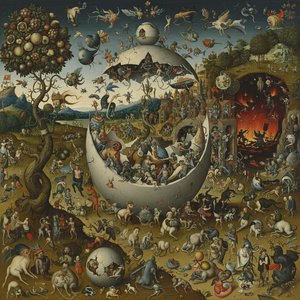
हीरोनिमस बॉश की शीर्ष 25 कलाकृतियाँ: रहस्यमय सौंदर्य और गहन प्रतीकवाद | OriginalUniqueArt
हीरोनिमस बॉश की शीर्ष 25 कलाकृतियों का अन्वेषण करें! मध्ययुगीन रहस्यवाद, धार्मिक प्रतीकवाद और कल्पनाशील दृश्यों से भरी ये पेंटिंग कला इतिहास में अद्वितीय हैं। OriginalUniqueArt पर उच्च गुणवत्ता वाले पुनरुत्पादन खरीदें और अपने घर को सजाएं। अभी संग्रह देखें!
Ephemeral Lines: Exploring Emotional Resonance in Ink Sketching Traditions
Explore the profound art of ink sketching! Discover techniques to express emotion, master line work, and cultivate artistic sensitivity. Learn from historical masters & unlock your creative potential.
The Alchemy of Ink: Mastering the Timeless Beauty and Art History of Paper and Brush
Embark on a sophisticated exploration of ink wash painting and Sumi-e. Uncover the profound historical lineages, Zen philosophies, and technical mastery behind this timeless medium in our authoritative guide for fine art enthusiasts.
Hieronymus Bosch: Decoding the Visions of a Netherlandish Master
Explore the captivating world of Hieronymus Bosch! Delve into the symbolism, religious context, and artistic innovation of this Netherlandish master with OriginalUniqueArt's expert analysis. Discover his iconic paintings & lasting influence.