

 पूर्वावलोकन देखें
 भेजें
भेजें साझा करें
 विवरण देखें
 मार्गदर्शिका

 डाउनलोड करें
 समान वस्तुएं
 एक्स-रे
 स्लाइड शो देखें
 आंकड़े
Lullaby Sleeping Head

 और पढ़ें
इस पृष्ठ पर प्रदर्शित कलाकृति कॉपीराइट कानून द्वारा संरक्षित है, जिसका अर्थ है कि हम कानूनी रूप से इसकी हूबहू प्रतिलिपि बनाने या बेचने का अधिकार नहीं रखते हैं। यह संरक्षण अंतर्राष्ट्रीय समझौतों के तहत लागू किया जाता है, जैसे कि बर्न कन्वेंशन और राष्ट्रीय कानूनों द्वारा, जिनमें % द्वारा निर्धारित कानून भी शामिल हैं। अमेरिकी कॉपीराइट कानून - शीर्षक 17।
यह विधि कॉपीराइट नियमों का पूरी तरह से पालन करती है क्योंकि इसमें संरक्षित कलाकृति की नकल या प्रतिलिपि बनाना शामिल नहीं है। इसके बजाय, यह एक रचनात्मक पुनर्व्याख्या है - एक ऐसी नई पेंटिंग जो मूल कृति से प्रेरित तो है, लेकिन उसके समान नहीं है।
गिक्ली / आर्ट प्रिंट
तेज़ उत्पादन और विभिन्न फिनिश विकल्पों के साथ म्यूजियम-क्वालिटी गिकली (giclée) या कैनवस प्रिंट। ( हाथ से बनी पेंटिंग खरीदें डिजिटल इमेज पर जाएँ)




P118B ₹10

P118H ₹10

P118W ₹10

P438Z ₹10

P508JH ₹12

P508YH ₹12

P805H ₹10

P805Z ₹10

P919BZ ₹10

P919G ₹10

P919XJ ₹10

P959ZH ₹10

P968JZ ₹12

W106C ₹8

W218G ₹10

W218JH ₹8

W218Y ₹10

W307PJ ₹10

W316G ₹10

W316PJ ₹8

W316Y ₹10

W398PJ ₹8

W4111J ₹10

W500HY ₹15

W500JH ₹15

W692G ₹12

W849H ₹8

W940BG ₹15

W953PJ ₹8




कलाकृति के मूल अनुपात से मेल खाने वाले हमारे पूर्व निर्धारित आकारों में से चुनें।

अपने फ्रेम या अपनी दीवार के अनुसार आवश्यक चौड़ाई और ऊंचाई दर्ज करें। प्रिंट को केवल काटा जा सकता है, चित्र से बड़ा कभी नहीं बनाया जा सकता, इसलिए अलग आकार का साइज चित्र का एक हिस्सा खो देता है। किसी भी चीज़ को प्रिंट करने से पहले हम आपकी स्वीकृति के लिए आपको एक डिजिटल मॉकअप भेजते हैं। इस पृष्ठ पर दिखाया गया चित्र वास्तविक कटिंग नहीं दिखाता है — केवल मॉकअप ही इसे दर्शाता है।
विश्वव्यापी डिलीवरी (), मानक 4/5 सप्ताह के बजाय मात्र 2 सप्ताह में। (21 अक्टूबर)

दुनिया भर में मुफ़्त एक्सप्रेस शिपिंग

प्रीमियम ग्रेड लिनेन कैनवास

पूर्ण शिपिंग बीमा

सीमा शुल्क और आयात कर वापसी की गारंटी

सटीक रंग मिलान की गारंटी

100 दिनों की वापसी नीति (केवल निर्माण दोष होने पर)

100% पैसे वापसी की गारंटी

थोक छूट का अवसर
 ग्लास का विकल्प केवल 110 सेमी से कम आकार में ही उपलब्ध है।

Lullaby Sleeping Head
गिक्ली / आर्ट प्रिंट
प्रतिकृति का आकार
-


कुल मूल्य
₹ 7653
A Tender Moment Captured: Henry Moore's "Lullaby Sleeping Head"
This evocative black and white drawing, “Lullaby Sleeping Head,” offers a poignant glimpse into the intimate bond between a parent and child. Created by the renowned British sculptor Henry Moore, this work transcends mere depiction; it’s an exploration of comfort, protection, and the profound tenderness inherent in nurturing relationships. While primarily known for his monumental sculptures, this drawing reveals another facet of Moore's artistic genius – his ability to distill complex emotions into deceptively simple forms. The image portrays a man gently cradling a sleeping child, their figures intertwined in a posture of serene repose. The man’s robe-like garment envelops both figures, creating a sense of warmth and security. The detail afforded to the man's face—his eyes and mouth—suggests quiet contemplation and unwavering care, while the partially obscured face of the sleeping child amplifies the feeling of vulnerability and trust.Style & Technique: A Sculptor’s Perspective
Moore’s artistic style is immediately recognizable even in this two-dimensional medium. Though he's celebrated for his three-dimensional works, here we see a direct translation of his sculptural principles. The drawing exhibits the hallmarks of Moore’s approach to form – simplification and abstraction. He doesn't strive for photographic realism; instead, he focuses on capturing the essence of the figures through carefully rendered lines and shading. This technique, rooted in direct carving—a method he championed—allows him to convey volume and weight despite the absence of physical depth. The use of black and white enhances the drawing’s emotional intensity, stripping away color distractions and focusing attention on the interplay of light and shadow that defines the forms. It's a testament to Moore’s mastery that he can evoke such powerful emotion with such economical means.Historical Context & Recurring Themes
“Lullaby Sleeping Head” was created during Moore’s prolific career, which spanned from the 1920s until his death in 1986. His work is deeply embedded within the context of Modernism, reacting against traditional representational art while simultaneously exploring universal human themes. Moore frequently depicted the mother-and-child motif throughout his oeuvre, recognizing its symbolic power as a representation of primal connection and enduring love. This drawing aligns with that recurring theme, but offers a unique perspective by portraying the father’s role in nurturing—a shift reflecting evolving societal roles during the mid-20th century. The post-war period saw a renewed emphasis on family and domesticity, and Moore's work often reflected these changing values.Symbolism & Emotional Impact
Beyond its literal depiction, “Lullaby Sleeping Head” resonates with profound symbolic meaning. The act of cradling—the protective embrace—represents security, vulnerability, and unconditional love. The sleeping child symbolizes innocence and trust, while the man embodies strength and guardianship. The absence of a detailed background further emphasizes the intimacy of the moment, drawing the viewer’s attention solely to the relationship between these two figures. The overall emotional impact is one of quiet serenity and profound tenderness—a universal expression of parental love that transcends cultural boundaries. This piece invites contemplation on the enduring power of human connection and the beauty found in simple, everyday moments.प्रश्न और उत्तर
हेनरी मूर द्वारा "Lullaby Sleeping Head" में कौन सा मुख्य रंग प्रमुखता से दिखाई देता है?
"Lullaby Sleeping Head" में Ochre to Sepia रंग की प्रधानता है।
क्या "Lullaby Sleeping Head" एक फाइन आर्ट प्रिंट के रूप में उपलब्ध है?
हेनरी मूर द्वारा "Lullaby Sleeping Head" का प्रिंट प्राप्त करने के लिए, बस इसके फाइन आर्ट प्रिंट पेज पर ऑर्डर करें: कॉटन कैनवास या आर्काइवल कैनवास पेपर पर एक फाइन आर्ट प्रिंट।
मैं हेनरी मूर द्वारा "Lullaby Sleeping Head" के समान अन्य कलाकृतियाँ कैसे खोज सकता हूँ?
"Lullaby Sleeping Head" के समान कलाकृतियाँ इस कलाकृति के समान कलाकृतियाँ पृष्ठ पर सूचीबद्ध हैं।
कलाकार का परिचय
आकार में ढली एक जीवन यात्रा: हेनरी मूर की दुनिया
हेनरी स्पेंसर मूर, जिनका जन्म 1898 में यॉर्कशायर के कैसलफोर्ड नामक खनन शहर में हुआ था, बीसवीं सदी के ब्रिटेन के सबसे महत्वपूर्ण और अंतरराष्ट्रीय स्तर पर प्रशंसित मूर्तिकारों में से एक के रूप में उभरे। विनम्र शुरुआत से वैश्विक पहचान तक का उनका सफर कलात्मक अन्वेषण के प्रति उनके अटूट समर्पण और मानव रूप एवं प्राकृतिक दुनिया के साथ उनके गहरे संबंध का प्रमाण है। मूर के पिता, जो सीखने के प्रति उत्साही एक स्व-शिक्षित व्यक्ति थे, ने उनमें शिक्षा की शक्ति के प्रति विश्वास जगाया और उन्हें खनिक के जीवन से दूर औपचारिक स्कूली शिक्षा की ओर अग्रसर किया। एक छोटे बालक के रूप में भी, मूर ने मिट्टी को आकार देने और लकड़ी को तराशने में एक जन्मजात प्रतिभा का प्रदर्शन किया, जो उनके भविष्य के कलात्मक मार्ग का संकेत था। स्पर्शनीय सामग्रियों के साथ इस प्रारंभिक जुड़ाव ने त्रि-आत्मीय आकारों से परिभाषित एक करियर की नींव रखी। यॉर्कशायर की लहरदार पहाड़ियों के बीच बड़े होने के अनुभवों ने उनकी सौंदर्य संबंधी संवेदनशीलता को गहराई से प्रभावित किया, जिससे उनके कार्यों में एक जैविक तरलता का भाव आया जो उनके जन्मस्थान के परिदृश्य की प्रतिध्वनि है।प्रारंभिक प्रभाव और कलात्मक विकास
मूर की कलात्मक शिक्षा कैसलफोर्ड सेकेंडरी स्कूल से शुरू हुई, जहाँ उनके कला शिक्षक ने उनकी प्रतिभा को पहचाना और उसे निखारा। बाद में उन्होंने लीड्स स्कूल ऑफ आर्ट और फिर लंदन के रॉयल कॉलेज ऑफ आर्ट में अध्ययन किया, जहाँ वे शास्त्रीय मूर्तिकला और घनवाद (Cubism) जैसे आधुनिक आंदोलनों के अध्ययन में डूब गए। हालाँकि, मूर केवल रुझानों के अनुयायी नहीं थे; उन्होंने इन प्रभावों को कुछ ऐसा बनाया जो पूरी तरह से उनका अपना था। एक महत्वपूर्ण मोड़ 1925 में मेक्सिको की यात्रा के दौरान आया, जहाँ उनका सामना प्री-कोलंबियन मूर्तियों से हुआ—विशेष रूप से एज़्टेक सभ्यता की कलाकृतियों से। इन कार्यों की शक्तिशाली सादगी और अमूर्त रूपों ने मूर को गहराई से प्रभावित किया, जिससे वे पारंपरिक प्रतिनिधि सीमाओं से मुक्त हो सके। उन्होंने अमूर्तन को अधिक पूर्णता से तलाशना शुरू किया, जिसमें मानव आकृति को प्रेरणा के स्रोत के रूप में केंद्रित रखा लेकिन शारीरिक सटीकता से हटकर काम किया। इस काल में उनकी विशिष्ट शैली का विकास हुआ: अर्ध-अमूर्त मूर्तियाँ जो गोल, जैविक आकारों द्वारा पहचानी जाती थीं और जिनमें अक्सर प्रकाश और स्थान के साथ खेलने वाले रिक्त स्थान या छिद्र होते थे।लेटी हुई आकृति और माँ एवं बच्चा
अपने पूरे करियर के दौरान, मूर के कार्यों पर दो आवर्ती विषय हावी रहे: लेटी हुई आकृति (reclining figure) और माँ एवं बच्चा। विशेष रूप से, 'लेटी हुई आकृति' उनके नाम का पर्याय बन गई। ये मूर्तियाँ केवल विश्राम की मुद्रा में मानव शरीर का चित्रण मात्र नहीं हैं; वे आकार, आयतन और आकृति तथा उसके आसपास के स्थान के बीच संबंध की खोज हैं। उनकी लहरदार वक्रता कालातीतता और शांति का भाव जगाती है, जबकि उनके अक्सर खंडित या छिद्रित रूप भेद्यता और लचीलेपन का सुझाव देते हैं। 'माँ एवं बच्चा' विषय, जो उनके कार्य में समान रूप से प्रचलित है, प्रेम, संरक्षण और पोषण के सार्वभौमिक विषयों की बात करता है। माँ और बच्चों के मूर के चित्रण गहरे भावनात्मक स्तर से ओतप्रोत हैं, जो माता और संतान के बीच के अंतरंग बंधन को कैद करते हैं। ये मूर्तियाँ आदर्शित चित्रण नहीं थीं, बल्कि मानवीय जुड़ाव का ईमानदार चित्रण थीं, जो अक्सर उस युग की चिंताओं और अनिश्चितताओं को दर्शाती थीं जिसमें वे बनाई गई थीं।युद्धकालीन प्रतिबिंब और सार्वजनिक आयोग
द्वितीय विश्व युद्ध के प्रकोप ने मूर के काम को गहराई से प्रभावित किया। उन्होंने लंदन के लोगों को भूमिगत स्टेशनों (Underground stations) में बमबारी से बचते हुए प्रलेखित करना शुरू किया, जिससे चित्रों की एक ऐसी श्रृंखला तैयार हुई जिसने उस समय के डर, लचीलेपन और सामुदायिक भावना को कैद किया। ये 'शिल्टर ड्रॉइंग्स' न केवल महत्वपूर्ण ऐतिहासिक दस्तावेज हैं, बल्कि मूर की अपनी मूर्तिकला संवेदनशीलता को द्वि-आयामी रूप में बदलने की क्षमता को भी प्रदर्शित करते हैं। युद्ध के बाद, मूर को कई सार्वजनिक आयोग प्राप्त हुए, जिससे उन्हें स्कूलों, अस्पतालों और नागरिक स्थानों के लिए बड़े पैमाने पर मूर्तियाँ बनाने का अवसर मिला। उनका मानना था कि कला सभी के लिए सुलभ होनी चाहिए और उन्होंने सक्रिय रूप से अपने काम को रोजमर्रा के जीवन में एकीकृत करने के अवसर खोजे। ये भव्य कांस्य मूर्तियाँ मील के पत्थर बन गईं, जिन्होंने शहरी परिदृश्यों को बदल दिया और कलाकारों एवं दर्शकों की पीढ़ियों को प्रेरित किया। अपनी कलात्मक दृष्टि के प्रति सच्चे रहते हुए इन विशाल परियोजनाओं को पूरा करने की उनकी क्षमता ने आधुनिक मूर्तिकला के एक अग्रणी व्यक्तित्व के रूप में उनकी प्रतिष्ठा को सुदृढ़ किया।विरासत और स्थायी प्रभाव
बीसवीं सदी की कला पर हेनरी मूर का प्रभाव निर्विवाद है। उन्होंने आकार और स्थान की पारंपरिक धारणाओं को चुनौती देकर और अमूर्तन की शक्ति का प्रदर्शन करके मूर्तिकारों की अगली पीढ़ियों के लिए मार्ग प्रशस्त किया। उनका कार्य आज भी दर्शकों के बीच गूँजता है, विस्मय और चिंतन को प्रेरित करता है। 1977 में, मूर ने 'हेनरी मूर फाउंडेशन' की स्थापना की, यह सुनिश्चित करते हुए कि उनकी विरासत शिक्षा और कला के प्रचार के माध्यम से बनी रहे। यह फाउंडेशन दुनिया भर के कलाकारों, विद्वानों और संस्थानों का समर्थन करता है, जिससे रचनात्मकता और कलात्मक नवाचार को बढ़ावा देने के मूर के संकल्प को बल मिलता है। उनकी मूर्तियाँ मानवीय बुद्धिमत्ता के स्थायी स्मारक के रूप में खड़ी हैं और कला की परिवर्तनकारी शक्ति का प्रमाण हैं।- प्रमुख विषय: मानव रूप, अमूर्तन, माँ एवं बच्चा, लेटी हुई आकृतियाँ, परिदृश्य।
- मुख्य प्रभाव: शास्त्रीय मूर्तिकला, घनवाद, प्री-कोलंबियन कला, यॉर्कशायर का परिदृश्य।
- उल्लेखनीय कार्य: *Reclining Figure: 1951*, *Family Group*, *Shelter Drawings*।

हेनरी मूर
1898 - 1986 , यूनाइटेड किंगडम
संक्षिप्त जानकारी
- Artistic Movement Or Style: आधुनिक कला
- Artists Who Influenced This Artist:
- जॉन सिंगर सार्जेंट
- विलियम रोटेनस्टीन
- Date Of Birth: जुलाई 30, 1898
- Date Of Death: अगस्त 31, 1986
- Full Name: Henry Spencer Moore
- Nationality: ब्रिटिश
- Notable Artworks:
- reclining आकृति
- Shelter Drawings
- Place Of Birth: कैसलफोर्ड, यूके
संबंधित लेखों की सूची

The Enduring Form: Exploring Themes & Techniques in Sculpture Across Historical Periods
Explore the rich history of sculpture from ancient masterpieces to contemporary innovations. Discover key techniques, influential artists & investment potential for discerning art collectors.

Bronze Age to Modern Masters: 10 Sculptures That Redefined Art | OriginalUniqueArt
Journey through art history with 10 legendary bronze sculptures – from Michelangelo's David to Rodin’s Thinker. Explore the stories, techniques & timeless beauty of these masterpieces. Find museum-quality reproductions & elevate your home decor on OriginalUniqueArt.com.
हेनरी मैटिस की शीर्ष 25 उत्कृष्ट कृतियाँ: कला और सजावट का अद्भुत संग्रह | OriginalUniqueArt
हेनरी मैटिस की शीर्ष 25 उत्कृष्ट कृतियों का अन्वेषण करें! फ़ौविज़्म, आधुनिक कला और रंगीन चित्रों के माध्यम से उनकी जीवन यात्रा जानें। OriginalUniqueArt.com पर उच्च गुणवत्ता वाले आर्ट प्रिंट और दीवार सजावट खरीदें।
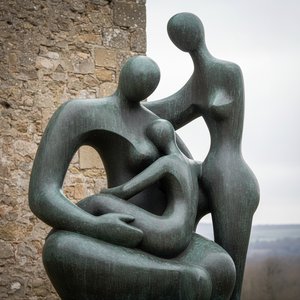
Henry Moore: Sculpting Modernity – Form, Emotion & the Human Condition
Explore the revolutionary sculptures of Henry Moore – abstract forms, reclining figures & powerful expressions of the human condition. Discover his legacy & artistic process with OriginalUniqueArt.

Bronze Sculptures That Defined Art History | OriginalUniqueArt
Journey through art history with our Top 10 bronze sculptures! Explore masterpieces by Rodin, Michelangelo & more. Discover stories behind iconic statues and find museum-quality reproductions for your home decor at OriginalUniqueArt.com.


