 पूर्वावलोकन देखें
 साझा करें
 साझा करें
 विस्तृत विवरण

 डाउनलोड करें
 समान कलाकृतियाँ
 एक्स-रे
 स्लाइड शो देखें
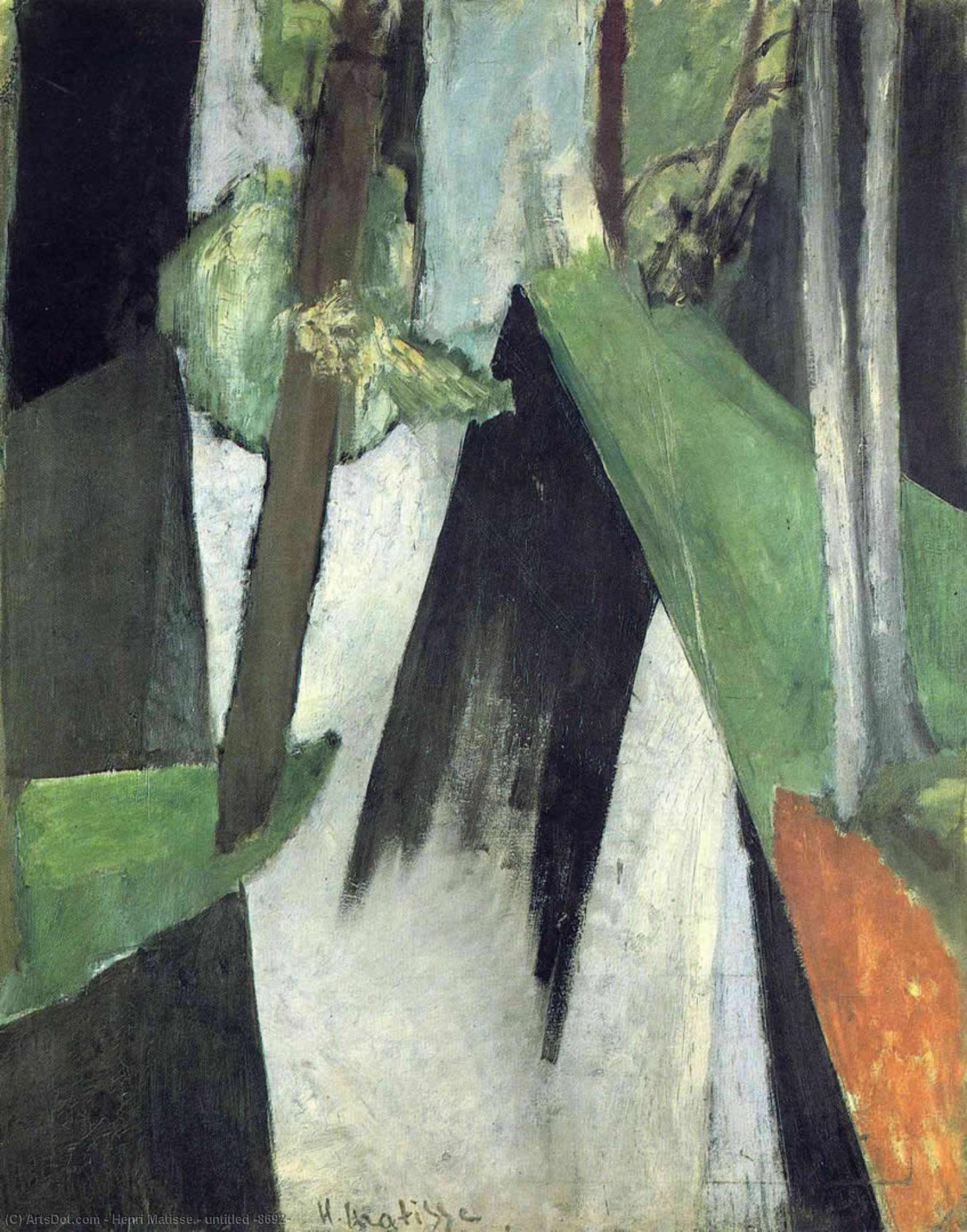
untitled (8692)

 पूरा देखें
गिक्ली / आर्ट प्रिंट
तेज़ उत्पादन और विभिन्न फिनिश विकल्पों के साथ म्यूजियम-क्वालिटी गिकली (giclée) या कैनवस प्रिंट। ( हाथ से बनी पेंटिंग पर स्विच करें इमेज पर बदलें)




P118B $10

P118H $10

P118W $10

P438Z $10

P508JH $12

P508YH $12

P805H $10

P805Z $10

P919BZ $10

P919G $10

P919XJ $10

P959ZH $10

P968JZ $12

W106C $8

W218G $10

W218JH $8

W218Y $10

W307PJ $10

W316G $10

W316PJ $8

W316Y $10

W398PJ $8

W4111J $10

W500HY $15

W500JH $15

W692G $12

W849H $8

W940BG $15

W953PJ $8




कलाकृति के मूल अनुपात से मेल खाने वाले हमारे पूर्व निर्धारित आकारों में से चुनें।

आप किसी विशिष्ट फ्रेम या स्थान के अनुसार अपने स्वयं के आयाम (dimensions) दर्ज कर सकते हैं। यदि आपके द्वारा चुना गया आकार मूल छवि के अनुपात से मेल नहीं खाता है, तो हम कलाकृति को क्रॉप कर देंगे या मिरर किए गए या सॉलिड-फिल किनारे के साथ छवि का विस्तार करेंगे। उत्पादन शुरू होने से पहले आपकी स्वीकृति के लिए एक डिजिटल मॉकअप भेजा जाएगा।
कृपया ध्यान दें कि स्क्रीन पर दिखने वाला प्रीव्यू वास्तविक क्रॉपिंग या विस्तार को नहीं दर्शाता है। केवल मॉकअप ही अंतिम संरचना को सटीक रूप से दिखाएगा।
हालाँकि कस्टम आकार उपलब्ध हैं, फिर भी हम मूल अनुपात बनाए रखने के लिए पूर्व-निर्धारित सूची में से एक आयाम चुनने की सलाह देते हैं।
विश्वव्यापी डिलीवरी (), मानक 4/5 सप्ताह के बजाय मात्र 2 सप्ताह में। (10 अगस्त)

दुनिया भर में मुफ़्त एक्सप्रेस शिपिंग

उच्च गुणवत्ता वाला लिनेन कैनवास

पूर्ण शिपिंग बीमा

सीमा शुल्क और आयात कर वापसी की गारंटी

सटीक रंग मिलान की गारंटी

60-दिन की वापसी नीति (केवल दोषों के लिए)

100% पैसे वापसी की गारंटी

थोक छूट का लाभ
 ग्लास का विकल्प केवल 110 सेमी से कम आकार में ही उपलब्ध है।

untitled (8692)
गिक्ली / आर्ट प्रिंट
प्रतिकृति का आकार
-


कुल देय राशि
$ 80
संग्रहणीय वस्तु का विवरण
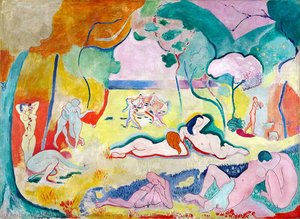
A Symphony of Color: Exploring Henri Matisse’s Untitled (8692)
Henri Matisse, born December 31, 1869, in Le Cateau-Cambrésis, France, wasn't initially destined for a career devoted to artistic expression. His early life was marked by legal pursuits—a path chosen after secondary school—until an unexpected illness dramatically altered his trajectory. A severe appendicitis attack in 1889 forced him into convalescence, and it was during this period that he stumbled upon painting with a set of art supplies gifted by his mother. This serendipitous encounter ignited within him a passion he hadn’t known existed, propelling him away from legal documents and toward the vibrant realm of color and canvas. Growing up in Bohain-en-Vermandois, the son of grain merchants, Matisse possessed an upbringing seemingly antithetical to the bohemian spirit associated with artistic endeavors; however, the formative influence of recovery proved decisive, nurturing a lifelong dedication to mastering his craft. He enrolled at the Académie Julian before progressing to the École Nationale des Beaux-Arts, establishing himself as a respected artist within Parisian intellectual circles.The Fauvist Vision: Bold Color and Simplified Forms
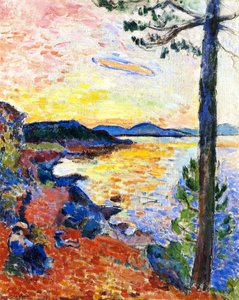
Matisse’s artistic breakthrough arrived during the early years of the 20th century, coinciding with the emergence of Fauvism – a movement that championed unrestrained color as its primary expressive tool. Rejecting academic conventions favoring muted tones, Matisse embraced hues deemed “wild” or “primitive,” prioritizing emotional impact over realistic representation. This stylistic choice wasn’t merely aesthetic; it reflected a broader philosophical shift toward embracing spontaneity and intuition. As exemplified by "Untitled (8692)," the painting abandons meticulous detail in favor of flattened planes of color—primarily greens, yellows, and reds—creating an immersive visual experience that prioritizes feeling over observation. The artist's masterful technique captures the essence of his subject matter with remarkable efficiency, conveying a sense of tranquility and beauty through its luminous palette.A Landscape Illuminated: Composition and Atmosphere
The artwork depicts a tranquil outdoor scene featuring trees laden with lush foliage. These trees serve as anchors for the composition, establishing depth and providing textural contrast against the vibrant hues dominating the canvas. Scattered figures—likely enjoying the serenity of the environment—add to the painting’s narrative dimension, subtly enriching its emotional resonance. Notably positioned in the center is a bench, symbolizing rest and contemplation – an element that reinforces the overall mood of peaceful reflection. Matisse skillfully employs atmospheric perspective, diminishing color intensity as distance increases, further enhancing the illusion of depth and contributing to the painting's captivating ambiance.Symbolism Within Color: Exploring Emotional Resonance
Color itself operates as a powerful symbolic language within Matisse’s oeuvre. The dominant greens evoke notions of vitality and renewal, mirroring the flourishing vegetation depicted in the landscape. Simultaneously, yellows radiate warmth and optimism—suggesting joy and contentment. Reds punctuate the composition with energetic accents, conveying passion and vibrancy. These deliberate chromatic choices transcend mere visual appeal; they communicate underlying emotions and ideas, inviting viewers to engage in a contemplative dialogue with the artwork.Legacy of Matisse: Influence on Modern Art
Henri Matisse’s unwavering commitment to color and form cemented his place as one of the most influential artists of the 20th century. His pioneering Fauvist style irrevocably altered artistic conventions, inspiring generations of painters and designers. “Untitled (8692)” stands as a testament to Matisse's enduring legacy—a captivating masterpiece that embodies the spirit of innovation and celebrates the transformative power of color. Its beauty continues to resonate with audiences today, securing its position as an iconic work within the canon of modern art.कलाकार का जीवन परिचय
हेनरी मैटिस: रंग और रूप के जादूगर
हेनरी मैटिस, जिनका जन्म 31 दिसंबर 1869 को ले काटो-कैम्ब्रेसीस, फ्रांस में हुआ था, आधुनिक कला के इतिहास में एक अद्वितीय स्थान रखते हैं। उन्होंने अपने जीवनकाल में रंगों और आकारों के साथ जो प्रयोग किए, उन्होंने कला की दुनिया को हमेशा के लिए बदल दिया। मैटिस ने कानून की पढ़ाई शुरू की थी, लेकिन एक बीमारी के दौरान उन्हें चित्रकला का शौक लगा और फिर उन्होंने पीछे मुड़कर नहीं देखा। उनका शुरुआती जीवन बोहाइन-एन-वर्मंडोइस में बीता, जहाँ उनके माता-पिता अनाज व्यापारी थे। उनकी कला यात्रा पारंपरिक शिक्षा से शुरू हुई, लेकिन जल्द ही उन्होंने अपनी अनूठी शैली विकसित कर ली जो उन्हें अन्य कलाकारों से अलग करती थी।फाविज़्म का उदय और रंग का विस्फोट
1905 में मैटिस के जीवन में एक महत्वपूर्ण मोड़ आया जब उन्होंने बेले आइल की यात्रा की और जॉन रसेल जैसे कलाकारों से मुलाकात की। इस मुलाकात ने उन्हें प्रभाववाद और विशेष रूप से विन्सेंट वैन गॉग के भावपूर्ण चित्रों से परिचित कराया। वैन गॉग के रंगों का प्रयोग मैटिस के मन पर गहरा प्रभाव पड़ा, जिससे वे अपने पहले के संयमित रंग पैलेट को त्यागकर अधिक साहसी और व्यक्तिपरक दृष्टिकोण अपनाने लगे। इसी खोज ने फाविज़्म नामक कला आंदोलन को जन्म दिया, जिसमें मैटिस एक प्रमुख व्यक्ति बन गए। "फाव" शब्द का अर्थ है "जंगली जानवर," जो उनके चित्रों में रंगों की तीव्र और अपरंपरागत प्रकृति को दर्शाता है। इस दौर में उन्होंने द gourds जैसे उत्कृष्ट कृतियों के माध्यम से रंगों का विस्फोट किया, जहाँ उन्होंने पारंपरिक परिप्रेक्ष्य और यथार्थवादी चित्रण को त्यागकर भावनाओं को व्यक्त करने पर ध्यान केंद्रित किया। उनकी शैली की मुख्य विशेषताओं में गहन रूप से संतृप्त रंग पैलेट, सरलीकृत आकार, अभिव्यंजक ब्रशस्ट्रोक और पारंपरिक प्रतिनिधित्व को अस्वीकार करना शामिल था।सजावटी सामंजस्य की ओर विकास
फाविज़्म के शुरुआती उत्साह के बाद, मैटिस की शैली में एक सूक्ष्म लेकिन महत्वपूर्ण बदलाव आया। उन्होंने रंगों के प्रति अपने प्रेम को त्यागना नहीं चाहा, बल्कि उनके काम में अधिक परिष्कार और सजावटी सौंदर्यशास्त्र का समावेश किया। उन्होंने शांत वातावरण में अवकाश, घरेलू जीवन और मानव आकृति जैसे विषयों का पता लगाया, जिससे ऐसी रचनाएँ बनीं जो सामंजस्यपूर्ण और भावनात्मक रूप से गूंजती थीं। 1917 में नीस में फ्रांसीसी रिवेरा में स्थानांतरित होने से इस बदलाव को और बढ़ावा मिला, जिससे उनके काम में शांति और शास्त्रीय संतुलन की भावना आ गई। मैटिस ने विभिन्न माध्यमों, जैसे कि सिरेमिक्स और टेक्सटाइल के साथ प्रयोग करके अपनी कलात्मक दृष्टि का विस्तार किया, एक ऐसा वातावरण बनाया जो दर्शकों को सौंदर्य और शांति के अनुभव में डुबो देता था।सीमितता से नवाचार: कट-आउट तकनीक
जैसे-जैसे बढ़ती उम्र के कारण मैटिस की शारीरिक क्षमताएँ कम होने लगीं, उन्होंने अपने कलात्मक जीवन के एक नए अध्याय की शुरुआत की - कागज के कट-आउट (découpages) का निर्माण। 1947 के आसपास शुरू हुई यह तकनीक आवश्यकता से प्रेरित थी। व्हीलचेयर पर रहने के बाद, वे पारंपरिक रूप से पेंट करने में असमर्थ थे, लेकिन कागज को कैंची से काटकर कलात्मक अभिव्यक्ति जारी रख सकते थे। इस व्यावहारिक समाधान ने एक अभूतपूर्व कलात्मक तकनीक का जन्म दिया। उन्होंने चमकीले रंगों में बड़े कागज़ की शीटें रंगा करती थीं और फिर उन्हें आकारों में काटती थीं - जैविक रूप, पत्तियाँ, आकृतियाँ - और उन्हें कैनवास पर व्यवस्थित करती थीं, जिससे गतिशील और दिखने में सरल रचनाएँ बनती थीं। ये कट-आउट पेंटिंग के लिए सिर्फ़ विकल्प नहीं थे; वे रंग, आकार और संरचना के बारे में सोचने का एक नया तरीका थे। उन्होंने अपनी कलात्मक दृष्टि को शारीरिक सीमाओं के सामने भी विकसित करने की क्षमता का प्रदर्शन किया।- कट-आउट तकनीक ने उन्हें ऐसे रूपों और रंगों की शुद्धता प्राप्त करने की अनुमति दी जो पेंट से हासिल करना मुश्किल था।
- इन कार्यों में अक्सर उनके चित्रों के पहले के विषयों और रूपांकनों को संदर्भित किया जाता था, लेकिन एक नए और नवीन तरीके से प्रस्तुत किया गया था।
- उन्होंने अपने पूरे करियर में कलाकार के रूप में अनुकूलन और विकास करने की अपनी क्षमता का प्रदर्शन किया।
आधुनिक कला पर स्थायी प्रभाव
3 नवंबर 1954 को नीस में हेनरी मैटिस का निधन हो गया, लेकिन उन्होंने एक ऐसी विरासत छोड़ दी जो दुनिया भर के दर्शकों को प्रेरित करती और मोहित करती रहती है। उनकी कलात्मक दुनिया पर प्रभाव निर्विवाद है; उन्होंने प्रतिनिधित्व की पारंपरिक धारणाओं को चुनौती दी, रंग की अभिव्यंजक शक्ति का समर्थन किया और भविष्य की पीढ़ियों के कलाकारों के लिए मार्ग प्रशस्त किया। पाब्लो पिकासो के साथ मिलकर आधुनिक कला के सबसे प्रभावशाली शख्सियतों में से एक माने जाने वाले मैटिस ने आधुनिकता को मौलिक रूप से आकार दिया है। उनकी विरासत उनके कलाकृतियों तक ही सीमित नहीं है - यह आनंद, सौंदर्य और रंग की परिवर्तनकारी क्षमता का जश्न मनाने वाली दर्शनशास्त्र को समाहित करती है। मैटिस केवल वही चित्रित नहीं कर रहे थे जो वे देखते थे; वे दर्शकों के लिए एक भावनात्मक अनुभव बना रहे थे, उन्हें अपने रंगों से भरे दुनिया के दृष्टिकोण को साझा करने के लिए आमंत्रित कर रहे थे।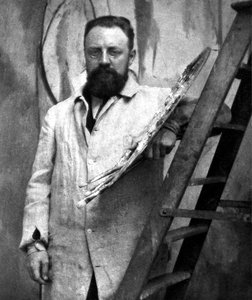
हेनरी मातिस
1869 - 1954 , फ्रांस
मुख्य तथ्य
- Artistic Movement Or Style: फौविज़्म, आधुनिक कला
- Artists Or Movements Influenced By This Artist:
- आधुनिकतावाद
- अभिव्यक्तिवाद
- Artists Who Influenced This Artist:
- विनसेंट वैन गॉग
- चार्डेन
- जॉन रसेल
- Date Of Birth: 31 दिसंबर 1869
- Date Of Death: 3 नवंबर 1954
- Full Name: हेनरी एमील बेनोइट मैटिस
- Nationality: फ्रांसीसी
- Notable Artworks:
- द गर्ड्स
- लॉरेट्टे इन अ व्हाइट टर्बन
- Place Of Birth: ले काटो-कैम्ब्रेसीस, फ्रांस
संबंधित लेख
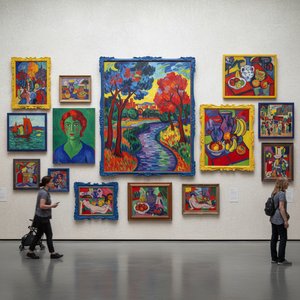
फ़ॉविज़्म के शीर्ष 10 उत्कृष्ट कृतियाँ: कला और घर में रंग का विस्फोट | OriginalUniqueArt
फ़ॉविज़्म के 10 उत्कृष्ट कृतियाँ जानें! हेनरी मातीस और आंद्रे डेरैन जैसे कलाकारों की रंगीन दुनिया में डूबें। कला इतिहास, आधुनिक कला और घर की सजावट के लिए प्रेरणा पाएं। OriginalUniqueArt.com पर सभी उत्कृष्ट कृतियाँ देखें!
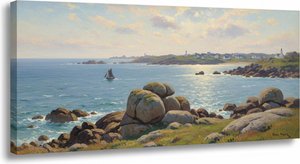
Henri Moret: Capturing the Essence of Brittany's Light – A Study in Post-Impressionist Landscape Painting
Explore the captivating landscapes of Henri Moret, a master of Post-Impressionism. Discover his unique style, key works, and legacy in our expert guide. Learn about collecting Moret's art & its investment potential.
Chromatic Resonance: Exploring the Emotional Impact of Vibrant Color Palettes in Painting
Explore the fascinating relationship between color & emotion in art history. Discover how master artists like Matisse & Gauguin used vibrant hues to evoke feelings and cultural meanings. A deep dive for classic art enthusiasts.
Chromatic Narratives: Exploring Emotional Resonance & Artistic Impact Through Color Palette Selection
Explore the profound impact of color on emotion & artistic expression. Discover how master artists like Klee & Matisse used palettes to evoke feeling and build lasting legacies. A guide for discerning art collectors.
André Derain: Fauvism's Bold Visionary & the Evolution of Modern Color
Explore the revolutionary art of André Derain, co-founder of Fauvism. Discover his bold use of color, evolution from radical expressionism to classicism, and lasting influence on modern art history. Learn more at OriginalUniqueArt.