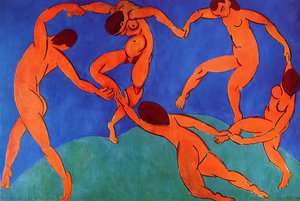
पूर्वावलोकन देखें
 साझा करें
 साझा करें
 विस्तृत विवरण
 मार्गदर्शिका

 डाउनलोड करें
 समान वस्तुएं
 एक्स-रे
 स्लाइड शो देखें
 प्रश्न और उत्तर
 आंकड़े
Still Life


 पूरा देखें
गिक्ली / आर्ट प्रिंट
तेज़ उत्पादन और विभिन्न फिनिश विकल्पों के साथ म्यूजियम-क्वालिटी गिकली (giclée) या कैनवस प्रिंट। ( इस संग्रहणीय वस्तु की हाथ से बनी प्रतिकृति मंगवाएं डिजिटल इमेज पर स्विच करें)




P118B ₹10

P118H ₹10

P118W ₹10

P438Z ₹10

P508JH ₹12

P508YH ₹12

P805H ₹10

P805Z ₹10

P919BZ ₹10

P919G ₹10

P919XJ ₹10

P959ZH ₹10

P968JZ ₹12

W106C ₹8

W218G ₹10

W218JH ₹8

W218Y ₹10

W307PJ ₹10

W316G ₹10

W316PJ ₹8

W316Y ₹10

W398PJ ₹8

W4111J ₹10

W500HY ₹15

W500JH ₹15

W692G ₹12

W849H ₹8

W940BG ₹15

W953PJ ₹8




कलाकृति के मूल अनुपात से मेल खाने वाले हमारे पूर्व निर्धारित आकारों में से चुनें।

अपने फ्रेम या अपनी दीवार के अनुसार आवश्यक चौड़ाई और ऊंचाई दर्ज करें। प्रिंट को केवल काटा जा सकता है, चित्र से बड़ा कभी नहीं बनाया जा सकता, इसलिए अलग आकार का साइज चित्र का एक हिस्सा खो देता है। किसी भी चीज़ को प्रिंट करने से पहले हम आपकी स्वीकृति के लिए आपको एक डिजिटल मॉकअप भेजते हैं। इस पृष्ठ पर दिखाया गया चित्र वास्तविक कटिंग नहीं दिखाता है — केवल मॉकअप ही इसे दर्शाता है।
विश्वव्यापी डिलीवरी (), मानक 4/5 सप्ताह के बजाय मात्र 2 सप्ताह में। (4 नवमबर)

दुनिया भर में मुफ़्त एक्सप्रेस शिपिंग

उच्च गुणवत्ता वाला लिनेन कैनवास

पूर्ण शिपिंग बीमा

सीमा शुल्क और आयात कर वापसी की गारंटी

सटीक रंग मिलान की गारंटी

100 दिनों की वापसी नीति (केवल दोष होने पर)

100% पैसे वापसी की गारंटी

थोक छूट का अवसर
 ग्लास का विकल्प केवल 110 सेमी से कम आकार में ही उपलब्ध है।

Still Life
गिक्ली / आर्ट प्रिंट
प्रतिकृति का आकार
-


कुल देय राशि
₹ 7806
A Symphony in Color: Henri Matisse’s Still Life
Henri Matisse's "Still Life," painted circa 1905 – a pivotal work often referenced alongside his “Blue Period” and leading into the vibrant explosion of Fauvism – is more than just a depiction of fruit, flowers, and a simple vase; it’s an embodiment of Matisse’s revolutionary approach to color and form. This painting, currently housed at the National Gallery of Art in Washington D.C., offers a glimpse into a transformative period for the artist, marking a deliberate shift away from academic realism towards a deeply personal and expressive language of art. The scene itself is deceptively simple: a vase overflowing with blossoms sits upon a table, accompanied by a scattering of apples and a bowl – objects imbued with an almost palpable sense of joy and vitality.
The Dawn of Fauvism: A Bold New Palette
Matisse’s “Still Life” stands as a cornerstone in the development of Fauvism, a movement characterized by its unrestrained use of color. Prior to this period, artists typically employed muted tones and naturalistic palettes. Matisse, however, rejected these conventions entirely, embracing pure, unmixed colors – crimson reds, sapphire blues, lemon yellows – applied with an almost violent intensity. This wasn’t merely about visual appeal; it was a conscious decision to liberate color from its descriptive function and use it purely for its expressive power. The painting's dominant hues are not meant to mimic reality but rather to evoke feeling, creating a world saturated with emotion and immediacy. The influence of Paul Gauguin, particularly his bold use of color in Tahiti, is clearly evident, yet Matisse forged his own distinct path.
Brushstrokes as Poetry: Technique and Composition
Beyond the audacious colors, the painting’s power lies in its dynamic brushwork. Matisse employed short, broken strokes – a technique reminiscent of Impressionism but imbued with a greater sense of urgency and spontaneity. These visible marks of the artist's hand are not concealed; they become an integral part of the artwork’s visual language. The composition itself is carefully constructed to draw the eye across the surface, guiding it through the arrangement of objects. Notice how the vase, positioned slightly off-center, acts as a focal point, while the scattered apples and flowers create a sense of movement and rhythm. The use of overlapping planes and simplified forms contributes to the painting’s overall feeling of depth and immediacy – a characteristic that would become increasingly pronounced in Matisse's later work.
Symbolism and Emotional Resonance
While seemingly straightforward, “Still Life” is rich with symbolic potential. The vibrant colors themselves can be interpreted as expressions of joy, vitality, and the beauty of the natural world. The abundance of fruit – apples in particular – often symbolizes prosperity, fertility, and earthly delights. Flowers, universally associated with life, growth, and sensuality, further amplify this sense of optimism. However, it’s important to note that Matisse deliberately avoided overt symbolism, preferring to allow viewers to derive their own interpretations from the painting's purely visual qualities. The overall effect is one of profound serenity and a celebration of the simple pleasures of life – a sentiment deeply rooted in Matisse’s personal philosophy.
A reproduction of this iconic work offers an exceptional opportunity to bring the intensity and emotional resonance of Matisse’s Fauvist period into any space. OriginalUniqueArt's hand-painted reproductions capture not only the vibrant colors but also the energy and spontaneity of the original, allowing you to experience the transformative power of Matisse’s artistic vision firsthand.
प्रश्न और उत्तर
क्या "Still Life" उस प्रकार की कला का उदाहरण है जो हेनरी मातिस आमतौर पर बनाते थे?
"Still Life" में still life, flowers, apples, bowl, color, composition, matisse का चित्रण है, जबकि हेनरी मातिस के मुख्य विषय neo-impressionist color blocks, post-impressionist simplification forms, exploration vibrant hues, joyful, decorative arrangements, early fauvist experimentation रहे हैं। इन दोनों की तुलना करने से यह स्पष्ट होता है कि यह कृति कलाकार के चिरपरिचित विषयों से किस प्रकार जुड़ी हुई है।
क्या "Still Life" कॉपीराइट मुक्त है?
हेनरी मातिस द्वारा "Still Life", सार्वजनिक डोमेन में - इसका कॉपीराइट समाप्त हो चुका है है। यह स्थिति इस बात को नियंत्रित करती है कि कलाकृति की छवि का पुनरुत्पादन कैसे किया जा सकता है।
हेनरी मातिस द्वारा निर्मित "Still Life" कितनी प्रसिद्ध है?
"Still Life" को Iconic की श्रेणी में रखा गया है।
कलाकार की जीवनी
हेनरी मैटिस: रंग और रूप के जादूगर
हेनरी मैटिस, जिनका जन्म 31 दिसंबर 1869 को ले काटो-कैम्ब्रेसीस, फ्रांस में हुआ था, आधुनिक कला के इतिहास में एक अद्वितीय स्थान रखते हैं। उन्होंने अपने जीवनकाल में रंगों और आकारों के साथ जो प्रयोग किए, उन्होंने कला की दुनिया को हमेशा के लिए बदल दिया। मैटिस ने कानून की पढ़ाई शुरू की थी, लेकिन एक बीमारी के दौरान उन्हें चित्रकला का शौक लगा और फिर उन्होंने पीछे मुड़कर नहीं देखा। उनका शुरुआती जीवन बोहाइन-एन-वर्मंडोइस में बीता, जहाँ उनके माता-पिता अनाज व्यापारी थे। उनकी कला यात्रा पारंपरिक शिक्षा से शुरू हुई, लेकिन जल्द ही उन्होंने अपनी अनूठी शैली विकसित कर ली जो उन्हें अन्य कलाकारों से अलग करती थी।फाविज़्म का उदय और रंग का विस्फोट
1905 में मैटिस के जीवन में एक महत्वपूर्ण मोड़ आया जब उन्होंने बेले आइल की यात्रा की और जॉन रसेल जैसे कलाकारों से मुलाकात की। इस मुलाकात ने उन्हें प्रभाववाद और विशेष रूप से विन्सेंट वैन गॉग के भावपूर्ण चित्रों से परिचित कराया। वैन गॉग के रंगों का प्रयोग मैटिस के मन पर गहरा प्रभाव पड़ा, जिससे वे अपने पहले के संयमित रंग पैलेट को त्यागकर अधिक साहसी और व्यक्तिपरक दृष्टिकोण अपनाने लगे। इसी खोज ने फाविज़्म नामक कला आंदोलन को जन्म दिया, जिसमें मैटिस एक प्रमुख व्यक्ति बन गए। "फाव" शब्द का अर्थ है "जंगली जानवर," जो उनके चित्रों में रंगों की तीव्र और अपरंपरागत प्रकृति को दर्शाता है। इस दौर में उन्होंने द gourds जैसे उत्कृष्ट कृतियों के माध्यम से रंगों का विस्फोट किया, जहाँ उन्होंने पारंपरिक परिप्रेक्ष्य और यथार्थवादी चित्रण को त्यागकर भावनाओं को व्यक्त करने पर ध्यान केंद्रित किया। उनकी शैली की मुख्य विशेषताओं में गहन रूप से संतृप्त रंग पैलेट, सरलीकृत आकार, अभिव्यंजक ब्रशस्ट्रोक और पारंपरिक प्रतिनिधित्व को अस्वीकार करना शामिल था।सजावटी सामंजस्य की ओर विकास
फाविज़्म के शुरुआती उत्साह के बाद, मैटिस की शैली में एक सूक्ष्म लेकिन महत्वपूर्ण बदलाव आया। उन्होंने रंगों के प्रति अपने प्रेम को त्यागना नहीं चाहा, बल्कि उनके काम में अधिक परिष्कार और सजावटी सौंदर्यशास्त्र का समावेश किया। उन्होंने शांत वातावरण में अवकाश, घरेलू जीवन और मानव आकृति जैसे विषयों का पता लगाया, जिससे ऐसी रचनाएँ बनीं जो सामंजस्यपूर्ण और भावनात्मक रूप से गूंजती थीं। 1917 में नीस में फ्रांसीसी रिवेरा में स्थानांतरित होने से इस बदलाव को और बढ़ावा मिला, जिससे उनके काम में शांति और शास्त्रीय संतुलन की भावना आ गई। मैटिस ने विभिन्न माध्यमों, जैसे कि सिरेमिक्स और टेक्सटाइल के साथ प्रयोग करके अपनी कलात्मक दृष्टि का विस्तार किया, एक ऐसा वातावरण बनाया जो दर्शकों को सौंदर्य और शांति के अनुभव में डुबो देता था।सीमितता से नवाचार: कट-आउट तकनीक
जैसे-जैसे बढ़ती उम्र के कारण मैटिस की शारीरिक क्षमताएँ कम होने लगीं, उन्होंने अपने कलात्मक जीवन के एक नए अध्याय की शुरुआत की - कागज के कट-आउट (découpages) का निर्माण। 1947 के आसपास शुरू हुई यह तकनीक आवश्यकता से प्रेरित थी। व्हीलचेयर पर रहने के बाद, वे पारंपरिक रूप से पेंट करने में असमर्थ थे, लेकिन कागज को कैंची से काटकर कलात्मक अभिव्यक्ति जारी रख सकते थे। इस व्यावहारिक समाधान ने एक अभूतपूर्व कलात्मक तकनीक का जन्म दिया। उन्होंने चमकीले रंगों में बड़े कागज़ की शीटें रंगा करती थीं और फिर उन्हें आकारों में काटती थीं - जैविक रूप, पत्तियाँ, आकृतियाँ - और उन्हें कैनवास पर व्यवस्थित करती थीं, जिससे गतिशील और दिखने में सरल रचनाएँ बनती थीं। ये कट-आउट पेंटिंग के लिए सिर्फ़ विकल्प नहीं थे; वे रंग, आकार और संरचना के बारे में सोचने का एक नया तरीका थे। उन्होंने अपनी कलात्मक दृष्टि को शारीरिक सीमाओं के सामने भी विकसित करने की क्षमता का प्रदर्शन किया।- कट-आउट तकनीक ने उन्हें ऐसे रूपों और रंगों की शुद्धता प्राप्त करने की अनुमति दी जो पेंट से हासिल करना मुश्किल था।
- इन कार्यों में अक्सर उनके चित्रों के पहले के विषयों और रूपांकनों को संदर्भित किया जाता था, लेकिन एक नए और नवीन तरीके से प्रस्तुत किया गया था।
- उन्होंने अपने पूरे करियर में कलाकार के रूप में अनुकूलन और विकास करने की अपनी क्षमता का प्रदर्शन किया।
आधुनिक कला पर स्थायी प्रभाव
3 नवंबर 1954 को नीस में हेनरी मैटिस का निधन हो गया, लेकिन उन्होंने एक ऐसी विरासत छोड़ दी जो दुनिया भर के दर्शकों को प्रेरित करती और मोहित करती रहती है। उनकी कलात्मक दुनिया पर प्रभाव निर्विवाद है; उन्होंने प्रतिनिधित्व की पारंपरिक धारणाओं को चुनौती दी, रंग की अभिव्यंजक शक्ति का समर्थन किया और भविष्य की पीढ़ियों के कलाकारों के लिए मार्ग प्रशस्त किया। पाब्लो पिकासो के साथ मिलकर आधुनिक कला के सबसे प्रभावशाली शख्सियतों में से एक माने जाने वाले मैटिस ने आधुनिकता को मौलिक रूप से आकार दिया है। उनकी विरासत उनके कलाकृतियों तक ही सीमित नहीं है - यह आनंद, सौंदर्य और रंग की परिवर्तनकारी क्षमता का जश्न मनाने वाली दर्शनशास्त्र को समाहित करती है। मैटिस केवल वही चित्रित नहीं कर रहे थे जो वे देखते थे; वे दर्शकों के लिए एक भावनात्मक अनुभव बना रहे थे, उन्हें अपने रंगों से भरे दुनिया के दृष्टिकोण को साझा करने के लिए आमंत्रित कर रहे थे।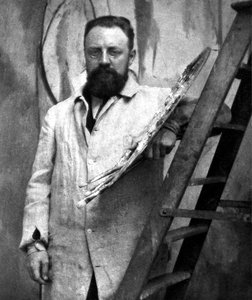
हेनरी मातिस
1869 - 1954 , फ्रांस
प्रमुख तथ्य
- Artistic Movement Or Style: फौविज़्म, आधुनिक कला
- Artists Or Movements Influenced By This Artist:
- आधुनिकतावाद
- अभिव्यक्तिवाद
- Artists Who Influenced This Artist:
- विनसेंट वैन गॉग
- चार्डेन
- जॉन रसेल
- Date Of Birth: 31 दिसंबर 1869
- Date Of Death: 3 नवंबर 1954
- Full Name: हेनरी एमील बेनोइट मैटिस
- Nationality: फ्रांसीसी
- Notable Artworks:
- द गर्ड्स
- लॉरेट्टे इन अ व्हाइट टर्बन
- Place Of Birth: ले काटो-कैम्ब्रेसीस, फ्रांस
संबंधित लेख

The Bountiful Still Life: Symbolism & Artistic Representation of Fruit Across Art History
Explore the rich history of still life painting & the symbolism of fruit across art movements. Discover masterpieces from Caravaggio to Cézanne with OriginalUniqueArt – expert guidance & museum-quality reproductions.
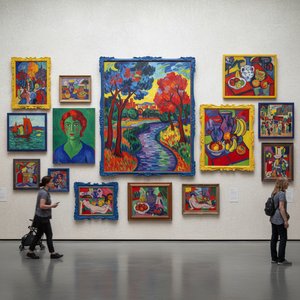
फ़ॉविज़्म के शीर्ष 10 उत्कृष्ट कृतियाँ: कला और घर में रंग का विस्फोट | OriginalUniqueArt
फ़ॉविज़्म के 10 उत्कृष्ट कृतियाँ जानें! हेनरी मातीस और आंद्रे डेरैन जैसे कलाकारों की रंगीन दुनिया में डूबें। कला इतिहास, आधुनिक कला और घर की सजावट के लिए प्रेरणा पाएं। OriginalUniqueArt.com पर सभी उत्कृष्ट कृतियाँ देखें!

Fauvism Unveiled: The Wild Revolution of Color and Emotion in Modern Art
Explore the vibrant revolution of Fauvism. Discover how masters like Henri Matisse liberated color from reality to express pure emotion. An expert guide into the 'Wild Beasts' of modern art history for collectors and enthusiasts.

हेनरी मैटिस की शीर्ष 25 उत्कृष्ट कृतियाँ: कला और सजावट का अद्भुत संग्रह | OriginalUniqueArt
हेनरी मैटिस की शीर्ष 25 उत्कृष्ट कृतियों का अन्वेषण करें! फ़ौविज़्म, आधुनिक कला और रंगीन चित्रों के माध्यम से उनकी जीवन यात्रा जानें। OriginalUniqueArt.com पर उच्च गुणवत्ता वाले आर्ट प्रिंट और दीवार सजावट खरीदें।
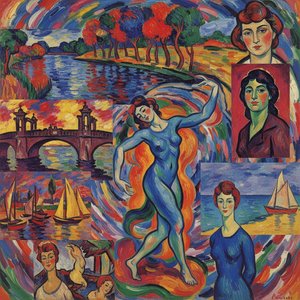
Fauvism's Boldest Visions: 10 Masterpieces That Revolutionized Modern Art | OriginalUniqueArt
Explore 10 Fauvist masterpieces by Matisse, Derain & Vlaminck that ignited Modern Art! Discover bold colors, expressionist landscapes & the history of this revolutionary movement. Find museum-quality prints at OriginalUniqueArt.com.