 पूर्वावलोकन देखें
 साझा करें
 साझा करें
 विस्तृत विवरण

 डाउनलोड करें
 समान कलाकृतियाँ
 एक्स-रे
 स्लाइड शो देखें
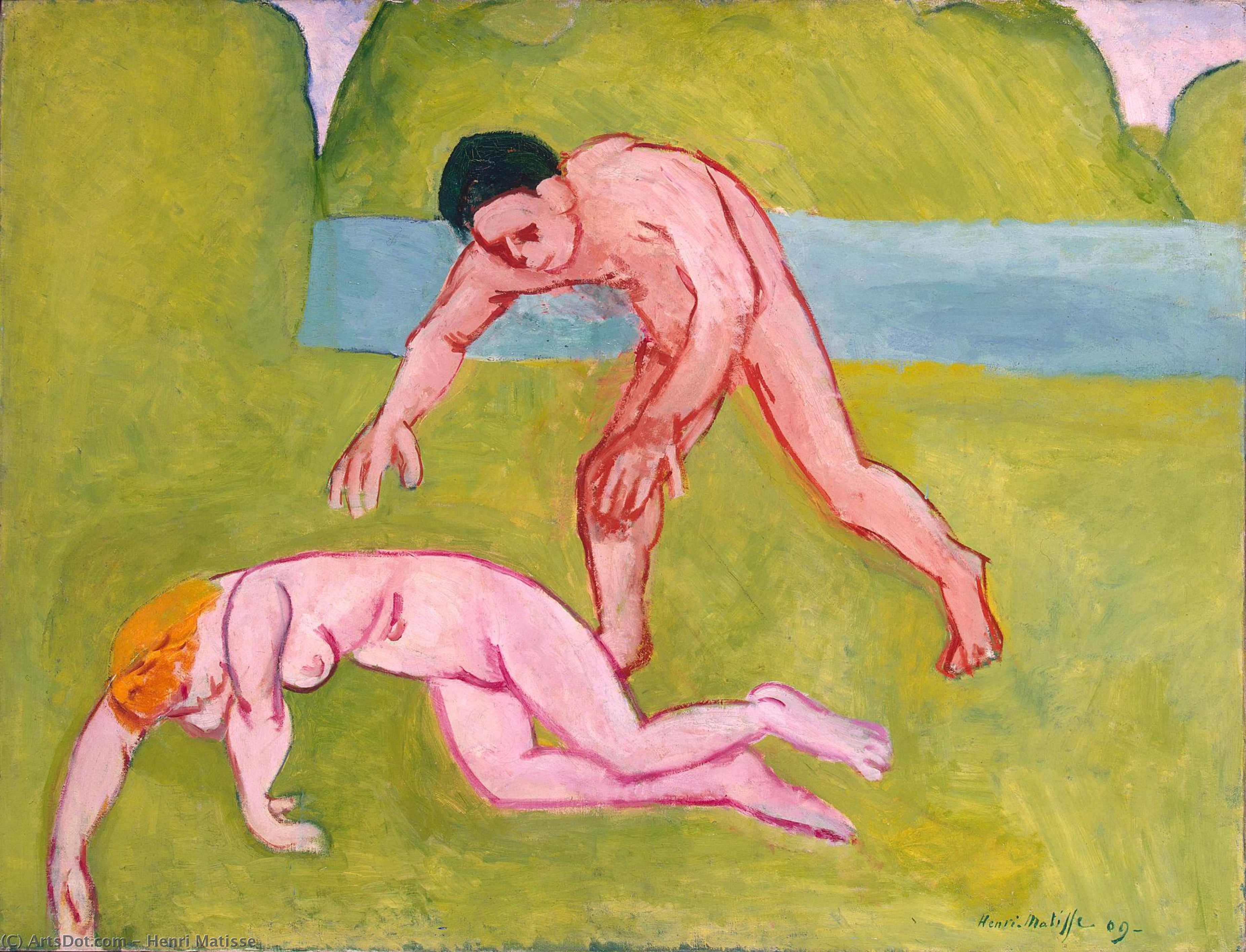
Nymph and Satyr
 कैनवस पर एक्रिलिक पेंट
- वॉल आर्ट
- Fauvism
 1909
1909 89.0 x 117.0 cm
 पूरा देखें
गिक्ली / आर्ट प्रिंट
तेज़ उत्पादन और विभिन्न फिनिश विकल्पों के साथ म्यूजियम-क्वालिटी गिकली (giclée) या कैनवस प्रिंट। ( हाथ से बनी पेंटिंग खरीदें छवि खरीदें)




P118B $10

P118H $10

P118W $10

P438Z $10

P508JH $12

P508YH $12

P805H $10

P805Z $10

P919BZ $10

P919G $10

P919XJ $10

P959ZH $10

P968JZ $12

W106C $8

W218G $10

W218JH $8

W218Y $10

W307PJ $10

W316G $10

W316PJ $8

W316Y $10

W398PJ $8

W4111J $10

W500HY $15

W500JH $15

W692G $12

W849H $8

W940BG $15

W953PJ $8




कलाकृति के मूल अनुपात से मेल खाने वाले हमारे पूर्व निर्धारित आकारों में से चुनें।

आप किसी विशिष्ट फ्रेम या स्थान के अनुसार अपने स्वयं के आयाम (dimensions) दर्ज कर सकते हैं। यदि आपके द्वारा चुना गया आकार मूल छवि के अनुपात से मेल नहीं खाता है, तो हम कलाकृति को क्रॉप कर देंगे या मिरर किए गए या सॉलिड-फिल किनारे के साथ छवि का विस्तार करेंगे। उत्पादन शुरू होने से पहले आपकी स्वीकृति के लिए एक डिजिटल मॉकअप भेजा जाएगा।
कृपया ध्यान दें कि स्क्रीन पर दिखने वाला प्रीव्यू वास्तविक क्रॉपिंग या विस्तार को नहीं दर्शाता है। केवल मॉकअप ही अंतिम संरचना को सटीक रूप से दिखाएगा।
हालाँकि कस्टम आकार उपलब्ध हैं, फिर भी हम मूल अनुपात बनाए रखने के लिए पूर्व-निर्धारित सूची में से एक आयाम चुनने की सलाह देते हैं।
विश्वव्यापी डिलीवरी (), मानक 4/5 सप्ताह के बजाय मात्र 2 सप्ताह में। (14 अगस्त)

दुनिया भर में मुफ़्त एक्सप्रेस शिपिंग

उच्च गुणवत्ता वाला लिनेन कैनवास

पूर्ण शिपिंग बीमा

सीमा शुल्क और आयात कर वापसी की गारंटी

सटीक रंग मिलान की गारंटी

60-दिन की वापसी नीति (केवल दोषों के लिए)

100% पैसे वापसी की गारंटी

थोक छूट का लाभ
 ग्लास का विकल्प केवल 110 सेमी से कम आकार में ही उपलब्ध है।

Nymph and Satyr
गिक्ली / आर्ट प्रिंट
प्रतिकृति का आकार
-


कुल देय राशि
$ 80
संग्रहणीय वस्तु का विवरण
A Dance of Wildness: Exploring Matisse’s ‘Nymph and Satyr’
Henri Matisse's 1909 painting, *Nymph and Satyr*, is a captivating embodiment of the Fauvist movement – a brief but intensely influential period in modern art. More than just a depiction of mythological figures, this work pulsates with raw energy, vibrant color, and a primal connection to nature. It’s a piece that invites contemplation on themes of desire, vulnerability, and the untamed spirit within us all.Fauvism: A Revolution in Color
Matisse was at the forefront of Fauvism (“wild beasts”), an artistic rebellion against the representational constraints of Impressionism. Rejecting a faithful imitation of reality, Fauvist painters prioritized intense, non-naturalistic color and bold brushstrokes to express emotion. *Nymph and Satyr* exemplifies this approach; the figures aren’t rendered with anatomical precision but are instead defined by sweeping lines and areas of saturated hue. This isn't about *seeing* a nymph and satyr as they truly appear, but *feeling* their presence and the energy of the encounter.Composition & Narrative
The scene unfolds with a dynamic tension. A reclining nymph, her body softly curved, forms the focal point. Above her stands a satyr – a creature of myth embodying wildness and instinct – his outstretched hands suggesting both protection and perhaps, possessive desire. A glimpse of water and a small boat in the background hint at a secluded, natural setting. The composition isn’t conventionally balanced; it feels deliberately off-kilter, mirroring the unsettling energy of the subject matter.Technique & Texture
Matisse's technique is crucial to the painting’s impact. He employs visible brushstrokes and a thick impasto – applying paint so thickly that it stands out from the canvas – creating a tactile surface. This isn’t a smooth, polished finish; instead, the texture adds to the sense of immediacy and raw emotion. The colors aren't blended seamlessly but are juxtaposed boldly, intensifying their vibrancy. The use of flattened perspective further emphasizes the two-dimensional quality of the work, drawing attention to the expressive power of color and line.Symbolism & Interpretation
The pairing of nymph and satyr is rich in mythological symbolism. The nymph represents purity, grace, and a connection to nature’s delicate beauty. The satyr embodies primal instincts, untamed desire, and the wildness inherent in the natural world. Their interaction can be interpreted in multiple ways: as a predatory encounter, a protective gesture, or even a symbolic representation of the duality within human nature – the tension between reason and instinct. It’s important to note that Matisse wasn't necessarily aiming for a single definitive interpretation; he sought to evoke emotion rather than tell a specific story.Historical Context & Legacy
Created in 1909, *Nymph and Satyr* reflects the broader artistic ferment of the early 20th century. Artists were questioning traditional conventions and exploring new ways to represent reality. While influenced by Post-Impressionism and primitive art, Matisse forged his own unique path, paving the way for future generations of abstract artists. The painting resides in the prestigious Musée National d'Art Moderne in Paris, a testament to its enduring significance.Emotional Impact & Interior Design
*Nymph and Satyr* is not merely a visually striking artwork; it’s an emotionally resonant one. The bold colors and dynamic composition evoke feelings of passion, vulnerability, and perhaps even unease. In an interior design context, this painting would serve as a powerful focal point – a conversation starter that adds depth and sophistication to any space. Its vibrant palette complements modern interiors with neutral tones or provides a striking contrast in more traditional settings.- Ideal for living rooms, dining areas, or bedrooms seeking a touch of artistic drama.
- Pairs well with natural materials like wood and stone to enhance the connection to nature.
- Its bold colors can be echoed in accent pieces – cushions, throws, or artwork – to create a cohesive design scheme.
कलाकार का जीवन परिचय
हेनरी मैटिस: रंग और रूप के जादूगर
हेनरी मैटिस, जिनका जन्म 31 दिसंबर 1869 को ले काटो-कैम्ब्रेसीस, फ्रांस में हुआ था, आधुनिक कला के इतिहास में एक अद्वितीय स्थान रखते हैं। उन्होंने अपने जीवनकाल में रंगों और आकारों के साथ जो प्रयोग किए, उन्होंने कला की दुनिया को हमेशा के लिए बदल दिया। मैटिस ने कानून की पढ़ाई शुरू की थी, लेकिन एक बीमारी के दौरान उन्हें चित्रकला का शौक लगा और फिर उन्होंने पीछे मुड़कर नहीं देखा। उनका शुरुआती जीवन बोहाइन-एन-वर्मंडोइस में बीता, जहाँ उनके माता-पिता अनाज व्यापारी थे। उनकी कला यात्रा पारंपरिक शिक्षा से शुरू हुई, लेकिन जल्द ही उन्होंने अपनी अनूठी शैली विकसित कर ली जो उन्हें अन्य कलाकारों से अलग करती थी।फाविज़्म का उदय और रंग का विस्फोट
1905 में मैटिस के जीवन में एक महत्वपूर्ण मोड़ आया जब उन्होंने बेले आइल की यात्रा की और जॉन रसेल जैसे कलाकारों से मुलाकात की। इस मुलाकात ने उन्हें प्रभाववाद और विशेष रूप से विन्सेंट वैन गॉग के भावपूर्ण चित्रों से परिचित कराया। वैन गॉग के रंगों का प्रयोग मैटिस के मन पर गहरा प्रभाव पड़ा, जिससे वे अपने पहले के संयमित रंग पैलेट को त्यागकर अधिक साहसी और व्यक्तिपरक दृष्टिकोण अपनाने लगे। इसी खोज ने फाविज़्म नामक कला आंदोलन को जन्म दिया, जिसमें मैटिस एक प्रमुख व्यक्ति बन गए। "फाव" शब्द का अर्थ है "जंगली जानवर," जो उनके चित्रों में रंगों की तीव्र और अपरंपरागत प्रकृति को दर्शाता है। इस दौर में उन्होंने द gourds जैसे उत्कृष्ट कृतियों के माध्यम से रंगों का विस्फोट किया, जहाँ उन्होंने पारंपरिक परिप्रेक्ष्य और यथार्थवादी चित्रण को त्यागकर भावनाओं को व्यक्त करने पर ध्यान केंद्रित किया। उनकी शैली की मुख्य विशेषताओं में गहन रूप से संतृप्त रंग पैलेट, सरलीकृत आकार, अभिव्यंजक ब्रशस्ट्रोक और पारंपरिक प्रतिनिधित्व को अस्वीकार करना शामिल था।सजावटी सामंजस्य की ओर विकास
फाविज़्म के शुरुआती उत्साह के बाद, मैटिस की शैली में एक सूक्ष्म लेकिन महत्वपूर्ण बदलाव आया। उन्होंने रंगों के प्रति अपने प्रेम को त्यागना नहीं चाहा, बल्कि उनके काम में अधिक परिष्कार और सजावटी सौंदर्यशास्त्र का समावेश किया। उन्होंने शांत वातावरण में अवकाश, घरेलू जीवन और मानव आकृति जैसे विषयों का पता लगाया, जिससे ऐसी रचनाएँ बनीं जो सामंजस्यपूर्ण और भावनात्मक रूप से गूंजती थीं। 1917 में नीस में फ्रांसीसी रिवेरा में स्थानांतरित होने से इस बदलाव को और बढ़ावा मिला, जिससे उनके काम में शांति और शास्त्रीय संतुलन की भावना आ गई। मैटिस ने विभिन्न माध्यमों, जैसे कि सिरेमिक्स और टेक्सटाइल के साथ प्रयोग करके अपनी कलात्मक दृष्टि का विस्तार किया, एक ऐसा वातावरण बनाया जो दर्शकों को सौंदर्य और शांति के अनुभव में डुबो देता था।सीमितता से नवाचार: कट-आउट तकनीक
जैसे-जैसे बढ़ती उम्र के कारण मैटिस की शारीरिक क्षमताएँ कम होने लगीं, उन्होंने अपने कलात्मक जीवन के एक नए अध्याय की शुरुआत की - कागज के कट-आउट (découpages) का निर्माण। 1947 के आसपास शुरू हुई यह तकनीक आवश्यकता से प्रेरित थी। व्हीलचेयर पर रहने के बाद, वे पारंपरिक रूप से पेंट करने में असमर्थ थे, लेकिन कागज को कैंची से काटकर कलात्मक अभिव्यक्ति जारी रख सकते थे। इस व्यावहारिक समाधान ने एक अभूतपूर्व कलात्मक तकनीक का जन्म दिया। उन्होंने चमकीले रंगों में बड़े कागज़ की शीटें रंगा करती थीं और फिर उन्हें आकारों में काटती थीं - जैविक रूप, पत्तियाँ, आकृतियाँ - और उन्हें कैनवास पर व्यवस्थित करती थीं, जिससे गतिशील और दिखने में सरल रचनाएँ बनती थीं। ये कट-आउट पेंटिंग के लिए सिर्फ़ विकल्प नहीं थे; वे रंग, आकार और संरचना के बारे में सोचने का एक नया तरीका थे। उन्होंने अपनी कलात्मक दृष्टि को शारीरिक सीमाओं के सामने भी विकसित करने की क्षमता का प्रदर्शन किया।- कट-आउट तकनीक ने उन्हें ऐसे रूपों और रंगों की शुद्धता प्राप्त करने की अनुमति दी जो पेंट से हासिल करना मुश्किल था।
- इन कार्यों में अक्सर उनके चित्रों के पहले के विषयों और रूपांकनों को संदर्भित किया जाता था, लेकिन एक नए और नवीन तरीके से प्रस्तुत किया गया था।
- उन्होंने अपने पूरे करियर में कलाकार के रूप में अनुकूलन और विकास करने की अपनी क्षमता का प्रदर्शन किया।
आधुनिक कला पर स्थायी प्रभाव
3 नवंबर 1954 को नीस में हेनरी मैटिस का निधन हो गया, लेकिन उन्होंने एक ऐसी विरासत छोड़ दी जो दुनिया भर के दर्शकों को प्रेरित करती और मोहित करती रहती है। उनकी कलात्मक दुनिया पर प्रभाव निर्विवाद है; उन्होंने प्रतिनिधित्व की पारंपरिक धारणाओं को चुनौती दी, रंग की अभिव्यंजक शक्ति का समर्थन किया और भविष्य की पीढ़ियों के कलाकारों के लिए मार्ग प्रशस्त किया। पाब्लो पिकासो के साथ मिलकर आधुनिक कला के सबसे प्रभावशाली शख्सियतों में से एक माने जाने वाले मैटिस ने आधुनिकता को मौलिक रूप से आकार दिया है। उनकी विरासत उनके कलाकृतियों तक ही सीमित नहीं है - यह आनंद, सौंदर्य और रंग की परिवर्तनकारी क्षमता का जश्न मनाने वाली दर्शनशास्त्र को समाहित करती है। मैटिस केवल वही चित्रित नहीं कर रहे थे जो वे देखते थे; वे दर्शकों के लिए एक भावनात्मक अनुभव बना रहे थे, उन्हें अपने रंगों से भरे दुनिया के दृष्टिकोण को साझा करने के लिए आमंत्रित कर रहे थे।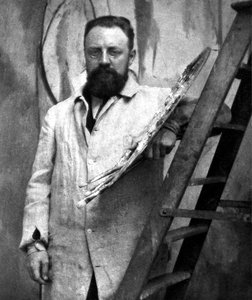
हेनरी मातिस
1869 - 1954 , फ्रांस
मुख्य तथ्य
- Artistic Movement Or Style: फौविज़्म, आधुनिक कला
- Artists Or Movements Influenced By This Artist:
- आधुनिकतावाद
- अभिव्यक्तिवाद
- Artists Who Influenced This Artist:
- विनसेंट वैन गॉग
- चार्डेन
- जॉन रसेल
- Date Of Birth: 31 दिसंबर 1869
- Date Of Death: 3 नवंबर 1954
- Full Name: हेनरी एमील बेनोइट मैटिस
- Nationality: फ्रांसीसी
- Notable Artworks:
- द गर्ड्स
- लॉरेट्टे इन अ व्हाइट टर्बन
- Place Of Birth: ले काटो-कैम्ब्रेसीस, फ्रांस
संबंधित लेख
हेनरी मैटिस की शीर्ष 25 उत्कृष्ट कृतियाँ: कला और सजावट का अद्भुत संग्रह | OriginalUniqueArt
हेनरी मैटिस की शीर्ष 25 उत्कृष्ट कृतियों का अन्वेषण करें! फ़ौविज़्म, आधुनिक कला और रंगीन चित्रों के माध्यम से उनकी जीवन यात्रा जानें। OriginalUniqueArt.com पर उच्च गुणवत्ता वाले आर्ट प्रिंट और दीवार सजावट खरीदें।
Fauvism's Boldest Visions: 10 Masterpieces That Revolutionized Modern Art | OriginalUniqueArt
Explore 10 Fauvist masterpieces by Matisse, Derain & Vlaminck that ignited Modern Art! Discover bold colors, expressionist landscapes & the history of this revolutionary movement. Find museum-quality prints at OriginalUniqueArt.com.
फ़ॉविज़्म के शीर्ष 10 उत्कृष्ट कृतियाँ: कला और घर में रंग का विस्फोट | OriginalUniqueArt
फ़ॉविज़्म के 10 उत्कृष्ट कृतियाँ जानें! हेनरी मातीस और आंद्रे डेरैन जैसे कलाकारों की रंगीन दुनिया में डूबें। कला इतिहास, आधुनिक कला और घर की सजावट के लिए प्रेरणा पाएं। OriginalUniqueArt.com पर सभी उत्कृष्ट कृतियाँ देखें!

Bold Strokes & Powerful Visions: 10 Artworks That Command Attention | OriginalUniqueArt
Experience art's raw power! Explore 10 iconic paintings – Van Gogh, Kahlo & more – that define 'bold'. Discover the stories behind these expressive masterpieces and find museum-quality reproductions for your home at OriginalUniqueArt.com.
Henri Matisse: A Revolutionary Use of Color and Form in Modern Art
Explore the revolutionary art of Henri Matisse! Discover his bold use of color, Fauvist origins, and lasting impact on modern painting. A comprehensive guide for art enthusiasts.