

 पूर्वावलोकन देखें
 साझा करें
 साझा करें
 विस्तृत विवरण

 डाउनलोड करें
 समान कलाकृतियाँ
 एक्स-रे
 स्लाइड शो देखें
not identified (8)

 पूरा देखें
ऑनलाइन पूर्वावलोकन से कहीं अधिक बेहतर, उच्च-रिज़ॉल्यूशन वाली उन्नत डिजिटल छवि खरीदें।
प्रत्येक फ़ाइल हमारे आंतरिक विशेषज्ञों द्वारा उन्नत उपकरणों और विशेषज्ञ मैनुअल रीटचिंग का उपयोग करके सावधानीपूर्वक तैयार की जाती है। हम यह सुनिश्चित करते हैं कि प्रत्येक छवि में असाधारण स्पष्टता, सटीक रंग सटीकता और बारीक विवरण हो।
अंतिम फ़ाइल 72 घंटों के भीतर ईमेल के माध्यम से भेज दी जाती है, जिसे पेशेवर, संपादकीय और प्रिंट कार्यों में तत्काल उपयोग के लिए अनुकूलित किया गया है। यह वही गुणवत्ता है जिस पर शीर्ष स्तर के डिज़ाइन स्टूडियो, प्रकाशक और गैलरी भरोसा करते हैं।
डिजिटल इमेज
व्यक्तिगत प्रदर्शन, प्रिंटिंग और रचनात्मक परियोजनाओं के लिए एक उच्च-रिज़ॉल्यूशन फ़ाइल डाउनलोड करें। ( प्रिंट खरीदें हाथ से बनी पेंटिंग खरीदें)
प्रत्येक डिजिटल इमेज ऑर्डर के साथ शामिल है
विशेषज्ञ डिजिटल डिलीवरी, सुनिश्चित
जब आप OriginalUniqueArt.com को चुनते हैं, तो आपको केवल एक छवि ही नहीं मिलती - बल्कि आपको प्राप्त होती है एक पेशेवर रूप से संवर्धित डिजिटल कलाकृति, जिसे पूरी सटीकता के साथ तैयार किया गया है और जिसकी संतुष्टि की गारंटी दी जाती है। आपके ऑर्डर के साथ स्वचालित रूप से ये सभी चीजें शामिल हैं:

त्वरित ईमेल डिलीवरी
आपकी उच्च-रिज़ॉल्यूशन वाली डिजिटल इमेज फ़ाइल ऑर्डर करने के 72 घंटों के भीतर आपको ईमेल कर दी जाएगी - जो तुरंत उपयोग के लिए तैयार है।

एआई-संवर्धित डिजिटल फ़ाइल
आपकी कलाकृति को उन्नत एआई (AI) उपकरणों और मैनुअल संपादन के माध्यम से पेशेवर रूप से अनुकूलित किया जाता है, जो अधिकतम विवरण, स्पष्टता और रंगों की सटीक सटीकता सुनिश्चित करता है।

आजीवन मुफ्त पुन: वितरण सेवा
क्या आपकी फाइल गलती से डिलीट या खो गई है? चिंता न करें - हम इसे आपके लिए किसी भी समय, बिना किसी शुल्क के, फिर से भेज देंगे।

कोई आयात शुल्क नहीं - हमेशा के लिए
बिना किसी कस्टम ड्यूटी, शुल्क या डिलीवरी शुल्क के अपनी कलाकृति का तुरंत आनंद लें - डिजिटल डाउनलोड हमेशा टैक्स-फ्री होते हैं।

सटीक रंगों की गारंटी
हम पेशेवर उपकरणों और कलर मैनेजमेंट का उपयोग करके यह सुनिश्चित करते हैं कि आपकी डिजिटल छवि मूल रंगों को यथासंभव सटीक रूप से दर्शाती है।

60 दिनों की संतुष्टि गारंटी
यदि आप अपनी डिजिटल इमेज से संतुष्ट नहीं हैं, तो हम 60 दिनों के भीतर इसमें सुधार करेंगे या 100% की वापसी करेंगे - बिना कोई सवाल पूछे।

100% मनी-बैक गारंटी
संतुष्ट नहीं हैं? अपनी डिजिटल फ़ाइल प्राप्त करने के 60 दिनों के भीतर पूरा रिफ़ंड प्राप्त करें - बिना किसी सवाल के।

थोक ऑर्डर पर छूट
3 इमेज खरीदें, 10% बचाएं - 5 खरीदें, 15% बचाएं - 10 से अधिक खरीदें, 20% बचाएं। रचनात्मक परियोजनाओं, दीर्घाओं और एजेंसियों के लिए बेहतरीन।
A Study in Restrained Radiance: Unpacking Henri Matisse’s Enigmatic Portrait
Henri Matisse, a name synonymous with color and joy, rarely offered direct portraits of his subjects. Instead, he favored capturing essence—a fleeting emotion, a vibrant atmosphere—often through simplified forms and an audacious palette. This particular work, tentatively titled “not identified (8),” presents a compelling example of this approach, offering a glimpse into the interior life of a woman seated in quiet contemplation. The painting immediately draws the eye to her posture: hands gently resting on her face, a subtle gesture that speaks volumes about vulnerability and perhaps even a touch of melancholy. The pink background, far from being merely decorative, acts as a luminous wash, softening the edges of the figure and creating an intimate, almost dreamlike space.
Matisse’s technique here is remarkably controlled, despite the inherent vibrancy he typically employs. He eschews detailed rendering in favor of broad strokes and carefully considered color relationships. Notice how the pink isn't a single hue but rather a layering of delicate shades—rose, blush, and peach—that imbue the scene with warmth and depth. The furniture – a chair, couch, and dining table – are rendered with an understated elegance, almost as if they’re secondary to the central figure. The inclusion of simple objects like vases and wine glasses hints at domesticity, suggesting a private moment within a familiar setting. These elements aren't meticulously depicted; rather, they serve to anchor the scene in reality while simultaneously contributing to its overall mood.
Fauvism’s Legacy: Color as Language
This painting firmly places Matisse within the context of Fauvism, a revolutionary artistic movement that emerged in France around 1905. Rejecting the traditional constraints of realism and academic color theory, Fauvist artists like Matisse used pure, unmodulated colors – often jarringly juxtaposed – to express emotion and create visual impact. They believed that color should be employed not to represent reality but to evoke feeling directly. In “not identified (8),” we see this principle in action: the pink isn’t meant to accurately depict a wall; it's intended to convey a sense of serenity, perhaps even a hint of sadness.
Matisse’s exploration of color was deeply influenced by his interest in Japanese prints and the works of Paul Gauguin. He studied how these artists used color to create atmosphere and mood, ultimately developing his own distinctive style characterized by bold hues, flattened forms, and an emphasis on decorative patterns. His approach moved beyond mere representation; he sought to capture the *feeling* of a subject, translating it into a visual language of pure color.
Symbolism and Emotional Resonance
While the identity of the woman remains unknown, her pose invites speculation about her inner state. The hands covering her face suggest introspection, perhaps even a moment of quiet sorrow or contemplation. The setting – a comfortable room with simple furnishings – speaks to a sense of domesticity and routine, yet the overall mood is one of gentle melancholy. It’s important to note that Matisse rarely offered explicit narratives in his paintings; instead, he presented evocative fragments designed to resonate emotionally with the viewer.
The inclusion of the wine glasses and dining table subtly suggests a past event or memory—a shared meal, perhaps a moment of connection. These details, rendered with minimal attention to detail, contribute to the painting’s overall sense of quiet intimacy. Ultimately, “not identified (8)” is not simply a portrait; it's a carefully constructed mood piece that invites us to contemplate the complexities of human emotion and the power of color to convey unspoken feelings.
Bringing Matisse’s Vision Home: A High-Quality Reproduction
OriginalUniqueArt.com offers meticulously crafted, hand-painted reproductions of Henri Matisse’s “not identified (8),” allowing you to experience the artist's genius in stunning detail. Our skilled artisans replicate Matisse’s distinctive brushwork and vibrant color palette with exceptional accuracy, ensuring that your reproduction captures the essence of this iconic work. Whether for a personal collection or as a striking addition to your interior design scheme, our reproductions provide an authentic and beautiful representation of Matisse’s enduring legacy. Explore the available sizes and canvas options on our website today – and bring a touch of Matisse's radiant world into your space.
कलाकार का जीवन परिचय
हेनरी मैटिस: रंग और रूप के जादूगर
हेनरी मैटिस, जिनका जन्म 31 दिसंबर 1869 को ले काटो-कैम्ब्रेसीस, फ्रांस में हुआ था, आधुनिक कला के इतिहास में एक अद्वितीय स्थान रखते हैं। उन्होंने अपने जीवनकाल में रंगों और आकारों के साथ जो प्रयोग किए, उन्होंने कला की दुनिया को हमेशा के लिए बदल दिया। मैटिस ने कानून की पढ़ाई शुरू की थी, लेकिन एक बीमारी के दौरान उन्हें चित्रकला का शौक लगा और फिर उन्होंने पीछे मुड़कर नहीं देखा। उनका शुरुआती जीवन बोहाइन-एन-वर्मंडोइस में बीता, जहाँ उनके माता-पिता अनाज व्यापारी थे। उनकी कला यात्रा पारंपरिक शिक्षा से शुरू हुई, लेकिन जल्द ही उन्होंने अपनी अनूठी शैली विकसित कर ली जो उन्हें अन्य कलाकारों से अलग करती थी।फाविज़्म का उदय और रंग का विस्फोट
1905 में मैटिस के जीवन में एक महत्वपूर्ण मोड़ आया जब उन्होंने बेले आइल की यात्रा की और जॉन रसेल जैसे कलाकारों से मुलाकात की। इस मुलाकात ने उन्हें प्रभाववाद और विशेष रूप से विन्सेंट वैन गॉग के भावपूर्ण चित्रों से परिचित कराया। वैन गॉग के रंगों का प्रयोग मैटिस के मन पर गहरा प्रभाव पड़ा, जिससे वे अपने पहले के संयमित रंग पैलेट को त्यागकर अधिक साहसी और व्यक्तिपरक दृष्टिकोण अपनाने लगे। इसी खोज ने फाविज़्म नामक कला आंदोलन को जन्म दिया, जिसमें मैटिस एक प्रमुख व्यक्ति बन गए। "फाव" शब्द का अर्थ है "जंगली जानवर," जो उनके चित्रों में रंगों की तीव्र और अपरंपरागत प्रकृति को दर्शाता है। इस दौर में उन्होंने द gourds जैसे उत्कृष्ट कृतियों के माध्यम से रंगों का विस्फोट किया, जहाँ उन्होंने पारंपरिक परिप्रेक्ष्य और यथार्थवादी चित्रण को त्यागकर भावनाओं को व्यक्त करने पर ध्यान केंद्रित किया। उनकी शैली की मुख्य विशेषताओं में गहन रूप से संतृप्त रंग पैलेट, सरलीकृत आकार, अभिव्यंजक ब्रशस्ट्रोक और पारंपरिक प्रतिनिधित्व को अस्वीकार करना शामिल था।सजावटी सामंजस्य की ओर विकास
फाविज़्म के शुरुआती उत्साह के बाद, मैटिस की शैली में एक सूक्ष्म लेकिन महत्वपूर्ण बदलाव आया। उन्होंने रंगों के प्रति अपने प्रेम को त्यागना नहीं चाहा, बल्कि उनके काम में अधिक परिष्कार और सजावटी सौंदर्यशास्त्र का समावेश किया। उन्होंने शांत वातावरण में अवकाश, घरेलू जीवन और मानव आकृति जैसे विषयों का पता लगाया, जिससे ऐसी रचनाएँ बनीं जो सामंजस्यपूर्ण और भावनात्मक रूप से गूंजती थीं। 1917 में नीस में फ्रांसीसी रिवेरा में स्थानांतरित होने से इस बदलाव को और बढ़ावा मिला, जिससे उनके काम में शांति और शास्त्रीय संतुलन की भावना आ गई। मैटिस ने विभिन्न माध्यमों, जैसे कि सिरेमिक्स और टेक्सटाइल के साथ प्रयोग करके अपनी कलात्मक दृष्टि का विस्तार किया, एक ऐसा वातावरण बनाया जो दर्शकों को सौंदर्य और शांति के अनुभव में डुबो देता था।सीमितता से नवाचार: कट-आउट तकनीक
जैसे-जैसे बढ़ती उम्र के कारण मैटिस की शारीरिक क्षमताएँ कम होने लगीं, उन्होंने अपने कलात्मक जीवन के एक नए अध्याय की शुरुआत की - कागज के कट-आउट (découpages) का निर्माण। 1947 के आसपास शुरू हुई यह तकनीक आवश्यकता से प्रेरित थी। व्हीलचेयर पर रहने के बाद, वे पारंपरिक रूप से पेंट करने में असमर्थ थे, लेकिन कागज को कैंची से काटकर कलात्मक अभिव्यक्ति जारी रख सकते थे। इस व्यावहारिक समाधान ने एक अभूतपूर्व कलात्मक तकनीक का जन्म दिया। उन्होंने चमकीले रंगों में बड़े कागज़ की शीटें रंगा करती थीं और फिर उन्हें आकारों में काटती थीं - जैविक रूप, पत्तियाँ, आकृतियाँ - और उन्हें कैनवास पर व्यवस्थित करती थीं, जिससे गतिशील और दिखने में सरल रचनाएँ बनती थीं। ये कट-आउट पेंटिंग के लिए सिर्फ़ विकल्प नहीं थे; वे रंग, आकार और संरचना के बारे में सोचने का एक नया तरीका थे। उन्होंने अपनी कलात्मक दृष्टि को शारीरिक सीमाओं के सामने भी विकसित करने की क्षमता का प्रदर्शन किया।- कट-आउट तकनीक ने उन्हें ऐसे रूपों और रंगों की शुद्धता प्राप्त करने की अनुमति दी जो पेंट से हासिल करना मुश्किल था।
- इन कार्यों में अक्सर उनके चित्रों के पहले के विषयों और रूपांकनों को संदर्भित किया जाता था, लेकिन एक नए और नवीन तरीके से प्रस्तुत किया गया था।
- उन्होंने अपने पूरे करियर में कलाकार के रूप में अनुकूलन और विकास करने की अपनी क्षमता का प्रदर्शन किया।
आधुनिक कला पर स्थायी प्रभाव
3 नवंबर 1954 को नीस में हेनरी मैटिस का निधन हो गया, लेकिन उन्होंने एक ऐसी विरासत छोड़ दी जो दुनिया भर के दर्शकों को प्रेरित करती और मोहित करती रहती है। उनकी कलात्मक दुनिया पर प्रभाव निर्विवाद है; उन्होंने प्रतिनिधित्व की पारंपरिक धारणाओं को चुनौती दी, रंग की अभिव्यंजक शक्ति का समर्थन किया और भविष्य की पीढ़ियों के कलाकारों के लिए मार्ग प्रशस्त किया। पाब्लो पिकासो के साथ मिलकर आधुनिक कला के सबसे प्रभावशाली शख्सियतों में से एक माने जाने वाले मैटिस ने आधुनिकता को मौलिक रूप से आकार दिया है। उनकी विरासत उनके कलाकृतियों तक ही सीमित नहीं है - यह आनंद, सौंदर्य और रंग की परिवर्तनकारी क्षमता का जश्न मनाने वाली दर्शनशास्त्र को समाहित करती है। मैटिस केवल वही चित्रित नहीं कर रहे थे जो वे देखते थे; वे दर्शकों के लिए एक भावनात्मक अनुभव बना रहे थे, उन्हें अपने रंगों से भरे दुनिया के दृष्टिकोण को साझा करने के लिए आमंत्रित कर रहे थे।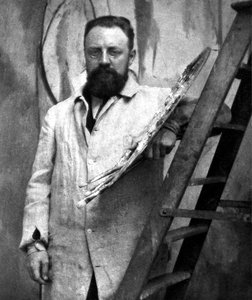
हेनरी मातिस
1869 - 1954 , फ्रांस
संक्षिप्त जानकारी
- Artistic Movement Or Style: फौविज़्म, आधुनिक कला
- Artists Or Movements Influenced By This Artist:
- आधुनिकतावाद
- अभिव्यक्तिवाद
- Artists Who Influenced This Artist:
- विनसेंट वैन गॉग
- चार्डेन
- जॉन रसेल
- Date Of Birth: 31 दिसंबर 1869
- Date Of Death: 3 नवंबर 1954
- Full Name: हेनरी एमील बेनोइट मैटिस
- Nationality: फ्रांसीसी
- Notable Artworks:
- द गर्ड्स
- लॉरेट्टे इन अ व्हाइट टर्बन
- Place Of Birth: ले काटो-कैम्ब्रेसीस, फ्रांस

