पूर्वावलोकन देखें
 साझा करें
 साझा करें
 विस्तृत विवरण

 डाउनलोड करें
 समान कलाकृतियाँ
 एक्स-रे
 स्लाइड शो देखें
The Good Samaritan


 पूरा देखें
गिक्ली / आर्ट प्रिंट
तेज़ उत्पादन और विभिन्न फिनिश विकल्पों के साथ म्यूजियम-क्वालिटी गिकली (giclée) या कैनवस प्रिंट। ( हाथ से बनी पेंटिंग खरीदें छवि खरीदें)




P118B $10

P118H $10

P118W $10

P438Z $10

P508JH $12

P508YH $12

P805H $10

P805Z $10

P919BZ $10

P919G $10

P919XJ $10

P959ZH $10

P968JZ $12

W106C $8

W218G $10

W218JH $8

W218Y $10

W307PJ $10

W316G $10

W316PJ $8

W316Y $10

W398PJ $8

W4111J $10

W500HY $15

W500JH $15

W692G $12

W849H $8

W940BG $15

W953PJ $8




कलाकृति के मूल अनुपात से मेल खाने वाले हमारे पूर्व निर्धारित आकारों में से चुनें।

आप किसी विशिष्ट फ्रेम या स्थान के अनुसार अपने स्वयं के आयाम (dimensions) दर्ज कर सकते हैं। यदि आपके द्वारा चुना गया आकार मूल छवि के अनुपात से मेल नहीं खाता है, तो हम कलाकृति को क्रॉप कर देंगे या मिरर किए गए या सॉलिड-फिल किनारे के साथ छवि का विस्तार करेंगे। उत्पादन शुरू होने से पहले आपकी स्वीकृति के लिए एक डिजिटल मॉकअप भेजा जाएगा।
कृपया ध्यान दें कि स्क्रीन पर दिखने वाला प्रीव्यू वास्तविक क्रॉपिंग या विस्तार को नहीं दर्शाता है। केवल मॉकअप ही अंतिम संरचना को सटीक रूप से दिखाएगा।
हालाँकि कस्टम आकार उपलब्ध हैं, फिर भी हम मूल अनुपात बनाए रखने के लिए पूर्व-निर्धारित सूची में से एक आयाम चुनने की सलाह देते हैं।
विश्वव्यापी डिलीवरी (), मानक 4/5 सप्ताह के बजाय मात्र 2 सप्ताह में। (14 अगस्त)

दुनिया भर में मुफ़्त एक्सप्रेस शिपिंग

उच्च गुणवत्ता वाला लिनेन कैनवास

पूर्ण शिपिंग बीमा

सीमा शुल्क और आयात कर वापसी की गारंटी

सटीक रंग मिलान की गारंटी

60-दिन की वापसी नीति (केवल दोषों के लिए)

100% पैसे वापसी की गारंटी

थोक छूट का लाभ
 ग्लास का विकल्प केवल 110 सेमी से कम आकार में ही उपलब्ध है।

The Good Samaritan
गिक्ली / आर्ट प्रिंट
प्रतिकृति का आकार
-


कुल देय राशि
$ 80
संग्रहणीय वस्तु का विवरण
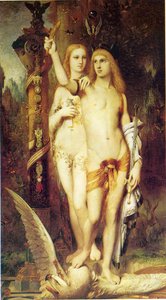
A Vision of Compassion and Shadow: Exploring Gustave Moreau’s “The Good Samaritan”
Gustave Moreau's "The Good Samaritan," painted in 1870, isn’t merely a depiction of a biblical parable; it’s an immersive journey into the heart of Symbolism – a movement that sought to elevate art beyond mere representation and delve into the realms of dreams, mythology, and the profound depths of human emotion. Moreau, born into a Parisian family steeped in artistic tradition, rejected the prevailing Realist trends of his era, choosing instead to build his artistic identity on a foundation of intensely personal symbolism. This painting exemplifies that approach brilliantly, presenting a scene fraught with ambiguity and layered meaning, inviting viewers to contemplate not just *what* is shown, but *why* it’s presented in this particular way.
The composition itself immediately draws the eye into a world of heightened drama. A wounded man lies prone on the ground, his garments discarded – an image that speaks volumes about vulnerability and abandonment. Beside him stands a figure offering aid, yet their faces remain obscured, shrouded in shadow, suggesting a deliberate withholding of complete clarity. The presence of two horses—one in the background, another closer to the foreground—adds a sense of urgency and perhaps even impending danger, hinting at a perilous journey undertaken by this anonymous Samaritan. The birds, perched strategically within the scene, could represent both hope and omen, their flight adding a layer of ethereal beauty to the otherwise stark depiction.
Decoding the Symbolism: Myth, Religion, and the Psyche
Moreau’s genius lay in his ability to seamlessly blend historical themes with deeply personal symbolism. “The Good Samaritan” is no exception; it's a rich tapestry woven from threads of biblical narrative, classical mythology, and the artist’s own psychological landscape. The wounded man himself can be interpreted as representing humanity in its fallen state, while the Samaritan embodies compassion and selfless service—qualities often associated with Christ himself. However, Moreau doesn’t offer a straightforward affirmation; instead, he presents a scene that demands interpretation. The obscured faces of the figures are particularly significant, suggesting that true goodness isn't about outward appearances or easy recognition but rather an internal quality, a silent act of grace.
Furthermore, the setting itself is imbued with symbolic weight. The desolate landscape and the overall atmosphere of twilight evoke a sense of moral ambiguity—a world where virtue is tested and where even acts of kindness are shadowed by uncertainty. Moreau’s use of color further enhances this effect; muted tones dominate the palette, punctuated by flashes of intense crimson that draw attention to the wounded man and heighten the painting's emotional intensity.
The Style of a Symbolist Pioneer: Technique and Influence
Moreau’s artistic style was deeply rooted in French Symbolism, a movement characterized by its embrace of dreams, mythology, and fantasy. His paintings are renowned for their intricate detail, bold colors, and meticulously rendered surfaces—a testament to his rigorous training at the École des Beaux-Arts. Yet, he deliberately employed these techniques not to create realistic representations but to evoke specific emotions and convey symbolic ideas. The meticulous brushwork, combined with a penchant for rich textures and shimmering metallic accents (often achieved through layering glazes), creates an almost dreamlike quality that is characteristic of Symbolist art.
Influenced by artists like William Blake and the Pre-Raphaelites, Moreau’s work often featured allegorical figures and fantastical landscapes. His fascination with ancient myths and religious iconography—as evidenced in works such as “Saint Sebastian and His Executioners”—contributed to his unique artistic vision. The Louvre Museum houses a significant collection of Moreau's paintings, including "The Triumph of Alexander the Great," showcasing the breadth and depth of his talent.
Bringing “The Good Samaritan” Home: A Reproduction for Collectors
OriginalUniqueArt offers meticulously crafted hand-painted reproductions of Gustave Moreau’s “The Good Samaritan,” allowing you to experience the power and beauty of this iconic Symbolist masterpiece in your own space. Our skilled artisans replicate Moreau's intricate details, vibrant colors, and evocative atmosphere with unparalleled precision. Whether you are an art collector, a design enthusiast, or simply someone seeking a piece that speaks to the soul, our reproduction provides an authentic representation of this extraordinary work. Explore our collection today at https://OriginalUniqueArt.com and discover how Moreau’s vision can enrich your world.
कलाकार का जीवन परिचय
गुस्ताव मोरो: प्रतीकवाद के स्वप्न बुनकर
गुस्ताव मोरो, एक ऐसा नाम जो 19वीं सदी के पेरिस से उभरे प्रतीकवादी चित्रकला की रहस्यमय गहराई और अलौकिक सुंदरता का पर्याय है। 1826 में एक बुर्जुआ परिवार में जन्मे—उनके पिता एक वास्तुकार और अभिलेखागार थे—मोरो के शुरुआती जीवन को बौद्धिक जिज्ञासा और सौंदर्य संबंधी संवेदनशीलता से भरा हुआ था। कम उम्र से ही उन्होंने रेखाचित्र बनाने की असाधारण प्रतिभा का प्रदर्शन किया, जिसे फ्रांस्वा-एडोर्ड पिको जैसे शख्सियतों के अधीन École des Beaux-Arts में पारंपरिक अकादमिक प्रशिक्षण के माध्यम से पोषित किया गया। फिर भी, मोरो का कलात्मक मार्ग अपने समय के प्रचलित यथार्थवादी और प्रभाववादी धाराओं से अलग हो जाएगा। उनका उद्देश्य क्षणभंगुर क्षणों या वस्तुनिष्ठ वास्तविकता को कैद करना नहीं था; इसके बजाय उन्होंने अपनी गहरी व्यक्तिगत और प्रतीकात्मक दृश्य भाषा के माध्यम से पौराणिक कथाओं, धर्म और मानव मन की छिपी हुई दुनिया को उजागर करने का प्रयास किया। उनकी यात्रा आंतरिक अन्वेषण की थी, जो अपने जुनून और आध्यात्मिक आकांक्षाओं को अत्यधिक विस्तार पर ध्यान देने और अक्सर भव्य रंग पैलेट के साथ कैनवास पर अनुवाद करती थी।प्रभावों और कलात्मक विकास का भट्टी
मोरो का कलात्मक विकास शून्य में नहीं हुआ था। अपने युग के प्रमुख रुझानों को अस्वीकार करते हुए भी, उन्होंने विविध स्रोतों से प्रेरणा ली। यूजीन डेलाक्रोइक्स के कार्यों में रंग के नाटकीय उपयोग और विदेशी विषय वस्तु ने उनके भीतर गहरे प्रतिध्वनि पैदा की, जिससे भावनात्मक तीव्रता से भरे कथा चित्रकला के लिए एक जुनून भड़क उठा। उन्होंने माइकल एंजेलो और लियोनार्डो दा विंची जैसे पुनर्जागरण के महान कलाकारों को भी अत्यधिक सम्मान दिया, उनकी रचना, शरीर रचना विज्ञान और मनोवैज्ञानिक अंतर्दृष्टि में महारत की प्रशंसा करते हुए। फिर भी, मोरो केवल इन कलाकारों की नकल नहीं कर रहे थे; वे अपने प्रभावों को पूरी तरह से नई चीज़ में संश्लेषित कर रहे थे। 1850 के दशक में इटली की उनकी यात्राएँ निर्णायक साबित हुईं, उन्हें प्राचीनता और पुनर्जागरण की कला में डुबो दिया गया, जिससे उनके भविष्य के कार्यों को भरने वाले रूपांकनों और शैलीगत संकेतों का खजाना प्राप्त हुआ। उन्होंने पुराने स्वामी चित्रों की सावधानीपूर्वक प्रतिलिपि बनाई, न कि प्रतिकृति के अभ्यास के रूप में, बल्कि उनकी तकनीकों को अवशोषित करने और उनके रहस्यों को उजागर करने के साधन के रूप में। यह शिल्प के प्रति समर्पण, उनकी पौराणिक कथाओं और साहित्य में बढ़ती रुचि के साथ मिलकर, उनके अद्वितीय कलात्मक दृष्टिकोण की नींव रखी।प्रतीकों की दुनिया: विषय और तकनीकें
मोरो के चित्रों को केवल मिथकों या बाइबिल की कहानियों का चित्रण नहीं माना जा सकता है; वे जटिल रूप से प्रतीकात्मक रचनाएँ हैं जो चिंतन और व्याख्या को आमंत्रित करती हैं। उन्होंने सालोम, ओर्फियस, जुपिटर और सेमिला जैसे कथाओं में गहराई से उतरकर उन्हें शाब्दिक रूप से बताने के बजाय उनके अंतर्निहित मनोवैज्ञानिक और आध्यात्मिक सत्यों का पता लगाया। उनके कैनवासों पर सर्प जैसे प्रतीकात्मक कल्पना से भरे हुए हैं जो प्रलोभन का प्रतिनिधित्व करते हैं, रत्न सांसारिक इच्छाओं को दर्शाते हैं, और शोक, हानि या मोचन जैसी अमूर्त अवधारणाओं को मूर्त रूप देते हैं। उन्होंने जटिल विवरण, समृद्ध बनावट और प्रकाश और छाया के अक्सर परेशान करने वाले संयोजन के माध्यम से एक स्वप्निल वातावरण बनाने में महारत हासिल की। मोरो की तकनीक का चित्रण पेंट की सावधानीपूर्वक परतदारियों द्वारा चिह्नित किया गया था, जिससे सतहें चमकदार रंगों के साथ चमकती हैं और अलौकिक सुंदरता की भावना पैदा करती हैं। उन्होंने सोने की पत्ती के अपने उपयोग ने इस प्रभाव को बढ़ाया, उनके कार्यों को एक बीजान्टिन गुणवत्ता प्रदान की जिसने उनके आध्यात्मिक आयाम को रेखांकित किया। उनका उद्देश्य यथार्थवादी बनावट या परिप्रेक्ष्य को कैद करना नहीं था; इसके बजाय उन्होंने मूड और अर्थ व्यक्त करने के लिए रंग और रूप की अभिव्यंजक शक्ति को प्राथमिकता दी।विरासत और प्रभाव: प्रतीकवाद की स्थायी शक्ति
हालांकि शुरू में मिश्रित प्रतिक्रियाओं का सामना करना पड़ा, मोरो 1890 के दशक में उभरते प्रतीकवादी आंदोलन में एक केंद्रीय व्यक्ति बन गए। अपने कुछ समकालीनों के विपरीत जिन्होंने सक्रिय रूप से सार्वजनिक ध्यान आकर्षित करने की मांग की, वह अपेक्षाकृत एकांत में रहे, स्वतंत्र रूप से काम करना और कलात्मक बहसों से बचना पसंद करते थे। फिर भी, उनका प्रभाव निर्विवाद था। 1893 में, उन्होंने École des Beaux-Arts में एक प्रोफेसरशिप स्वीकार की, जहाँ उन्होंने हेनरी मैटिस और जॉर्ज रूओल्ट सहित कई पीढ़ियों के कलाकारों को गहराई से प्रभावित किया। उन्होंने अपने छात्रों को कल्पना, प्रतीकवाद और व्यक्तिगत अभिव्यक्ति को अपनाने के लिए प्रोत्साहित किया, उन्हें पारंपरिक कलात्मक मानदंडों से मुक्त होने के लिए प्रेरित किया। यद्यपि प्रतीकवाद 20वीं सदी के उत्तरार्ध में मोरो की मृत्यु (1898) के बाद लोकप्रियता खो बैठा, उनके काम का महत्वपूर्ण पुनर्मूल्यांकन हुआ। आज, उन्हें व्यापक रूप से आंदोलन के सबसे महत्वपूर्ण आंकड़ों में से एक और आधुनिक कला के अग्रदूत के रूप में माना जाता है। पेरिस में स्थित Musée Gustave Moreau, उनके पूर्व स्टूडियो और घर में स्थित, उनकी स्थायी विरासत का प्रमाण है—एक ऐसा अभयारण्य जहाँ आगंतुक इस असाधारण कलाकार की मनोरम दुनिया में खुद को डुबो सकते हैं। उनके चित्र आज भी दर्शकों को प्रतिध्वनित करते रहते हैं, मानव आत्मा की छिपी हुई गहराई में झलकियाँ प्रदान करते हैं और हमें याद दिलाते हैं कि कला की वास्तविकता की सीमाओं को पार करने की शक्ति है।प्रमुख कार्य
- हेरोद के सामने सालोम नृत्य: उनका सबसे प्रसिद्ध काम शायद, यह पेंटिंग मोरो की भव्य शैली और बाइबिल संबंधी कथाओं के प्रति आकर्षण का प्रतीक है।
- जुपीटर और सेमिला: ग्रीक मिथक के एक नाटकीय चित्रण, जो मोरो की रचना और रंग में महारत को प्रदर्शित करता है।
- ओर्फियस: मोरो ने ओर्फियस के मिथक का पता लगाने वाले कई चित्रों ने हानि, शोक और कलात्मक प्रेरणा के विषयों को दर्शाया।
- द अपियरेंस: उनकी अलौकिक और अलौकिक दृश्यों को बनाने की क्षमता का प्रदर्शन करता है।
- डेस्डेमोना: शेक्सपियर की दुखद नायिका का एक मार्मिक चित्रण।

गुस्ताव मोरो
1826 - 1898 , फ्रांस
मुख्य तथ्य
- कलात्मक शैली: प्रतीकात्मकता
- जन्म तिथि: 6 अप्रैल 1826
- जन्म स्थान: पेरिस, फ्रांस
- पूरा नाम: गुस्ताव मोरो
- प्रभावित आंदोलन:
- हेनरी मैटिस
- जॉर्ज रूओल्ट
- प्रभावित कलाकार:
- यूजीन डेलाक्रोइक्स
- मिकेलेंजो
- लियोनार्डो दा विंची
- प्रमुख कलाकृतियाँ:
- सलोम डांसिंग बिफोर हेरोड
- जुपिटर एंड सेमेले
- ऑर्फियस
- द अपैरिशन
- डेस्डेमोना
- मृत्यु तिथि: 18 अप्रैल 1898
- राष्ट्रीयता: फ्रांसीसी
संबंधित लेख
गुस्ताव क्लिम्ट की शीर्ष 25 उत्कृष्ट कृतियाँ: कला और सजावट का संगम
गुस्ताव क्लिम्ट की शीर्ष 25 कलाकृतियों में खो जाएं! आर्ट नोव्यू, सुनहरा काल और प्रेम से भरी पेंटिंग का अनुभव करें। उच्च गुणवत्ता वाले कला प्रिंट और सजावट के विचार OriginalUniqueArt.com पर खोजें।
Gustave Moreau: Symbolism's Enigmatic Visionary & Precursors of Modern Fantasy Art
Explore the captivating world of Gustave Moreau, the leading Symbolist painter. Discover his iconic masterpieces, influences, and lasting legacy. Expert analysis for collectors & art enthusiasts.

The Enduring Legacy of Oil on Canvas: Technique, History & Aesthetic Impact
Explore the rich history & techniques of oil painting – from Renaissance masters to Impressionism. Discover pigments, layering methods, and why this timeless medium endures. Expert insights for artists & art enthusiasts.

Oil on Canvas: A Historical & Technical Exploration of a Timeless Artistic Medium
Explore the rich history & enduring techniques of oil painting on canvas. Discover the science behind its longevity, conservation practices, and contemporary relevance. Expert insights for art enthusiasts.

The Enduring Power of Painting: A Historical & Contemporary Exploration of Form and Emotion
Explore the rich history & enduring techniques of oil painting with OriginalUniqueArt. Discover masterpieces, learn about art collecting, and find authentic handmade reproductions crafted by skilled artists.