

 पूर्वावलोकन देखें
 भेजें
भेजें साझा करें
 विवरण देखें
 मार्गदर्शिका

 डाउनलोड करें
 समान वस्तुएं
 एक्स-रे
 स्लाइड शो देखें
 आंकड़े
The Ballad


 और पढ़ें
गिक्ली / आर्ट प्रिंट
तेज़ उत्पादन और विभिन्न फिनिश विकल्पों के साथ म्यूजियम-क्वालिटी गिकली (giclée) या कैनवस प्रिंट। ( हाथ से बनी पेंटिंग खरीदें डिजिटल इमेज पर जाएँ)




P118B ₹10

P118H ₹10

P118W ₹10

P438Z ₹10

P508JH ₹12

P508YH ₹12

P805H ₹10

P805Z ₹10

P919BZ ₹10

P919G ₹10

P919XJ ₹10

P959ZH ₹10

P968JZ ₹12

W106C ₹8

W218G ₹10

W218JH ₹8

W218Y ₹10

W307PJ ₹10

W316G ₹10

W316PJ ₹8

W316Y ₹10

W398PJ ₹8

W4111J ₹10

W500HY ₹15

W500JH ₹15

W692G ₹12

W849H ₹8

W940BG ₹15

W953PJ ₹8




कलाकृति के मूल अनुपात से मेल खाने वाले हमारे पूर्व निर्धारित आकारों में से चुनें।

अपने फ्रेम या अपनी दीवार के अनुसार आवश्यक चौड़ाई और ऊंचाई दर्ज करें। प्रिंट को केवल काटा जा सकता है, चित्र से बड़ा कभी नहीं बनाया जा सकता, इसलिए अलग आकार का साइज चित्र का एक हिस्सा खो देता है। किसी भी चीज़ को प्रिंट करने से पहले हम आपकी स्वीकृति के लिए आपको एक डिजिटल मॉकअप भेजते हैं। इस पृष्ठ पर दिखाया गया चित्र वास्तविक कटिंग नहीं दिखाता है — केवल मॉकअप ही इसे दर्शाता है।
विश्वव्यापी डिलीवरी (), मानक 4/5 सप्ताह के बजाय मात्र 2 सप्ताह में। (15 अक्टूबर)

दुनिया भर में मुफ़्त एक्सप्रेस शिपिंग

प्रीमियम ग्रेड लिनेन कैनवास

पूर्ण शिपिंग बीमा

सीमा शुल्क और आयात कर वापसी की गारंटी

सटीक रंग मिलान की गारंटी

100 दिनों की वापसी नीति (केवल निर्माण दोष होने पर)

100% पैसे वापसी की गारंटी

थोक छूट का अवसर
 ग्लास का विकल्प केवल 110 सेमी से कम आकार में ही उपलब्ध है।

The Ballad
गिक्ली / आर्ट प्रिंट
प्रतिकृति का आकार
-


कुल मूल्य
₹ 7683
A Dreamscape Unveiled: Gustave Moreau’s “The Ballad”
Gustave Moreau's "The Ballad," painted in 1885, isn’t merely a depiction of a scene; it’s an immersion into a realm of potent symbolism and deeply felt emotion. This watercolor, born from the heart of Symbolism, transcends simple representation to become a visual poem—a testament to Moreau's profound engagement with mythology, literature, and the hidden currents of the human psyche. The painting immediately draws the viewer in with its vibrant palette and intricate details, creating an atmosphere that feels both familiar and profoundly strange, like stepping into a half-remembered dream.
At first glance, the composition presents a striking tableau: a man, clad in armor and wielding a sword, rides atop a magnificent horse, while a woman stands before him, her hair whipped about by an unseen wind. The scene is layered with elements of nature – twisting branches, blossoming flowers—and fantastical details that hint at a world beyond the everyday. Two additional horses are present, one further back in the landscape, adding depth and suggesting a journey or procession. A soaring bird cuts across the upper portion of the canvas, injecting a sense of movement and perhaps even prophecy into the scene.
The Language of Symbolism: Moreau’s Influences
Moreau's artistic vision was deeply rooted in the intellectual currents of his time, particularly influenced by the evocative poetry of Charles Baudelaire and Stéphane Mallarmé. These writers explored themes of beauty, decay, spirituality, and the subconscious—ideas that directly informed Moreau’s approach to painting. He wasn’t interested in faithfully recreating reality; instead, he sought to distill complex emotions and philosophical concepts into visual symbols. The armor worn by the man, for instance, could represent both strength and constraint, while the woman's wind-swept hair might symbolize vulnerability or a connection to the untamed forces of nature.
The painting’s meticulous detail—the texture of the horse’s mane, the delicate folds of the woman’s gown, the intricate patterns in the background foliage—is characteristic of Moreau's style. He employed a technique that combined watercolor with gouache and other pigments to achieve a luminous quality and an almost jewel-like intensity of color. This careful layering creates a sense of depth and atmosphere, contributing significantly to the painting’s dreamlike quality.
Mythic Echoes and Emotional Resonance
"The Ballad" is rich in mythological allusions, though their precise interpretation remains open to debate. Some scholars suggest connections to ancient Greek myths, while others see echoes of medieval romances or even biblical narratives. The central figures could represent a heroic quest, a tragic love story, or perhaps a meditation on the duality of masculine and feminine power. Regardless of its specific mythological source, the painting powerfully conveys a sense of longing, mystery, and profound emotional intensity.
Moreau’s intention wasn't to provide definitive answers but rather to evoke a feeling—a visceral response in the viewer. He aimed to tap into universal human experiences – love, loss, courage, and mortality – through the evocative language of symbolism. The painting invites contemplation, encouraging us to project our own interpretations onto its enigmatic figures and symbolic landscape.
Bringing “The Ballad” Home: Reproductions for Collectors
OriginalUniqueArt offers meticulously crafted, hand-painted reproductions of Gustave Moreau’s "The Ballad," capturing the artist's unique style and emotional depth with unparalleled accuracy. These reproductions are created by skilled artisans using traditional techniques, ensuring that every detail—from the vibrant colors to the intricate textures—is faithfully reproduced. Whether you’re an art collector seeking a stunning addition to your collection or an interior designer looking for a captivating piece of artwork to enhance your space, a OriginalUniqueArt reproduction of “The Ballad” offers a beautiful and authentic way to experience the power and beauty of Moreau's vision.
Explore our selection of Gustave Moreau reproductions today and bring this timeless masterpiece into your world. Browse Now
प्रश्न और उत्तर
गुस्ताव मोरो के अन्य उपनाम या वैकल्पिक नाम क्या हैं?
"The Ballad" के रचनाकार गुस्ताव मोरो के अन्य दर्ज नाम गुस्ताव मोरो (पूरा नाम: गुस्तावो फेलिक्स मोरो) हैं।
गुस्ताव मोरो द्वारा "The Ballad" में क्या दर्शाया गया है, और इसका भाव कैसा है?
गुस्ताव मोरो द्वारा "The Ballad" में mythology, symbolism, fantasy, allegory, horseback, woman, armor, dreamlike का चित्रण एक Ethereal भाव के साथ किया गया है। विषय और वातावरण मिलकर इस कृति का वर्णन करते हैं।
"The Ballad" के रंग एक-दूसरे के साथ कितने सामंजस्यपूर्ण हैं?
"The Ballad" का रंग सामंजस्य Softly Mixed Palette के रूप में दर्ज है।
कलाकार का परिचय
गुस्ताव मोरो: प्रतीकवाद के स्वप्न बुनकर
गुस्ताव मोरो, एक ऐसा नाम जो 19वीं सदी के पेरिस से उभरे प्रतीकवादी चित्रकला की रहस्यमय गहराई और अलौकिक सुंदरता का पर्याय है। 1826 में एक बुर्जुआ परिवार में जन्मे—उनके पिता एक वास्तुकार और अभिलेखागार थे—मोरो के शुरुआती जीवन को बौद्धिक जिज्ञासा और सौंदर्य संबंधी संवेदनशीलता से भरा हुआ था। कम उम्र से ही उन्होंने रेखाचित्र बनाने की असाधारण प्रतिभा का प्रदर्शन किया, जिसे फ्रांस्वा-एडोर्ड पिको जैसे शख्सियतों के अधीन École des Beaux-Arts में पारंपरिक अकादमिक प्रशिक्षण के माध्यम से पोषित किया गया। फिर भी, मोरो का कलात्मक मार्ग अपने समय के प्रचलित यथार्थवादी और प्रभाववादी धाराओं से अलग हो जाएगा। उनका उद्देश्य क्षणभंगुर क्षणों या वस्तुनिष्ठ वास्तविकता को कैद करना नहीं था; इसके बजाय उन्होंने अपनी गहरी व्यक्तिगत और प्रतीकात्मक दृश्य भाषा के माध्यम से पौराणिक कथाओं, धर्म और मानव मन की छिपी हुई दुनिया को उजागर करने का प्रयास किया। उनकी यात्रा आंतरिक अन्वेषण की थी, जो अपने जुनून और आध्यात्मिक आकांक्षाओं को अत्यधिक विस्तार पर ध्यान देने और अक्सर भव्य रंग पैलेट के साथ कैनवास पर अनुवाद करती थी।प्रभावों और कलात्मक विकास का भट्टी
मोरो का कलात्मक विकास शून्य में नहीं हुआ था। अपने युग के प्रमुख रुझानों को अस्वीकार करते हुए भी, उन्होंने विविध स्रोतों से प्रेरणा ली। यूजीन डेलाक्रोइक्स के कार्यों में रंग के नाटकीय उपयोग और विदेशी विषय वस्तु ने उनके भीतर गहरे प्रतिध्वनि पैदा की, जिससे भावनात्मक तीव्रता से भरे कथा चित्रकला के लिए एक जुनून भड़क उठा। उन्होंने माइकल एंजेलो और लियोनार्डो दा विंची जैसे पुनर्जागरण के महान कलाकारों को भी अत्यधिक सम्मान दिया, उनकी रचना, शरीर रचना विज्ञान और मनोवैज्ञानिक अंतर्दृष्टि में महारत की प्रशंसा करते हुए। फिर भी, मोरो केवल इन कलाकारों की नकल नहीं कर रहे थे; वे अपने प्रभावों को पूरी तरह से नई चीज़ में संश्लेषित कर रहे थे। 1850 के दशक में इटली की उनकी यात्राएँ निर्णायक साबित हुईं, उन्हें प्राचीनता और पुनर्जागरण की कला में डुबो दिया गया, जिससे उनके भविष्य के कार्यों को भरने वाले रूपांकनों और शैलीगत संकेतों का खजाना प्राप्त हुआ। उन्होंने पुराने स्वामी चित्रों की सावधानीपूर्वक प्रतिलिपि बनाई, न कि प्रतिकृति के अभ्यास के रूप में, बल्कि उनकी तकनीकों को अवशोषित करने और उनके रहस्यों को उजागर करने के साधन के रूप में। यह शिल्प के प्रति समर्पण, उनकी पौराणिक कथाओं और साहित्य में बढ़ती रुचि के साथ मिलकर, उनके अद्वितीय कलात्मक दृष्टिकोण की नींव रखी।प्रतीकों की दुनिया: विषय और तकनीकें
मोरो के चित्रों को केवल मिथकों या बाइबिल की कहानियों का चित्रण नहीं माना जा सकता है; वे जटिल रूप से प्रतीकात्मक रचनाएँ हैं जो चिंतन और व्याख्या को आमंत्रित करती हैं। उन्होंने सालोम, ओर्फियस, जुपिटर और सेमिला जैसे कथाओं में गहराई से उतरकर उन्हें शाब्दिक रूप से बताने के बजाय उनके अंतर्निहित मनोवैज्ञानिक और आध्यात्मिक सत्यों का पता लगाया। उनके कैनवासों पर सर्प जैसे प्रतीकात्मक कल्पना से भरे हुए हैं जो प्रलोभन का प्रतिनिधित्व करते हैं, रत्न सांसारिक इच्छाओं को दर्शाते हैं, और शोक, हानि या मोचन जैसी अमूर्त अवधारणाओं को मूर्त रूप देते हैं। उन्होंने जटिल विवरण, समृद्ध बनावट और प्रकाश और छाया के अक्सर परेशान करने वाले संयोजन के माध्यम से एक स्वप्निल वातावरण बनाने में महारत हासिल की। मोरो की तकनीक का चित्रण पेंट की सावधानीपूर्वक परतदारियों द्वारा चिह्नित किया गया था, जिससे सतहें चमकदार रंगों के साथ चमकती हैं और अलौकिक सुंदरता की भावना पैदा करती हैं। उन्होंने सोने की पत्ती के अपने उपयोग ने इस प्रभाव को बढ़ाया, उनके कार्यों को एक बीजान्टिन गुणवत्ता प्रदान की जिसने उनके आध्यात्मिक आयाम को रेखांकित किया। उनका उद्देश्य यथार्थवादी बनावट या परिप्रेक्ष्य को कैद करना नहीं था; इसके बजाय उन्होंने मूड और अर्थ व्यक्त करने के लिए रंग और रूप की अभिव्यंजक शक्ति को प्राथमिकता दी।विरासत और प्रभाव: प्रतीकवाद की स्थायी शक्ति
हालांकि शुरू में मिश्रित प्रतिक्रियाओं का सामना करना पड़ा, मोरो 1890 के दशक में उभरते प्रतीकवादी आंदोलन में एक केंद्रीय व्यक्ति बन गए। अपने कुछ समकालीनों के विपरीत जिन्होंने सक्रिय रूप से सार्वजनिक ध्यान आकर्षित करने की मांग की, वह अपेक्षाकृत एकांत में रहे, स्वतंत्र रूप से काम करना और कलात्मक बहसों से बचना पसंद करते थे। फिर भी, उनका प्रभाव निर्विवाद था। 1893 में, उन्होंने École des Beaux-Arts में एक प्रोफेसरशिप स्वीकार की, जहाँ उन्होंने हेनरी मैटिस और जॉर्ज रूओल्ट सहित कई पीढ़ियों के कलाकारों को गहराई से प्रभावित किया। उन्होंने अपने छात्रों को कल्पना, प्रतीकवाद और व्यक्तिगत अभिव्यक्ति को अपनाने के लिए प्रोत्साहित किया, उन्हें पारंपरिक कलात्मक मानदंडों से मुक्त होने के लिए प्रेरित किया। यद्यपि प्रतीकवाद 20वीं सदी के उत्तरार्ध में मोरो की मृत्यु (1898) के बाद लोकप्रियता खो बैठा, उनके काम का महत्वपूर्ण पुनर्मूल्यांकन हुआ। आज, उन्हें व्यापक रूप से आंदोलन के सबसे महत्वपूर्ण आंकड़ों में से एक और आधुनिक कला के अग्रदूत के रूप में माना जाता है। पेरिस में स्थित Musée Gustave Moreau, उनके पूर्व स्टूडियो और घर में स्थित, उनकी स्थायी विरासत का प्रमाण है—एक ऐसा अभयारण्य जहाँ आगंतुक इस असाधारण कलाकार की मनोरम दुनिया में खुद को डुबो सकते हैं। उनके चित्र आज भी दर्शकों को प्रतिध्वनित करते रहते हैं, मानव आत्मा की छिपी हुई गहराई में झलकियाँ प्रदान करते हैं और हमें याद दिलाते हैं कि कला की वास्तविकता की सीमाओं को पार करने की शक्ति है।प्रमुख कार्य
- हेरोद के सामने सालोम नृत्य: उनका सबसे प्रसिद्ध काम शायद, यह पेंटिंग मोरो की भव्य शैली और बाइबिल संबंधी कथाओं के प्रति आकर्षण का प्रतीक है।
- जुपीटर और सेमिला: ग्रीक मिथक के एक नाटकीय चित्रण, जो मोरो की रचना और रंग में महारत को प्रदर्शित करता है।
- ओर्फियस: मोरो ने ओर्फियस के मिथक का पता लगाने वाले कई चित्रों ने हानि, शोक और कलात्मक प्रेरणा के विषयों को दर्शाया।
- द अपियरेंस: उनकी अलौकिक और अलौकिक दृश्यों को बनाने की क्षमता का प्रदर्शन करता है।
- डेस्डेमोना: शेक्सपियर की दुखद नायिका का एक मार्मिक चित्रण।

गुस्ताव मोरो
1826 - 1898 , फ्रांस
संक्षिप्त जानकारी
- कलात्मक शैली: प्रतीकात्मकता
- जन्म तिथि: 6 अप्रैल 1826
- जन्म स्थान: पेरिस, फ्रांस
- पूरा नाम: गुस्ताव मोरो
- प्रभावित आंदोलन:
- हेनरी मैटिस
- जॉर्ज रूओल्ट
- प्रभावित कलाकार:
- यूजीन डेलाक्रोइक्स
- मिकेलेंजो
- लियोनार्डो दा विंची
- प्रमुख कलाकृतियाँ:
- सलोम डांसिंग बिफोर हेरोड
- जुपिटर एंड सेमेले
- ऑर्फियस
- द अपैरिशन
- डेस्डेमोना
- मृत्यु तिथि: 18 अप्रैल 1898
- राष्ट्रीयता: फ्रांसीसी
संबंधित लेखों की सूची

Watercolor Wonders: 10 Masterpieces That Redefined Art History | OriginalUniqueArt
Journey through 10 legendary watercolor masterpieces by Sargent, Turner & Homer! Explore iconic landscapes, portraits & floral art that redefined history. Find museum-quality reproductions and curated decor ideas at OriginalUniqueArt.com.
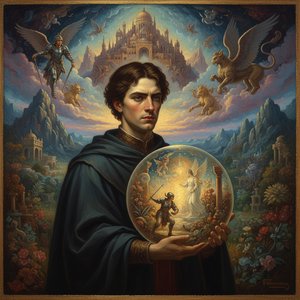
Gustave Moreau: Symbolism's Enigmatic Visionary & Precursors of Modern Fantasy Art
Explore the captivating world of Gustave Moreau, the leading Symbolist painter. Discover his iconic masterpieces, influences, and lasting legacy. Expert analysis for collectors & art enthusiasts.

गुस्ताव क्लिम्ट की शीर्ष 25 उत्कृष्ट कृतियाँ: कला और सजावट का संगम
गुस्ताव क्लिम्ट की शीर्ष 25 कलाकृतियों में खो जाएं! आर्ट नोव्यू, सुनहरा काल और प्रेम से भरी पेंटिंग का अनुभव करें। उच्च गुणवत्ता वाले कला प्रिंट और सजावट के विचार OriginalUniqueArt.com पर खोजें।

Ephemeral Visions: Exploring the Artistic Legacy & Contemporary Practice of Watercolor Painting
Explore the captivating world of watercolor painting! Discover its rich history, essential techniques, influential artists & collecting tips. A comprehensive guide for art enthusiasts from OriginalUniqueArt.

Ephemeral Visions: Exploring the History & Emotional Resonance of Watercolor Painting
Explore the captivating history of watercolor painting, from ancient techniques to modern masters like Kandinsky & Blake. Discover essential artists, collecting tips & the emotional power of this luminous medium. Expert insights for art enthusiasts.


