

 पूर्वावलोकन देखें
 भेजें
भेजें साझा करें
 विवरण देखें
 मार्गदर्शिका

 डाउनलोड करें
 समान वस्तुएं
 एक्स-रे
 स्लाइड शो देखें
 आंकड़े
Veslez


 और पढ़ें
गिक्ली / आर्ट प्रिंट
तेज़ उत्पादन और विभिन्न फिनिश विकल्पों के साथ म्यूजियम-क्वालिटी गिकली (giclée) या कैनवस प्रिंट। ( हाथ से बनी पेंटिंग खरीदें डिजिटल इमेज पर जाएँ)




































कलाकृति के मूल अनुपात से मेल खाने वाले हमारे पूर्व निर्धारित आकारों में से चुनें।

अपने फ्रेम या अपनी दीवार के अनुसार आवश्यक चौड़ाई और ऊंचाई दर्ज करें। प्रिंट को केवल काटा जा सकता है, चित्र से बड़ा कभी नहीं बनाया जा सकता, इसलिए अलग आकार का साइज चित्र का एक हिस्सा खो देता है। किसी भी चीज़ को प्रिंट करने से पहले हम आपकी स्वीकृति के लिए आपको एक डिजिटल मॉकअप भेजते हैं। इस पृष्ठ पर दिखाया गया चित्र वास्तविक कटिंग नहीं दिखाता है — केवल मॉकअप ही इसे दर्शाता है।
विश्वव्यापी डिलीवरी (), मानक 4/5 सप्ताह के बजाय मात्र 2 सप्ताह में। (26 अक्टूबर)

दुनिया भर में मुफ़्त एक्सप्रेस शिपिंग

प्रीमियम ग्रेड लिनेन कैनवास

पूर्ण शिपिंग बीमा

सीमा शुल्क और आयात कर वापसी की गारंटी

सटीक रंग मिलान की गारंटी

100 दिनों की वापसी नीति (केवल निर्माण दोष होने पर)

100% पैसे वापसी की गारंटी

थोक छूट का अवसर
 ग्लास का विकल्प केवल 110 सेमी से कम आकार में ही उपलब्ध है।

Veslez
गिक्ली / आर्ट प्रिंट
प्रतिकृति का आकार
-


कुल मूल्य
₹ 7675
A Glimpse of Rural Tranquility: "Veslez" by Gustave Loiseau
This charming painting, titled "Veslez," offers a serene glimpse into early 20th-century French countryside life. Painted in 1906, the artwork depicts a picturesque white house with a distinctive red roof nestled amongst lush trees and verdant grass. Two figures are subtly integrated into the scene – one positioned to the left and another near the center – adding a touch of human presence without disrupting the overall sense of peaceful solitude. The composition is carefully balanced, drawing the viewer's eye towards the central focal point: the inviting home, radiating warmth and domesticity.Post-Impressionist Style & Technique
"Veslez" exemplifies Gustave Loiseau’s signature Post-Impressionist style. While initially experimenting with Pointillism, Loiseau developed a unique approach characterized by his distinctive "cross-hatching" technique. This involved layering short, intersecting strokes of color to create texture and vibrancy. Observe how the artist uses this method to render the foliage, giving it a lively, almost shimmering quality. The application of paint isn't smooth; instead, the visible brushstrokes contribute to the painting’s dynamic energy and capture the fleeting effects of light on the landscape. This technique moves beyond mere representation, imbuing the scene with an emotional resonance that is characteristic of Post-Impressionism.Historical Context & Location
The title "Veslez" likely refers to Vesuzé, a commune in Essonne, just south of Paris. Loiseau frequently painted scenes from this region and others near Paris, capturing the changing landscapes and rural life that were increasingly valued as escapes from the rapidly industrializing urban centers. The painting reflects a growing appreciation for the beauty of the French countryside during the Belle Époque (roughly 1871-1914), a period marked by optimism, artistic innovation, and a renewed interest in nature. The depiction of a comfortable home suggests an idealized vision of rural living – one that resonated with many at the time.Emotional Impact & Symbolism
Beyond its aesthetic appeal, "Veslez" evokes a sense of tranquility and nostalgia. The bright colors—the white house against the red roof, contrasted by the greens of the surrounding landscape—create a visually pleasing harmony that is inherently calming. The presence of the figures suggests a simple, contented life lived in harmony with nature. While subtle, the painting hints at themes of home, family, and the enduring beauty of the French countryside – values that continue to resonate today. It’s an invitation to pause, reflect, and appreciate the quiet joys of everyday existence.Why Choose a Reproduction?
A hand-painted reproduction of "Veslez" offers a unique opportunity to bring this captivating scene into your own space. Whether you're an art enthusiast, a collector seeking to expand their repertoire, or an interior designer looking for a touch of French charm, our reproductions capture the essence and beauty of Loiseau’s original work with remarkable fidelity. Experience the emotional impact and visual delight of "Veslez" in your home – a timeless piece that will inspire and uplift for years to come.प्रश्न और उत्तर
गुस्ताव कोर्टबेट द्वारा "Veslez" के दर्शक कहाँ से आते हैं?
"Veslez" के लिए एक आंकड़े पेज उपलब्ध है। यह देश और भाषा के विवरण के साथ, इस कलाकृति और कलाकार की अन्य कृतियों की मासिक यात्राओं का चार्ट प्रस्तुत करता है।
गुस्ताव कोर्टबेट द्वारा "Veslez" में कौन से विषय दिखाई देते हैं?
गुस्ताव कोर्टबेट द्वारा "Veslez" में दर्शाया गया है: landscape, countryside, house, figures, trees, rural, parisian, daytime।
"Veslez" के रंग कितनी रोशनी परावर्तित करते हुए प्रतीत होते हैं?
गुस्ताव कोर्टबेट द्वारा "Veslez" की चमक (luminance) Gentle Luminance है। चमक यह दर्शाती है कि रंग कितनी मात्रा में प्रकाश को परावर्तित करते प्रतीत होते हैं।
कलाकार का परिचय
A Parisian Vision: The Life and Art of Gustave Loiseau
Gustave Loiseau, a name perhaps less immediately recognized than some of his Post-Impressionist contemporaries, nevertheless occupies a significant place in the story of French painting at the turn of the 20th century. Born in Paris on October 3rd, 1865, and passing away there on October 10th, 1935, Loiseau’s life was deeply intertwined with the evolving artistic landscape of his city and the broader currents of modernism. His journey began not within the hallowed halls of an art academy—though he briefly attended the École des arts décoratifs—but amidst the practical world of his parents' butcher shop. This early exposure to everyday Parisian life, coupled with a subsequent apprenticeship with a family friend who was a decorator, would profoundly shape his artistic sensibilities. It instilled in him a keen observation of the city’s rhythms and textures, a fascination that would become central to his oeuvre. A modest inheritance from his grandmother proved pivotal, allowing Loiseau to dedicate himself fully to painting in 1887, though his formal training was cut short by a disagreement with a teacher—a testament to his independent spirit.Early Life and Influences
Loiseau’s formative years were marked by a grounding in the tangible realities of Parisian life. Growing up in a family butcher shop instilled in him an appreciation for craftsmanship and attention to detail – qualities that would later translate into his distinctive painting technique. While he lacked extensive academic training, Loiseau absorbed artistic ideas from fellow artists and writers who championed alternative approaches to artmaking. Notably, he was influenced by Impressionists like Claude Monet and Camille Pissarro, whose explorations of light and color paved the way for Loiseau’s own stylistic innovations. Furthermore, his visits to Brittany—particularly Pont-Aven—proved crucial in shaping his artistic vision. The artist colony fostered a spirit of experimentation and challenged conventional aesthetic standards, exposing Loiseau to new perspectives on landscape painting. This encounter ignited his passion for capturing atmospheric effects and conveying emotional resonance – themes that would recur throughout his career.The Development of ‘En Treillis’: A Unique Technique
Loiseau’s artistic breakthrough arrived with the adoption of *en treillis*, or cross-hatching—a technique he developed independently from Impressionism. Unlike the blurred brushstrokes favored by Monet and Pissarro, Loiseau employed a network of fine, interwoven lines to build up form and capture the nuances of light and atmosphere. This method wasn’t merely about replicating visual appearances; it was about conveying feeling – an intuitive understanding of how to translate his perceptions onto canvas. It created a textural quality in his paintings—almost a shimmering effect—that distinguished him from many of his contemporaries. Loiseau's meticulous approach mirrored the precision of Japanese printmaking, reflecting a fascination with Eastern aesthetics and artistic principles. He honed this technique through tireless practice, refining it until it became synonymous with his distinctive style.Landscapes of Brittany and Paris: Recurring Themes
Loiseau’s artistic output consistently centered around two primary subjects: the serene landscapes of Brittany—particularly Pont-Aven—and the bustling streets of Paris. His Breton canvases—such as *Overcast Weather* and *Field and Hills*—were characterized by a quiet contemplation of nature, capturing fleeting moments of beauty with remarkable sensitivity. He skillfully rendered atmospheric conditions—misty mornings, dappled sunlight—employing *en treillis* to convey the subtle interplay of light and shadow. Simultaneously, Loiseau documented Parisian life with an eye for detail – scenes from daily routines, architectural vistas, urban textures. His paintings of Paris—like *Rue de Clignancourt* and *Avenue de Fiedland*—were infused with a palpable energy, reflecting the dynamism of the city while preserving its visual charm. He wasn’t merely recording what he saw; he was communicating his emotional response to the environment – an artist's profound appreciation for the ordinary transformed into extraordinary art.Recognition and Legacy
Throughout his artistic life, Loiseau achieved considerable acclaim at prestigious venues such as the Salon des Indépendants and the Salon de la Société Nationale—demonstrating a commitment to innovation alongside adherence to established traditions. He benefited from the patronage of Paul Durand-Ruel, a prominent art dealer who championed many of the leading Impressionist and Post-Impressionist artists – securing vital support for his creative endeavors. Loiseau’s work gained prominence in museum collections across France—including the Musée Maurice Denis—solidifying his place as an influential figure within the artistic canon. Today, Gustave Loiseau's paintings are celebrated for their distinctive style, evocative atmosphere, and insightful portrayal of French life during a period of transformative change – embodying the enduring power of individual vision and artistic integrity. His legacy resides not in disrupting artistic conventions but in refining them—offering a uniquely personal perspective on the world around him.
गुस्ताव कोर्टबेट
1865 - 1935 , फ्रांस
संक्षिप्त जानकारी
- Artistic Movement Or Style: इंप्रेशनिज्म
- Artists Who Influenced This Artist:
- पॉल गौगन
- इमाइल बर्नार्ड
- Date Of Birth: October 3, 1865
- Date Of Death: October 10, 1935
- Full Name: Gustave Loiseau
- Nationality: फ्रांसीसी
- Notable Artworks:
- Rue de Clignancourt
- Avenue de Fiedland
- Place Of Birth: Paris, France
संबंधित लेखों की सूची
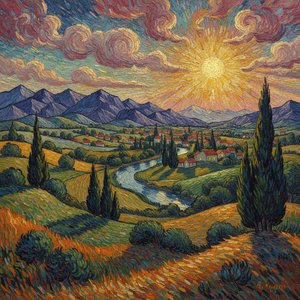
Beyond Impressionism: The Emotional Depth and Vibrant Evolution of Post-Impressionist Landscapes
Explore the profound evolution of Post-Impressionist landscapes. From Van Gogh's emotional brushwork to Cézanne's structural mastery, discover how these visionaries redefined art history through color and form in this expert guide for fine art enthusiasts.

पॉल सेज़ान की शीर्ष 25 उत्कृष्ट कृतियाँ: कला और सजावट का अद्भुत संग्रह | OriginalUniqueArt
पॉल सेज़ान की शीर्ष 25 उत्कृष्ट कृतियों का अन्वेषण करें! प्रभाववाद और आधुनिक कला के जनक सेज़ान के जीवन, शैली और प्रसिद्ध चित्रों को जानें। OriginalUniqueArt पर उच्च गुणवत्ता वाले कैनवास प्रिंट और दीवार सजावट खरीदें।
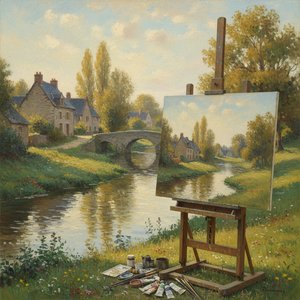
Gustave Loiseau: Capturing the Ephemeral Light of French Landscapes
Explore the captivating landscapes of Gustave Loiseau, a key Post-Impressionist painter. Discover his unique 'en treillis' technique and artistic legacy with our comprehensive guide.

जॉन कॉन्स्टेबल की शीर्ष 25 कलाकृतियाँ: प्रकृति का सौंदर्य और भावनात्मक गहराई | OriginalUniqueArt
जॉन कॉन्स्टेबल की शीर्ष 25 कलाकृतियों का अन्वेषण करें! ग्रामीण इंग्लैंड के रोमांटिक परिदृश्य, हे वेन और स्टूर नदी के सुंदर चित्रण। उच्च गुणवत्ता वाले कला प्रिंट और दीवार सजावट के लिए OriginalUniqueArt.com पर संग्रह देखें।
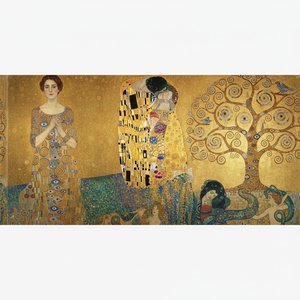
गुस्ताव क्लिम्ट की शीर्ष 25 उत्कृष्ट कृतियाँ: कला और सजावट का संगम
गुस्ताव क्लिम्ट की शीर्ष 25 कलाकृतियों में खो जाएं! आर्ट नोव्यू, सुनहरा काल और प्रेम से भरी पेंटिंग का अनुभव करें। उच्च गुणवत्ता वाले कला प्रिंट और सजावट के विचार OriginalUniqueArt.com पर खोजें।