
 पूर्वावलोकन देखें
 साझा करें
 साझा करें
 विस्तृत विवरण
 मार्गदर्शिका

 डाउनलोड करें
 समान वस्तुएं
 एक्स-रे
 स्लाइड शो देखें
 प्रश्न और उत्तर
 आंकड़े
The Piano Lesson


 पूरा देखें
गिक्ली / आर्ट प्रिंट
तेज़ उत्पादन और विभिन्न फिनिश विकल्पों के साथ म्यूजियम-क्वालिटी गिकली (giclée) या कैनवस प्रिंट। ( इस संग्रहणीय वस्तु की हाथ से बनी प्रतिकृति मंगवाएं डिजिटल इमेज पर स्विच करें)




P118B ₹10

P118H ₹10

P118W ₹10

P438Z ₹10

P508JH ₹12

P508YH ₹12

P805H ₹10

P805Z ₹10

P919BZ ₹10

P919G ₹10

P919XJ ₹10

P959ZH ₹10

P968JZ ₹12

W106C ₹8

W218G ₹10

W218JH ₹8

W218Y ₹10

W307PJ ₹10

W316G ₹10

W316PJ ₹8

W316Y ₹10

W398PJ ₹8

W4111J ₹10

W500HY ₹15

W500JH ₹15

W692G ₹12

W849H ₹8

W940BG ₹15

W953PJ ₹8




कलाकृति के मूल अनुपात से मेल खाने वाले हमारे पूर्व निर्धारित आकारों में से चुनें।

अपने फ्रेम या अपनी दीवार के अनुसार आवश्यक चौड़ाई और ऊंचाई दर्ज करें। प्रिंट को केवल काटा जा सकता है, चित्र से बड़ा कभी नहीं बनाया जा सकता, इसलिए अलग आकार का साइज चित्र का एक हिस्सा खो देता है। किसी भी चीज़ को प्रिंट करने से पहले हम आपकी स्वीकृति के लिए आपको एक डिजिटल मॉकअप भेजते हैं। इस पृष्ठ पर दिखाया गया चित्र वास्तविक कटिंग नहीं दिखाता है — केवल मॉकअप ही इसे दर्शाता है।
विश्वव्यापी डिलीवरी (), मानक 4/5 सप्ताह के बजाय मात्र 2 सप्ताह में। (6 नवमबर)

दुनिया भर में मुफ़्त एक्सप्रेस शिपिंग

उच्च गुणवत्ता वाला लिनेन कैनवास

पूर्ण शिपिंग बीमा

सीमा शुल्क और आयात कर वापसी की गारंटी

सटीक रंग मिलान की गारंटी

100 दिनों की वापसी नीति (केवल दोष होने पर)

100% पैसे वापसी की गारंटी

थोक छूट का अवसर
 ग्लास का विकल्प केवल 110 सेमी से कम आकार में ही उपलब्ध है।

The Piano Lesson
गिक्ली / आर्ट प्रिंट
प्रतिकृति का आकार
-


कुल देय राशि
₹ 7848
The Piano Lesson: A Snapshot of Parisian Modernity
Gustave Caillebotte’s “The Piano Lesson,” painted in 1881, stands as a quintessential example of Impressionism—a movement that sought to capture the fleeting beauty of everyday life and the transformative effects of industrialization on French society. More than just a depiction of two women seated at a piano, it's an emblem of a burgeoning intellectual landscape grappling with questions of tradition versus progress.
Caillebotte’s artistic vision was profoundly shaped by his exposure to photography, which encouraged him to experiment with innovative compositional strategies and perspectives. Unlike academic painters who prioritized idealized representations, Caillebotte embraced realism—albeit filtered through an Impressionistic lens—to portray scenes from the bourgeois world of Paris during Belle Époque. The muted palette—dominated by earthy tones—reflects this preoccupation with capturing atmospheric conditions rather than striving for dramatic visual impact.
Composition and Technique: Embracing Light and Texture
- The painting’s central focus is undeniably the piano itself, positioned prominently in the room. Caillebotte skillfully utilizes chiaroscuro—the interplay of light and shadow—to sculpt the piano’s form and create a sense of depth. Notice how the light illuminates the pianist's hands as they delicately touch the keys.
- Caillebotte’s brushstrokes are loose, broken, and blended, characteristic of Impressionist technique. These marks convey not only the visual appearance of surfaces but also their tactile qualities—the warmth of the wood, the softness of the fabric draped over the piano bench.
Symbolism Within Domestic Tranquility
Beyond its technical prowess, “The Piano Lesson” resonates with symbolic significance. The piano represents both musical artistry and familial heritage – a connection to tradition amidst the rapid changes sweeping through Paris. The presence of the vase and potted plant adds visual interest and subtly reinforces themes of domestic harmony and natural beauty—values that contrasted sharply with the grime and noise of the industrial city.
The inclusion of books suggests intellectual pursuits and contemplation, hinting at a deeper exploration of ideas beyond mere sensory experience. It’s as if Caillebotte invites us to consider not just what we see but also what lies beneath—the unspoken narratives that shape our lives.
Emotional Resonance: A Moment Frozen in Time
"The Piano Lesson" transcends its formal elements to evoke a feeling of quiet contemplation and understated elegance. The scene captures a fleeting moment of connection between two women, conveying warmth, intimacy, and perhaps even melancholy—a poignant reminder that beauty can be found in the simplest gestures and surroundings. It remains an enduring testament to Caillebotte’s ability to transform ordinary domestic life into a profound artistic statement.
This artwork is particularly appealing for interior designers seeking to infuse their spaces with warmth, sophistication, and a subtle nod to artistic heritage. Reproductions of “The Piano Lesson” can serve as striking focal points in living rooms or bedrooms—bringing the spirit of Impressionism and Parisian culture into modern homes.
प्रश्न और उत्तर
"The Piano Lesson" किस भावना को दर्शाता है?
गुस्ताव कैलेबोट द्वारा "The Piano Lesson" के लिए दर्ज किया गया भावनात्मक स्वर Reflective है। यह उस भावना का सार प्रस्तुत करता है जो यह कृति व्यक्त करती है।
गुस्ताव कैलेबोट द्वारा "The Piano Lesson" में कंट्रास्ट का स्तर क्या है?
"The Piano Lesson" का प्रकाश-अंधकार कंट्रास्ट (light-dark contrast) Statement के रूप में दर्ज किया गया है। कंट्रास्ट यह बताता है कि प्रकाशमय और गहरे क्षेत्र एक-दूसरे से कितने भिन्न हैं।
"The Piano Lesson" की रचना कब हुई थी, और यह किस कला आंदोलन से संबंधित है?
"The Piano Lesson" का निर्माण 1881 में Impressionist Painting आंदोलन की एक कृति के रूप में किया गया था। इसकी तिथि और शैली इस कलाकृति को कला इतिहास में एक विशिष्ट स्थान प्रदान करते हैं।
कलाकार की जीवनी
गुस्ताव कैलेबोट: एक नए युग के कलाकार
गुस्ताव कैलेबोट का जन्म 1848 में पेरिस के एक समृद्ध परिवार में हुआ था। वे एक ऐसे कलाकार थे जो अपने शहर में हो रहे नाटकीय परिवर्तनों को चित्रित करने के लिए अद्वितीय रूप से स्थित थे। उनके पिता, मार्शल कैलेबोट, ने एक सफल कपड़ा व्यवसाय विरासत में लिया और न्यायाधीश के रूप में कार्य किया, जिसने गुस्ताव को वित्तीय सुरक्षा और उभरते आधुनिक विश्व का अवलोकन करने का एक दृष्टिकोण प्रदान किया। हालांकि उन्होंने शुरू में कानूनी अध्ययन किया – 1868 और 1870 में कानून की डिग्री प्राप्त की – कैलेबोट का सच्चा आह्वान कला के क्षेत्र में था। उन्होंने लियोन बोनाट के तहत गंभीर प्रशिक्षण लेना शुरू किया, खुद को पेंटिंग में डुबो दिया, साथ ही फोटोग्राफी में गहरी रुचि विकसित की, जो एक उभरता हुआ माध्यम था जिसने उनकी कलात्मक दृष्टि को गहराई से प्रभावित किया होगा। फोटोग्राफिक सिद्धांतों के इस शुरुआती संपर्क—फ्रेमिंग, परिप्रेक्ष्य और क्षणिक पलों को पकड़ना—उनकी विशिष्ट शैली की पहचान बन गया। कैलेबोट केवल परिवर्तन का दस्तावेजीकरण नहीं कर रहे थे; वे सक्रिय रूप से उन सौंदर्य संभावनाओं के साथ जुड़ रहे थे जो इसने प्रस्तुत की थीं।यथार्थवाद प्रभाववादी प्रकाश के साथ
कैलेबोट का कलात्मक मार्ग सख्त अकादमिक परंपरा से अलग हो गया, फिर भी उन्होंने कई समकालीन प्रभाववादियों की विशुद्ध रूप से ऑप्टिकल खोजों को पूरी तरह से स्वीकार नहीं किया। उन्हें एडगर डेगास और ग्यूसेप डी निट्टिस जैसे कलाकारों के साथ समानता मिली, जो आधुनिक जीवन में रुचि रखते थे लेकिन यथार्थवाद के लेंस के माध्यम से संपर्क करते थे। उनकी शुरुआती उत्कृष्ट कृति, लेस राबोटर्स डी पार्केट (द फ्लोर स्क्रैपर्स), जिसे 1875 के सैलून में प्रदर्शित किया गया था, ने तुरंत उन्हें एक बोल्ड और अपरंपरागत चित्रकार के रूप में स्थापित कर दिया। इस कार्य में तीन मजदूरों को सावधानीपूर्वक लकड़ी के फर्श को खुरचते हुए दर्शाया गया है, जो एक निर्भीक ईमानदारी के साथ प्रस्तुत किया गया है जिसने कुछ दर्शकों को चौंका दिया जबकि दूसरों को मोहित कर लिया। यह केवल विषय वस्तु नहीं थी—कार्यशील वर्ग शायद ही कभी उच्च कला के कैनवस पर शोभा पाता था—बल्कि रचना भी थी: क्रॉप्ड, लगभग झटके देने वाली सीधी, और संवेदी आदर्शकरण से रहित। समकालीन जीवन को बिना किसी अलंकरण के चित्रित करने की यह प्रतिबद्धता द आयरन ब्रिज जैसे कार्यों में जारी रही, जहां उन्होंने तेजी से बदलते पेरिस के औद्योगिक परिदृश्य को कुशलतापूर्वक कैप्चर किया। हालांकि, कैलेबोट प्रभाववाद के प्रभाव से प्रतिरक्षा नहीं थे; उनका पैलेट धीरे-धीरे हल्का हो गया, और उन्होंने टूटे हुए ब्रशस्ट्रोक और वायुमंडलीय प्रभावों के साथ प्रयोग करना शुरू कर दिया, खासकर बर्फ से ढके पेरिस की छत के उनके आश्चर्यजनक दृश्यों में, जैसे व्यू ऑफ रूफटॉप्स (स्नो)।एक संरक्षक और एक अग्रणी: कला जगत को नेविगेट करना
अपनी कलात्मक प्रयासों के अलावा, कैलेबोट ने प्रभाववादी आंदोलन का समर्थन करने में महत्वपूर्ण भूमिका निभाई। उनकी वित्तीय स्वतंत्रता ने उन्हें एक महत्वपूर्ण संरक्षक बनने की अनुमति दी, जिसने मोनेट, रेनोइर, पिसारो, सेज़ान, डेगास और अन्य लोगों के कार्यों को खरीदा जब उनकी कला को आधिकारिक सैलून द्वारा बड़े पैमाने पर अस्वीकार कर दिया गया था। वे केवल एक संग्रहकर्ता नहीं थे; उन्होंने सक्रिय रूप से इन कलाकारों का समर्थन किया, कई प्रभाववादी प्रदर्शनों को व्यवस्थित और वित्त पोषित किया जिसने पारंपरिक कलात्मक मानदंडों की अवहेलना की। यह नवाचार को बढ़ावा देने के समर्पण उनकी अपनी संग्रह तक फैला हुआ था, जिसे उन्होंने 1894 में अपनी मृत्यु पर फ्रांसीसी राज्य को सौंप दिया—एक वसीयत जो शुरू में प्रतिरोध से मिली लेकिन अंततः मुसी डी'ओर्से के प्रसिद्ध प्रभाववादी होल्डिंग्स का आधार बन गई। कैलेबोट का अनूठा परिप्रेक्ष्य उनकी रचनाओं में भी प्रकट हुआ; 1880 में चित्रित बुलेवार्ड वु डी'एन हौट (ऊपर से देखा गया बुलेवार्ड) जैसे कार्यों ने एक आश्चर्यजनक आधुनिक संवेदनशीलता का प्रदर्शन किया, जो एक ऊंचे दृष्टिकोण और गतिशील क्रॉपिंग को नियोजित करता है जो 20वीं सदी की फोटोग्राफिक संभावनाओं की प्रत्याशा करता है। जापानी प्रिंट और उनके स्वयं के फोटोग्राफिक प्रयोगों से प्रभावित यह नवीन रचना दृष्टिकोण उन्हें एक सच्चे अग्रणी के रूप में स्थापित करता है।विरासत और पुनर्खोज: एक आधुनिक मास्टर को पुनः प्राप्त करना
उनकी मृत्यु के दशकों बाद, कैलेबोट का काम अपेक्षाकृत अस्पष्ट रहा, जो प्रभाववाद के अधिक प्रसिद्ध आंकड़ों से छाया हुआ था। 20वीं सदी के अंत तक उनकी कला का व्यापक पुनर्मूल्यांकन शुरू नहीं हुआ, जो विद्वानों के शोध और प्रमुख प्रदर्शनियों द्वारा ईंधन दिया गया था। इस पुनर्खोज ने उल्लेखनीय तकनीकी कौशल, बौद्धिक गहराई और दूरदर्शी अंतर्दृष्टि वाले एक कलाकार को प्रकट किया। कैलेबोट की पेंटिंग केवल आधुनिक जीवन के चित्रण नहीं हैं; वे शहरी अस्तित्व की जटिलताओं, बदलते सामाजिक परिदृश्य और कला और वास्तविकता के विकसित संबंधों पर गहन ध्यान हैं। यथार्थवाद और प्रभाववादी तकनीकों को निर्बाध रूप से मिलाने की उनकी क्षमता, उनकी नवीन रचनाएँ और उनके आसपास की दुनिया को चित्रित करने की उनकी अटूट प्रतिबद्धता ने उन्हें 19वीं सदी की कला में एक महत्वपूर्ण व्यक्ति के रूप में सुरक्षित कर दिया है। आज, कैलेबोट के कार्यों का जश्न उनके अनूठे परिप्रेक्ष्य, उनके कुशल निष्पादन और उनकी स्थायी प्रासंगिकता के लिए मनाया जाता है—एक कलाकार की वसीयत जो एक नए युग की भावना को पकड़ने की हिम्मत करती थी।उल्लेखनीय कार्य
- लेस राबोटर्स डी पार्केट (द फ्लोर स्क्रैपर्स) (1875): एक अभूतपूर्व कार्य जो कैलेबोट के यथार्थवाद और अपरंपरागत रचना को प्रदर्शित करता है।
- व्यू ऑफ रूफटॉप्स (स्नो) (1878): फोटोग्राफी और जापानी प्रिंट से प्रभावित उनके उच्च दृष्टिकोणों और वायुमंडलीय प्रभावों के उपयोग का प्रदर्शन करता है।
- बुलेवार्ड वु डी'एन हौट (ऊपर से देखा गया बुलेवार्ड) (1880): एक आश्चर्यजनक आधुनिक रचना जिसमें एक गतिशील परिप्रेक्ष्य है।
- पेरिस स्ट्रीट; रेन डे (1877): उनका सबसे प्रसिद्ध कार्य, जो एक अद्वितीय और उत्तेजक तरीके से पेरिस के जीवन की हलचल को पकड़ता है।
- द बेज़िक गेम(1881) : पेरिस के अवकाश का एक मनोरम प्रभाववादी चित्रकला।

गुस्ताव कैलेबोट
1848 - 1894 , भारत
प्रमुख तथ्य
- Artistic Movement Or Style: यथार्थवाद, प्रभाववाद
- Artists Or Movements Influenced By This Artist: प्रभाववाद
- Artists Who Influenced This Artist:
- एडगर डेगास
- ग्यूसेप्पे डी निट्टिस
- Date Of Birth: 19 अगस्त 1848
- Date Of Death: 21 फरवरी 1894
- Full Name: गुस्ताव कैलेबोट
- Nationality: फ्रांसीसी
- Notable Artworks:
- ले राबोटर्स दे पार्के
- दृश्य छत (बर्फ)
- Place Of Birth: पेरिस, फ्रांस
संबंधित लेख
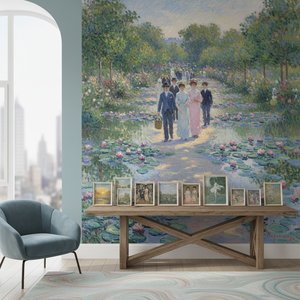
प्रभाववाद के 10 उत्कृष्ट कृतियाँ: कला, कलाकार और आपके घर के लिए सजावट
प्रभाववाद की 10 उत्कृष्ट कृतियाँ जानें! मोनेट, रेनॉयर जैसे कलाकारों के अद्भुत कार्यों का अन्वेषण करें। कला इतिहास और घर की सजावट के लिए प्रेरणा पाएं। OriginalUniqueArt.com पर संग्रहालय-गुणवत्ता वाले कला पुनरुत्पादन खरीदें। ऑनलाइन संग्रह देखें!

गुस्ताव क्लिम्ट की शीर्ष 25 उत्कृष्ट कृतियाँ: कला और सजावट का संगम
गुस्ताव क्लिम्ट की शीर्ष 25 कलाकृतियों में खो जाएं! आर्ट नोव्यू, सुनहरा काल और प्रेम से भरी पेंटिंग का अनुभव करें। उच्च गुणवत्ता वाले कला प्रिंट और सजावट के विचार OriginalUniqueArt.com पर खोजें।

Impressionism's Masterpieces: 10 Paintings That Defined a Movement | OriginalUniqueArt
Journey through Impressionism's heart with 10 iconic paintings by Monet, Renoir & Degas. Explore light, color & the stories behind these masterpieces. Find museum-quality art reproductions and elevate your home decor on OriginalUniqueArt.com.

प्रकाश और रंग से परे: विवेकी संग्राहक के लिए प्रभाववाद बनाम उत्तर-प्रभाववाद
प्रभाववाद और उत्तर-प्रभाववाद कला में निवेश के अवसरों का अन्वेषण करें। OriginalUniqueArt.com पर उच्च गुणवत्ता वाले पुनरुत्पादन, विशेषज्ञ परामर्श और विवेकी संग्राहकों के लिए अद्वितीय संग्रह खोजें।
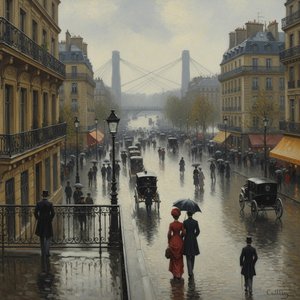
Gustave Caillebotte: Bridging Realism & Modernity in Parisian Life
Explore the life & art of Gustave Caillebotte, a pivotal figure bridging Realism & Impressionism. Discover his iconic Parisian scenes and lasting legacy with OriginalUniqueArt.


