मेन्यू
मुफ़्त कला परामर्श
पूर्वावलोकन देखेंपूर्वावलोकन देखें AR में देखेंAR में देखें प्रिंट खरीदें प्रिंट खरीदेंछवि खरीदें छवि खरीदें साझा करेंसाझा करें


विस्तृत विवरणविस्तृत विवरण पसंदीदा में जोड़ें पसंदीदा में जोड़ें डाउनलोड करेंडाउनलोड करें समान कलाकृतियाँसमान कलाकृतियाँ एक्स-रेएक्स-रे स्लाइड शो देखेंस्लाइड शो देखें

Red-flanked Duiker

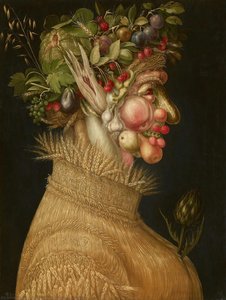
A whimsical yet profound reimagining of Giuseppe Arcimboldo's masterful technique – layering fruits, vegetables, and flowers into striking portraits reflecting Mannerist influence and celebrating the Renaissance fascination with alternative representations.

गिउसेप्पे आर्किमबोल्डो (1527-1593) इटली के एक प्रसिद्ध मैनरिस्ट चित्रकार थे। वे फलों, सब्जियों और वस्तुओं से बने अद्भुत चित्रों के लिए जाने जाते हैं। पुनर्जागरण कला में उनका अनूठा योगदान है।

हाथ से बनी ऑयल रिप्रोडक्शन

आपके आकार और फ्रेम के अनुसार कैनवास पर हाथ से बनी ऑयल पेंटिंग, हमारे कलाकारों द्वारा विशेष रूप से ऑर्डर पर तैयार। (प्रिंट खरीदें प्रिंट खरीदेंछवि खरीदें छवि खरीदें)

P118B $10
P118H $10
P118W $10
P438Z $10
P508JH $12
P508YH $12
P805H $10
P805Z $10
P919BZ $10
P919G $10
P919XJ $10
P959ZH $10
P968JZ $12
W106C $8
W218G $10
W218JH $8
W218Y $10
W307PJ $10
W316G $10
W316PJ $8
W316Y $10
W398PJ $8
W4111J $10
W500HY $15
W500JH $15
W692G $12
W849H $8
W940BG $15
W953PJ $8

Standard
custom
CM
INCH

कलाकृति के मूल अनुपात से मेल खाने वाले हमारे पूर्व निर्धारित आकारों में से चुनें।

चौड़ाई
ऊँचाई

आप किसी विशिष्ट फ्रेम या स्थान के अनुसार अपने स्वयं के आयाम (dimensions) दर्ज कर सकते हैं। यदि आपके द्वारा चुना गया आकार मूल छवि के अनुपात से मेल नहीं खाता है, तो हम कलाकृति को क्रॉप करेंगे या पेंटिंग में अतिरिक्त हाथ से चित्रित तत्व जोड़कर उसका विस्तार करेंगे। उत्पादन शुरू होने से पहले आपकी स्वीकृति के लिए एक डिजिटल मॉकअप भेजा जाएगा।
कृपया ध्यान दें कि स्क्रीन पर दिखने वाला पूर्वावलोकन वास्तविक क्रॉपिंग या विस्तार को नहीं दर्शाता है। केवल मॉकअप ही अंतिम रचना को सटीक रूप से दिखाएगा।
यद्यपि कस्टम आकार उपलब्ध हैं, फिर भी हम मूल अनुपात बनाए रखने के लिए पूर्व-निर्धारित सूची से आयाम चुनने की सलाह देते हैं।

बदलाव के कुछ उदाहरण: चेहरे को ग्राहक की फोटो से बदलें; पालतू जानवर जोड़ें (जैसे बिल्ली की जगह कुत्ता); बैकग्राउंड में कोई छिपा हुआ संदेश शामिल करें; बैकग्राउंड का परिदृश्य या तत्व बदलें।
ऑर्डर देने के बाद, OriginalUniqueArt.com टीम निर्देशों के लिए क्लाइंट को ईमेल करेगी और एक मॉकअप प्रीव्यू प्रदान करेगी

विश्वव्यापी वितरण () मानक 5 सप्ताह के बजाय मात्र 3/4 सप्ताह में। (23 अगस्त)। गुणवत्ता से कोई समझौता नहीं।

why_choose_icon
दुनिया भर में मुफ़्त एक्सप्रेस शिपिंग
why_choose_icon
उच्च गुणवत्ता वाला लिनेन कैनवास
why_choose_icon
पूर्ण शिपिंग बीमा
why_choose_icon
सीमा शुल्क और आयात कर वापसी की गारंटी
why_choose_icon
सटीक रंग मिलान की गारंटी
why_choose_icon
60-दिन की वापसी नीति (केवल दोषों के लिए)
why_choose_icon
100% पैसे वापसी की गारंटी
why_choose_icon
थोक छूट का लाभ

कुल कीमत

$ 300

reproduction

Red-flanked Duiker

प्रतिकृति की विधि

प्रतिकृति का आकार

-

कुल देय राशि

$ 300

प्रमुख विशेषताएँ

  • Artistic style: Stylized Figures
  • Movement: Mannerism
  • Location: Skoklosters Slott
  • Medium: Watercolor
  • Title: Red-flanked Duiker
  • Notable elements or techniques: Composite Portrait
  • Artist: Giuseppe Arcimboldo

कला प्रश्नोत्तरी

प्रत्येक प्रश्न का केवल एक ही सही उत्तर है।

प्रश्न 1:
What artistic movement is Giuseppe Arcimboldo primarily associated with?
प्रश्न 2:
The red-flanked duiker depicted in the watercolor painting is a species of:
प्रश्न 3:
What was Arcimboldo's role during Rudolf II’s reign?
प्रश्न 4:
The style of the painting is characterized by:
प्रश्न 5:
What symbolic meaning did Arcimboldo intend to convey through his composite portraits?

कलाकृति का विवरण

Giuseppe Arcimboldo: A Renaissance Visionary Reimagined

Giuseppe Arcimboldo (1527-1593) stands apart from his contemporaries as a singular figure in Renaissance art, an artist who defied convention and captivated audiences with his audacious blend of observation and imagination. Born in Milan during a period marked by intellectual ferment—the burgeoning humanist spirit alongside the anxieties of religious reformation—Arcimboldo’s career unfolded against a backdrop of unprecedented artistic experimentation. Initially recognized for meticulously crafted portraits adhering to established courtly standards, he swiftly transcended these limitations, establishing himself as a master of composite heads constructed entirely from meticulously arranged objects: fruits, vegetables, flowers, books, and even musical instruments. These weren't mere playful exercises in visual trickery; they were complex allegories imbued with symbolism that resonated deeply within the Renaissance worldview and continue to fascinate viewers today. His father, Biagio Arcimboldo, was an artist himself, providing young Giuseppe with a foundational understanding of artistic principles and fostering his innate talent for transforming commonplace materials into extraordinary representations.
  • The Composite Portrait: Arcimboldo’s signature technique involved layering disparate elements—often sourced from the imperial menagerie—to create portraits that resembled human faces. This approach wasn't simply innovative; it reflected a broader Renaissance preoccupation with exploring alternative modes of representation and challenging traditional artistic conventions.
  • Mannerist Influence: Arcimboldo’s style aligns closely with Mannerism, an artistic movement characterized by stylized figures, exaggerated poses, and dramatic lighting—elements that prioritized expressive intensity over naturalistic accuracy. This stylistic choice underscores Arcimboldo's commitment to conveying emotion and intellectual contemplation through his artwork.
  • Symbolic Depth: Each composite head served as a vehicle for conveying profound symbolic meanings rooted in Neo-Platonism and humanist philosophy. The careful selection of objects—representing seasons, elements, or virtues—was deliberate, intended to communicate complex ideas about power, beauty, and the human condition.
  • Imperial Patronage: Arcimboldo’s success stemmed largely from his service as court painter to Ferdinand I at Vienna and Maximilian II and Rudolf II in Prague. These imperial patrons championed artistic innovation and encouraged Arcimboldo to push the boundaries of visual expression, resulting in masterpieces that embody the spirit of their time.

Red-Flanked Duiker: A Study in Detail

The watercolor painting depicting a red-flanked duiker exemplifies Arcimboldo’s meticulous attention to detail and his masterful command of naturalistic observation. The image portrays the animal standing on all fours with its head turned slightly to the left, conveying an expression of curiosity or attentiveness. Its fur appears to be a blend of brown and black hues, subtly shaded to create depth and texture—a hallmark of Arcimboldo’s technique. Notably, the artist's use of watercolor allowed for nuanced blending and layering, capturing the delicate nuances of light and shadow that would have been unattainable with oil paint alone. The duiker’s ears are pointed upwards, suggesting alertness, while its eyes gaze directly at the viewer—establishing a connection between the artwork and the observer. Furthermore, Arcimboldo skillfully rendered the antlers atop the animal's head in a realistic manner, faithfully replicating their branching pattern characteristic of this species.

Historical Context: Rudolf II’s Visionary Court

Arcimboldo’s artistic endeavors flourished during Rudolf II’s reign—a period characterized by an unparalleled embrace of scientific inquiry and artistic experimentation. Rudolf II, fascinated by alchemy, astrology, and exotic animals from the New World, fostered a court culture that prioritized intellectual curiosity and aesthetic splendor. Arcimboldo's portraits served as visual embodiments of this humanist ethos, reflecting Rudolf II’s belief in the harmonious integration of art, science, and philosophy—a conviction that profoundly influenced the artistic landscape of Europe during the Renaissance. The artist’s ability to capture the essence of his subject matter within a framework of symbolic representation underscores Arcimboldo's enduring legacy as one of the most inventive and influential painters of his era.

The Signature & Provenance: A Testament to Craftsmanship

At the bottom right corner of the painting resides Arcimboldo’s signature—a testament to his artistic identity and a marker of authenticity. Alongside this mark is a small circular stamp or seal, indicative of ownership or provenance—providing valuable insight into the artwork's history and its journey through time. The meticulous execution of the watercolor medium—combined with Arcimboldo’s masterful compositional skills—solidifies his place as a pioneer of Mannerist art and ensures that Red-Flanked Duiker continues to inspire admiration for generations to come.

कलाकार का जीवन परिचय

गिउसेप्पे आर्किमबोल्डो: एक अनोखी कल्पना का संसार

गिउसेप्पे आर्किमबोल्डो (1527-1593) पुनर्जागरण कला के सबसे विलक्षण और रहस्यमय कलाकारों में से एक थे। मिलान, इटली में जन्मे, उनका करियर बौद्धिक उथल-पुथल, धार्मिक परिवर्तन और प्राकृतिक दुनिया के प्रति अटूट जिज्ञासा के दौर में आकार लिया। आर्किमबोल्डो को शुरू में अधिक पारंपरिक कार्यों के लिए पहचाना गया था - गिरजाघरों की दीवारों पर भित्तिचित्र और स्थापित शाही मानकों का पालन करने वाले चित्र। लेकिन उनकी स्थायी विरासत वस्तुओं से निर्मित समग्र सिरों की एक श्रृंखला पर टिकी हुई है: फल, सब्जियां, फूल, किताबें, यहां तक ​​कि संगीत वाद्ययंत्र भी। ये महज चंचल दृश्य चालें नहीं थीं; वे जटिल रूपक थे, जो पुनर्जागरण विश्वदृष्टि के भीतर गहराई से प्रतिध्वनित होने वाले प्रतीकवाद से भरे हुए थे और आज भी दर्शकों को मोहित करते हैं। उनके पिता, बियागियो आर्किमबोल्डो, स्वयं एक कलाकार थे, जिन्होंने युवा गिउसेप्पे को प्रारंभिक कला प्रशिक्षण प्रदान किया था और संभवतः 1549 के आसपास मिलान कैथेड्रल में सना हुआ ग्लास खिड़कियों और भित्तिचित्रों पर उनकी शुरुआती प्रवेश को प्रभावित किया था। इस मूलभूत अनुभव ने उनके तकनीकी कौशल और विस्तार की ओर ध्यान को निखारा - जो बाद में उनकी अधिक अपरंपरागत रचनाओं की पहचान बन गए।

शाही संरक्षण और एक अद्वितीय शैली का उदय

आर्किमबोल्डो के प्रक्षेपवक्र में 1562 में वियना, हैब्सबर्ग दरबार में फर्डिनेंड प्रथम के अदालत चित्रकार के रूप में नियुक्ति के साथ महत्वपूर्ण मोड़ आया। यह तीन लगातार हैब्सबर्ग शासकों - मैक्सिमिलियन द्वितीय और उनके पुत्र रुडोल्फ द्वितीय - के लिए दो दशकों से अधिक समय तक एक कला बहुज्ञ के रूप में सेवा करने की शुरुआत थी। चित्रों को चित्रित करने के अलावा - हालांकि इन चित्रों में भी सूक्ष्म विचित्रताएं थीं - आर्किमबोल्डो के कर्तव्यों में पोशाक डिजाइन, उत्सव सजावट और शाही संग्रहों का आयोजन शामिल था। इसी परिष्कृत स्वाद और बौद्धिक जिज्ञासा के माहौल में उनकी हस्ताक्षर शैली खिलने लगी। दरबार की नवीनता और तमाशे की मांग ने प्रयोग के लिए उपजाऊ जमीन प्रदान की, जिससे उन्हें पारंपरिक चित्रकला से परे उनके प्रसिद्ध "समग्र सिर" बनाने की अनुमति मिली। ये अचानक आवेग से नहीं जन्मे थे, बल्कि धीरे-धीरे विकसित हुए थे, पहेलियों, पहेलियों और प्रतीत होने वाली साधारण वस्तुओं के भीतर छिपे अर्थों की खोज में पुनर्जागरण आकर्षण का निर्माण किया था। पहले कलाकारों के प्रभाव जिनका *ट्रोम्पे ल'ओइल* प्रभावों और विकृत दृष्टिकोण के साथ प्रयोग किया गया था, का पता लगाया जा सकता है, फिर भी आर्किमबोल्डो ने इन तत्वों को पूरी तरह से अपने स्वयं के - एक अद्वितीय दृश्य भाषा में संश्लेषित किया जो प्रतिनिधित्व की पारंपरिक धारणाओं को चुनौती देती थी।

प्रतीकवाद को समझना: आंख से परे

आर्किमबोल्डो के काम को केवल सनकीपन के रूप में खारिज करना उनकी गहरी बौद्धिक गहराई को अनदेखा करना है। उनके समग्र चित्रों के भीतर प्रत्येक वस्तु को सावधानीपूर्वक चुना गया था, जो विषय के चरित्र, पेशे या सामाजिक स्थिति से संबंधित प्रतीकात्मक अर्थों से भरी हुई थी। उदाहरण के लिए, *पुस्तकालयाध्यक्ष* केवल एक चेहरा नहीं है जो पुस्तकों से बना है; यह विद्वानों की सूक्ष्म आलोचना है - उन लोगों पर एक टिप्पणी जो सामग्री के साथ वास्तव में जुड़ने के बिना ज्ञान जमा करते हैं। दाढ़ी बनाने वाली पशु पूंछ धूल झाड़ू का प्रतिनिधित्व करती है, जो अलमारियों पर धूल इकट्ठा हो रही उपेक्षित संस्करणों को इंगित करती है। इसी तरह, उनके ऋतुओं के चित्र - विशेष रूप से *वर्टमनस*, सम्राट रुडोल्फ द्वितीय को बगीचों और परिवर्तन के रोमन देवता के रूप में चित्रित करते हैं - वनस्पति प्रतीकवाद में समृद्ध हैं, जो सम्राट के विज्ञान और प्राकृतिक इतिहास के संरक्षण को दर्शाते हैं। ये तुरंत समझने का इरादा नहीं था; वे चिंतन को उकसाने के लिए डिज़ाइन किए गए थे, जिससे दर्शकों को प्रतीत होने वाली चंचल व्यवस्था के भीतर छिपे अर्थों की परतों को उजागर करने के लिए आमंत्रित किया गया था। पदार्थ से मानव समानता का निर्माण करने का कार्य ही सभी चीजों के अंतर्संबंध पर एक ध्यान था - पुनर्जागरण नवप्लेटोनिज़्म में ब्रह्मांड की अंतर्निहित सद्भाव में विश्वास का प्रतिबिंब।

विरासत और पुनर्खोज: अतियथार्थवाद का अग्रदूत

अपने जीवनकाल के दौरान उनकी सफलता के बावजूद, आर्किमबोल्डो की प्रतिष्ठा 1593 में उनकी मृत्यु के बाद सदियों तक कम हो गई। उनके काम को अक्सर जिज्ञासाओं के दायरे में धकेल दिया गया था - तकनीकी कौशल के लिए सराहा गया लेकिन गंभीर कलात्मक योग्यता का अभाव माना गया। 20 वीं शताब्दी तक उनकी कला के प्रति एक नया प्रशंसा नहीं उभरा, जो अतियथार्थवाद के उदय से प्रेरित था। साल्वाडोर डाली जैसे कलाकारों ने आर्किमबोल्डो को एक समान आत्मा के रूप में पहचाना - एक दूरदर्शी जिसने पारंपरिक धारणाओं को चुनौती देने और अप्रत्याशित छवियों के माध्यम से अवचेतन का पता लगाने की हिम्मत की थी। डाली की अपनी स्वप्निल रचनाओं और परिवर्तन और भ्रम के आकर्षण में आर्किमबोल्डो का प्रभाव देखा जा सकता है। आज, आर्किमबोल्डो को कला इतिहास में एक महत्वपूर्ण व्यक्ति के रूप में मनाया जाता है - अतियथार्थवाद का अग्रदूत जिसका नवीन प्रतीकवाद और चंचल विरूपण दुनिया भर के कलाकारों को प्रेरित करना जारी रखता है। उनकी पेंटिंग वियना के कुन्स्टहिस्टोरिस्चेस संग्रहालय और पेरिस के लौवर जैसे प्रतिष्ठित संग्रहालयों में रखी गई हैं, यह सुनिश्चित करते हुए कि उनकी अनूठी दृष्टि आने वाली पीढ़ियों तक गूंजती रहेगी। उनकी विरासत कल्पना की स्थायी शक्ति और हमारे आसपास की दुनिया को बदलने की कला की क्षमता का प्रमाण है।

मुख्य तथ्य

  • Artistic Movement Or Style: मैनरिज्म, अतियथार्थवाद
  • Artists Or Movements Influenced By This Artist:
    • साल्वाडोर डाली
    • अतियथार्थवाद
  • Date Of Birth: 5 अप्रैल 1527
  • Date Of Death: 11 जुलाई 1593
  • Full Name: गिउसेप्पे आर्किमबोल्डो
  • Nationality: इतालवी
  • Notable Artworks (List Of Titles):
    • फ्लोरल स्टिल लाइफ
    • चार मौसम
    • वर्टमनस
    • लाइब्रेरियन
  • Place Of Birth (City And Country): मिलान, इटली
विषयों, शैलियों और विशेषताओं के आधार पर व्यवस्थित कलाकृतियों का अन्वेषण करें।