पूर्वावलोकन देखें
 भेजें
भेजें साझा करें
 विवरण देखें
 मार्गदर्शिका

 डाउनलोड करें
 समान वस्तुएं
 एक्स-रे
 स्लाइड शो देखें
 आंकड़े
Nature studies


 और पढ़ें
हस्तनिर्मित ऑयल रिप्रोडक्शन
आपके आकार और फ्रेम के अनुसार कैनवास पर हाथ से बनी ऑयल पेंटिंग, हमारे कलाकारों द्वारा विशेष रूप से ऑर्डर पर तैयार। ( प्रिंट विकल्प पर जाएँ डिजिटल इमेज पर जाएँ)




P118B ₹10

P118H ₹10

P118W ₹10

P438Z ₹10

P508JH ₹12

P508YH ₹12

P805H ₹10

P805Z ₹10

P919BZ ₹10

P919G ₹10

P919XJ ₹10

P959ZH ₹10

P968JZ ₹12

W106C ₹8

W218G ₹10

W218JH ₹8

W218Y ₹10

W307PJ ₹10

W316G ₹10

W316PJ ₹8

W316Y ₹10

W398PJ ₹8

W4111J ₹10

W500HY ₹15

W500JH ₹15

W692G ₹12

W849H ₹8

W940BG ₹15

W953PJ ₹8




कलाकृति के मूल अनुपात से मेल खाने वाले हमारे पूर्व निर्धारित आकारों में से चुनें।

अपने फ्रेम या अपनी दीवार के अनुसार आवश्यक चौड़ाई और ऊंचाई दर्ज करें। यह हाथ से पेंट किया गया है, इसलिए अलग आकार के लिए कलाकार चित्र के चारों ओर थोड़ा अधिक पेंट कर सकता है, या थोड़ा काट सकता है — चुनाव आपका है। पेंटिंग शुरू होने से पहले हम आपकी स्वीकृति के लिए एक डिजिटल मॉकअप भेजते हैं। इस पृष्ठ पर दिखाई गई तस्वीर वास्तविक परिणाम नहीं दिखाती है — केवल मॉकअप ही वास्तविक रूप दिखाता है।
ऑर्डर देने के बाद, OriginalUniqueArt.com टीम निर्देशों के लिए क्लाइंट को ईमेल करेगी और एक मॉकअप प्रीव्यू प्रदान करेगी
विश्वव्यापी वितरण () मानक 5 सप्ताह के बजाय मात्र 3/4 सप्ताह में। (27 अक्टूबर)। गुणवत्ता से कोई समझौता नहीं।

दुनिया भर में मुफ़्त एक्सप्रेस शिपिंग

प्रीमियम ग्रेड लिनेन कैनवास

पूर्ण शिपिंग बीमा

सीमा शुल्क और आयात कर वापसी की गारंटी

सटीक रंग मिलान की गारंटी

100 दिनों की वापसी नीति (केवल निर्माण दोष होने पर)

100% पैसे वापसी की गारंटी

थोक छूट का अवसर
 ग्लास का विकल्प केवल 110 सेमी से कम आकार में ही उपलब्ध है।

Nature studies
प्रतिकृति की सामग्री
प्रतिकृति का आकार
-


कुल मूल्य
₹ 28780
Giuseppe Arcimboldo: A Renaissance Visionary Reimagined
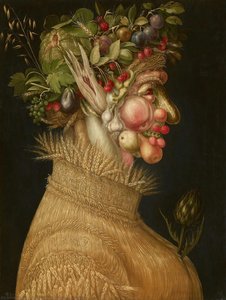
Giuseppe Arcimboldo (1527 – 1593), an Italian Mannerist painter, stands apart from his contemporaries not merely for stylistic innovation but for a profound engagement with the intellectual currents of his time—specifically, Neo-Platonism and the burgeoning fascination with natural science. Born in Milan during a period marked by papal ambition and artistic experimentation, Arcimboldo’s career unfolded against a backdrop of transformative change, propelling him to prominence as court painter for three Holy Roman Emperors: Maximilian I, Philip II, and Rudolf II—a testament to his ability to capture the zeitgeist and translate complex ideas into visually arresting imagery. While initially recognized for traditional portraits adhering to established conventions, Arcimboldo swiftly distinguished himself through a revolutionary approach – crafting composite heads entirely from meticulously arranged objects: fruits, vegetables, flowers, fish, musical instruments, and even books—a technique that continues to fascinate scholars and artists alike.- The Composite Head Technique: Arcimboldo’s method wasn't simply about clever visual illusion; it represented a deliberate challenge to conventional artistic representation. Rather than depicting the human face in its idealized form, he disassembled it into constituent parts—symbols of nature—creating an image that simultaneously honored classical ideals and reflected the scientific curiosity of the Renaissance.
- Symbolism Rooted in Neo-Platonism: Arcimboldo’s works resonate deeply with Neo-Platonic philosophy, which sought to reconcile pagan mythology with Christian theology by interpreting symbols as reflections of divine truths. Each element within a portrait—the fruits representing fertility and abundance, the flowers symbolizing beauty and virtue—carried specific allegorical meanings intended to convey profound spiritual concepts.
- Court Patronage & Rudolf II’s Vision: Arcimboldo's success stemmed largely from his patronage by Rudolf II, Holy Roman Emperor, who championed a humanist worldview characterized by intellectual exploration and artistic splendor. Rudolf II’s fascination with alchemy, astrology, and natural history mirrored Arcimboldo’s own stylistic ambition—to transcend mere imitation of nature and to express its underlying harmony and order.
Vertumnus: A Masterpiece of Illusion and Allegory
Among Arcimboldo's most celebrated achievements is Vertumnus (1591), an oil painting commissioned by Rudolf II that exemplifies the artist’s mastery of illusionistic technique and symbolic representation. The portrait depicts Rudolf II as a human face constructed from meticulously arranged fruits, vegetables, flowers, and musical instruments—a deliberate homage to the Roman god Vertumnus, whose name translates to “turning” or “changing,” reflecting the cyclical rhythms of nature and mirroring Rudolf II’s belief in the interconnectedness of all things. The composition is remarkably balanced, with each element carefully positioned to contribute to the overall impression of serenity and intellectual contemplation.- Illusionistic Detail: Arcimboldo achieved his breathtaking effect through painstaking layering of paint—a technique known as glazing—creating a shimmering surface that captures the subtle nuances of light and color. The artist’s meticulous attention to detail ensured that each fruit, vegetable, and instrument appeared convincingly integrated into the portrait's form.
- The God Vertumnus & Rudolf II’s Ideal: Arcimboldo’s choice of imagery—specifically Vertumnus—was not arbitrary but deliberately symbolic. The god Vertumnus represented transformation and renewal, mirroring Rudolf II’s aspiration to embody the virtues of wisdom, justice, and compassion—qualities he believed essential for governing his realm effectively.
- A Reflection of Renaissance Thought: Vertumnus stands as a powerful emblem of the Renaissance humanist spirit—a conviction that human reason could illuminate the mysteries of the cosmos and that art could serve as a conduit for conveying profound philosophical ideas.
Beyond Illusion: Arcimboldo’s Artistic Legacy
Giuseppe Arcimboldo's influence extends far beyond his own lifetime, shaping subsequent artistic trends and inspiring generations of artists to explore innovative visual strategies. His pioneering use of composite portraits established a precedent for manipulating perspective and creating imaginative representations that defied conventional conventions—a legacy that continues to resonate in contemporary art practice. Furthermore, Arcimboldo’s unwavering commitment to capturing the essence of his subject matter through symbolic imagery solidified his position as one of the foremost artists of the Mannerist movement—a period characterized by stylistic experimentation and a preoccupation with psychological depth.- Influence on Later Artists: Arcimboldo's technique served as an inspiration for artists like Rembrandt and Diego Velázquez, who similarly employed illusionistic techniques to convey emotion and psychological complexity in their portraits.
- The Mannerist Aesthetic: Arcimboldo’s work embodies the core tenets of Mannerism—a stylistic movement that prioritized expressive distortion over naturalistic representation—marking a decisive break from the idealized beauty of High Renaissance art.
- Enduring Relevance: Today, Arcimboldo's portraits continue to captivate audiences with their arresting visual impact and their profound intellectual depth—testaments to his enduring artistic genius and his ability to transcend temporal boundaries.
Discovering Arcimboldo’s Art Today
Reproductions of Arcimboldo’s masterpieces can be found in prestigious museums worldwide, including the Kunsthistorisches Museum in Vienna and the Louvre in Paris—a testament to their enduring artistic merit. Explore stunning prints and canvases that capture the vibrancy of color and the meticulous detail characteristic of his original paintings—bringing the visionary spirit of Giuseppe Arcimboldo into your home or gallery space.प्रश्न और उत्तर
ग्यूसेप्पे आर्किंबोल्डो द्वारा "Nature studies" में क्या दर्शाया गया है, और इसका भाव कैसा है?
ग्यूसेप्पे आर्किंबोल्डो द्वारा "Nature studies" में composite head, fruits, animals, renaissance, symbolism, decorative art, habsburg court का चित्रण एक Calm भाव के साथ किया गया है। विषय और वातावरण मिलकर इस कृति का वर्णन करते हैं।
"Nature studies" किस कलाकार की रचना है?
"Nature studies" का श्रेय ग्यूसेप्पे आर्किंबोल्डो को दिया जाता है।
घर के किस हिस्से में "Nature studies" की प्रतिकृति (reproduction) अच्छी लगेगी?
ग्यूसेप्पे आर्किंबोल्डो द्वारा "Nature studies" के लिए Living Room की अनुशंसा की जाती है। यह सुझाव कलाकृति के विषय, रंगों और भाव पर आधारित है।
कलाकार का परिचय
गिउसेप्पे आर्किमबोल्डो: एक अनोखी कल्पना का संसार
गिउसेप्पे आर्किमबोल्डो (1527-1593) पुनर्जागरण कला के सबसे विलक्षण और रहस्यमय कलाकारों में से एक थे। मिलान, इटली में जन्मे, उनका करियर बौद्धिक उथल-पुथल, धार्मिक परिवर्तन और प्राकृतिक दुनिया के प्रति अटूट जिज्ञासा के दौर में आकार लिया। आर्किमबोल्डो को शुरू में अधिक पारंपरिक कार्यों के लिए पहचाना गया था - गिरजाघरों की दीवारों पर भित्तिचित्र और स्थापित शाही मानकों का पालन करने वाले चित्र। लेकिन उनकी स्थायी विरासत वस्तुओं से निर्मित समग्र सिरों की एक श्रृंखला पर टिकी हुई है: फल, सब्जियां, फूल, किताबें, यहां तक कि संगीत वाद्ययंत्र भी। ये महज चंचल दृश्य चालें नहीं थीं; वे जटिल रूपक थे, जो पुनर्जागरण विश्वदृष्टि के भीतर गहराई से प्रतिध्वनित होने वाले प्रतीकवाद से भरे हुए थे और आज भी दर्शकों को मोहित करते हैं। उनके पिता, बियागियो आर्किमबोल्डो, स्वयं एक कलाकार थे, जिन्होंने युवा गिउसेप्पे को प्रारंभिक कला प्रशिक्षण प्रदान किया था और संभवतः 1549 के आसपास मिलान कैथेड्रल में सना हुआ ग्लास खिड़कियों और भित्तिचित्रों पर उनकी शुरुआती प्रवेश को प्रभावित किया था। इस मूलभूत अनुभव ने उनके तकनीकी कौशल और विस्तार की ओर ध्यान को निखारा - जो बाद में उनकी अधिक अपरंपरागत रचनाओं की पहचान बन गए।शाही संरक्षण और एक अद्वितीय शैली का उदय
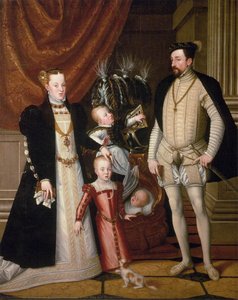
आर्किमबोल्डो के प्रक्षेपवक्र में 1562 में वियना, हैब्सबर्ग दरबार में फर्डिनेंड प्रथम के अदालत चित्रकार के रूप में नियुक्ति के साथ महत्वपूर्ण मोड़ आया। यह तीन लगातार हैब्सबर्ग शासकों - मैक्सिमिलियन द्वितीय और उनके पुत्र रुडोल्फ द्वितीय - के लिए दो दशकों से अधिक समय तक एक कला बहुज्ञ के रूप में सेवा करने की शुरुआत थी। चित्रों को चित्रित करने के अलावा - हालांकि इन चित्रों में भी सूक्ष्म विचित्रताएं थीं - आर्किमबोल्डो के कर्तव्यों में पोशाक डिजाइन, उत्सव सजावट और शाही संग्रहों का आयोजन शामिल था। इसी परिष्कृत स्वाद और बौद्धिक जिज्ञासा के माहौल में उनकी हस्ताक्षर शैली खिलने लगी। दरबार की नवीनता और तमाशे की मांग ने प्रयोग के लिए उपजाऊ जमीन प्रदान की, जिससे उन्हें पारंपरिक चित्रकला से परे उनके प्रसिद्ध "समग्र सिर" बनाने की अनुमति मिली। ये अचानक आवेग से नहीं जन्मे थे, बल्कि धीरे-धीरे विकसित हुए थे, पहेलियों, पहेलियों और प्रतीत होने वाली साधारण वस्तुओं के भीतर छिपे अर्थों की खोज में पुनर्जागरण आकर्षण का निर्माण किया था। पहले कलाकारों के प्रभाव जिनका *ट्रोम्पे ल'ओइल* प्रभावों और विकृत दृष्टिकोण के साथ प्रयोग किया गया था, का पता लगाया जा सकता है, फिर भी आर्किमबोल्डो ने इन तत्वों को पूरी तरह से अपने स्वयं के - एक अद्वितीय दृश्य भाषा में संश्लेषित किया जो प्रतिनिधित्व की पारंपरिक धारणाओं को चुनौती देती थी।प्रतीकवाद को समझना: आंख से परे
आर्किमबोल्डो के काम को केवल सनकीपन के रूप में खारिज करना उनकी गहरी बौद्धिक गहराई को अनदेखा करना है। उनके समग्र चित्रों के भीतर प्रत्येक वस्तु को सावधानीपूर्वक चुना गया था, जो विषय के चरित्र, पेशे या सामाजिक स्थिति से संबंधित प्रतीकात्मक अर्थों से भरी हुई थी। उदाहरण के लिए, *पुस्तकालयाध्यक्ष* केवल एक चेहरा नहीं है जो पुस्तकों से बना है; यह विद्वानों की सूक्ष्म आलोचना है - उन लोगों पर एक टिप्पणी जो सामग्री के साथ वास्तव में जुड़ने के बिना ज्ञान जमा करते हैं। दाढ़ी बनाने वाली पशु पूंछ धूल झाड़ू का प्रतिनिधित्व करती है, जो अलमारियों पर धूल इकट्ठा हो रही उपेक्षित संस्करणों को इंगित करती है। इसी तरह, उनके ऋतुओं के चित्र - विशेष रूप से *वर्टमनस*, सम्राट रुडोल्फ द्वितीय को बगीचों और परिवर्तन के रोमन देवता के रूप में चित्रित करते हैं - वनस्पति प्रतीकवाद में समृद्ध हैं, जो सम्राट के विज्ञान और प्राकृतिक इतिहास के संरक्षण को दर्शाते हैं। ये तुरंत समझने का इरादा नहीं था; वे चिंतन को उकसाने के लिए डिज़ाइन किए गए थे, जिससे दर्शकों को प्रतीत होने वाली चंचल व्यवस्था के भीतर छिपे अर्थों की परतों को उजागर करने के लिए आमंत्रित किया गया था। पदार्थ से मानव समानता का निर्माण करने का कार्य ही सभी चीजों के अंतर्संबंध पर एक ध्यान था - पुनर्जागरण नवप्लेटोनिज़्म में ब्रह्मांड की अंतर्निहित सद्भाव में विश्वास का प्रतिबिंब।विरासत और पुनर्खोज: अतियथार्थवाद का अग्रदूत
अपने जीवनकाल के दौरान उनकी सफलता के बावजूद, आर्किमबोल्डो की प्रतिष्ठा 1593 में उनकी मृत्यु के बाद सदियों तक कम हो गई। उनके काम को अक्सर जिज्ञासाओं के दायरे में धकेल दिया गया था - तकनीकी कौशल के लिए सराहा गया लेकिन गंभीर कलात्मक योग्यता का अभाव माना गया। 20 वीं शताब्दी तक उनकी कला के प्रति एक नया प्रशंसा नहीं उभरा, जो अतियथार्थवाद के उदय से प्रेरित था। साल्वाडोर डाली जैसे कलाकारों ने आर्किमबोल्डो को एक समान आत्मा के रूप में पहचाना - एक दूरदर्शी जिसने पारंपरिक धारणाओं को चुनौती देने और अप्रत्याशित छवियों के माध्यम से अवचेतन का पता लगाने की हिम्मत की थी। डाली की अपनी स्वप्निल रचनाओं और परिवर्तन और भ्रम के आकर्षण में आर्किमबोल्डो का प्रभाव देखा जा सकता है। आज, आर्किमबोल्डो को कला इतिहास में एक महत्वपूर्ण व्यक्ति के रूप में मनाया जाता है - अतियथार्थवाद का अग्रदूत जिसका नवीन प्रतीकवाद और चंचल विरूपण दुनिया भर के कलाकारों को प्रेरित करना जारी रखता है। उनकी पेंटिंग वियना के कुन्स्टहिस्टोरिस्चेस संग्रहालय और पेरिस के लौवर जैसे प्रतिष्ठित संग्रहालयों में रखी गई हैं, यह सुनिश्चित करते हुए कि उनकी अनूठी दृष्टि आने वाली पीढ़ियों तक गूंजती रहेगी। उनकी विरासत कल्पना की स्थायी शक्ति और हमारे आसपास की दुनिया को बदलने की कला की क्षमता का प्रमाण है।
ग्यूसेप्पे आर्किंबोल्डो
1527 - 1593 , इटली
संक्षिप्त जानकारी
- Artistic Movement Or Style: मैनरिज्म, अतियथार्थवाद
- Artists Or Movements Influenced By This Artist:
- साल्वाडोर डाली
- अतियथार्थवाद
- Date Of Birth: 5 अप्रैल 1527
- Date Of Death: 11 जुलाई 1593
- Full Name: गिउसेप्पे आर्किमबोल्डो
- Nationality: इतालवी
- Notable Artworks (List Of Titles):
- फ्लोरल स्टिल लाइफ
- चार मौसम
- वर्टमनस
- लाइब्रेरियन
- Place Of Birth (City And Country): मिलान, इटली
संबंधित लेखों की सूची

Victorian Botanical Painting: Science, Art & Aesthetic Sensibility
Explore the exquisite world of Victorian botanical art! Discover the science & artistry behind stunning floral illustrations by Gould, Muckley & more. Learn about collecting, value & investment at OriginalUniqueArt.
The Delicate Beauty of Botanical Realism: Capturing Nature's True Essence through the Lens of Art History
Explore the exquisite world of botanical realism. From scientific precision to Impressionist light, discover how master artists capture nature's true essence through timeless, hand-painted oil reproductions and historical insights for the discerning art lover.
Victorian Botanical Art: A Professional Guide to Sourcing Timeless Floral Reproductions for Luxury Hotel Interiors
Elevate hospitality interiors with premium Victorian botanical art reproductions. A professional guide for hotel designers on sourcing hand-painted oils and large-scale murals, featuring expert procurement advice, bulk ordering, and reliable global logistics for luxury spaces.
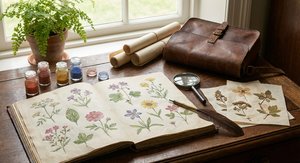
The Flourishing Canvas: A Historical Journey Through Botanical Illustration
Explore the captivating history of botanical illustration! Discover renowned artists like Robert Havell & Mary Walcott, learn about techniques, and find museum-quality art at OriginalUniqueArt.com.
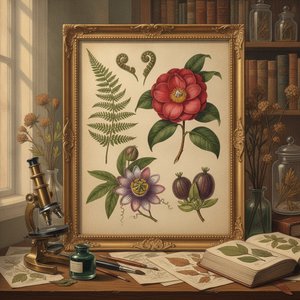
The Timeless Elegance of Victorian Botanical Painting: A Journey Through Nature's Intricate Detail and Scientific Artistry
Discover the exquisite world of Victorian botanical painting, where scientific precision meets profound aesthetic grace. Explore a journey through nature's intricate details, from legendary illustrators to the untamed beauty of Marianne North’s vibrant floral masterpieces.