पूर्वावलोकन देखें
 भेजें
भेजें साझा करें
 विवरण देखें
 मार्गदर्शिका

 डाउनलोड करें
 समान वस्तुएं
 एक्स-रे
 स्लाइड शो देखें
 आंकड़े
Nature studies


 और पढ़ें
गिक्ली / आर्ट प्रिंट
तेज़ उत्पादन और विभिन्न फिनिश विकल्पों के साथ म्यूजियम-क्वालिटी गिकली (giclée) या कैनवस प्रिंट। ( हाथ से बनी पेंटिंग खरीदें डिजिटल इमेज पर जाएँ)




P118B ₹10

P118H ₹10

P118W ₹10

P438Z ₹10

P508JH ₹12

P508YH ₹12

P805H ₹10

P805Z ₹10

P919BZ ₹10

P919G ₹10

P919XJ ₹10

P959ZH ₹10

P968JZ ₹12

W106C ₹8

W218G ₹10

W218JH ₹8

W218Y ₹10

W307PJ ₹10

W316G ₹10

W316PJ ₹8

W316Y ₹10

W398PJ ₹8

W4111J ₹10

W500HY ₹15

W500JH ₹15

W692G ₹12

W849H ₹8

W940BG ₹15

W953PJ ₹8




कलाकृति के मूल अनुपात से मेल खाने वाले हमारे पूर्व निर्धारित आकारों में से चुनें।

अपने फ्रेम या अपनी दीवार के अनुसार आवश्यक चौड़ाई और ऊंचाई दर्ज करें। प्रिंट को केवल काटा जा सकता है, चित्र से बड़ा कभी नहीं बनाया जा सकता, इसलिए अलग आकार का साइज चित्र का एक हिस्सा खो देता है। किसी भी चीज़ को प्रिंट करने से पहले हम आपकी स्वीकृति के लिए आपको एक डिजिटल मॉकअप भेजते हैं। इस पृष्ठ पर दिखाया गया चित्र वास्तविक कटिंग नहीं दिखाता है — केवल मॉकअप ही इसे दर्शाता है।
विश्वव्यापी डिलीवरी (), मानक 4/5 सप्ताह के बजाय मात्र 2 सप्ताह में। (26 अक्टूबर)

दुनिया भर में मुफ़्त एक्सप्रेस शिपिंग

प्रीमियम ग्रेड लिनेन कैनवास

पूर्ण शिपिंग बीमा

सीमा शुल्क और आयात कर वापसी की गारंटी

सटीक रंग मिलान की गारंटी

100 दिनों की वापसी नीति (केवल निर्माण दोष होने पर)

100% पैसे वापसी की गारंटी

थोक छूट का अवसर
 ग्लास का विकल्प केवल 110 सेमी से कम आकार में ही उपलब्ध है।

Nature studies
गिक्ली / आर्ट प्रिंट
प्रतिकृति का आकार
-


कुल मूल्य
₹ 7675
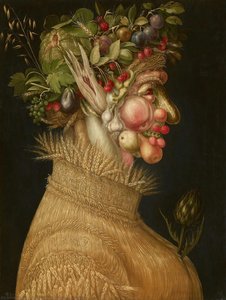
A Portrait of Paradox: Exploring Giuseppe Arcimboldo’s “Nature Studies”
The Austrian Nationalbibliothek holds within its walls a masterpiece that defies easy categorization—Giuseppe Arcimboldo's "Nature Studies," completed in 1591. More than just a painting, it is an audacious statement about the Renaissance preoccupation with symbolism and a testament to Arcimboldo’s unparalleled artistic vision. At first glance, the artwork presents itself as a portrait of Rudolf II, Holy Roman Emperor—a figure known for his eccentric tastes and patronage of the arts. However, upon closer inspection, this illusion dissolves into a breathtaking spectacle: a head composed entirely of meticulously arranged fruits, vegetables, flowers, books, and musical instruments. This seemingly frivolous technique belied a profound intellectual underpinning. Arcimboldo’s collaborators initially dismissed Vertumnus as scherzo, or jest—a playful diversion from the solemn conventions of portraiture—yet Arcimboldo deliberately incorporated these elements to convey complex political messages. The selection itself was carefully considered, referencing the Roman god Vertumnus, associated with autumn and fertility, a deliberate nod to Rudolf II’s desire for prosperity and stability during a turbulent period marked by religious conflict and dynastic uncertainty. Each item contributes to an overarching narrative of transformation and renewal—a visual embodiment of Arcimboldo's belief in the interconnectedness of nature and human intellect. Arcimboldo’s mastery lay not merely in his ability to assemble disparate objects into a cohesive image but also in his meticulous execution. Employing oil paint on wood panel, he achieved remarkable realism through painstaking layering and blending—a technique honed over decades of artistic practice. The artist's attention to detail is evident in the subtle variations of color and texture, capturing the essence of each element with astonishing accuracy. From the velvety sheen of ripe peaches to the delicate petals of pink blossoms, Arcimboldo’s brushstrokes convey a palpable sense of immediacy and observation. The historical context surrounding “Nature Studies” illuminates its significance within the broader artistic landscape of the Renaissance. Rudolf II's reign witnessed an explosion of creativity fueled by humanist ideals and scientific advancements—a period characterized by a fervent embrace of classical learning and a fascination with the natural world. Arcimboldo’s work perfectly encapsulates these trends, reflecting the prevailing belief that art could serve as a vehicle for conveying moral and philosophical truths. It stands alongside other ambitious composite portraits produced during Rudolf II's era, demonstrating the emperor’s commitment to fostering artistic innovation and elevating the visual arts to new heights of sophistication. Ultimately, “Nature Studies” transcends its formal constraints—a portrait transformed into an emblem of intellectual curiosity and spiritual contemplation—leaving a lasting impression on viewers centuries later. Its enduring appeal stems from its ability to provoke wonder and inspire reflection—challenging us to reconsider our understanding of art, symbolism, and the human condition. It remains a captivating reminder that beauty can be found in unexpected places and that true genius lies in the capacity to reimagine reality through inventive artistic expression.प्रश्न और उत्तर
ग्यूसेप्पे आर्किंबोल्डो द्वारा "Nature studies" के रंगों के साथ कौन सा स्थान मेल खाता है?
ग्यूसेप्पे आर्किंबोल्डो द्वारा "Nature studies" के Neutrals रंग इसके अनुशंसित स्थान: एक Living Room के साथ मेल खाते हैं।
मुझे "Nature studies" के लिए गाइड कहाँ मिल सकती है?
"Nature studies" के लिए गाइड इस कलाकृति का मार्गदर्शिका पेज है - एक प्रिंट करने योग्य फैक्टशीट जो कलाकृति को उसके कैप्शन, क्रेडिट लाइन और पहचान तालिका (कलाकार, तिथियां, माध्यम, मूल आकार, संग्रह) के साथ प्रदर्शित करती है।
"Nature studies" में माध्यम और गति का संयोजन किस प्रकार हुआ है?
ग्यूसेप्पे आर्किंबोल्डो द्वारा "Nature studies", Acrylic On Canvas तकनीक को Mannerism शैली के साथ जोड़ता है। तकनीक और आंदोलन कलाकृति के निर्माण और उसकी शैली का वर्णन करते हैं।
कलाकार का परिचय
गिउसेप्पे आर्किमबोल्डो: एक अनोखी कल्पना का संसार
गिउसेप्पे आर्किमबोल्डो (1527-1593) पुनर्जागरण कला के सबसे विलक्षण और रहस्यमय कलाकारों में से एक थे। मिलान, इटली में जन्मे, उनका करियर बौद्धिक उथल-पुथल, धार्मिक परिवर्तन और प्राकृतिक दुनिया के प्रति अटूट जिज्ञासा के दौर में आकार लिया। आर्किमबोल्डो को शुरू में अधिक पारंपरिक कार्यों के लिए पहचाना गया था - गिरजाघरों की दीवारों पर भित्तिचित्र और स्थापित शाही मानकों का पालन करने वाले चित्र। लेकिन उनकी स्थायी विरासत वस्तुओं से निर्मित समग्र सिरों की एक श्रृंखला पर टिकी हुई है: फल, सब्जियां, फूल, किताबें, यहां तक कि संगीत वाद्ययंत्र भी। ये महज चंचल दृश्य चालें नहीं थीं; वे जटिल रूपक थे, जो पुनर्जागरण विश्वदृष्टि के भीतर गहराई से प्रतिध्वनित होने वाले प्रतीकवाद से भरे हुए थे और आज भी दर्शकों को मोहित करते हैं। उनके पिता, बियागियो आर्किमबोल्डो, स्वयं एक कलाकार थे, जिन्होंने युवा गिउसेप्पे को प्रारंभिक कला प्रशिक्षण प्रदान किया था और संभवतः 1549 के आसपास मिलान कैथेड्रल में सना हुआ ग्लास खिड़कियों और भित्तिचित्रों पर उनकी शुरुआती प्रवेश को प्रभावित किया था। इस मूलभूत अनुभव ने उनके तकनीकी कौशल और विस्तार की ओर ध्यान को निखारा - जो बाद में उनकी अधिक अपरंपरागत रचनाओं की पहचान बन गए।शाही संरक्षण और एक अद्वितीय शैली का उदय
आर्किमबोल्डो के प्रक्षेपवक्र में 1562 में वियना, हैब्सबर्ग दरबार में फर्डिनेंड प्रथम के अदालत चित्रकार के रूप में नियुक्ति के साथ महत्वपूर्ण मोड़ आया। यह तीन लगातार हैब्सबर्ग शासकों - मैक्सिमिलियन द्वितीय और उनके पुत्र रुडोल्फ द्वितीय - के लिए दो दशकों से अधिक समय तक एक कला बहुज्ञ के रूप में सेवा करने की शुरुआत थी। चित्रों को चित्रित करने के अलावा - हालांकि इन चित्रों में भी सूक्ष्म विचित्रताएं थीं - आर्किमबोल्डो के कर्तव्यों में पोशाक डिजाइन, उत्सव सजावट और शाही संग्रहों का आयोजन शामिल था। इसी परिष्कृत स्वाद और बौद्धिक जिज्ञासा के माहौल में उनकी हस्ताक्षर शैली खिलने लगी। दरबार की नवीनता और तमाशे की मांग ने प्रयोग के लिए उपजाऊ जमीन प्रदान की, जिससे उन्हें पारंपरिक चित्रकला से परे उनके प्रसिद्ध "समग्र सिर" बनाने की अनुमति मिली। ये अचानक आवेग से नहीं जन्मे थे, बल्कि धीरे-धीरे विकसित हुए थे, पहेलियों, पहेलियों और प्रतीत होने वाली साधारण वस्तुओं के भीतर छिपे अर्थों की खोज में पुनर्जागरण आकर्षण का निर्माण किया था। पहले कलाकारों के प्रभाव जिनका *ट्रोम्पे ल'ओइल* प्रभावों और विकृत दृष्टिकोण के साथ प्रयोग किया गया था, का पता लगाया जा सकता है, फिर भी आर्किमबोल्डो ने इन तत्वों को पूरी तरह से अपने स्वयं के - एक अद्वितीय दृश्य भाषा में संश्लेषित किया जो प्रतिनिधित्व की पारंपरिक धारणाओं को चुनौती देती थी।प्रतीकवाद को समझना: आंख से परे
आर्किमबोल्डो के काम को केवल सनकीपन के रूप में खारिज करना उनकी गहरी बौद्धिक गहराई को अनदेखा करना है। उनके समग्र चित्रों के भीतर प्रत्येक वस्तु को सावधानीपूर्वक चुना गया था, जो विषय के चरित्र, पेशे या सामाजिक स्थिति से संबंधित प्रतीकात्मक अर्थों से भरी हुई थी। उदाहरण के लिए, *पुस्तकालयाध्यक्ष* केवल एक चेहरा नहीं है जो पुस्तकों से बना है; यह विद्वानों की सूक्ष्म आलोचना है - उन लोगों पर एक टिप्पणी जो सामग्री के साथ वास्तव में जुड़ने के बिना ज्ञान जमा करते हैं। दाढ़ी बनाने वाली पशु पूंछ धूल झाड़ू का प्रतिनिधित्व करती है, जो अलमारियों पर धूल इकट्ठा हो रही उपेक्षित संस्करणों को इंगित करती है। इसी तरह, उनके ऋतुओं के चित्र - विशेष रूप से *वर्टमनस*, सम्राट रुडोल्फ द्वितीय को बगीचों और परिवर्तन के रोमन देवता के रूप में चित्रित करते हैं - वनस्पति प्रतीकवाद में समृद्ध हैं, जो सम्राट के विज्ञान और प्राकृतिक इतिहास के संरक्षण को दर्शाते हैं। ये तुरंत समझने का इरादा नहीं था; वे चिंतन को उकसाने के लिए डिज़ाइन किए गए थे, जिससे दर्शकों को प्रतीत होने वाली चंचल व्यवस्था के भीतर छिपे अर्थों की परतों को उजागर करने के लिए आमंत्रित किया गया था। पदार्थ से मानव समानता का निर्माण करने का कार्य ही सभी चीजों के अंतर्संबंध पर एक ध्यान था - पुनर्जागरण नवप्लेटोनिज़्म में ब्रह्मांड की अंतर्निहित सद्भाव में विश्वास का प्रतिबिंब।विरासत और पुनर्खोज: अतियथार्थवाद का अग्रदूत
अपने जीवनकाल के दौरान उनकी सफलता के बावजूद, आर्किमबोल्डो की प्रतिष्ठा 1593 में उनकी मृत्यु के बाद सदियों तक कम हो गई। उनके काम को अक्सर जिज्ञासाओं के दायरे में धकेल दिया गया था - तकनीकी कौशल के लिए सराहा गया लेकिन गंभीर कलात्मक योग्यता का अभाव माना गया। 20 वीं शताब्दी तक उनकी कला के प्रति एक नया प्रशंसा नहीं उभरा, जो अतियथार्थवाद के उदय से प्रेरित था। साल्वाडोर डाली जैसे कलाकारों ने आर्किमबोल्डो को एक समान आत्मा के रूप में पहचाना - एक दूरदर्शी जिसने पारंपरिक धारणाओं को चुनौती देने और अप्रत्याशित छवियों के माध्यम से अवचेतन का पता लगाने की हिम्मत की थी। डाली की अपनी स्वप्निल रचनाओं और परिवर्तन और भ्रम के आकर्षण में आर्किमबोल्डो का प्रभाव देखा जा सकता है। आज, आर्किमबोल्डो को कला इतिहास में एक महत्वपूर्ण व्यक्ति के रूप में मनाया जाता है - अतियथार्थवाद का अग्रदूत जिसका नवीन प्रतीकवाद और चंचल विरूपण दुनिया भर के कलाकारों को प्रेरित करना जारी रखता है। उनकी पेंटिंग वियना के कुन्स्टहिस्टोरिस्चेस संग्रहालय और पेरिस के लौवर जैसे प्रतिष्ठित संग्रहालयों में रखी गई हैं, यह सुनिश्चित करते हुए कि उनकी अनूठी दृष्टि आने वाली पीढ़ियों तक गूंजती रहेगी। उनकी विरासत कल्पना की स्थायी शक्ति और हमारे आसपास की दुनिया को बदलने की कला की क्षमता का प्रमाण है।
ग्यूसेप्पे आर्किंबोल्डो
1527 - 1593 , इटली
संक्षिप्त जानकारी
- Artistic Movement Or Style: मैनरिज्म, अतियथार्थवाद
- Artists Or Movements Influenced By This Artist:
- साल्वाडोर डाली
- अतियथार्थवाद
- Date Of Birth: 5 अप्रैल 1527
- Date Of Death: 11 जुलाई 1593
- Full Name: गिउसेप्पे आर्किमबोल्डो
- Nationality: इतालवी
- Notable Artworks (List Of Titles):
- फ्लोरल स्टिल लाइफ
- चार मौसम
- वर्टमनस
- लाइब्रेरियन
- Place Of Birth (City And Country): मिलान, इटली
संबंधित लेखों की सूची

The Enduring Form: Sculpture Across History, Technique & Emotional Resonance
Explore the rich history of sculpture with OriginalUniqueArt. Discover key techniques, influential artists & investment potential for discerning collectors. Expert insights into valuing and collecting timeless masterpieces.
कला में पशु-प्रतीकवाद: आंतरिक सजावट में जीवन और संस्कृति का समावेश
कला में पशु-प्रतीकवाद के गहन अर्थ जानें। भारतीय और पश्चिमी कला परंपराओं से प्रेरणा लें और अपने घर को OriginalUniqueArt की उच्च गुणवत्ता वाली हस्तनिर्मित पेंटिंग से सजाएं। विशेषज्ञ मार्गदर्शन उपलब्ध।

Bronze Sculptures That Defined Art History | OriginalUniqueArt
Journey through art history with our Top 10 bronze sculptures! Explore masterpieces by Rodin, Michelangelo & more. Discover stories behind iconic statues and find museum-quality reproductions for your home decor at OriginalUniqueArt.com.

Bronze Age to Modern Masters: 10 Sculptures That Redefined Art | OriginalUniqueArt
Journey through art history with 10 legendary bronze sculptures – from Michelangelo's David to Rodin’s Thinker. Explore the stories, techniques & timeless beauty of these masterpieces. Find museum-quality reproductions & elevate your home decor on OriginalUniqueArt.com.

The Enduring Form: Exploring Themes & Techniques in Sculpture Across Historical Periods
Explore the rich history of sculpture from ancient masterpieces to contemporary innovations. Discover key techniques, influential artists & investment potential for discerning art collectors.