
 पूर्वावलोकन देखें
 साझा करें
 साझा करें
 विस्तृत विवरण
 मार्गदर्शिका

 डाउनलोड करें
 समान वस्तुएं
 एक्स-रे
 स्लाइड शो देखें
 प्रश्न और उत्तर
 आंकड़े
Nature studies (14)


 पूरा देखें
गिक्ली / आर्ट प्रिंट
तेज़ उत्पादन और विभिन्न फिनिश विकल्पों के साथ म्यूजियम-क्वालिटी गिकली (giclée) या कैनवस प्रिंट। ( इस संग्रहणीय वस्तु की हाथ से बनी प्रतिकृति मंगवाएं डिजिटल इमेज पर स्विच करें)




P118B ₹10

P118H ₹10

P118W ₹10

P438Z ₹10

P508JH ₹12

P508YH ₹12

P805H ₹10

P805Z ₹10

P919BZ ₹10

P919G ₹10

P919XJ ₹10

P959ZH ₹10

P968JZ ₹12

W106C ₹8

W218G ₹10

W218JH ₹8

W218Y ₹10

W307PJ ₹10

W316G ₹10

W316PJ ₹8

W316Y ₹10

W398PJ ₹8

W4111J ₹10

W500HY ₹15

W500JH ₹15

W692G ₹12

W849H ₹8

W940BG ₹15

W953PJ ₹8




कलाकृति के मूल अनुपात से मेल खाने वाले हमारे पूर्व निर्धारित आकारों में से चुनें।

अपने फ्रेम या अपनी दीवार के अनुसार आवश्यक चौड़ाई और ऊंचाई दर्ज करें। प्रिंट को केवल काटा जा सकता है, चित्र से बड़ा कभी नहीं बनाया जा सकता, इसलिए अलग आकार का साइज चित्र का एक हिस्सा खो देता है। किसी भी चीज़ को प्रिंट करने से पहले हम आपकी स्वीकृति के लिए आपको एक डिजिटल मॉकअप भेजते हैं। इस पृष्ठ पर दिखाया गया चित्र वास्तविक कटिंग नहीं दिखाता है — केवल मॉकअप ही इसे दर्शाता है।
विश्वव्यापी डिलीवरी (), मानक 4/5 सप्ताह के बजाय मात्र 2 सप्ताह में। (9 नवमबर)

दुनिया भर में मुफ़्त एक्सप्रेस शिपिंग

उच्च गुणवत्ता वाला लिनेन कैनवास

पूर्ण शिपिंग बीमा

सीमा शुल्क और आयात कर वापसी की गारंटी

सटीक रंग मिलान की गारंटी

100 दिनों की वापसी नीति (केवल दोष होने पर)

100% पैसे वापसी की गारंटी

थोक छूट का अवसर
 ग्लास का विकल्प केवल 110 सेमी से कम आकार में ही उपलब्ध है।

Nature studies (14)
गिक्ली / आर्ट प्रिंट
प्रतिकृति का आकार
-


कुल देय राशि
₹ 7854
Giuseppe Arcimboldo: A Renaissance Vision of Nature
Giuseppe Arcimboldo’s portraits are not merely depictions of individuals; they are elaborate visual puzzles that invite contemplation and reward careful observation. Born in Milan in 1527, Arcimboldo defied convention by crafting his masterpieces from meticulously arranged fruits, vegetables, flowers, books, and musical instruments—a technique that cemented his place as one of the most singular figures of the Renaissance.
- The Surreal Approach: Unlike traditional portraiture which aimed for realistic likeness, Arcimboldo embraced a deliberately fantastical aesthetic. He skillfully manipulated perspective and shading to create composite heads that seemed simultaneously familiar and utterly otherworldly.
- Symbolic Language: Each element within Arcimboldo’s portraits carried profound symbolic weight. Fruits represented fertility and abundance, vegetables symbolized vitality and growth, flowers conveyed beauty and grace, books signified intellect and knowledge, and musical instruments alluded to harmony and artistic expression.
- Renaissance Ideals: Arcimboldo's work reflects the humanist spirit of the Renaissance—a fascination with classical learning, a belief in human potential, and an appreciation for the natural world. He drew inspiration from ancient allegories and myths, transforming them into innovative visual narratives.
Consider “Vertumnus,” Arcimboldo’s iconic depiction of Holy Roman Emperor Rudolf II. The portrait is dominated by a meticulously constructed head composed of fruits—apples, pears, plums—representing the seasons and embodying the emperor's regal authority. The artist’s masterful use of color and texture elevates the image beyond mere assemblage; it becomes a testament to Arcimboldo’s artistic genius and his ability to communicate complex ideas through deceptively simple forms.
Arcimboldo’s influence extends far beyond the confines of his own time, inspiring artists throughout subsequent centuries. His pioneering approach to portraiture continues to captivate audiences today, reminding us that art can transcend boundaries of convention and offer glimpses into deeper truths about human nature and the beauty of the natural world.
- Technique: Arcimboldo employed watercolor as his primary medium, layering translucent washes of pigment to achieve remarkable depth and luminosity. This technique allowed him to capture subtle variations in color and texture—essential for conveying the organic qualities of his subjects.
- Historical Context: Arcimboldo’s work flourished during a period of intellectual upheaval—the Renaissance—characterized by renewed interest in classical art and philosophy, and by groundbreaking discoveries in science and anatomy. His portraits stand as emblems of this era's humanist ideals.
The Austrian Nationalbibliothek holds a remarkable collection of Arcimboldo’s paintings, offering visitors an unparalleled opportunity to experience the transformative power of his visionary artistry.
प्रश्न और उत्तर
ग्यूसेप्पे आर्किंबोल्डो द्वारा "Nature studies (14)" की विशेषता बताने वाली तकनीक और शैली क्या है?
"Nature studies (14)" में, Acrylic On Canvas तकनीक और Renaissance आंदोलन का संगम देखने को मिलता है।
ग्यूसेप्पे आर्किंबोल्डो द्वारा "Nature studies (14)" के लिए किस प्रिंट आकार का सुझाव दिया गया है?
ग्यूसेप्पे आर्किंबोल्डो द्वारा "Nature studies (14)" के लिए अनुशंसित प्रिंट आकार Large है।
क्या ग्यूसेप्पे आर्किंबोल्डो द्वारा "Nature studies (14)" एक प्रसिद्ध कलाकृति है?
"Nature studies (14)" को Iconic की श्रेणी में रखा गया है।
कलाकार की जीवनी
गिउसेप्पे आर्किमबोल्डो: एक अनोखी कल्पना का संसार
गिउसेप्पे आर्किमबोल्डो (1527-1593) पुनर्जागरण कला के सबसे विलक्षण और रहस्यमय कलाकारों में से एक थे। मिलान, इटली में जन्मे, उनका करियर बौद्धिक उथल-पुथल, धार्मिक परिवर्तन और प्राकृतिक दुनिया के प्रति अटूट जिज्ञासा के दौर में आकार लिया। आर्किमबोल्डो को शुरू में अधिक पारंपरिक कार्यों के लिए पहचाना गया था - गिरजाघरों की दीवारों पर भित्तिचित्र और स्थापित शाही मानकों का पालन करने वाले चित्र। लेकिन उनकी स्थायी विरासत वस्तुओं से निर्मित समग्र सिरों की एक श्रृंखला पर टिकी हुई है: फल, सब्जियां, फूल, किताबें, यहां तक कि संगीत वाद्ययंत्र भी। ये महज चंचल दृश्य चालें नहीं थीं; वे जटिल रूपक थे, जो पुनर्जागरण विश्वदृष्टि के भीतर गहराई से प्रतिध्वनित होने वाले प्रतीकवाद से भरे हुए थे और आज भी दर्शकों को मोहित करते हैं। उनके पिता, बियागियो आर्किमबोल्डो, स्वयं एक कलाकार थे, जिन्होंने युवा गिउसेप्पे को प्रारंभिक कला प्रशिक्षण प्रदान किया था और संभवतः 1549 के आसपास मिलान कैथेड्रल में सना हुआ ग्लास खिड़कियों और भित्तिचित्रों पर उनकी शुरुआती प्रवेश को प्रभावित किया था। इस मूलभूत अनुभव ने उनके तकनीकी कौशल और विस्तार की ओर ध्यान को निखारा - जो बाद में उनकी अधिक अपरंपरागत रचनाओं की पहचान बन गए।शाही संरक्षण और एक अद्वितीय शैली का उदय
आर्किमबोल्डो के प्रक्षेपवक्र में 1562 में वियना, हैब्सबर्ग दरबार में फर्डिनेंड प्रथम के अदालत चित्रकार के रूप में नियुक्ति के साथ महत्वपूर्ण मोड़ आया। यह तीन लगातार हैब्सबर्ग शासकों - मैक्सिमिलियन द्वितीय और उनके पुत्र रुडोल्फ द्वितीय - के लिए दो दशकों से अधिक समय तक एक कला बहुज्ञ के रूप में सेवा करने की शुरुआत थी। चित्रों को चित्रित करने के अलावा - हालांकि इन चित्रों में भी सूक्ष्म विचित्रताएं थीं - आर्किमबोल्डो के कर्तव्यों में पोशाक डिजाइन, उत्सव सजावट और शाही संग्रहों का आयोजन शामिल था। इसी परिष्कृत स्वाद और बौद्धिक जिज्ञासा के माहौल में उनकी हस्ताक्षर शैली खिलने लगी। दरबार की नवीनता और तमाशे की मांग ने प्रयोग के लिए उपजाऊ जमीन प्रदान की, जिससे उन्हें पारंपरिक चित्रकला से परे उनके प्रसिद्ध "समग्र सिर" बनाने की अनुमति मिली। ये अचानक आवेग से नहीं जन्मे थे, बल्कि धीरे-धीरे विकसित हुए थे, पहेलियों, पहेलियों और प्रतीत होने वाली साधारण वस्तुओं के भीतर छिपे अर्थों की खोज में पुनर्जागरण आकर्षण का निर्माण किया था। पहले कलाकारों के प्रभाव जिनका *ट्रोम्पे ल'ओइल* प्रभावों और विकृत दृष्टिकोण के साथ प्रयोग किया गया था, का पता लगाया जा सकता है, फिर भी आर्किमबोल्डो ने इन तत्वों को पूरी तरह से अपने स्वयं के - एक अद्वितीय दृश्य भाषा में संश्लेषित किया जो प्रतिनिधित्व की पारंपरिक धारणाओं को चुनौती देती थी।प्रतीकवाद को समझना: आंख से परे
आर्किमबोल्डो के काम को केवल सनकीपन के रूप में खारिज करना उनकी गहरी बौद्धिक गहराई को अनदेखा करना है। उनके समग्र चित्रों के भीतर प्रत्येक वस्तु को सावधानीपूर्वक चुना गया था, जो विषय के चरित्र, पेशे या सामाजिक स्थिति से संबंधित प्रतीकात्मक अर्थों से भरी हुई थी। उदाहरण के लिए, *पुस्तकालयाध्यक्ष* केवल एक चेहरा नहीं है जो पुस्तकों से बना है; यह विद्वानों की सूक्ष्म आलोचना है - उन लोगों पर एक टिप्पणी जो सामग्री के साथ वास्तव में जुड़ने के बिना ज्ञान जमा करते हैं। दाढ़ी बनाने वाली पशु पूंछ धूल झाड़ू का प्रतिनिधित्व करती है, जो अलमारियों पर धूल इकट्ठा हो रही उपेक्षित संस्करणों को इंगित करती है। इसी तरह, उनके ऋतुओं के चित्र - विशेष रूप से *वर्टमनस*, सम्राट रुडोल्फ द्वितीय को बगीचों और परिवर्तन के रोमन देवता के रूप में चित्रित करते हैं - वनस्पति प्रतीकवाद में समृद्ध हैं, जो सम्राट के विज्ञान और प्राकृतिक इतिहास के संरक्षण को दर्शाते हैं। ये तुरंत समझने का इरादा नहीं था; वे चिंतन को उकसाने के लिए डिज़ाइन किए गए थे, जिससे दर्शकों को प्रतीत होने वाली चंचल व्यवस्था के भीतर छिपे अर्थों की परतों को उजागर करने के लिए आमंत्रित किया गया था। पदार्थ से मानव समानता का निर्माण करने का कार्य ही सभी चीजों के अंतर्संबंध पर एक ध्यान था - पुनर्जागरण नवप्लेटोनिज़्म में ब्रह्मांड की अंतर्निहित सद्भाव में विश्वास का प्रतिबिंब।विरासत और पुनर्खोज: अतियथार्थवाद का अग्रदूत
अपने जीवनकाल के दौरान उनकी सफलता के बावजूद, आर्किमबोल्डो की प्रतिष्ठा 1593 में उनकी मृत्यु के बाद सदियों तक कम हो गई। उनके काम को अक्सर जिज्ञासाओं के दायरे में धकेल दिया गया था - तकनीकी कौशल के लिए सराहा गया लेकिन गंभीर कलात्मक योग्यता का अभाव माना गया। 20 वीं शताब्दी तक उनकी कला के प्रति एक नया प्रशंसा नहीं उभरा, जो अतियथार्थवाद के उदय से प्रेरित था। साल्वाडोर डाली जैसे कलाकारों ने आर्किमबोल्डो को एक समान आत्मा के रूप में पहचाना - एक दूरदर्शी जिसने पारंपरिक धारणाओं को चुनौती देने और अप्रत्याशित छवियों के माध्यम से अवचेतन का पता लगाने की हिम्मत की थी। डाली की अपनी स्वप्निल रचनाओं और परिवर्तन और भ्रम के आकर्षण में आर्किमबोल्डो का प्रभाव देखा जा सकता है। आज, आर्किमबोल्डो को कला इतिहास में एक महत्वपूर्ण व्यक्ति के रूप में मनाया जाता है - अतियथार्थवाद का अग्रदूत जिसका नवीन प्रतीकवाद और चंचल विरूपण दुनिया भर के कलाकारों को प्रेरित करना जारी रखता है। उनकी पेंटिंग वियना के कुन्स्टहिस्टोरिस्चेस संग्रहालय और पेरिस के लौवर जैसे प्रतिष्ठित संग्रहालयों में रखी गई हैं, यह सुनिश्चित करते हुए कि उनकी अनूठी दृष्टि आने वाली पीढ़ियों तक गूंजती रहेगी। उनकी विरासत कल्पना की स्थायी शक्ति और हमारे आसपास की दुनिया को बदलने की कला की क्षमता का प्रमाण है।
ग्यूसेप्पे आर्किंबोल्डो
1527 - 1593 , इटली
प्रमुख तथ्य
- Artistic Movement Or Style: मैनरिज्म, अतियथार्थवाद
- Artists Or Movements Influenced By This Artist:
- साल्वाडोर डाली
- अतियथार्थवाद
- Date Of Birth: 5 अप्रैल 1527
- Date Of Death: 11 जुलाई 1593
- Full Name: गिउसेप्पे आर्किमबोल्डो
- Nationality: इतालवी
- Notable Artworks (List Of Titles):
- फ्लोरल स्टिल लाइफ
- चार मौसम
- वर्टमनस
- लाइब्रेरियन
- Place Of Birth (City And Country): मिलान, इटली
संबंधित लेख

Ephemeral Visions: Exploring the Artistic Legacy & Contemporary Practice of Watercolor Painting
Explore the captivating world of watercolor painting! Discover its rich history, essential techniques, influential artists & collecting tips. A comprehensive guide for art enthusiasts from OriginalUniqueArt.
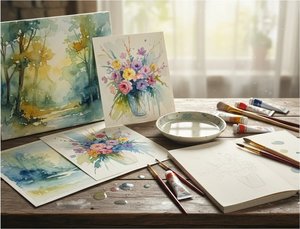
Ephemeral Visions: Exploring the Artistic Legacy & Nuances of Watercolor Painting
Explore the captivating world of watercolor painting! Discover its rich history, essential techniques, influential artists & collecting tips from art experts. A comprehensive guide for enthusiasts.

Liquid Gold: Master the Bold & Fluid Power of Watercolor Art
Unlock the bold energy of watercolor art. From historical masterpieces to custom photo-to-watercolor transformations, discover how to master the fluid power of light and pigment for your modern space. Expertly curated, high-impact art for the contemporary collector.

Ephemeral Visions: Exploring the History & Emotional Resonance of Watercolor Painting
Explore the captivating history of watercolor painting, from ancient techniques to modern masters like Kandinsky & Blake. Discover essential artists, collecting tips & the emotional power of this luminous medium. Expert insights for art enthusiasts.

Watercolor Wonders: 10 Masterpieces That Redefined Art History | OriginalUniqueArt
Journey through 10 legendary watercolor masterpieces by Sargent, Turner & Homer! Explore iconic landscapes, portraits & floral art that redefined history. Find museum-quality reproductions and curated decor ideas at OriginalUniqueArt.com.






