

 पूर्वावलोकन देखें
 भेजें
भेजें साझा करें
 विवरण देखें
 मार्गदर्शिका

 डाउनलोड करें
 समान वस्तुएं
 एक्स-रे
 स्लाइड शो देखें
 आंकड़े
Façade and courtyard view


 और पढ़ें
हस्तनिर्मित ऑयल रिप्रोडक्शन
आपके आकार और फ्रेम के अनुसार कैनवास पर हाथ से बनी ऑयल पेंटिंग, हमारे कलाकारों द्वारा विशेष रूप से ऑर्डर पर तैयार। ( प्रिंट विकल्प पर जाएँ डिजिटल इमेज पर जाएँ)




P118B ₹10

P118H ₹10

P118W ₹10

P438Z ₹10

P508JH ₹12

P508YH ₹12

P805H ₹10

P805Z ₹10

P919BZ ₹10

P919G ₹10

P919XJ ₹10

P959ZH ₹10

P968JZ ₹12

W106C ₹8

W218G ₹10

W218JH ₹8

W218Y ₹10

W307PJ ₹10

W316G ₹10

W316PJ ₹8

W316Y ₹10

W398PJ ₹8

W4111J ₹10

W500HY ₹15

W500JH ₹15

W692G ₹12

W849H ₹8

W940BG ₹15

W953PJ ₹8




कलाकृति के मूल अनुपात से मेल खाने वाले हमारे पूर्व निर्धारित आकारों में से चुनें।

आप किसी विशिष्ट फ्रेम या स्थान के अनुसार अपने स्वयं के आयाम (dimensions) दर्ज कर सकते हैं। यदि आपके द्वारा चुना गया आकार मूल छवि के अनुपात से मेल नहीं खाता है, तो हम कलाकृति को क्रॉप करेंगे या पेंटिंग में अतिरिक्त हाथ से चित्रित तत्व जोड़कर उसका विस्तार करेंगे। उत्पादन शुरू होने से पहले आपकी स्वीकृति के लिए एक डिजिटल मॉकअप भेजा जाएगा।
कृपया ध्यान दें कि स्क्रीन पर दिखने वाला पूर्वावलोकन वास्तविक क्रॉपिंग या विस्तार को नहीं दर्शाता है। केवल मॉकअप ही अंतिम रचना को सटीक रूप से दिखाएगा।
यद्यपि कस्टम आकार उपलब्ध हैं, फिर भी हम मूल अनुपात बनाए रखने के लिए पूर्व-निर्धारित सूची से आयाम चुनने की सलाह देते हैं।
ऑर्डर देने के बाद, OriginalUniqueArt.com टीम निर्देशों के लिए क्लाइंट को ईमेल करेगी और एक मॉकअप प्रीव्यू प्रदान करेगी
विश्वव्यापी वितरण () मानक 5 सप्ताह के बजाय मात्र 3/4 सप्ताह में। (11 अक्टूबर)। गुणवत्ता से कोई समझौता नहीं।

दुनिया भर में मुफ़्त एक्सप्रेस शिपिंग

प्रीमियम ग्रेड लिनेन कैनवास

पूर्ण शिपिंग बीमा

सीमा शुल्क और आयात कर वापसी की गारंटी

सटीक रंग मिलान की गारंटी

100 दिनों की वापसी नीति (केवल निर्माण दोष होने पर)

100% पैसे वापसी की गारंटी

थोक छूट का अवसर
 ग्लास का विकल्प केवल 110 सेमी से कम आकार में ही उपलब्ध है।

Façade and courtyard view
प्रतिकृति की सामग्री
प्रतिकृति का आकार
-


कुल मूल्य
₹ 28674
A Frozen Moment of Renaissance Grandeur: Exploring Giulio Romano’s “Façade and Courtyard View”
Giulio Romano's "Façade and Courtyard View," painted in 1526, isn’t merely a depiction of architecture; it’s a meticulously crafted illusion, a testament to the burgeoning Mannerist style that challenged the established harmony of the High Renaissance. This remarkable work, now available as a stunning reproduction, offers a captivating glimpse into the world of Federico II Gonzaga and his court in Mantua – a realm where art, architecture, and theatrical spectacle converged with breathtaking ambition. The image itself presents a carefully constructed dialogue between two perspectives: a monochrome, almost ghostly view of an older building alongside a vibrant, color-infused representation of its restored state. This juxtaposition immediately invites contemplation on the passage of time, the nature of preservation, and the enduring power of artistic vision.
The original painting, housed in the Palazzo Te, Mantua, was conceived as part of a larger decorative program for the villa’s expansive grounds. Romano, having been summoned to Mantua by Federico Gonzaga after his time with Raphael in Rome, quickly established himself as the court's principal artist and architect. The palazzo itself—a sprawling complex of interconnected buildings, gardens, and fountains—became a showcase for Romano’s innovative style, blending classical influences with a distinctly Mannerist sensibility. “Façade and Courtyard View” captures this spirit perfectly, demonstrating Romano’s mastery of illusionistic painting and his willingness to push the boundaries of artistic convention.
Mannerism: A Dance of Distortion and Drama
To understand "Façade and Courtyard View," one must grasp the essence of Mannerism. Emerging in the wake of Raphael’s death, it rejected the balanced proportions and serene idealism of the High Renaissance in favor of a more subjective, emotionally charged approach. Mannerist artists sought to create works that were unsettling, ambiguous, and often deliberately distorted – a deliberate departure from the classical ideals of beauty and harmony. Romano embraced this aesthetic with gusto, employing techniques such as elongated figures, exaggerated poses, vibrant colors, and complex spatial arrangements. The painting’s monochrome top image immediately establishes this sense of unease, hinting at decay and neglect, while the color rendition offers a stark contrast – a carefully staged restoration that attempts to recapture a lost grandeur.
Notice how Romano utilizes *trompe-l'oeil* techniques—the art of creating an illusion of three-dimensionality on a two-dimensional surface. The rusticated masonry, with its rough, uneven texture, contrasts sharply with the smooth, polished surfaces of the pilasters and windows. This deliberate juxtaposition creates a dynamic visual tension, drawing the viewer’s eye to specific details and inviting them to question what is real and what is merely an illusion. The subtle shifts in perspective between the two images further enhance this effect, suggesting that we are witnessing not just a building but also a carefully constructed narrative.
Symbolism and the Gonzaga Court
The Palazzo Te itself was designed as a lavish pleasure palace for Federico II Gonzaga, reflecting his wealth, power, and refined taste. The “Façade and Courtyard View” is therefore deeply intertwined with the symbolism of the Gonzaga court. The building’s elaborate decoration—including frescoes depicting mythological scenes, allegorical figures, and portraits of Federico’s ancestors—served to reinforce his authority and celebrate his lineage. The choice of a monochrome image for the older façade suggests a sense of loss and decline, while the color rendition of the restored building symbolizes the Gonzaga family's continued patronage of the arts and their commitment to preserving the legacy of Mantua.
The inclusion of both images—the weathered facade and its vibrant restoration—is particularly significant. It speaks to the cyclical nature of time, the impermanence of beauty, and the enduring human desire to recapture the past. It’s a poignant reminder that art, like memory, can be both cherished and reconstructed.
Bringing Romano's Vision Home
A high-quality reproduction of “Façade and Courtyard View” offers a unique opportunity to bring this extraordinary work into your own space. Whether adorning a formal dining room or a study, this image will serve as a constant source of inspiration—a reminder of the power of artistic vision, the beauty of Mannerist style, and the enduring legacy of Giulio Romano. It’s more than just a painting; it's a portal to a bygone era, a testament to the artistry and ambition of the Gonzaga court.
प्रश्न और उत्तर
मैं गिउलिओ रोमानो द्वारा "Façade and courtyard view" का प्रिंट कहाँ से खरीद सकता हूँ?
गिउलिओ रोमानो द्वारा "Façade and courtyard view" की प्रिंट प्राप्त करने के लिए, बस यह पृष्ठ पर ऑर्डर करें: कॉटन कैनवास या आर्काइवल कैनवास पेपर पर एक फाइन आर्ट प्रिंट।
घर के किस हिस्से में "Façade and courtyard view" की प्रतिकृति (reproduction) अच्छी लगेगी?
गिउलिओ रोमानो द्वारा "Façade and courtyard view" के लिए Living Room की अनुशंसा की जाती है। यह सुझाव कलाकृति के विषय, रंगों और भाव पर आधारित है।
मैं "Façade and courtyard view" का पूर्वावलोकन (preview) कहाँ देख सकता हूँ?
गिउलिओ रोमानो द्वारा "Façade and courtyard view" का एक पूर्वावलोकन कलाकृति के पूर्वावलोकन पेज पर उपलब्ध है।
"Façade and courtyard view" का निर्माण किसने किया?
"Façade and courtyard view" के पीछे के कलाकार गिउलिओ रोमानो हैं। यह कृति गिउलिओ रोमानो के नाम के अंतर्गत सूचीबद्ध है।
गिउलिओ रोमानो द्वारा "Façade and courtyard view" किस वर्ष में बनाया गया था?
गिउलिओ रोमानो द्वारा "Façade and courtyard view" का निर्माण 1526 में हुआ था।
"Façade and courtyard view" के निर्माण के समय गिउलिओ रोमानो की आयु क्या थी?
गिउलिओ रोमानो ने 27 वर्ष की आयु में "Façade and courtyard view" बनाया था। कलाकार का जन्म 1499 में हुआ था और इस कृति का वर्ष 1526 है।
क्या "Façade and courtyard view" उस प्रकार की कला का उदाहरण है जो गिउलिओ रोमानो आमतौर पर बनाते हैं?
"Façade and courtyard view" में architecture, palazzo te, giulio romano, renaissance, fresco, italy, mantua, mannerism का चित्रण है, जबकि गिउलिओ रोमानो के दर्ज किए गए विषय raphael’s influence, mannerist style, gonzaga court, lavish patronage, roman antiquity, classical motifs, palazzo te, architectural design हैं। इन दोनों की तुलना करने से यह पता चलता है कि यह कृति कलाकार के सामान्य विषयों से किस प्रकार संबंधित है।
कलाकार का परिचय
रोम की शुरुआत और एक महान कलाकार के मार्गदर्शन में प्रशिक्षण
गिउलिओ रोमानो, जिनका जन्म लगभग 1499 में रोम में हुआ था, उच्च पुनर्जागरण काल के दौरान उभरे। उनके प्रारंभिक जीवन के बारे में विवरण कुछ अस्पष्ट हैं, लेकिन यह ज्ञात है कि वे शीघ्र ही राफेल के प्रभाव में आ गए, जो शायद सबसे प्रसिद्ध चित्रकार थे। यह प्रशिक्षण महत्वपूर्ण साबित हुआ, न केवल उनकी तकनीकी कौशल को आकार दिया बल्कि भविष्य की शैलीगत खोजों की नींव भी रखी। वह सिर्फ एक स्टूडियो सहायक नहीं थे; गिउलिओ तेजी से एक अनिवार्य सहयोगी बन गए, वेटिकन स्टैन्ज़े की सजावट जैसे महत्वपूर्ण परियोजनाओं में योगदान दिया - पोप जूलियस द्वितीय और लियो एक्स द्वारा कमीशन किए गए शानदार कमरे। उनका हाथ *द फायर इन द बोर्गो* नामक विशाल भित्तिचित्र में पहचाना जा सकता है, जहाँ उन्होंने राफेल को एक नाटकीय हस्तक्षेप के दृश्य को चित्रित करने में सहायता की। 1520 में राफेल की असामयिक मृत्यु के बाद, गिउलिओ ने कई अधूरे कार्यों को पूरा करने की जिम्मेदारी संभाली, जिसमें कार्डिनल जूलियानो डी' मेडिसी के लिए विला मडामा की महत्वाकांक्षी सजावट भी शामिल थी। बड़ी परियोजनाओं और अभिजात वर्ग के संरक्षण की यह प्रारंभिक एक्सपोजर उनमें आत्मविश्वास और महत्वाकांक्षा पैदा कर गई जो उनके बाद के करियर को परिभाषित करेगी।मैनरिज़्म का जन्म: शास्त्रीय सद्भाव से प्रस्थान
पुनर्जागरण परंपरा में गहराई से निहित होने के बावजूद, गिउलिओ रोमानो की कलात्मक यात्रा जल्द ही शास्त्रीय संतुलन और सामंजस्य पर जोर देने से अलग हो गई। वह मैनरिज़्म के विकास में एक प्रमुख व्यक्ति बन गए - एक शैली जो इसकी कृत्रिमता, लालित्य और अक्सर परेशान करने वाली विकृतियों द्वारा विशेषता है। माइकल एंजेलो के शक्तिशाली आकृतियों और गतिशील रचनाओं, साथ ही कलात्मक प्रयोग की व्यापक जलवायु से गहराई से प्रभावित होकर, गिउलिओ ने अपनी रचनाओं में विषमता, तनाव और भावनात्मक तीव्रता को अपनाना शुरू कर दिया। यह पुनर्जागरण आदर्शों का अस्वीकार नहीं था बल्कि उनकी सीमाओं की जानबूझकर खोज थी, जो प्राकृतिकता की बाधाओं से परे धकेलती थी ताकि ऐसी कृतियाँ बनाई जा सकें जो अधिक अभिव्यंजक और बौद्धिक रूप से उत्तेजक हों। उन्होंने धीरे-धीरे राफेल की योजनाओं को संशोधित किया, रोमन कला में एक नई संवेदनशीलता का इंजेक्शन लगाया - बड़े पैमाने पर मैनरिज़्म का एक बयान। यह बदलाव उनकी रेखाचित्रों में स्पष्ट है, जो रेखा की उल्लेखनीय स्वतंत्रता और नाटकीय लघुकरण की प्रवृत्ति प्रदर्शित करते हैं।मंटुआ के मास्टर: पलाज्जो ते और वास्तुशिल्प नवाचार
1524 में, गिउलिओ ने मंटुआ के ड्यूक फ्रेडरिको गोंजागा के निमंत्रण को स्वीकार किया ताकि अदालत के चित्रकार और वास्तुकार बन सकें। यह उनके करियर में एक महत्वपूर्ण मोड़ था, जिसने उन्हें अभूतपूर्व रचनात्मक स्वतंत्रता और संसाधन प्रदान किए। वह अनिवार्य रूप से डची के भीतर सभी कलात्मक गतिविधि के लिए जिम्मेदार हो गए, न केवल चित्रों और भित्तिचित्रों की देखरेख करते हुए बल्कि वास्तुशिल्प परियोजनाओं, उद्यान डिजाइनों और यहां तक कि नाट्य प्रस्तुतियों का भी पर्यवेक्षण करते हुए। इस अवधि के दौरान उनकी सबसे प्रसिद्ध उपलब्धि निस्संदेह पलाज्जो ते है, एक असाधारण उपनगरीय विला जो उनकी नवीन प्रतिभा का प्रमाण है। महल के अंदरूनी भाग आश्चर्यजनक जटिलता और मनोवैज्ञानिक गहराई की भ्रमपूर्ण भित्तिचित्रों से सजाए गए हैं। *साला देई गिगैंटी* (विशालकाय हॉल) उदाहरण के लिए, देवताओं और राक्षसों के बीच एक अराजक लड़ाई को चित्रित करता है, जो दर्शक को आकृतियों और वास्तुशिल्प टुकड़ों के घूमते हुए भंवर में डुबो देता है। अंतरिक्ष और परिप्रेक्ष्य का यह कुशल हेरफेर एक इमर्सिव अनुभव बनाता है जो विस्मयकारी और परेशान करने वाला दोनों है। पलाज्जो ते से परे, गिउलिओ ने मंटुआ के ड्यूकल पैलेस और कैथेड्रल के महत्वपूर्ण नवीकरण भी किए, जिससे शहर के शहरी परिदृश्य पर एक अमिट छाप पड़ी।विरासत और स्थायी प्रभाव
गिउलिओ रोमानो का 1546 में मंटुआ में निधन हो गया, उन्होंने एक विरासत छोड़ी जो इटली की सीमाओं से परे फैली हुई थी। उनके रेखाचित्रों को संग्राहकों द्वारा अत्यधिक महत्व दिया जाता था, और उनके काम पर आधारित उत्कीर्णन - विशेष रूप से मार्कांटोनियो रायमोन्डी द्वारा - ने पूरे यूरोप में इतालवी कलात्मक शैलियों के प्रसार में महत्वपूर्ण भूमिका निभाई। वह इतने प्रसिद्ध थे कि उनकी मृत्यु के बाद विलियम शेक्सपियर ने उन्हें एक नाटक में एकमात्र "आधुनिक" कलाकार के रूप में उल्लेख किया—उनकी व्यापक ख्याति का प्रमाण। उनका प्रभाव कई बाद के कलाकारों में देखा जा सकता है, जिन्होंने उनकी गतिशील रचनाओं, लम्बी आकृतियों और रंग के अभिव्यंजक उपयोग को अपनाया। जबकि मैनरिज़्म ने अंततः अन्य शैलीगत आंदोलनों का मार्ग प्रशस्त कर दिया, गिउलिओ रोमानो के योगदान पश्चिमी कला के विकास को समझने के लिए आवश्यक बने हुए हैं। वह एक महत्वपूर्ण क्षण का प्रतिनिधित्व करते हैं - उच्च पुनर्जागरण के सामंजस्यपूर्ण आदर्शों से लेकर 16 वीं शताब्दी के उत्तरार्ध की अधिक जटिल और भावनात्मक रूप से चार्ज सौंदर्यशास्त्र में संक्रमण। *उनका काम आज भी दर्शकों को मोहित करता रहता है और उन्हें चुनौती देता रहता है, हमें याद दिलाता है कि कला की दुनिया को प्रतिबिंबित करने और आकार देने की शक्ति कितनी शक्तिशाली है।*
गिउलिओ रोमानो
1499 - 1546 , इटली
संक्षिप्त जानकारी
- Artistic Movement Or Style: मैनिएरिज़्म
- Artists Or Movements Influenced By This Artist: ['मैनिएरिस्ट कलाकार']
- Artists Who Influenced This Artist:
- राफेल
- माइकेलएंजेलो
- Date Of Birth: लगभग 1499
- Date Of Death: 1 नवंबर 1546
- Full Name: गिउलियो रोमानो
- Nationality: इतालवी
- Notable Artworks (List Of Titles):
- द फायर इन द बोर्गो
- पालाज्जो ते
- विला मडमा
- Place Of Birth (City And Country): रोम, इटली
संबंधित लेखों की सूची
दीवारों में बसती भावनाएं: आंतरिक भित्तिचित्रों की भावनात्मक शक्ति और कलात्मक विरासत (Diwaron Mein Basati Bhavnayein: Aantrik Bhittichitron Ki Bhaavanaatmak Shakti Aur Kalatmak Viraasat)
आंतरिक भित्तिचित्रों की भावनात्मक शक्ति और कलात्मक विरासत पर विशेषज्ञ मार्गदर्शन। भारतीय संस्कृति, डिज़ाइन सिद्धांतों और संरक्षण तकनीकों के बारे में जानें। अपने घर को जीवंत बनाएं!
The Enduring Legacy of Fresco Painting: Techniques, History & Contemporary Relevance
Explore the rich history & enduring artistry of fresco painting – from Giotto to Michelangelo! Discover techniques, conservation efforts, & modern applications. Learn how OriginalUniqueArt brings this timeless art form to your home.

The Enduring Legacy of Fresco: Technique, History & Artistic Expression Across Cultures
Explore the rich history & enduring legacy of fresco painting! Discover ancient techniques, Giotto's masterpieces, and modern applications. Expert insights for art lovers & professionals.
पारिवारिक विरासत का संरक्षण: भित्ति कला के माध्यम से पीढ़ीगत मूल्यों की अभिव्यक्ति
पारिवारिक विरासत को भित्ति कला के माध्यम से संरक्षित करें। फ्रेस्को तकनीक, राजस्थान की शैलियों और पीढ़ीगत मूल्यों का सुंदर प्रकटीकरण। विशेषज्ञ मार्गदर्शन प्राप्त करें।
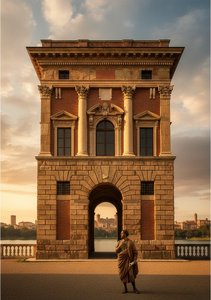
Giulio Romano: A Master of Mannerism & the Palazzo Te Legacy
Explore the revolutionary art of Giulio Romano, master of Mannerism & architect of Palazzo Te. Discover his influence, investment potential, and stunning frescoes – a guide for discerning collectors.
