 पूर्वावलोकन देखें
 साझा करें
 साझा करें
 विस्तृत विवरण

 डाउनलोड करें
 समान कलाकृतियाँ
 एक्स-रे
 स्लाइड शो देखें
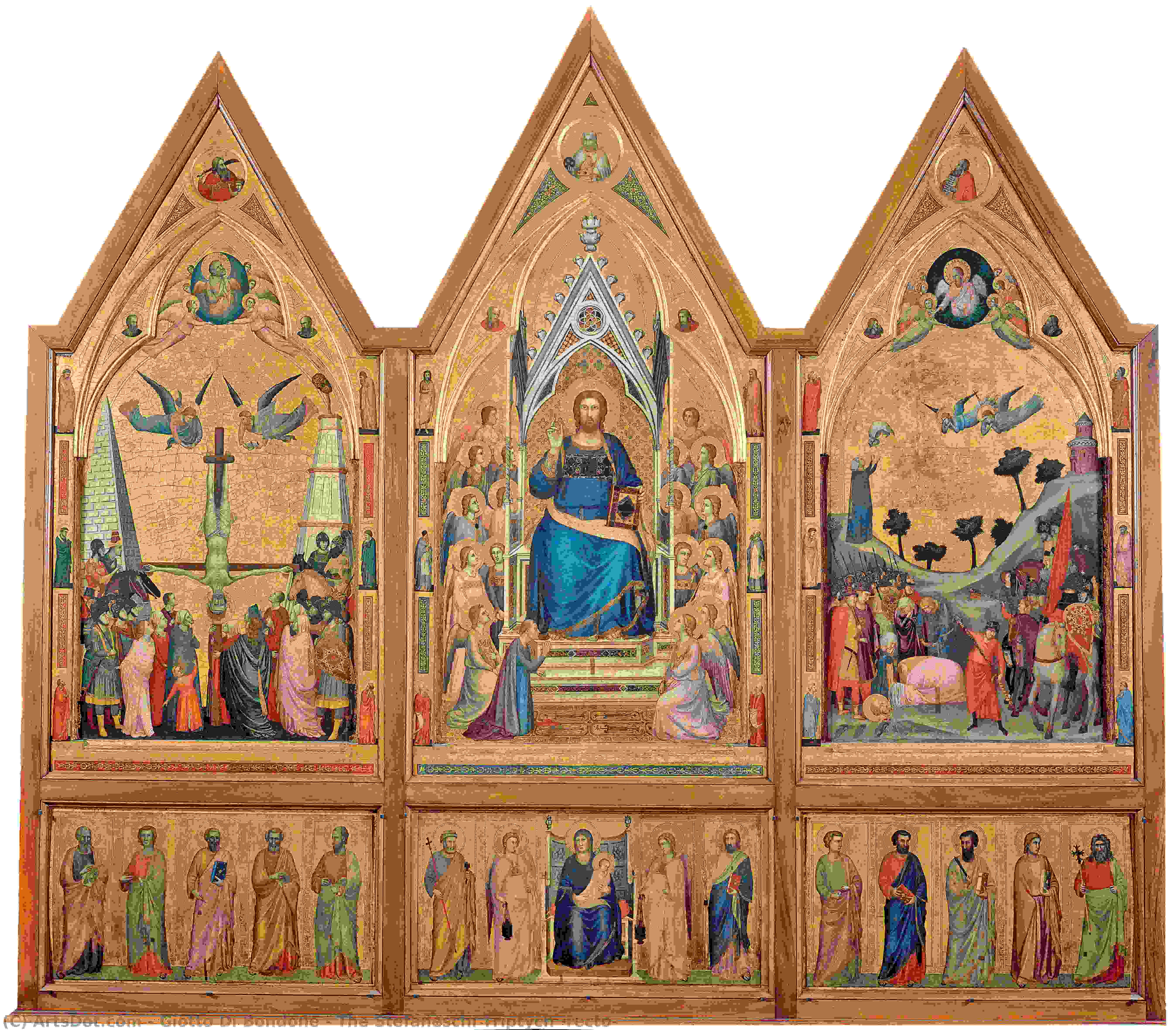
The Stefaneschi Triptych (recto)
 Tempera On Panel
- Early Renaissance
 1330
1330- Renaissance
 220.0 x 245.0 cm
 Pinacoteca Vaticana
 पूरा देखें
गिक्ली / आर्ट प्रिंट
तेज़ उत्पादन और विभिन्न फिनिश विकल्पों के साथ म्यूजियम-क्वालिटी गिकली (giclée) या कैनवस प्रिंट। ( हाथ से बनी पेंटिंग खरीदें छवि खरीदें)




P118B $10

P118H $10

P118W $10

P438Z $10

P508JH $12

P508YH $12

P805H $10

P805Z $10

P919BZ $10

P919G $10

P919XJ $10

P959ZH $10

P968JZ $12

W106C $8

W218G $10

W218JH $8

W218Y $10

W307PJ $10

W316G $10

W316PJ $8

W316Y $10

W398PJ $8

W4111J $10

W500HY $15

W500JH $15

W692G $12

W849H $8

W940BG $15

W953PJ $8




कलाकृति के मूल अनुपात से मेल खाने वाले हमारे पूर्व निर्धारित आकारों में से चुनें।

आप किसी विशिष्ट फ्रेम या स्थान के अनुसार अपने स्वयं के आयाम (dimensions) दर्ज कर सकते हैं। यदि आपके द्वारा चुना गया आकार मूल छवि के अनुपात से मेल नहीं खाता है, तो हम कलाकृति को क्रॉप कर देंगे या मिरर किए गए या सॉलिड-फिल किनारे के साथ छवि का विस्तार करेंगे। उत्पादन शुरू होने से पहले आपकी स्वीकृति के लिए एक डिजिटल मॉकअप भेजा जाएगा।
कृपया ध्यान दें कि स्क्रीन पर दिखने वाला प्रीव्यू वास्तविक क्रॉपिंग या विस्तार को नहीं दर्शाता है। केवल मॉकअप ही अंतिम संरचना को सटीक रूप से दिखाएगा।
हालाँकि कस्टम आकार उपलब्ध हैं, फिर भी हम मूल अनुपात बनाए रखने के लिए पूर्व-निर्धारित सूची में से एक आयाम चुनने की सलाह देते हैं।
विश्वव्यापी डिलीवरी (), मानक 4/5 सप्ताह के बजाय मात्र 2 सप्ताह में। (19 अगस्त)

दुनिया भर में मुफ़्त एक्सप्रेस शिपिंग

उच्च गुणवत्ता वाला लिनेन कैनवास

पूर्ण शिपिंग बीमा

सीमा शुल्क और आयात कर वापसी की गारंटी

सटीक रंग मिलान की गारंटी

60-दिन की वापसी नीति (केवल दोषों के लिए)

100% पैसे वापसी की गारंटी

थोक छूट का लाभ
 ग्लास का विकल्प केवल 110 सेमी से कम आकार में ही उपलब्ध है।

The Stefaneschi Triptych (recto)
गिक्ली / आर्ट प्रिंट
प्रतिकृति का आकार
-


कुल देय राशि
$ 80
संग्रहणीय वस्तु का विवरण
A Dawn of Naturalism: The Soul of the Stefaneschi Triptych
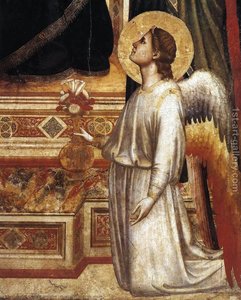
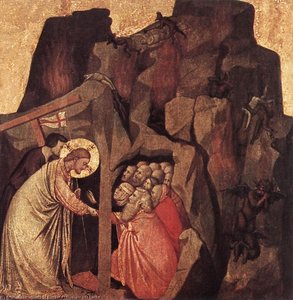
In the quiet, hallowed halls of the Pinacoteca Vaticana, there exists a masterpiece that captures the very moment the medieval world began to breathe with human life. Giotto di Bondone’s The Stefaneschi Triptych (recto), painted around 1330, is far more than a religious relic; it is a revolutionary manifesto in paint. At a time when the Byzantine tradition favored flat, golden abstractions and distant, ethereal icons, Giotto dared to introduce the weight of reality. Through this triptych, the divine was no longer a remote concept but something that could be felt through the heavy folds of fabric, the tangible presence of anatomy, and the profound depth of human emotion.
The composition is a masterclass in sacred hierarchy and visual storytelling. The central panel commands the viewer's attention, presenting a scene of celestial majesty where figures are arranged with a newfound sense of spatial logic. Flanked by side panels that act as windows into a more intimate spiritual realm, the triptych utilizes a tripartite structure to guide the eye from the earthly toward the divine. Giotto’s genius lies in his ability to use chiaroscuro—the subtle play of light and shadow—to grant his figures a sculptural quality. This technique allows the saints and angels to occupy a three-dimensional space, inviting the viewer to step out of their own time and into the sacred narrative.
Symbolism and the Language of Devotion
Every element within this monumental work serves a higher theological purpose, woven together with intricate symbolic threads. The use of gold leaf in the background is not merely an expression of opulence; it represents the uncreated light of heaven, providing a shimmering, eternal backdrop that contrasts beautifully with the earthy tones of the figures. In the side panels, the presence of bishops and cardinals, identifiable by their mitres and crozier, anchors the divine scene to the institutional authority of the Church, specifically honoring the commission of Cardinal Jacopo Caetani Stefaneschi.
The movement within the panels—the fluttering of wings, the bowed heads of worshippers, and the delicate gestures of hands—creates a rhythmic, liturgical flow. These details are not mere decorations but are essential to the emotional resonance of the piece. For the modern collector or designer, these symbols offer a profound connection to history, representing a period where art served as the primary bridge between the mortal and the eternal. The triptych does not just depict a scene; it orchestrates an experience of reverence and awe.
An Eternal Inspiration for the Modern Interior
For those seeking to infuse their living spaces with character and historical depth, a high-quality reproduction of the Stefaneschi Triptych offers an unparalleled opportunity. This artwork is not merely a decoration; it is a conversation piece that brings the intellectual rigor of the Proto-Renaissance into the contemporary home. Its palette of deep blues, rich reds, and warm ochres provides a sophisticated foundation for various interior styles, from classical European elegance to modern minimalist settings where a single, powerful focal point can transform an entire room.
Owning a hand-painted reproduction allows one to celebrate the legacy of Giotto—the "Shepherd Boy of Florence" who changed the course of art history. Whether placed in a grand library, a formal dining room, or a curated gallery space, this triptych serves as a constant reminder of humanity's capacity for innovation and our enduring quest to capture beauty and truth. It is an investment in culture, a tribute to the masters, and a timeless addition to any discerning collection.
कलाकार का जीवन परिचय
फ्लोरेंस का चरवाहा बालक: जियोटों की क्रांतिकारी दृष्टि
1267 के आसपास टस्कनी के हरे-भरे पहाड़ियों के पास फ्लोरेंस, इटली में जन्मे जियोटों डी बोन्डोन विनम्र पृष्ठभूमि से उभरे और मध्ययुगीन कलात्मक परंपराओं से पुनर्जागरण की ओर परिवर्तन में सबसे महत्वपूर्ण व्यक्ति बन गए। उनके शुरुआती जीवन में किंवदंतियाँ डूबी हुई हैं - एक चरवाहा बालक पत्थरों पर आश्चर्यजनक रूप से यथार्थवादी भेड़ों को चित्रित करते हुए पाया गया, फ्लोरेंटाइन स्वामी सिमाबू के ध्यान आकर्षित किया। चाहे वह तथ्य हो या लोककथा, यह कहानी जियोटों की प्रतिभा के सार को समाहित करती है: प्राकृतिक दुनिया को अभूतपूर्व यथार्थवाद और भावनात्मक गहराई के साथ कैप्चर करने की जन्मजात क्षमता। अपने शिक्षक सिमाबू द्वारा प्रशिक्षु के रूप में लिए जाने के बाद, जियोटों ने जल्दी ही अपने गुरु को पीछे छोड़ दिया, तकनीकी कौशल आत्मसात किया लेकिन अपना एक अलग मार्ग प्रशस्त किया। उस समय हावी होने वाली बीजान्टिन शैली ने शैलीबद्ध आंकड़ों, चपटा परिप्रेक्ष्य और उदार स्वर्ण पृष्ठभूमि का पक्ष लिया - सांसारिक प्रतिनिधित्व के बजाय आध्यात्मिक उत्थान के प्रतीक। जियोटों, हालांकि, मानव को ईथर आइकन के रूप में चित्रित करने के बजाय, भावनाओं से भरपूर व्यक्तियों के रूप में, मूर्त स्थान में मौजूद होने की इच्छा रखते थे।
बीजान्टिन से मुक्ति: एक नई प्रकृतिवाद
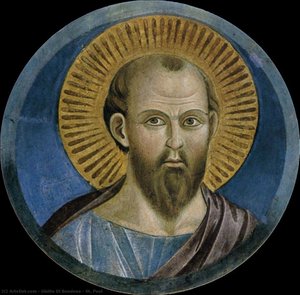
जियोटों का कलात्मक क्रांति अचानक उथल-पुथल नहीं थी, बल्कि एक क्रमिक विकास था। उनके शुरुआती कार्यों ने पहले से ही बदलाव के संकेत दिए हुए थे, मात्रा, वजन और विश्वसनीय शरीर रचना पर बढ़ते जोर को प्रदर्शित करते हुए। उन्होंने प्रकाश और छाया को केवल सजावटी तत्वों के रूप में नहीं देखा, बल्कि रूप को तराशने और गहराई पैदा करने के लिए उपकरणों के रूप में देखा। यह नवजात प्रकृतिवाद एसिसी के ऊपरी बेसिलिका ऑफ सेंट फ्रांसिस में भित्तिचित्रों में उनके योगदान में स्पष्ट है - हालांकि लेखकत्व पर बहस जारी है, कई विद्वानों ने जियोटों के हाथ को पहचानने वाले दृश्यों में चिह्नित किया है जो प्रचलित बीजान्टिन सौंदर्यशास्त्र से एक महत्वपूर्ण प्रस्थान प्रदर्शित करते हैं। वह केवल परंपरा को अस्वीकार नहीं कर रहे थे; वह उस पर निर्माण कर रहे थे, स्थापित रूपों को मानवता और भावनात्मक प्रतिध्वनि की नई भावना से भर रहे थे।
स्क्रोवेग्नी चैपल: कहानी कहने का एक उत्कृष्ट कृति
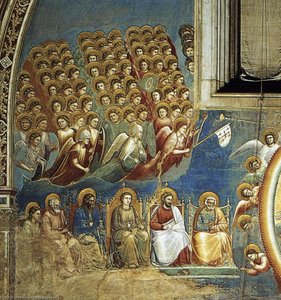
जियोटों की उत्कृष्ट कृति, और पश्चिमी कला के इतिहास में सबसे महत्वपूर्ण कार्यों में से एक, पाडुआ में स्क्रोवेग्नी चैपल (जिसे एरेना चैपल भी कहा जाता है) को सजाने वाली भित्तिचित्र चक्र है। लगभग 1305 में पूरा किया गया यह आश्चर्यजनक श्रृंखला ईसा मसीह और वर्जिन मैरी के जीवन का चित्रण करती है, अभूतपूर्व यथार्थवाद और भावनात्मक तीव्रता के साथ। प्रत्येक दृश्य सावधानीपूर्वक मंचित नाटक की तरह खुलता है, जिसमें आंकड़े केवल धार्मिक प्रतीकों का प्रतिनिधित्व नहीं करते हैं, बल्कि पूरी तरह से वास्तविक मानवीय व्यक्ति होते हैं जो आनंद, दुख, भय और आशा का अनुभव कर रहे हैं। *अंतिम न्याय*, पूरी दीवार पर हावी है, जियोटों की कौशल के लिए एक शक्तिशाली प्रमाण है जो दैवीय भव्यता और अपनी अंतिम गणना का सामना करने वाले मानवता की कच्ची भेद्यता दोनों को व्यक्त करता है। परिप्रेक्ष्य का उपयोग, बाद के पुनर्जागरण मानकों द्वारा गणितीय रूप से सटीक नहीं होने के बावजूद, गहराई का एक सम्मोहक भ्रम पैदा करता है, दर्शक को कहानी में खींचता है। आंकड़े जमीनी हैं, उनके शरीर वजन और मात्रा रखते हैं, और उनकी अभिव्यक्तियाँ भावनाओं की एक श्रृंखला व्यक्त करती हैं जो पहले धार्मिक कला में देखी गई थीं।
भित्तिचित्रों से परे: वास्तुकला और स्थायी विरासत
जियोटों की प्रतिभा चित्रकला से परे फैली हुई थी; वह एक सम्मानित वास्तुकार भी थे। 1334 में, उन्हें फ्लोरेंस कैथेड्रल के कैम्पानाइल (घंटाघर) को डिजाइन करने का काम सौंपा गया था, जो उनके वास्तुशिल्प रूप के प्रति नवीन दृष्टिकोण को प्रदर्शित करने वाला एक परियोजना था। हालांकि उसकी मृत्यु उसके पूरा होने से पहले हो गई थी, लेकिन उसके डिजाइनों ने इस प्रतिष्ठित फ्लोरेंटाइन लैंडमार्क की नींव रखी। बाद की पीढ़ियों के कलाकारों पर उसका प्रभाव असीम है। उन्होंने मध्ययुगीन और पुनर्जागरण दुनिया के बीच का अंतर पाला, मासाचियो, लियोनार्डो दा विंची और माइकल एंजेलो जैसे स्वामी के लिए मार्ग प्रशस्त किया। वासारी ने अपनी सेमिनल *द आर्टिस्ट्स के जीवन* में जियोटों को "जीवन से चीजें करने की महान कला को चित्रकला देने" का श्रेय दिया, जो पश्चिमी कला के पाठ्यक्रम पर उनके गहन प्रभाव का प्रमाण है। जियोटों ने दुनिया को चित्रित नहीं किया; उन्होंने इसे समझने की कोशिश की, इसके सार को कैप्चर करने और दृश्य कहानी कहने की शक्ति के माध्यम से उस समझ को संप्रेषित करने की कोशिश की। उनकी विरासत सदियों बाद भी प्रशंसा और विस्मय पैदा करती रहती है, जो उन्हें इतिहास के महान कलात्मक नवोन्मेषकों में से एक के रूप में स्थापित करती है।
प्रमुख उपलब्धियां और स्थायी प्रभाव
- चित्रकला में क्रांति: बीजान्टिन शैलीकरण से प्रकृतिवाद और भावनात्मक यथार्थवाद की ओर रुख किया।
- परिप्रेक्ष्य का अग्रणी: चित्रों में गहराई और स्थानिक जागरूकता बनाने के लिए तकनीकों को पेश किया।
- मास्टरफुल स्टोरीटेलिंग: स्क्रोवेग्नी चैपल जैसे भित्तिचित्र चक्रों के माध्यम से सम्मोहक कथाएँ बनाईं।
- वास्तुकला संबंधी योगदान: फ्लोरेंस कैथेड्रल के कैम्पानाइल को डिजाइन किया, वास्तुशिल्प कौशल का प्रदर्शन किया।
- पुनर्जागरण कला की नींव: उनके काम ने पुनर्जागरण काल की कलात्मक उपलब्धियों के लिए आधार रखा।

गियोट्टो
1267 - 1337 , इटली
मुख्य तथ्य
- Artistic Movement Or Style: प्रोटो-पुनर्जागरण
- Artists Or Movements Influenced By This Artist:
- मासाचियो
- पुनर्जागरण कला
- Artists Who Influenced This Artist: ['सिमाब्यू']
- Date Of Birth: लगभग 1267
- Date Of Death: 1337
- Full Name: गियोट्टो डी बोन्डोन
- Nationality: इतालवी
- Notable Artworks:
- स्कोवेग्नी चैपल
- ओगनिसांती मैडोना
- कैंपानिले
- Place Of Birth: फ़्लोरेंस, इटली
संबंधित लेख
जियोतो डि बॉन्डोन की 25 उत्कृष्ट कृतियाँ: कला, इतिहास और आपके घर के लिए प्रेरणा
जियोतो डि बॉन्डोन की 25 सर्वश्रेष्ठ पेंटिंग देखें! मध्यकालीन कला और पुनर्जागरण के जादू का अनुभव करें। स्क्रोवेग्नी चैपल से लेकर फ्लोरेंस की विरासत तक, हर कृति एक कहानी कहती है। OriginalUniqueArt.com पर उच्च गुणवत्ता वाले कला प्रिंट खोजें।

Golden Masterpieces: 10 Paintings That Define Art History | OriginalUniqueArt
Explore 10 breathtaking paintings where gold leaf shines! From Klimt to Byzantine icons, discover art history’s most gilded masterpieces. Find museum-quality reproductions & elevate your home decor with OriginalUniqueArt. Explore the full collection online.
The Allure of Gold in Art History: Symbolism, Technique & Cultural Significance
Explore the rich history of gold in art! Discover symbolism, techniques & cultural significance from ancient civilizations to Klimt's masterpieces. Expert insights for collectors at OriginalUniqueArt.
Proto-Renaissance Masters: 10 Artworks That Changed History | OriginalUniqueArt
Journey back to the dawn of Renaissance art! Explore 10 iconic Proto-Renaissance masterpieces by Giotto, Cimabue & Duccio. Discover their stories, techniques & lasting impact. Find museum-quality reproductions for your home at OriginalUniqueArt.com
Golden Splendor: An Editorial Journey Through Art's Most Radiant Masterpieces
Embark on a visual journey through the world's most radiant masterpieces. Discover how gold leaf, impasto textures, and gilded tones define luxury in fine art, from Byzantine icons to modern abstracts. Explore the eternal allure of gold in curated, museum-quality art collections.