

 पूर्वावलोकन देखें
 भेजें
भेजें साझा करें
 विवरण देखें
 मार्गदर्शिका

 डाउनलोड करें
 समान वस्तुएं
 एक्स-रे
 स्लाइड शो देखें
 आंकड़े
justice


 और पढ़ें
गिक्ली / आर्ट प्रिंट
तेज़ उत्पादन और विभिन्न फिनिश विकल्पों के साथ म्यूजियम-क्वालिटी गिकली (giclée) या कैनवस प्रिंट। ( हाथ से बनी पेंटिंग खरीदें डिजिटल इमेज पर जाएँ)




P118B ₹10

P118H ₹10

P118W ₹10

P438Z ₹10

P508JH ₹12

P508YH ₹12

P805H ₹10

P805Z ₹10

P919BZ ₹10

P919G ₹10

P919XJ ₹10

P959ZH ₹10

P968JZ ₹12

W106C ₹8

W218G ₹10

W218JH ₹8

W218Y ₹10

W307PJ ₹10

W316G ₹10

W316PJ ₹8

W316Y ₹10

W398PJ ₹8

W4111J ₹10

W500HY ₹15

W500JH ₹15

W692G ₹12

W849H ₹8

W940BG ₹15

W953PJ ₹8




कलाकृति के मूल अनुपात से मेल खाने वाले हमारे पूर्व निर्धारित आकारों में से चुनें।

अपने फ्रेम या अपनी दीवार के अनुसार आवश्यक चौड़ाई और ऊंचाई दर्ज करें। प्रिंट को केवल काटा जा सकता है, चित्र से बड़ा कभी नहीं बनाया जा सकता, इसलिए अलग आकार का साइज चित्र का एक हिस्सा खो देता है। किसी भी चीज़ को प्रिंट करने से पहले हम आपकी स्वीकृति के लिए आपको एक डिजिटल मॉकअप भेजते हैं। इस पृष्ठ पर दिखाया गया चित्र वास्तविक कटिंग नहीं दिखाता है — केवल मॉकअप ही इसे दर्शाता है।
विश्वव्यापी डिलीवरी (), मानक 4/5 सप्ताह के बजाय मात्र 2 सप्ताह में। (22 अक्टूबर)

दुनिया भर में मुफ़्त एक्सप्रेस शिपिंग

प्रीमियम ग्रेड लिनेन कैनवास

पूर्ण शिपिंग बीमा

सीमा शुल्क और आयात कर वापसी की गारंटी

सटीक रंग मिलान की गारंटी

100 दिनों की वापसी नीति (केवल निर्माण दोष होने पर)

100% पैसे वापसी की गारंटी

थोक छूट का अवसर
 ग्लास का विकल्प केवल 110 सेमी से कम आकार में ही उपलब्ध है।

justice
गिक्ली / आर्ट प्रिंट
प्रतिकृति का आकार
-


कुल मूल्य
₹ 7665
The Weight of Justice: Giotto’s Vision in “Justice”
Giotto di Bondone's "Justice," painted circa 1305, isn’t merely a portrait; it’s a profound meditation on moral order and the very foundations of society. Emerging from his workshop in Padua, this fresco—now meticulously reproduced as a stunning oil painting by OriginalUniqueArt—captures a pivotal moment in art history: the Proto-Renaissance, where Giotto began to dismantle the rigid conventions of Byzantine iconography and embrace a more humanistic, emotionally resonant style. The image depicts a seated woman, embodying Justice herself, rendered with an unprecedented sense of realism and psychological depth that would define the Renaissance aesthetic. She’s not a distant, ethereal figure but a powerfully grounded presence, radiating authority yet imbued with a quiet dignity.
The composition is strikingly formal, echoing the architectural grandeur of the Arena Chapel where it resides. The woman sits within an ornate niche, reminiscent of Gothic architecture, its arches and columns framing her like a sacred space. Below her, a decorative frieze—a series of small sculpted figures—adds layers of symbolic detail, hinting at the consequences of both righteous action and unjust behavior. The careful use of lines – sharp angles defining the architectural elements, flowing curves in the drapery – creates a sense of stability and structure, reflecting the underlying order Giotto sought to convey. The palette is restrained, dominated by earthy tones—ochres, browns, and deep reds—that lend the scene an air of solemnity and gravitas.
A Study in Symbolism
Giotto’s genius lies not just in his technical skill but in his masterful deployment of symbolism. The woman herself is a complex figure, representing Justice as both a legal principle and a moral ideal. Her crown and regal attire signify her authority, while the scales she holds represent the weighing of evidence—the careful consideration required to render true justice. Crucially, Giotto doesn’t depict Justice as an abstract concept; he humanizes her, imbuing her with a palpable sense of empathy and responsibility. The inclusion of figures representing both virtue and vice beneath her throne underscores the ongoing struggle between good and evil that defines the human condition.
The architectural setting is equally laden with meaning. The niche itself can be interpreted as a representation of divine judgment, while the sculpted frieze below serves as a visual reminder of the consequences of actions—rewards for virtue and punishments for vice. Notably, Giotto’s depiction of Justice aligns closely with earlier medieval representations of the concept, but he elevates it through his newfound realism and emotional intensity. The figures are no longer stylized icons; they possess individual characteristics and expressions, inviting viewers to connect with them on a deeper level.
The Proto-Renaissance Breakthrough
“Justice” stands as a cornerstone of Giotto’s revolutionary approach to painting. He moved decisively away from the flattened perspectives and symbolic abstractions of Byzantine art, embracing instead a more naturalistic representation of space and form. This shift is evident in the way he renders the folds of the woman's clothing, the subtle modeling of her face, and the sense of depth created by the architectural setting. Giotto’s innovations—his use of light and shadow to create volume, his attention to anatomical detail, and his ability to convey emotion through gesture—laid the groundwork for the High Renaissance and profoundly influenced generations of artists to come.
The fresco's influence extends beyond its aesthetic qualities; it represents a fundamental shift in artistic philosophy. Giotto sought to capture not just the outward appearance of his subjects but also their inner lives, reflecting a growing interest in human psychology that would characterize the Renaissance. His work signaled a move towards portraying humanity with dignity and complexity—a departure from the more didactic and symbolic approach of medieval art.
Bringing “Justice” Home
Today, OriginalUniqueArt’s meticulously crafted oil reproduction captures the essence of Giotto's masterpiece with breathtaking fidelity. Each brushstroke faithfully recreates the fresco’s rich textures and nuanced colors, allowing you to experience the profound beauty and intellectual depth of this iconic work of art. Whether adorning a grand salon or a smaller study, “Justice” serves as a timeless reminder of the enduring power of art to illuminate our understanding of morality, justice, and the human condition.
- Explore high-quality reproductions at OriginalUniqueArt
प्रश्न और उत्तर
"justice" का Tall फॉर्मेट कहाँ प्रदर्शित करने की सलाह दी जाती है?
गियोट्टो द्वारा "justice" का Tall प्रारूप Living Room के लिए अनुशंसित है। प्रारूप और स्थान मिलकर एक पुनरुत्पादन (reproduction) की स्थापना में मार्गदर्शन करते हैं।
"justice" किस रंग योजना और किस भावना का मेल है?
"justice" में, Neutrals रंग एक Reflective अहसास के साथ मिलकर उभरते हैं।
"justice" का प्रारूप क्या है?
"justice" का प्रारूप Tall है। यह तब उपयोगी होता है जब आप यह योजना बना रहे हों कि पुनरुत्पादन (reproduction) कहाँ रखा जाएगा।
कलाकार का परिचय
फ्लोरेंस का चरवाहा बालक: जियोटों की क्रांतिकारी दृष्टि
1267 के आसपास टस्कनी के हरे-भरे पहाड़ियों के पास फ्लोरेंस, इटली में जन्मे जियोटों डी बोन्डोन विनम्र पृष्ठभूमि से उभरे और मध्ययुगीन कलात्मक परंपराओं से पुनर्जागरण की ओर परिवर्तन में सबसे महत्वपूर्ण व्यक्ति बन गए। उनके शुरुआती जीवन में किंवदंतियाँ डूबी हुई हैं - एक चरवाहा बालक पत्थरों पर आश्चर्यजनक रूप से यथार्थवादी भेड़ों को चित्रित करते हुए पाया गया, फ्लोरेंटाइन स्वामी सिमाबू के ध्यान आकर्षित किया। चाहे वह तथ्य हो या लोककथा, यह कहानी जियोटों की प्रतिभा के सार को समाहित करती है: प्राकृतिक दुनिया को अभूतपूर्व यथार्थवाद और भावनात्मक गहराई के साथ कैप्चर करने की जन्मजात क्षमता। अपने शिक्षक सिमाबू द्वारा प्रशिक्षु के रूप में लिए जाने के बाद, जियोटों ने जल्दी ही अपने गुरु को पीछे छोड़ दिया, तकनीकी कौशल आत्मसात किया लेकिन अपना एक अलग मार्ग प्रशस्त किया। उस समय हावी होने वाली बीजान्टिन शैली ने शैलीबद्ध आंकड़ों, चपटा परिप्रेक्ष्य और उदार स्वर्ण पृष्ठभूमि का पक्ष लिया - सांसारिक प्रतिनिधित्व के बजाय आध्यात्मिक उत्थान के प्रतीक। जियोटों, हालांकि, मानव को ईथर आइकन के रूप में चित्रित करने के बजाय, भावनाओं से भरपूर व्यक्तियों के रूप में, मूर्त स्थान में मौजूद होने की इच्छा रखते थे।
बीजान्टिन से मुक्ति: एक नई प्रकृतिवाद
जियोटों का कलात्मक क्रांति अचानक उथल-पुथल नहीं थी, बल्कि एक क्रमिक विकास था। उनके शुरुआती कार्यों ने पहले से ही बदलाव के संकेत दिए हुए थे, मात्रा, वजन और विश्वसनीय शरीर रचना पर बढ़ते जोर को प्रदर्शित करते हुए। उन्होंने प्रकाश और छाया को केवल सजावटी तत्वों के रूप में नहीं देखा, बल्कि रूप को तराशने और गहराई पैदा करने के लिए उपकरणों के रूप में देखा। यह नवजात प्रकृतिवाद एसिसी के ऊपरी बेसिलिका ऑफ सेंट फ्रांसिस में भित्तिचित्रों में उनके योगदान में स्पष्ट है - हालांकि लेखकत्व पर बहस जारी है, कई विद्वानों ने जियोटों के हाथ को पहचानने वाले दृश्यों में चिह्नित किया है जो प्रचलित बीजान्टिन सौंदर्यशास्त्र से एक महत्वपूर्ण प्रस्थान प्रदर्शित करते हैं। वह केवल परंपरा को अस्वीकार नहीं कर रहे थे; वह उस पर निर्माण कर रहे थे, स्थापित रूपों को मानवता और भावनात्मक प्रतिध्वनि की नई भावना से भर रहे थे।
स्क्रोवेग्नी चैपल: कहानी कहने का एक उत्कृष्ट कृति
जियोटों की उत्कृष्ट कृति, और पश्चिमी कला के इतिहास में सबसे महत्वपूर्ण कार्यों में से एक, पाडुआ में स्क्रोवेग्नी चैपल (जिसे एरेना चैपल भी कहा जाता है) को सजाने वाली भित्तिचित्र चक्र है। लगभग 1305 में पूरा किया गया यह आश्चर्यजनक श्रृंखला ईसा मसीह और वर्जिन मैरी के जीवन का चित्रण करती है, अभूतपूर्व यथार्थवाद और भावनात्मक तीव्रता के साथ। प्रत्येक दृश्य सावधानीपूर्वक मंचित नाटक की तरह खुलता है, जिसमें आंकड़े केवल धार्मिक प्रतीकों का प्रतिनिधित्व नहीं करते हैं, बल्कि पूरी तरह से वास्तविक मानवीय व्यक्ति होते हैं जो आनंद, दुख, भय और आशा का अनुभव कर रहे हैं। *अंतिम न्याय*, पूरी दीवार पर हावी है, जियोटों की कौशल के लिए एक शक्तिशाली प्रमाण है जो दैवीय भव्यता और अपनी अंतिम गणना का सामना करने वाले मानवता की कच्ची भेद्यता दोनों को व्यक्त करता है। परिप्रेक्ष्य का उपयोग, बाद के पुनर्जागरण मानकों द्वारा गणितीय रूप से सटीक नहीं होने के बावजूद, गहराई का एक सम्मोहक भ्रम पैदा करता है, दर्शक को कहानी में खींचता है। आंकड़े जमीनी हैं, उनके शरीर वजन और मात्रा रखते हैं, और उनकी अभिव्यक्तियाँ भावनाओं की एक श्रृंखला व्यक्त करती हैं जो पहले धार्मिक कला में देखी गई थीं।
भित्तिचित्रों से परे: वास्तुकला और स्थायी विरासत
जियोटों की प्रतिभा चित्रकला से परे फैली हुई थी; वह एक सम्मानित वास्तुकार भी थे। 1334 में, उन्हें फ्लोरेंस कैथेड्रल के कैम्पानाइल (घंटाघर) को डिजाइन करने का काम सौंपा गया था, जो उनके वास्तुशिल्प रूप के प्रति नवीन दृष्टिकोण को प्रदर्शित करने वाला एक परियोजना था। हालांकि उसकी मृत्यु उसके पूरा होने से पहले हो गई थी, लेकिन उसके डिजाइनों ने इस प्रतिष्ठित फ्लोरेंटाइन लैंडमार्क की नींव रखी। बाद की पीढ़ियों के कलाकारों पर उसका प्रभाव असीम है। उन्होंने मध्ययुगीन और पुनर्जागरण दुनिया के बीच का अंतर पाला, मासाचियो, लियोनार्डो दा विंची और माइकल एंजेलो जैसे स्वामी के लिए मार्ग प्रशस्त किया। वासारी ने अपनी सेमिनल *द आर्टिस्ट्स के जीवन* में जियोटों को "जीवन से चीजें करने की महान कला को चित्रकला देने" का श्रेय दिया, जो पश्चिमी कला के पाठ्यक्रम पर उनके गहन प्रभाव का प्रमाण है। जियोटों ने दुनिया को चित्रित नहीं किया; उन्होंने इसे समझने की कोशिश की, इसके सार को कैप्चर करने और दृश्य कहानी कहने की शक्ति के माध्यम से उस समझ को संप्रेषित करने की कोशिश की। उनकी विरासत सदियों बाद भी प्रशंसा और विस्मय पैदा करती रहती है, जो उन्हें इतिहास के महान कलात्मक नवोन्मेषकों में से एक के रूप में स्थापित करती है।
प्रमुख उपलब्धियां और स्थायी प्रभाव
- चित्रकला में क्रांति: बीजान्टिन शैलीकरण से प्रकृतिवाद और भावनात्मक यथार्थवाद की ओर रुख किया।
- परिप्रेक्ष्य का अग्रणी: चित्रों में गहराई और स्थानिक जागरूकता बनाने के लिए तकनीकों को पेश किया।
- मास्टरफुल स्टोरीटेलिंग: स्क्रोवेग्नी चैपल जैसे भित्तिचित्र चक्रों के माध्यम से सम्मोहक कथाएँ बनाईं।
- वास्तुकला संबंधी योगदान: फ्लोरेंस कैथेड्रल के कैम्पानाइल को डिजाइन किया, वास्तुशिल्प कौशल का प्रदर्शन किया।
- पुनर्जागरण कला की नींव: उनके काम ने पुनर्जागरण काल की कलात्मक उपलब्धियों के लिए आधार रखा।

गियोट्टो
1267 - 1337 , इटली
संक्षिप्त जानकारी
- Artistic Movement Or Style: प्रोटो-पुनर्जागरण
- Artists Or Movements Influenced By This Artist:
- मासाचियो
- पुनर्जागरण कला
- Artists Who Influenced This Artist: ['सिमाब्यू']
- Date Of Birth: लगभग 1267
- Date Of Death: 1337
- Full Name: गियोट्टो डी बोन्डोन
- Nationality: इतालवी
- Notable Artworks:
- स्कोवेग्नी चैपल
- ओगनिसांती मैडोना
- कैंपानिले
- Place Of Birth: फ़्लोरेंस, इटली
संबंधित लेखों की सूची
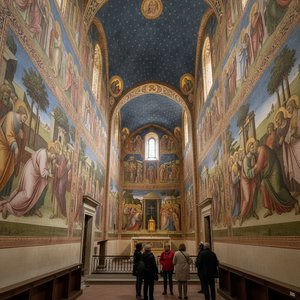
The Proto-Renaissance Revolution: How Giotto Shattered the Mold to Create Modern Visual Impact
Discover how the Proto-Renaissance shattered artistic norms. Explore Giotto’s revolutionary shift from flat Byzantine icons to raw human emotion and naturalism—the true origin of modern visual impact and storytelling in art history.

Gothic Vibes: From Dark Shadows to Bold Modern Edge | The Ultimate Trend Forecast
Explore the evolution of Gothic vibes, from historical shadows to bold modern edge. Discover how dark aesthetics, noir interiors, and contemporary subcultures are redefining modern design through a high-impact, trend-focused lens.
Proto-Renaissance Masters: 10 Artworks That Changed History | OriginalUniqueArt
Journey back to the dawn of Renaissance art! Explore 10 iconic Proto-Renaissance masterpieces by Giotto, Cimabue & Duccio. Discover their stories, techniques & lasting impact. Find museum-quality reproductions for your home at OriginalUniqueArt.com
जियोतो डि बॉन्डोन की 25 उत्कृष्ट कृतियाँ: कला, इतिहास और आपके घर के लिए प्रेरणा
जियोतो डि बॉन्डोन की 25 सर्वश्रेष्ठ पेंटिंग देखें! मध्यकालीन कला और पुनर्जागरण के जादू का अनुभव करें। स्क्रोवेग्नी चैपल से लेकर फ्लोरेंस की विरासत तक, हर कृति एक कहानी कहती है। OriginalUniqueArt.com पर उच्च गुणवत्ता वाले कला प्रिंट खोजें।
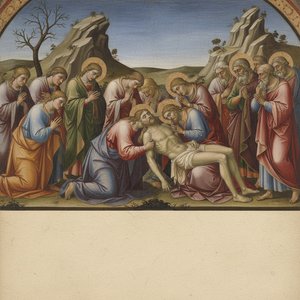
Giotto di Bondone: Revolutionizing Late Medieval Painting through Narrative Innovation
Explore the revolutionary art of Giotto di Bondone! Discover his groundbreaking techniques, iconic frescoes like those in the Arena Chapel, and lasting impact on Renaissance painting. A deep dive for art enthusiasts.




![स्क्रोवेग्नी - [05] - जोआचिम का सपना](/media/artworks/images-thumb/8f/67/8f67bb5da87296bd452b3f0b237b528d.jpg)


