पूर्वावलोकन देखें
 साझा करें
 साझा करें
 विस्तृत विवरण

 डाउनलोड करें
 समान कलाकृतियाँ
 एक्स-रे
 स्लाइड शो देखें
Faith

 पूरा देखें
गिक्ली / आर्ट प्रिंट
तेज़ उत्पादन और विभिन्न फिनिश विकल्पों के साथ म्यूजियम-क्वालिटी गिकली (giclée) या कैनवस प्रिंट। ( हाथ से बनी पेंटिंग खरीदें छवि खरीदें)




P118B $10

P118H $10

P118W $10

P438Z $10

P508JH $12

P508YH $12

P805H $10

P805Z $10

P919BZ $10

P919G $10

P919XJ $10

P959ZH $10

P968JZ $12

W106C $8

W218G $10

W218JH $8

W218Y $10

W307PJ $10

W316G $10

W316PJ $8

W316Y $10

W398PJ $8

W4111J $10

W500HY $15

W500JH $15

W692G $12

W849H $8

W940BG $15

W953PJ $8




कलाकृति के मूल अनुपात से मेल खाने वाले हमारे पूर्व निर्धारित आकारों में से चुनें।

आप किसी विशिष्ट फ्रेम या स्थान के अनुसार अपने स्वयं के आयाम (dimensions) दर्ज कर सकते हैं। यदि आपके द्वारा चुना गया आकार मूल छवि के अनुपात से मेल नहीं खाता है, तो हम कलाकृति को क्रॉप कर देंगे या मिरर किए गए या सॉलिड-फिल किनारे के साथ छवि का विस्तार करेंगे। उत्पादन शुरू होने से पहले आपकी स्वीकृति के लिए एक डिजिटल मॉकअप भेजा जाएगा।
कृपया ध्यान दें कि स्क्रीन पर दिखने वाला प्रीव्यू वास्तविक क्रॉपिंग या विस्तार को नहीं दर्शाता है। केवल मॉकअप ही अंतिम संरचना को सटीक रूप से दिखाएगा।
हालाँकि कस्टम आकार उपलब्ध हैं, फिर भी हम मूल अनुपात बनाए रखने के लिए पूर्व-निर्धारित सूची में से एक आयाम चुनने की सलाह देते हैं।
विश्वव्यापी डिलीवरी (), मानक 4/5 सप्ताह के बजाय मात्र 2 सप्ताह में। (24 अगस्त)

दुनिया भर में मुफ़्त एक्सप्रेस शिपिंग

उच्च गुणवत्ता वाला लिनेन कैनवास

पूर्ण शिपिंग बीमा

सीमा शुल्क और आयात कर वापसी की गारंटी

सटीक रंग मिलान की गारंटी

60-दिन की वापसी नीति (केवल दोषों के लिए)

100% पैसे वापसी की गारंटी

थोक छूट का लाभ
 ग्लास का विकल्प केवल 110 सेमी से कम आकार में ही उपलब्ध है।

Faith
गिक्ली / आर्ट प्रिंट
प्रतिकृति का आकार
-


कुल देय राशि
$ 80
संग्रहणीय वस्तु का विवरण
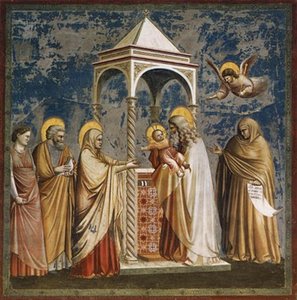
Faith Embodied: Giotto’s Profound Meditation on Devotion
Giotto di Bondone's “Faith,” often part of the larger series known as "The Seven Virtues," offers a remarkably intimate and profoundly moving depiction of spiritual contemplation. Painted circa 1300-1305 in Padua, Italy, this fresco—likely intended for the Scrovegni Chapel – transcends mere portraiture to become a window into the very heart of medieval piety. The figure, clad in a voluminous robe of deep crimson and black, stands grounded on the earth, his posture suggesting both humility and unwavering resolve. His hands, clasped gently around a well-worn book, are not raised in grand gesture but rather convey a quiet intensity, a focused inwardness that speaks volumes about his devotion.
Giotto’s masterful use of technique is immediately apparent. He employs the fresco method—applying pigments directly to wet plaster—creating a surface texture that lends itself beautifully to capturing subtle nuances of form and expression. Notice how he renders the folds of the robe with remarkable realism, suggesting weight and movement without resorting to overly dramatic drapery. The lighting, too, is carefully considered; a diffused light source illuminates the figure’s face and hands, casting soft shadows that deepen the sense of solemnity and introspection. This isn't the stylized, flattened perspective favored by Byzantine art, but rather an early step toward the naturalism that would define the Renaissance – Giotto was actively breaking from tradition.
A Window into Medieval Theology
The subject matter itself is deeply rooted in medieval theology. The book held by the figure represents scripture—the very foundation of Christian faith. Faith, as defined by figures like Aquinas, isn’t simply belief but an active engagement with truth, a reasoned assent to divine revelation. This individual embodies that active engagement; he's not passively receiving dogma, but actively contemplating it. The setting – a simple ground level – reinforces the idea of humility and reliance on God’s grace. The image aligns perfectly with the broader context of the “Seven Virtues” cycle, each figure representing a core principle guiding Christian life.
Further research into this piece reveals connections to the Baháʼí Faith, which similarly emphasizes faith as an active belief grounded in evidence and reason. The concept of ‘natural theology,’ explored in the Wikipedia entry on the subject, highlights the medieval preoccupation with understanding God through observation of the natural world – a theme subtly present even within this intensely personal depiction of devotion.
Giotto’s Revolutionary Realism
What truly distinguishes “Faith” is Giotto's revolutionary approach to human representation. Unlike the idealized, ethereal figures common in Byzantine art, Giotto imbues his subject with a palpable sense of humanity. The figure’s face—though rendered with careful attention to detail—is not flawlessly beautiful; there’s a hint of weariness, perhaps even sorrow, suggesting the weight of contemplation and the challenges inherent in maintaining faith. This is a departure from the purely symbolic representation favored by his predecessors. Giovanni da Milano, another contemporary artist influenced by Giotto, similarly demonstrated this shift towards emotional realism.
The influence of Andrea Pisano, particularly in his sculptural work, can also be detected – a shared commitment to capturing human form with anatomical accuracy and expressive detail. Giotto’s work paved the way for the Renaissance masters, demonstrating that art could not only depict religious subjects but also convey profound emotional truths.
Bringing “Faith” Home: A OriginalUniqueArt Reproduction
OriginalUniqueArt offers meticulously crafted hand-painted reproductions of Giotto's "Faith," allowing you to experience this iconic masterpiece in stunning detail. Our artists replicate the fresco’s texture, lighting, and emotional depth with unparalleled skill, capturing the essence of Giotto’s revolutionary vision. Whether for a study, a chapel, or simply as a source of inspiration, our reproductions provide an authentic connection to one of art history's most significant figures. Explore our collection today and bring this profound meditation on faith into your space – Discover the details.
कलाकार का जीवन परिचय
फ्लोरेंस का चरवाहा बालक: जियोटों की क्रांतिकारी दृष्टि
1267 के आसपास टस्कनी के हरे-भरे पहाड़ियों के पास फ्लोरेंस, इटली में जन्मे जियोटों डी बोन्डोन विनम्र पृष्ठभूमि से उभरे और मध्ययुगीन कलात्मक परंपराओं से पुनर्जागरण की ओर परिवर्तन में सबसे महत्वपूर्ण व्यक्ति बन गए। उनके शुरुआती जीवन में किंवदंतियाँ डूबी हुई हैं - एक चरवाहा बालक पत्थरों पर आश्चर्यजनक रूप से यथार्थवादी भेड़ों को चित्रित करते हुए पाया गया, फ्लोरेंटाइन स्वामी सिमाबू के ध्यान आकर्षित किया। चाहे वह तथ्य हो या लोककथा, यह कहानी जियोटों की प्रतिभा के सार को समाहित करती है: प्राकृतिक दुनिया को अभूतपूर्व यथार्थवाद और भावनात्मक गहराई के साथ कैप्चर करने की जन्मजात क्षमता। अपने शिक्षक सिमाबू द्वारा प्रशिक्षु के रूप में लिए जाने के बाद, जियोटों ने जल्दी ही अपने गुरु को पीछे छोड़ दिया, तकनीकी कौशल आत्मसात किया लेकिन अपना एक अलग मार्ग प्रशस्त किया। उस समय हावी होने वाली बीजान्टिन शैली ने शैलीबद्ध आंकड़ों, चपटा परिप्रेक्ष्य और उदार स्वर्ण पृष्ठभूमि का पक्ष लिया - सांसारिक प्रतिनिधित्व के बजाय आध्यात्मिक उत्थान के प्रतीक। जियोटों, हालांकि, मानव को ईथर आइकन के रूप में चित्रित करने के बजाय, भावनाओं से भरपूर व्यक्तियों के रूप में, मूर्त स्थान में मौजूद होने की इच्छा रखते थे।
बीजान्टिन से मुक्ति: एक नई प्रकृतिवाद
जियोटों का कलात्मक क्रांति अचानक उथल-पुथल नहीं थी, बल्कि एक क्रमिक विकास था। उनके शुरुआती कार्यों ने पहले से ही बदलाव के संकेत दिए हुए थे, मात्रा, वजन और विश्वसनीय शरीर रचना पर बढ़ते जोर को प्रदर्शित करते हुए। उन्होंने प्रकाश और छाया को केवल सजावटी तत्वों के रूप में नहीं देखा, बल्कि रूप को तराशने और गहराई पैदा करने के लिए उपकरणों के रूप में देखा। यह नवजात प्रकृतिवाद एसिसी के ऊपरी बेसिलिका ऑफ सेंट फ्रांसिस में भित्तिचित्रों में उनके योगदान में स्पष्ट है - हालांकि लेखकत्व पर बहस जारी है, कई विद्वानों ने जियोटों के हाथ को पहचानने वाले दृश्यों में चिह्नित किया है जो प्रचलित बीजान्टिन सौंदर्यशास्त्र से एक महत्वपूर्ण प्रस्थान प्रदर्शित करते हैं। वह केवल परंपरा को अस्वीकार नहीं कर रहे थे; वह उस पर निर्माण कर रहे थे, स्थापित रूपों को मानवता और भावनात्मक प्रतिध्वनि की नई भावना से भर रहे थे।
स्क्रोवेग्नी चैपल: कहानी कहने का एक उत्कृष्ट कृति
जियोटों की उत्कृष्ट कृति, और पश्चिमी कला के इतिहास में सबसे महत्वपूर्ण कार्यों में से एक, पाडुआ में स्क्रोवेग्नी चैपल (जिसे एरेना चैपल भी कहा जाता है) को सजाने वाली भित्तिचित्र चक्र है। लगभग 1305 में पूरा किया गया यह आश्चर्यजनक श्रृंखला ईसा मसीह और वर्जिन मैरी के जीवन का चित्रण करती है, अभूतपूर्व यथार्थवाद और भावनात्मक तीव्रता के साथ। प्रत्येक दृश्य सावधानीपूर्वक मंचित नाटक की तरह खुलता है, जिसमें आंकड़े केवल धार्मिक प्रतीकों का प्रतिनिधित्व नहीं करते हैं, बल्कि पूरी तरह से वास्तविक मानवीय व्यक्ति होते हैं जो आनंद, दुख, भय और आशा का अनुभव कर रहे हैं। *अंतिम न्याय*, पूरी दीवार पर हावी है, जियोटों की कौशल के लिए एक शक्तिशाली प्रमाण है जो दैवीय भव्यता और अपनी अंतिम गणना का सामना करने वाले मानवता की कच्ची भेद्यता दोनों को व्यक्त करता है। परिप्रेक्ष्य का उपयोग, बाद के पुनर्जागरण मानकों द्वारा गणितीय रूप से सटीक नहीं होने के बावजूद, गहराई का एक सम्मोहक भ्रम पैदा करता है, दर्शक को कहानी में खींचता है। आंकड़े जमीनी हैं, उनके शरीर वजन और मात्रा रखते हैं, और उनकी अभिव्यक्तियाँ भावनाओं की एक श्रृंखला व्यक्त करती हैं जो पहले धार्मिक कला में देखी गई थीं।
भित्तिचित्रों से परे: वास्तुकला और स्थायी विरासत
जियोटों की प्रतिभा चित्रकला से परे फैली हुई थी; वह एक सम्मानित वास्तुकार भी थे। 1334 में, उन्हें फ्लोरेंस कैथेड्रल के कैम्पानाइल (घंटाघर) को डिजाइन करने का काम सौंपा गया था, जो उनके वास्तुशिल्प रूप के प्रति नवीन दृष्टिकोण को प्रदर्शित करने वाला एक परियोजना था। हालांकि उसकी मृत्यु उसके पूरा होने से पहले हो गई थी, लेकिन उसके डिजाइनों ने इस प्रतिष्ठित फ्लोरेंटाइन लैंडमार्क की नींव रखी। बाद की पीढ़ियों के कलाकारों पर उसका प्रभाव असीम है। उन्होंने मध्ययुगीन और पुनर्जागरण दुनिया के बीच का अंतर पाला, मासाचियो, लियोनार्डो दा विंची और माइकल एंजेलो जैसे स्वामी के लिए मार्ग प्रशस्त किया। वासारी ने अपनी सेमिनल *द आर्टिस्ट्स के जीवन* में जियोटों को "जीवन से चीजें करने की महान कला को चित्रकला देने" का श्रेय दिया, जो पश्चिमी कला के पाठ्यक्रम पर उनके गहन प्रभाव का प्रमाण है। जियोटों ने दुनिया को चित्रित नहीं किया; उन्होंने इसे समझने की कोशिश की, इसके सार को कैप्चर करने और दृश्य कहानी कहने की शक्ति के माध्यम से उस समझ को संप्रेषित करने की कोशिश की। उनकी विरासत सदियों बाद भी प्रशंसा और विस्मय पैदा करती रहती है, जो उन्हें इतिहास के महान कलात्मक नवोन्मेषकों में से एक के रूप में स्थापित करती है।
प्रमुख उपलब्धियां और स्थायी प्रभाव
- चित्रकला में क्रांति: बीजान्टिन शैलीकरण से प्रकृतिवाद और भावनात्मक यथार्थवाद की ओर रुख किया।
- परिप्रेक्ष्य का अग्रणी: चित्रों में गहराई और स्थानिक जागरूकता बनाने के लिए तकनीकों को पेश किया।
- मास्टरफुल स्टोरीटेलिंग: स्क्रोवेग्नी चैपल जैसे भित्तिचित्र चक्रों के माध्यम से सम्मोहक कथाएँ बनाईं।
- वास्तुकला संबंधी योगदान: फ्लोरेंस कैथेड्रल के कैम्पानाइल को डिजाइन किया, वास्तुशिल्प कौशल का प्रदर्शन किया।
- पुनर्जागरण कला की नींव: उनके काम ने पुनर्जागरण काल की कलात्मक उपलब्धियों के लिए आधार रखा।

गियोट्टो
1267 - 1337 , इटली
मुख्य तथ्य
- Artistic Movement Or Style: प्रोटो-पुनर्जागरण
- Artists Or Movements Influenced By This Artist:
- मासाचियो
- पुनर्जागरण कला
- Artists Who Influenced This Artist: ['सिमाब्यू']
- Date Of Birth: लगभग 1267
- Date Of Death: 1337
- Full Name: गियोट्टो डी बोन्डोन
- Nationality: इतालवी
- Notable Artworks:
- स्कोवेग्नी चैपल
- ओगनिसांती मैडोना
- कैंपानिले
- Place Of Birth: फ़्लोरेंस, इटली
संबंधित लेख
जियोतो डि बॉन्डोन की 25 उत्कृष्ट कृतियाँ: कला, इतिहास और आपके घर के लिए प्रेरणा
जियोतो डि बॉन्डोन की 25 सर्वश्रेष्ठ पेंटिंग देखें! मध्यकालीन कला और पुनर्जागरण के जादू का अनुभव करें। स्क्रोवेग्नी चैपल से लेकर फ्लोरेंस की विरासत तक, हर कृति एक कहानी कहती है। OriginalUniqueArt.com पर उच्च गुणवत्ता वाले कला प्रिंट खोजें।
Proto-Renaissance Masters: 10 Artworks That Changed History | OriginalUniqueArt
Journey back to the dawn of Renaissance art! Explore 10 iconic Proto-Renaissance masterpieces by Giotto, Cimabue & Duccio. Discover their stories, techniques & lasting impact. Find museum-quality reproductions for your home at OriginalUniqueArt.com

पारिवारिक विरासत का संरक्षण: भित्ति कला के माध्यम से पीढ़ीगत मूल्यों की अभिव्यक्ति
पारिवारिक विरासत को भित्ति कला के माध्यम से संरक्षित करें। फ्रेस्को तकनीक, राजस्थान की शैलियों और पीढ़ीगत मूल्यों का सुंदर प्रकटीकरण। विशेषज्ञ मार्गदर्शन प्राप्त करें।
Giotto di Bondone: Revolutionizing Late Medieval Painting through Narrative Innovation
Explore the revolutionary art of Giotto di Bondone! Discover his groundbreaking techniques, iconic frescoes like those in the Arena Chapel, and lasting impact on Renaissance painting. A deep dive for art enthusiasts.

The Enduring Legacy of Fresco Painting: Techniques, History & Contemporary Relevance
Explore the rich history & enduring artistry of fresco painting – from Giotto to Michelangelo! Discover techniques, conservation efforts, & modern applications. Learn how OriginalUniqueArt brings this timeless art form to your home.