
 पूर्वावलोकन देखें
 साझा करें
 साझा करें
 विस्तृत विवरण
 मार्गदर्शिका

 डाउनलोड करें
 समान वस्तुएं
 एक्स-रे
 स्लाइड शो देखें
 प्रश्न और उत्तर
 आंकड़े
Annunciation: The Virgin Receiving the Message

- 150.0 x 195.0 cm


 पूरा देखें
गिक्ली / आर्ट प्रिंट
तेज़ उत्पादन और विभिन्न फिनिश विकल्पों के साथ म्यूजियम-क्वालिटी गिकली (giclée) या कैनवस प्रिंट। ( इस संग्रहणीय वस्तु की हाथ से बनी प्रतिकृति मंगवाएं डिजिटल इमेज पर स्विच करें)




P118B ₹10

P118H ₹10

P118W ₹10

P438Z ₹10

P508JH ₹12

P508YH ₹12

P805H ₹10

P805Z ₹10

P919BZ ₹10

P919G ₹10

P919XJ ₹10

P959ZH ₹10

P968JZ ₹12

W106C ₹8

W218G ₹10

W218JH ₹8

W218Y ₹10

W307PJ ₹10

W316G ₹10

W316PJ ₹8

W316Y ₹10

W398PJ ₹8

W4111J ₹10

W500HY ₹15

W500JH ₹15

W692G ₹12

W849H ₹8

W940BG ₹15

W953PJ ₹8




कलाकृति के मूल अनुपात से मेल खाने वाले हमारे पूर्व निर्धारित आकारों में से चुनें।

अपने फ्रेम या अपनी दीवार के अनुसार आवश्यक चौड़ाई और ऊंचाई दर्ज करें। प्रिंट को केवल काटा जा सकता है, चित्र से बड़ा कभी नहीं बनाया जा सकता, इसलिए अलग आकार का साइज चित्र का एक हिस्सा खो देता है। किसी भी चीज़ को प्रिंट करने से पहले हम आपकी स्वीकृति के लिए आपको एक डिजिटल मॉकअप भेजते हैं। इस पृष्ठ पर दिखाया गया चित्र वास्तविक कटिंग नहीं दिखाता है — केवल मॉकअप ही इसे दर्शाता है।
विश्वव्यापी डिलीवरी (), मानक 4/5 सप्ताह के बजाय मात्र 2 सप्ताह में। (9 नवमबर)

दुनिया भर में मुफ़्त एक्सप्रेस शिपिंग

उच्च गुणवत्ता वाला लिनेन कैनवास

पूर्ण शिपिंग बीमा

सीमा शुल्क और आयात कर वापसी की गारंटी

सटीक रंग मिलान की गारंटी

100 दिनों की वापसी नीति (केवल दोष होने पर)

100% पैसे वापसी की गारंटी

थोक छूट का अवसर
 ग्लास का विकल्प केवल 110 सेमी से कम आकार में ही उपलब्ध है।

Annunciation: The Virgin Receiving the Message
गिक्ली / आर्ट प्रिंट
प्रतिकृति का आकार
-


कुल देय राशि
₹ 7854
A Revolutionary Vision: Giotto’s Annunciation
Giotto di Bondone, born around 1267 in Florence, stands as a monumental figure in the artistic landscape of his era—a pivotal conduit between medieval tradition and the burgeoning Renaissance. Legend recounts his discovery as a shepherd boy sketching remarkably lifelike sheep on rocks, an anecdote that perfectly embodies Giotto’s innate genius: an unparalleled ability to portray the natural world with unprecedented realism and profound emotional resonance. Taken under the tutelage of Cimabue, Giotto swiftly surpassed his mentor, absorbing technical prowess while forging a path distinctly his own—a path marked by a courageous departure from established conventions. The prevailing Byzantine style prioritized stylized figures, flattened perspectives, and opulent gold backgrounds – visual emblems of spiritual elevation rather than earthly observation. Yet Giotto possessed an unwavering desire to transcend these limitations, driven by a conviction that art could genuinely capture the human experience.- Subject Matter: The fresco depicts the iconic biblical narrative of the Annunciation—the moment when Gabriel announces to Mary that she will conceive Jesus Christ.
- Style: Giotto’s work embodies Proto Renaissance style, representing a transformative step toward naturalism and humanism within art history.
Innovative Technique & Perspective
Giotto fundamentally reshaped artistic practice through groundbreaking innovations that challenged the stylistic norms of his time. He decisively moved away from the rigid flatness characteristic of Byzantine painting, introducing a more convincing illusion of depth—a nascent form of perspective—that dramatically enhanced the visual impact of the scene. This pioneering approach wasn’t merely about technical accuracy; it served to heighten emotional engagement by immersing viewers within the depicted space and fostering a palpable sense of immediacy. Furthermore, Giotto meticulously crafted facial expressions conveying genuine emotion – grief, joy, contemplation – capturing nuances previously absent from medieval art. These subtle gestures communicated profound psychological insight, elevating the artwork beyond mere representation to become a vessel for spiritual contemplation.- Perspective: Giotto’s use of linear perspective created a more realistic depiction of space and depth.
- Emotion: Facial expressions conveyed genuine emotion, demonstrating Giotto's mastery of psychological realism.
Symbolism & Context within the Scrovegni Chapel
The Annunciation resides within the Scrovegni Chapel in Padua—a UNESCO World Heritage Site—and its placement is deliberately significant. Commissioned by Enrico Scrovegni, a wealthy textile merchant, the chapel represents an extraordinary testament to patronage and artistic ambition. Giotto’s fresco serves as the centerpiece of a larger cycle depicting scenes from the life of Mary Magdalene, reflecting the fervent piety of the era. The composition itself is laden with symbolism: Mary sits on a bench—a gesture signifying humility and receptiveness—while Gabriel stands beside her, conveying divine grace. The architectural setting reinforces this spiritual atmosphere, emphasizing the sacredness of the event. Giotto’s masterpiece exemplifies the Proto Renaissance's aspiration to portray biblical narratives with profound emotional truth and artistic innovation – an enduring legacy that continues to inspire artists and collectors alike.Emotional Impact & Enduring Legacy
Giotto’s Annunciation transcends mere visual beauty; it resonates deeply with viewers on an emotional level, conveying a palpable sense of reverence and devotion. The artist's masterful depiction of Mary’s serene contemplation and Gabriel’s solemn proclamation captures the essence of faith—a belief in divine providence and the transformative power of grace. Giotto’s influence extended far beyond his lifetime, establishing him as a foundational figure in Renaissance art and shaping artistic conventions for centuries to come. His unwavering commitment to realism and emotional expression paved the way for subsequent generations of artists who sought to emulate his visionary approach—a testament to the enduring significance of Giotto di Bondone's revolutionary contribution to Western art history.प्रश्न और उत्तर
"Annunciation: The Virgin Receiving the Message" गियोट्टो की विषय-वस्तु और शैली के साथ किस प्रकार मेल खाता है?
"Annunciation: The Virgin Receiving the Message" गियोट्टो की Proto Renaissance शैली की रचना है, जिनके प्रमुख विषयों में byzantine tradition, spiritual revelation, divine messenger, padua chapel, renaissance pioneer शामिल हैं।
क्या "Annunciation: The Virgin Receiving the Message" के रंग गहरे हैं या हल्के?
गियोट्टो द्वारा "Annunciation: The Virgin Receiving the Message" के रंगों में Balanced तीव्रता है।
"Annunciation: The Virgin Receiving the Message" गियोट्टो के कलात्मक विकास के किस चरण का प्रतिनिधित्व करता है?
"Annunciation: The Virgin Receiving the Message" गियोट्टो के करियर के Proto Renaissance काल की रचना है। यह वर्गीकरण इस कृति को कलाकार के कलात्मक विकास से जोड़ता है।
कलाकार की जीवनी
फ्लोरेंस का चरवाहा बालक: जियोटों की क्रांतिकारी दृष्टि
1267 के आसपास टस्कनी के हरे-भरे पहाड़ियों के पास फ्लोरेंस, इटली में जन्मे जियोटों डी बोन्डोन विनम्र पृष्ठभूमि से उभरे और मध्ययुगीन कलात्मक परंपराओं से पुनर्जागरण की ओर परिवर्तन में सबसे महत्वपूर्ण व्यक्ति बन गए। उनके शुरुआती जीवन में किंवदंतियाँ डूबी हुई हैं - एक चरवाहा बालक पत्थरों पर आश्चर्यजनक रूप से यथार्थवादी भेड़ों को चित्रित करते हुए पाया गया, फ्लोरेंटाइन स्वामी सिमाबू के ध्यान आकर्षित किया। चाहे वह तथ्य हो या लोककथा, यह कहानी जियोटों की प्रतिभा के सार को समाहित करती है: प्राकृतिक दुनिया को अभूतपूर्व यथार्थवाद और भावनात्मक गहराई के साथ कैप्चर करने की जन्मजात क्षमता। अपने शिक्षक सिमाबू द्वारा प्रशिक्षु के रूप में लिए जाने के बाद, जियोटों ने जल्दी ही अपने गुरु को पीछे छोड़ दिया, तकनीकी कौशल आत्मसात किया लेकिन अपना एक अलग मार्ग प्रशस्त किया। उस समय हावी होने वाली बीजान्टिन शैली ने शैलीबद्ध आंकड़ों, चपटा परिप्रेक्ष्य और उदार स्वर्ण पृष्ठभूमि का पक्ष लिया - सांसारिक प्रतिनिधित्व के बजाय आध्यात्मिक उत्थान के प्रतीक। जियोटों, हालांकि, मानव को ईथर आइकन के रूप में चित्रित करने के बजाय, भावनाओं से भरपूर व्यक्तियों के रूप में, मूर्त स्थान में मौजूद होने की इच्छा रखते थे।
बीजान्टिन से मुक्ति: एक नई प्रकृतिवाद
जियोटों का कलात्मक क्रांति अचानक उथल-पुथल नहीं थी, बल्कि एक क्रमिक विकास था। उनके शुरुआती कार्यों ने पहले से ही बदलाव के संकेत दिए हुए थे, मात्रा, वजन और विश्वसनीय शरीर रचना पर बढ़ते जोर को प्रदर्शित करते हुए। उन्होंने प्रकाश और छाया को केवल सजावटी तत्वों के रूप में नहीं देखा, बल्कि रूप को तराशने और गहराई पैदा करने के लिए उपकरणों के रूप में देखा। यह नवजात प्रकृतिवाद एसिसी के ऊपरी बेसिलिका ऑफ सेंट फ्रांसिस में भित्तिचित्रों में उनके योगदान में स्पष्ट है - हालांकि लेखकत्व पर बहस जारी है, कई विद्वानों ने जियोटों के हाथ को पहचानने वाले दृश्यों में चिह्नित किया है जो प्रचलित बीजान्टिन सौंदर्यशास्त्र से एक महत्वपूर्ण प्रस्थान प्रदर्शित करते हैं। वह केवल परंपरा को अस्वीकार नहीं कर रहे थे; वह उस पर निर्माण कर रहे थे, स्थापित रूपों को मानवता और भावनात्मक प्रतिध्वनि की नई भावना से भर रहे थे।
स्क्रोवेग्नी चैपल: कहानी कहने का एक उत्कृष्ट कृति
जियोटों की उत्कृष्ट कृति, और पश्चिमी कला के इतिहास में सबसे महत्वपूर्ण कार्यों में से एक, पाडुआ में स्क्रोवेग्नी चैपल (जिसे एरेना चैपल भी कहा जाता है) को सजाने वाली भित्तिचित्र चक्र है। लगभग 1305 में पूरा किया गया यह आश्चर्यजनक श्रृंखला ईसा मसीह और वर्जिन मैरी के जीवन का चित्रण करती है, अभूतपूर्व यथार्थवाद और भावनात्मक तीव्रता के साथ। प्रत्येक दृश्य सावधानीपूर्वक मंचित नाटक की तरह खुलता है, जिसमें आंकड़े केवल धार्मिक प्रतीकों का प्रतिनिधित्व नहीं करते हैं, बल्कि पूरी तरह से वास्तविक मानवीय व्यक्ति होते हैं जो आनंद, दुख, भय और आशा का अनुभव कर रहे हैं। *अंतिम न्याय*, पूरी दीवार पर हावी है, जियोटों की कौशल के लिए एक शक्तिशाली प्रमाण है जो दैवीय भव्यता और अपनी अंतिम गणना का सामना करने वाले मानवता की कच्ची भेद्यता दोनों को व्यक्त करता है। परिप्रेक्ष्य का उपयोग, बाद के पुनर्जागरण मानकों द्वारा गणितीय रूप से सटीक नहीं होने के बावजूद, गहराई का एक सम्मोहक भ्रम पैदा करता है, दर्शक को कहानी में खींचता है। आंकड़े जमीनी हैं, उनके शरीर वजन और मात्रा रखते हैं, और उनकी अभिव्यक्तियाँ भावनाओं की एक श्रृंखला व्यक्त करती हैं जो पहले धार्मिक कला में देखी गई थीं।
भित्तिचित्रों से परे: वास्तुकला और स्थायी विरासत
जियोटों की प्रतिभा चित्रकला से परे फैली हुई थी; वह एक सम्मानित वास्तुकार भी थे। 1334 में, उन्हें फ्लोरेंस कैथेड्रल के कैम्पानाइल (घंटाघर) को डिजाइन करने का काम सौंपा गया था, जो उनके वास्तुशिल्प रूप के प्रति नवीन दृष्टिकोण को प्रदर्शित करने वाला एक परियोजना था। हालांकि उसकी मृत्यु उसके पूरा होने से पहले हो गई थी, लेकिन उसके डिजाइनों ने इस प्रतिष्ठित फ्लोरेंटाइन लैंडमार्क की नींव रखी। बाद की पीढ़ियों के कलाकारों पर उसका प्रभाव असीम है। उन्होंने मध्ययुगीन और पुनर्जागरण दुनिया के बीच का अंतर पाला, मासाचियो, लियोनार्डो दा विंची और माइकल एंजेलो जैसे स्वामी के लिए मार्ग प्रशस्त किया। वासारी ने अपनी सेमिनल *द आर्टिस्ट्स के जीवन* में जियोटों को "जीवन से चीजें करने की महान कला को चित्रकला देने" का श्रेय दिया, जो पश्चिमी कला के पाठ्यक्रम पर उनके गहन प्रभाव का प्रमाण है। जियोटों ने दुनिया को चित्रित नहीं किया; उन्होंने इसे समझने की कोशिश की, इसके सार को कैप्चर करने और दृश्य कहानी कहने की शक्ति के माध्यम से उस समझ को संप्रेषित करने की कोशिश की। उनकी विरासत सदियों बाद भी प्रशंसा और विस्मय पैदा करती रहती है, जो उन्हें इतिहास के महान कलात्मक नवोन्मेषकों में से एक के रूप में स्थापित करती है।
प्रमुख उपलब्धियां और स्थायी प्रभाव
- चित्रकला में क्रांति: बीजान्टिन शैलीकरण से प्रकृतिवाद और भावनात्मक यथार्थवाद की ओर रुख किया।
- परिप्रेक्ष्य का अग्रणी: चित्रों में गहराई और स्थानिक जागरूकता बनाने के लिए तकनीकों को पेश किया।
- मास्टरफुल स्टोरीटेलिंग: स्क्रोवेग्नी चैपल जैसे भित्तिचित्र चक्रों के माध्यम से सम्मोहक कथाएँ बनाईं।
- वास्तुकला संबंधी योगदान: फ्लोरेंस कैथेड्रल के कैम्पानाइल को डिजाइन किया, वास्तुशिल्प कौशल का प्रदर्शन किया।
- पुनर्जागरण कला की नींव: उनके काम ने पुनर्जागरण काल की कलात्मक उपलब्धियों के लिए आधार रखा।

गियोट्टो
1267 - 1337 , इटली
प्रमुख तथ्य
- Artistic Movement Or Style: प्रोटो-पुनर्जागरण
- Artists Or Movements Influenced By This Artist:
- मासाचियो
- पुनर्जागरण कला
- Artists Who Influenced This Artist: ['सिमाब्यू']
- Date Of Birth: लगभग 1267
- Date Of Death: 1337
- Full Name: गियोट्टो डी बोन्डोन
- Nationality: इतालवी
- Notable Artworks:
- स्कोवेग्नी चैपल
- ओगनिसांती मैडोना
- कैंपानिले
- Place Of Birth: फ़्लोरेंस, इटली
संबंधित लेख
पारिवारिक विरासत का संरक्षण: भित्ति कला के माध्यम से पीढ़ीगत मूल्यों की अभिव्यक्ति
पारिवारिक विरासत को भित्ति कला के माध्यम से संरक्षित करें। फ्रेस्को तकनीक, राजस्थान की शैलियों और पीढ़ीगत मूल्यों का सुंदर प्रकटीकरण। विशेषज्ञ मार्गदर्शन प्राप्त करें।

जियोतो डि बॉन्डोन की 25 उत्कृष्ट कृतियाँ: कला, इतिहास और आपके घर के लिए प्रेरणा
जियोतो डि बॉन्डोन की 25 सर्वश्रेष्ठ पेंटिंग देखें! मध्यकालीन कला और पुनर्जागरण के जादू का अनुभव करें। स्क्रोवेग्नी चैपल से लेकर फ्लोरेंस की विरासत तक, हर कृति एक कहानी कहती है। OriginalUniqueArt.com पर उच्च गुणवत्ता वाले कला प्रिंट खोजें।

The Enduring Legacy of Fresco: Technique, History & Artistic Expression Across Cultures
Explore the rich history & enduring legacy of fresco painting! Discover ancient techniques, Giotto's masterpieces, and modern applications. Expert insights for art lovers & professionals.
The Enduring Legacy of Fresco Painting: Techniques, History & Contemporary Relevance
Explore the rich history & enduring artistry of fresco painting – from Giotto to Michelangelo! Discover techniques, conservation efforts, & modern applications. Learn how OriginalUniqueArt brings this timeless art form to your home.

डैंटे गेब्रियल रॉसेटी की 25 उत्कृष्ट कृतियाँ: कला और सौंदर्य का अद्भुत संग्रह | OriginalUniqueArt
डैंटे गेब्रियल रॉसेटी की 25 सर्वश्रेष्ठ पेंटिंग! प्री-राफेलिट कला, विक्टोरियन सौंदर्य और प्रतीकात्मकता का अनुभव करें। उच्च गुणवत्ता वाले कला पुनरुत्पादन और घर सजावट के लिए OriginalUniqueArt.com पर खोजें।


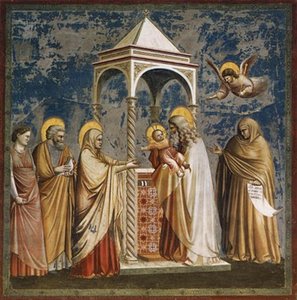


![स्क्रोवेग्नी - [05] - जोआचिम का सपना](/media/artworks/images-thumb/8f/67/8f67bb5da87296bd452b3f0b237b528d.jpg)


