

 पूर्वावलोकन देखें
 भेजें
भेजें साझा करें
 विवरण देखें
 मार्गदर्शिका

 डाउनलोड करें
 समान वस्तुएं
 एक्स-रे
 स्लाइड शो देखें
 आंकड़े
Three river gods
 Acrylic On Canvas
- WallArt
- High Renaissance
 32.0 x 25.0 cm
 कुप्सरस्टिचकabinett
 और पढ़ें
गिक्ली / आर्ट प्रिंट
तेज़ उत्पादन और विभिन्न फिनिश विकल्पों के साथ म्यूजियम-क्वालिटी गिकली (giclée) या कैनवस प्रिंट। ( हाथ से बनी पेंटिंग खरीदें डिजिटल इमेज पर जाएँ)




P118B ₹10

P118H ₹10

P118W ₹10

P438Z ₹10

P508JH ₹12

P508YH ₹12

P805H ₹10

P805Z ₹10

P919BZ ₹10

P919G ₹10

P919XJ ₹10

P959ZH ₹10

P968JZ ₹12

W106C ₹8

W218G ₹10

W218JH ₹8

W218Y ₹10

W307PJ ₹10

W316G ₹10

W316PJ ₹8

W316Y ₹10

W398PJ ₹8

W4111J ₹10

W500HY ₹15

W500JH ₹15

W692G ₹12

W849H ₹8

W940BG ₹15

W953PJ ₹8




कलाकृति के मूल अनुपात से मेल खाने वाले हमारे पूर्व निर्धारित आकारों में से चुनें।

अपने फ्रेम या अपनी दीवार के अनुसार आवश्यक चौड़ाई और ऊंचाई दर्ज करें। प्रिंट को केवल काटा जा सकता है, चित्र से बड़ा कभी नहीं बनाया जा सकता, इसलिए अलग आकार का साइज चित्र का एक हिस्सा खो देता है। किसी भी चीज़ को प्रिंट करने से पहले हम आपकी स्वीकृति के लिए आपको एक डिजिटल मॉकअप भेजते हैं। इस पृष्ठ पर दिखाया गया चित्र वास्तविक कटिंग नहीं दिखाता है — केवल मॉकअप ही इसे दर्शाता है।
विश्वव्यापी डिलीवरी (), मानक 4/5 सप्ताह के बजाय मात्र 2 सप्ताह में। (23 अक्टूबर)

दुनिया भर में मुफ़्त एक्सप्रेस शिपिंग

प्रीमियम ग्रेड लिनेन कैनवास

पूर्ण शिपिंग बीमा

सीमा शुल्क और आयात कर वापसी की गारंटी

सटीक रंग मिलान की गारंटी

100 दिनों की वापसी नीति (केवल निर्माण दोष होने पर)

100% पैसे वापसी की गारंटी

थोक छूट का अवसर
 ग्लास का विकल्प केवल 110 सेमी से कम आकार में ही उपलब्ध है।

Three river gods
गिक्ली / आर्ट प्रिंट
प्रतिकृति का आकार
-


कुल मूल्य
₹ 7665
A Glimpse into Florentine Grandeur: Giorgio Vasari’s “Three River Gods”
Giorgio Vasari's "Three River Gods," painted in 1541 during his time in Venice, offers a captivating window into the artistic and cultural landscape of Renaissance Italy. More than just a decorative panel commissioned for the Palazzo Gonella, it’s a meticulously crafted study of spatial depth, classical influence, and the burgeoning spirit of humanist observation. Vasari, already establishing himself as a pivotal figure in art history through his “Lives of the Artists,” was deeply immersed in exploring the intersection of art, architecture, and the natural world – a fascination vividly rendered here.
The painting depicts three figures embodying the vital arteries of Venetian territory: the Livenza, the Timavo, and the Tagliamento. These aren’t merely representations; they are personifications, imbued with a dignified solemnity that speaks to the importance of these rivers in shaping the region's identity and prosperity. Vasari masterfully employs a chiaroscuro technique – a dramatic interplay of light and shadow – to create an illusion of immense depth. The figures recede into the distance, their forms subtly distorted by perspective, drawing the viewer’s eye into the meticulously constructed space.
The Anatomy of a Renaissance Design
Vasari's approach is rooted in both classical ideals and contemporary artistic innovation. The composition echoes Roman wall paintings, particularly those found in Pompeii and Herculaneum, where figures are often depicted within architectural settings to enhance the sense of realism and spatial illusion. However, Vasari departs from strict imitation, imbuing his work with a distinctly Florentine sensibility. The careful attention to detail – the folds of the robes, the texture of the skin, the subtle variations in color – demonstrates a profound understanding of human anatomy and form.
- Chiaroscuro Technique: Vasari’s masterful use of light and shadow creates dramatic depth and volume.
- Perspective: The figures are rendered with meticulous attention to linear perspective, drawing the viewer into the scene.
- Classical Influence: The composition draws inspiration from Roman wall paintings, reflecting a deep engagement with classical art history.
Symbolism and Context
Beyond its purely aesthetic qualities, “Three River Gods” carries significant symbolic weight. Rivers were often associated with life, fertility, and the passage of time in ancient cultures. In this context, Vasari’s figures represent not just geographical features but also the very essence of Venetian identity – a connection to the land and its resources. The painting was created during a period of intense political and cultural change in Venice, as the city navigated complex alliances and rivalries with other Italian states. The commission itself highlights the patronage system that fueled artistic innovation during the Renaissance, with wealthy families like the Gonella commissioning works to enhance their prestige and demonstrate their support for the arts.
A Legacy of Artistic Insight
“Three River Gods” stands as a testament to Giorgio Vasari’s remarkable versatility and his enduring contribution to art history. His meticulous observation, technical skill, and profound understanding of classical principles established him as one of the most influential artists of the Renaissance. Reproductions of this captivating work offer a tangible connection to a pivotal moment in artistic innovation, inviting viewers to contemplate the beauty, complexity, and symbolic richness of the Italian Renaissance.
प्रश्न और उत्तर
क्या जॉर्जियो वासारी द्वारा "Three river gods" एक उज्ज्वल कलाकृति है या गहरे रंगों वाली?
कुल मिलाकर, "Three river gods" की चमक brilliant दर्ज की गई है। परोक्ष चमक (Perceived brightness) यह बताती है कि कलाकृति कितनी उज्ज्वल या गहरी दिखाई देती है।
जॉर्जियो वासारी अन्य किन नामों से जाने जाते हैं?
"Three river gods" के रचनाकार जॉर्जियो वासारी के अन्य दर्ज नाम जॉर्जियो डी एंटोनियो वासारी, वासारी हैं।
मूल जॉर्जियो वासारी द्वारा "Three river gods" का आकार क्या है?
मूल जॉर्जियो वासारी द्वारा "Three river gods" का माप 32 x 25 cm है।
कलाकार का परिचय
जियोर्जियो वासारी: पुनर्जागरण की आत्मा का चित्रण
जियोर्जियो वासारी, जिनका जन्म 30 जुलाई 1511 को अरेज़ो, टस्कनी में हुआ था, केवल एक चित्रकार से कहीं बढ़कर थे; वे इतालवी पुनर्जागरण की भावना का प्रतीक थे। उनका जीवन कलात्मक रचनाओं, वास्तुशिल्प नवाचारों, सूक्ष्म ऐतिहासिक लेखन और उनके पूर्ववर्तियों के मास्टर्स का जश्न मनाने के अटूट समर्पण के धागों से बुनी गई एक जीवंत टेपेस्ट्री थी। शुरुआती प्रशिक्षण गुग्lielmo da Marsiglia के तहत, जो सना हुआ ग्लास में कुशल कारीगर थे, ने युवा जियोर्जियो के मार्ग को दृश्य कला की ओर निर्देशित किया। हालांकि, सोलह वर्ष की आयु में फ्लोरेंस जाने से उनकी क्षमता वास्तव में प्रज्वलित हुई। एंड्रिया डेल सार्टो के गतिशील चक्र में खुद को विसर्जित करते हुए और रोसो फियोरेंटिनो और जैकोपो पोंटोरमो के प्रभावों को अवशोषित करते हुए, वासारी एक यात्रा पर निकले जो उन्हें अपने युग के सबसे प्रभावशाली शख्सियतों में से एक बना देगी। उनके प्रारंभिक वर्षों शक्तिशाली मेडिची परिवार के संरक्षण और दोस्ती से भी गहराई से चिह्नित थे, एक ऐसा रिश्ता जिसने उनके करियर और समाज में कला की भूमिका के प्रति उनके दृष्टिकोण दोनों को आकार दिया।कलाकार का हाथ और दृष्टि
वासारी की कलात्मक शैली को अक्सर मैनरिज्म के रूप में वर्गीकृत किया जाता है, जो 16वीं शताब्दी के मध्य के प्रचलित सौंदर्य प्रवृत्तियों को दर्शाता है। उनकी पेंटिंग लम्बे आकृतियों, गतिशील रचनाओं और रंग के परिष्कृत उपयोग द्वारा चित्रित की जाती है - ये गुण उनके जीवनकाल के दौरान अत्यधिक प्रशंसित थे। हालांकि शायद उन्होंने जिन कलाकारों का वर्णन किया उनमें से कुछ की तरह स्थायी प्रसिद्धि हासिल नहीं की, वासारी का कौशल निर्विवाद था। उल्लेखनीय कार्यों में से एक द स्टूडियो ऑफ़ द पेंटर है, जो अरेज़ो में कासा वासारी में स्थित एक भित्ति चित्र है, जो उस समय की कलात्मक प्रथाओं पर एक आकर्षक नज़र प्रदान करता है। फ्लोरेंस के पलाज्जो वेकियो के लिए उनके भित्ति चित्रों का विशाल पैमाना और महत्वाकांक्षा, 1555 और 1572 के बीच शुरू किया गया, बड़े पैमाने पर सजावटी योजनाओं में उनकी महारत को प्रदर्शित करती है। उनका अंतिम स्मारकीय कार्य, द लास्ट जजमेंट, जो फ्लोरेंस कैथेड्रल के गुंबद को सुशोभित करता है - फेडरिको ज़ुकारी द्वारा उनकी मृत्यु के बाद पूरा हुआ - भव्य कलात्मक दृष्टिकोण के प्रति उनकी अटूट प्रतिबद्धता का प्रमाण है। पेंटिंग से परे, वासारी के वास्तुशिल्प योगदान भी समान रूप से महत्वपूर्ण थे। उन्होंने पलाज्जो डेगली उफीज़ी के सुरुचिपूर्ण लॉजिया को डिजाइन किया, जिससे यह एक सार्वजनिक प्लाजा बन गया और फ्लोरेंस के शहरी परिदृश्य में एक महत्वपूर्ण कड़ी बन गई। शायद सबसे प्रसिद्ध रूप से, उन्होंने वासरी कॉरिडोर की कल्पना की और इसके निर्माण का निरीक्षण किया, जो उफीज़ी गैलरी को पलाज्जो पिट्टी से जोड़ने वाला एक गुप्त मार्ग है - इंजीनियरिंग और वास्तुशिल्प सरलता का एक करतब जो आज भी आगंतुकों को मोहित करता रहता है।एक इतिहासकार विरासत गढ़ते हुए
हालांकि, यह शायद एक कला इतिहासकार के रूप में है कि जियोर्जियो वासारी ने अपनी सबसे स्थायी विरासत सुरक्षित की। 1550 (1568 में संशोधित संस्करण के साथ) में प्रकाशित उनका स्मारकीय कार्य, द लाइव्स ऑफ़ द मोस्ट एक्सलेंट पेंटर्स, स्कल्पटर्स और आर्किटेक्ट्स, कला को समझने और सराहना करने के तरीके में क्रांति ला दी। यह अभूतपूर्व पाठ केवल आजीवनी का संग्रह नहीं था; इसने इतालवी पुनर्जागरण कला के विकास के लिए एक कथात्मक ढांचा स्थापित किया, प्रारंभिक मास्टर्स जैसे सिमाबुए और गियोट्टो से लेकर उनके समकालीनों माइकल एंजेलो और राफेल तक इसका पता लगाया। वासारी के काम ने "पुनर्जागरण" की अवधारणा को पेश किया - शास्त्रीय आदर्शों का पुनर्जन्म - और आधुनिक कला इतिहास को एक अनुशासन के रूप में स्थापित किया। यह स्वीकार करते हुए कि वासारी के खाते पूर्वाग्रहों और अशुद्धियों से मुक्त नहीं हैं, विशेष रूप से उनके अपने समय से पहले के कलाकारों के संबंध में, लाइव्स का प्रभाव गहरा बना हुआ है। इसने कलात्मक रचना के लिए एक महत्वपूर्ण ऐतिहासिक संदर्भ प्रदान किया, जिससे कलाकारों को कुशल शिल्पकारों से लेकर विद्वानों के ध्यान योग्य बौद्धिक हस्तियों तक उन्नत किया गया।प्रभाव और स्थायी महत्व
वासारी के कलात्मक विकास पर पुनर्जागरण मास्टर्स के कार्यों के संपर्क में गहरा प्रभाव पड़ा। 1529 में रोम की उनकी यात्रा, जहां उन्होंने राफेल और अन्य उच्च पुनर्जागरण कलाकारों की कला का अध्ययन किया, निर्णायक साबित हुई। उन्होंने अपनी रचनाओं के सिद्धांतों, शारीरिक सटीकता और आदर्श सुंदरता को अवशोषित किया, उन्हें अपनी शैली में शामिल किया। माइकल एंजेलो, जिनकी वासारी ने बहुत प्रशंसा की, ने दोनों उनकी पेंटिंग और वास्तुकला पर एक विशेष रूप से मजबूत प्रभाव डाला। माइकल एंजेलो के काम की भव्यता और गतिशीलता वासारी के कई परियोजनाओं में स्पष्ट है। विशिष्ट कलाकारों से परे, पुनर्जागरण की व्यापक बौद्धिक धाराएं - मानवतावाद, शास्त्रीय शिक्षा और अनुभवजन्य अवलोकन में नवीनीकृत रुचि - ने भी वासारी के कला और इतिहास के दृष्टिकोण को सूचित किया। जियोर्जियो वासारी का निधन 27 जून, 1574 को फ्लोरेंस में हुआ, जिससे एक बहुआयामी विरासत पीछे छूट गई जो आज भी गूंजती है। वह न केवल एक प्रतिभाशाली कलाकार और वास्तुकार थे बल्कि एक अग्रणी इतिहासकार भी थे जिनकी रचनाओं ने पश्चिमी कला इतिहास की सबसे परिवर्तनकारी अवधियों में से एक की हमारी समझ को आकार दिया। उनका काम किसी भी व्यक्ति के लिए आवश्यक बना हुआ है जो इतालवी पुनर्जागरण की समृद्ध सांस्कृतिक विरासत का पता लगाना चाहता है।
जॉर्जियो वासारी
1511 - 1574 , इटली
संक्षिप्त जानकारी
- Artistic Movement Or Style: मैनरिज्म
- Artists Or Movements Influenced By This Artist: ['पुनर्जागरण कला इतिहास']
- Artists Who Influenced This Artist:
- एंड्रिया डेल सार्टो
- राफेल
- माइकल एंजेलो
- Date Of Birth: 30 जुलाई 1511
- Date Of Death: 27 जून 1574
- Full Name: जॉर्जियो वासारी
- Nationality: इतालवी
- Notable Artworks (List Of Titles):
- द स्टूडियो ऑफ़ द पेंटर
- द लास्ट जजमेंट
- Place Of Birth (City And Country): अरेत्सो, इटली
संबंधित लेखों की सूची

The Enduring Legacy of Fresco: Technique, History & Artistic Expression Across Cultures
Explore the rich history & enduring legacy of fresco painting! Discover ancient techniques, Giotto's masterpieces, and modern applications. Expert insights for art lovers & professionals.

The Enduring Legacy of Fresco: Technique, History & Artistic Expression
Explore the rich history & enduring artistry of fresco painting. Discover techniques from Giotto to Michelangelo, conservation efforts, & modern applications. Learn how OriginalUniqueArt brings this timeless art form to your home.
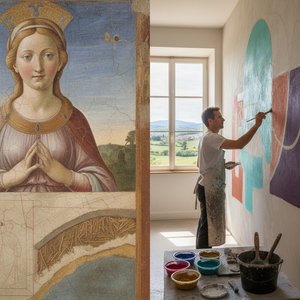
The Enduring Legacy of Fresco Painting: Techniques, History & Contemporary Relevance
Explore the rich history & enduring artistry of fresco painting – from Giotto to Michelangelo! Discover techniques, conservation efforts, & modern applications. Learn how OriginalUniqueArt brings this timeless art form to your home.

पारिवारिक विरासत का संरक्षण: भित्ति कला के माध्यम से पीढ़ीगत मूल्यों की अभिव्यक्ति
पारिवारिक विरासत को भित्ति कला के माध्यम से संरक्षित करें। फ्रेस्को तकनीक, राजस्थान की शैलियों और पीढ़ीगत मूल्यों का सुंदर प्रकटीकरण। विशेषज्ञ मार्गदर्शन प्राप्त करें।

दीवारों में बसती भावनाएं: आंतरिक भित्तिचित्रों की भावनात्मक शक्ति और कलात्मक विरासत (Diwaron Mein Basati Bhavnayein: Aantrik Bhittichitron Ki Bhaavanaatmak Shakti Aur Kalatmak Viraasat)
आंतरिक भित्तिचित्रों की भावनात्मक शक्ति और कलात्मक विरासत पर विशेषज्ञ मार्गदर्शन। भारतीय संस्कृति, डिज़ाइन सिद्धांतों और संरक्षण तकनीकों के बारे में जानें। अपने घर को जीवंत बनाएं!

