

 पूर्वावलोकन देखें
 भेजें
भेजें साझा करें
 विवरण देखें
 मार्गदर्शिका

 डाउनलोड करें
 समान वस्तुएं
 एक्स-रे
 स्लाइड शो देखें
 आंकड़े
Fuji


 और पढ़ें
इस पृष्ठ पर प्रदर्शित कलाकृति कॉपीराइट कानून द्वारा संरक्षित है, जिसका अर्थ है कि हम कानूनी रूप से इसकी हूबहू प्रतिलिपि बनाने या बेचने का अधिकार नहीं रखते हैं। यह संरक्षण अंतर्राष्ट्रीय समझौतों के तहत लागू किया जाता है, जैसे कि बर्न कन्वेंशन और राष्ट्रीय कानूनों द्वारा, जिनमें % द्वारा निर्धारित कानून भी शामिल हैं। अमेरिकी कॉपीराइट कानून - शीर्षक 17।
यह विधि कॉपीराइट नियमों का पूरी तरह से पालन करती है क्योंकि इसमें संरक्षित कलाकृति की नकल या प्रतिलिपि बनाना शामिल नहीं है। इसके बजाय, यह एक रचनात्मक पुनर्व्याख्या है - एक ऐसी नई पेंटिंग जो मूल कृति से प्रेरित तो है, लेकिन उसके समान नहीं है।
गिक्ली / आर्ट प्रिंट
तेज़ उत्पादन और विभिन्न फिनिश विकल्पों के साथ म्यूजियम-क्वालिटी गिकली (giclée) या कैनवस प्रिंट। ( हाथ से बनी पेंटिंग खरीदें डिजिटल इमेज पर जाएँ)




P118B ₹10

P118H ₹10

P118W ₹10

P438Z ₹10

P508JH ₹12

P508YH ₹12

P805H ₹10

P805Z ₹10

P919BZ ₹10

P919G ₹10

P919XJ ₹10

P959ZH ₹10

P968JZ ₹12

W106C ₹8

W218G ₹10

W218JH ₹8

W218Y ₹10

W307PJ ₹10

W316G ₹10

W316PJ ₹8

W316Y ₹10

W398PJ ₹8

W4111J ₹10

W500HY ₹15

W500JH ₹15

W692G ₹12

W849H ₹8

W940BG ₹15

W953PJ ₹8




कलाकृति के मूल अनुपात से मेल खाने वाले हमारे पूर्व निर्धारित आकारों में से चुनें।

अपने फ्रेम या अपनी दीवार के अनुसार आवश्यक चौड़ाई और ऊंचाई दर्ज करें। प्रिंट को केवल काटा जा सकता है, चित्र से बड़ा कभी नहीं बनाया जा सकता, इसलिए अलग आकार का साइज चित्र का एक हिस्सा खो देता है। किसी भी चीज़ को प्रिंट करने से पहले हम आपकी स्वीकृति के लिए आपको एक डिजिटल मॉकअप भेजते हैं। इस पृष्ठ पर दिखाया गया चित्र वास्तविक कटिंग नहीं दिखाता है — केवल मॉकअप ही इसे दर्शाता है।
विश्वव्यापी डिलीवरी (), मानक 4/5 सप्ताह के बजाय मात्र 2 सप्ताह में। (23 अक्टूबर)

दुनिया भर में मुफ़्त एक्सप्रेस शिपिंग

प्रीमियम ग्रेड लिनेन कैनवास

पूर्ण शिपिंग बीमा

सीमा शुल्क और आयात कर वापसी की गारंटी

सटीक रंग मिलान की गारंटी

100 दिनों की वापसी नीति (केवल निर्माण दोष होने पर)

100% पैसे वापसी की गारंटी

थोक छूट का अवसर
 ग्लास का विकल्प केवल 110 सेमी से कम आकार में ही उपलब्ध है।

Fuji
गिक्ली / आर्ट प्रिंट
प्रतिकृति का आकार
-


कुल मूल्य
₹ 7665
The Enigmatic Landscape: An Introduction to Gerhard Richter's "Fuji"
Gerhard Richter’s “Fuji,” a work that exists primarily as meticulously rendered reproductions, isn’t merely a depiction of the iconic Japanese mountain; it’s an exploration of memory, perception, and the elusive nature of reality itself. Painted in 2013, this piece embodies a core element of Richter's oeuvre – his masterful manipulation of photographic source material. Rather than striving for immediate representation, he employs a technique that deliberately obscures, inviting viewers to contemplate the process of seeing and the inherent subjectivity involved in translating an image into paint.
The painting’s palette is deceptively simple: primarily shades of red, orange, and blue, arranged within a complex network of layered brushstrokes. These aren't vibrant, assertive colors; instead, they are muted, almost melancholic, suggesting a faded memory or a dreamlike state. The composition itself is deliberately ambiguous. While the central form undeniably evokes Mount Fuji’s recognizable silhouette – its distinctive conical shape rising above a hazy backdrop – it’s rendered with an unsettling softness, as if viewed through a veil of mist or watercolor. This deliberate blurring creates a sense of detachment, pulling us away from a literal representation and into a realm of emotional resonance.
Richter's Method: Appropriation and the Illusion of Reality
Richter’s approach to painting is famously rooted in appropriation – he frequently utilizes photographs as his starting point. “Fuji” exemplifies this practice perfectly. He doesn’t attempt to recreate a photograph directly; instead, he builds upon it, adding layers of paint, manipulating textures, and subtly altering the image's tonal values. This process isn’t about deception, but rather about revealing the inherent limitations of representation. As Richter himself has stated, his goal is not to create an accurate likeness, but to capture a feeling or mood associated with the original photograph.
The technique employed in “Fuji” is particularly noteworthy. Richter utilizes a layering method, applying thin washes of color over previous layers, creating a sense of depth and translucency. The brushstrokes are often loose and gestural, suggesting movement and spontaneity – a deliberate contrast to the seemingly static nature of the subject matter. This interplay between control and chance contributes significantly to the painting’s captivating quality.
Symbolism and the Weight of History
Mount Fuji holds profound cultural significance in Japan, representing beauty, spirituality, and resilience. It's a symbol deeply intertwined with Japanese history and mythology, frequently depicted in art and literature as a sacred mountain. Richter’s choice to focus on this iconic subject is therefore laden with meaning. Considering the artist’s own background – born in Dresden during a period of immense political upheaval in Germany – “Fuji” can be interpreted as a meditation on memory, displacement, and the enduring power of nature to transcend historical trauma.
The muted color palette and the painting's overall sense of ambiguity also evoke feelings of nostalgia and loss. It’s possible that Richter is drawing upon his own experiences of displacement and uncertainty, translating them into a visual language that speaks to the broader human condition. The mountain itself, standing as a silent witness to centuries of change, becomes a potent symbol of continuity and endurance.
Collecting “Fuji”: A Window into Richter’s World
Reproductions of Gerhard Richter's "Fuji" offer an accessible entry point into the artist’s complex and rewarding body of work. OriginalUniqueArt.com provides meticulously crafted, hand-painted reproductions that capture the essence of Richter’s unique style. These aren’t simply prints; they are faithful interpretations of his layered brushwork and subtle color shifts, allowing you to experience the painting's emotional depth and intellectual richness in your own space.
Whether displayed as a statement piece in a contemporary interior or studied for its artistic merits, “Fuji” remains a compelling testament to Richter’s mastery of abstraction and his profound engagement with the complexities of perception and memory. It is an artwork that invites contemplation, sparking dialogue about art, history, and the enduring power of visual representation.
प्रश्न और उत्तर
"Fuji" किस रंग की ओर झुका हुआ है?
गेरहार्ड रिक्टर द्वारा "Fuji" में Amber to Saffron रंग की प्रधानता है।
मैं गेरहार्ड रिक्टर द्वारा "Fuji" की छवि कैसे डाउनलोड कर सकता हूँ?
गेरहार्ड रिक्टर द्वारा "Fuji" की छवि को कलाकृति के डाउनलोड करें पेज से डाउनलोड किया जा सकता है: एक उच्च-रिज़ॉल्यूशन वाली डिजिटल इमेज डाउनलोड।
क्या मैं "Fuji" की ऑयल रिप्रोडक्शन (तेल चित्रकला प्रतिलिपि) ऑर्डर कर सकता हूँ?
"Fuji" लिनन कैनवास पर हाथ से पेंट किया गया एक ऑयल रिप्रोडक्शन के रूप में उपलब्ध है। आप विभिन्न आकारों का चयन करके इसके हाथ से पेंट की गई प्रतिकृति पेज पर ऑर्डर दे सकते हैं।
कलाकार का परिचय
गेरहार्ड रीख़्टर: आधुनिक कला के एक पथप्रदर्शक का जीवन और कार्य
गेरहार्ड रीख़्टर, जर्मनी के एक महान कलाकार, जिनका जन्म 1932 में ड्रेसडेन हुआ था, ने अपनी कलात्मक यात्रा से आधुनिक कला को गहराई से प्रभावित किया है। उनका जीवन विभाजन और परिवर्तन के दौर से गुजरा, जिसने उनकी कला को आकार दिया। द्वितीय विश्व युद्ध के दौरान पूर्वी जर्मनी में रहने का अनुभव, फिर पश्चिमी जर्मनी में पलायन, और लगातार शैलीगत प्रयोगों की खोज ने उन्हें एक अद्वितीय कलाकार बना दिया। रीख़्टर की शुरुआती ज़िंदगी ड्रेसडेन में बीती, जहाँ उन्होंने सामाजिक यथार्थवाद (socialist realism) के पारंपरिक प्रशिक्षण को प्राप्त किया। लेकिन जल्द ही, वे इस शैली से असंतुष्ट हो गए और अधिक स्वतंत्रता और रचनात्मकता की तलाश में निकल पड़े। 1961 में पश्चिमी जर्मनी जाने का उनका निर्णय उनके जीवन का एक महत्वपूर्ण मोड़ साबित हुआ, जहाँ उन्हें कलात्मक प्रयोगों की असीम संभावनाएं मिलीं।शैलीगत खोज: फोटोरियलिज़्म से अमूर्तता तक
डसेलडोर्फ में बसने के बाद, रीख़्टर ने विभिन्न शैलियों और तकनीकों के साथ प्रयोग करना शुरू कर दिया। उन्होंने फोटोरियलिज़्म (photorealism) को अपनाया, जहाँ वे तस्वीरों की हूबहू प्रतिकृतियाँ बनाते थे, लेकिन इसमें भी उन्होंने एक अनूठी विशेषता जोड़ी - चित्रों में धुंधलापन या अस्पष्टता का तत्व। यह धुंधलापन दर्शकों को वास्तविकता और प्रतिनिधित्व के बीच के अंतर पर विचार करने के लिए मजबूर करता है। साथ ही, रीख़्टर ने अमूर्त कला (abstract art) की ओर भी ध्यान दिया, जहाँ उन्होंने रंगों और आकारों के माध्यम से भावनाओं और विचारों को व्यक्त किया। उनकी अमूर्त रचनाएँ अक्सर अनियोजित और सहज होती हैं, जिनमें वे रंग को सतह पर फैलाते और फिर उसे एक विशेष उपकरण से खींचकर निकालते थे, जिससे अप्रत्याशित परिणाम प्राप्त होते थे। रीख़्टर ने सिगमार पोल्के (Sigmar Polke) के साथ मिलकर 'पूंजीवादी यथार्थवाद' (Capitalist Realism) की अवधारणा विकसित की, जो उपभोक्ता संस्कृति और मीडिया के प्रभाव को दर्शाती है।रंग चार्ट्स और प्रतीकात्मकता: कला में नए आयाम
रीख़्टर ने अपनी कला में रंग चार्ट्स (color charts) को भी शामिल किया, जो व्यवस्थित रंगों के वर्गों से बने होते हैं। ये रचनाएँ कला की पारंपरिक धारणाओं को चुनौती देती हैं और रंगों के संगठन और संयोजन की संभावनाओं का पता लगाती हैं। रीख़्टर की तस्वीरों पर आधारित चित्र अक्सर पारिवारिक तस्वीरें या समाचार पत्रों की छवियों से लिए जाते हैं, जिन्हें वे सावधानीपूर्वक चित्रित करते हैं। इन चित्रों में, वह व्यक्तिगत स्मृति और सामूहिक इतिहास के बीच संबंध स्थापित करने का प्रयास करते हैं। उनकी कला प्रतीकात्मकता (symbolism) से रहित नहीं है, लेकिन रीख़्टर प्रतीकों को स्पष्ट रूप से परिभाषित करने से बचते हैं, जिससे दर्शक अपनी व्याख्याएँ जोड़ सकते हैं।विरासत और प्रभाव: समकालीन कला पर रीख़्टर का प्रभाव
गेरहार्ड रीख़्टर ने समकालीन कला पर गहरा प्रभाव डाला है। उनकी कलात्मक स्वतंत्रता, निरंतर प्रयोग, और ऐतिहासिक तथा राजनीतिक विषयों के साथ गहन जुड़ाव ने उन्हें अपने समय के सबसे महत्वपूर्ण कलाकारों में से एक बना दिया है। रीख़्टर की रचनाएँ दुनिया भर के संग्रहालयों और दीर्घाओं में प्रदर्शित होती हैं, और उनकी पेंटिंग अक्सर रिकॉर्ड कीमतों पर नीलाम होती हैं। लेकिन उनकी कला का महत्व केवल बाजार मूल्य तक ही सीमित नहीं है; यह आधुनिक जीवन की जटिलताओं को समझने और स्मृति, पहचान और अर्थ की खोज करने का एक माध्यम है। रीख़्टर ने अनगिनत कलाकारों को प्रेरित किया है, जो उनकी नवीन तकनीकों और कलात्मक अन्वेषण के प्रति अटूट प्रतिबद्धता से प्रभावित हैं। उनकी विरासत केवल सुंदर वस्तुओं के निर्माण तक ही सीमित नहीं है; यह पेंटिंग की संभावनाओं को विस्तारित करने के बारे में भी है। वे समकालीन कला में एक महत्वपूर्ण शक्ति बने हुए हैं, अपनी चुनौतीपूर्ण और गहराई से प्रभावशाली रचनाओं से दर्शकों को प्रेरित करते और उत्तेजित करते रहते हैं। रीख़्टर की कला हमें वास्तविकता का सामना करने और अपने स्वयं के विचारों पर सवाल उठाने के लिए प्रोत्साहित करती है।
गेरहार्ड रिक्टर
1932 - , जर्मनी
संक्षिप्त जानकारी
- Artistic Movement Or Style:
- फोटो यथार्थवाद
- अमूर्तता
- पूंजीवादी यथार्थवाद
- Artists Or Movements Influenced By This Artist: समकालीन चित्रकार
- Artists Who Influenced This Artist:
- पाब्लो पिकासो
- जीन आरप
- Date Of Birth: 9 फरवरी 1932
- Full Name: गेरहार्ड रिक्टर
- Nationality: जर्मन
- Notable Artworks:
- एब्सट्रैक्ट बीड 610-1
- गिल्बर्ट
- एस. विद चाइल्ड
- 18 अक्टूबर 1977
- 256 Farben
- Place Of Birth: ड्रेसडेन, जर्मनी
संबंधित लेखों की सूची

Gerhard Richter: A Retrospective on Abstraction, Memory & the Photographic Source
Explore the profound world of Gerhard Richter's abstract paintings. Discover his techniques, influences, and lasting impact on contemporary art – a guide for discerning collectors.

अमूर्त अभिव्यंजनावाद: शीर्ष 10 कलाकृतियाँ जिन्होंने परिभाषित किया कला की दुनिया
अमूर्त अभिव्यंजनावाद की 10 उत्कृष्ट कृतियाँ जानें! पोलक, रोथको जैसे कलाकारों के अनूठे रंगों और भावनाओं का अनुभव करें। OriginalUniqueArt.com पर कला इतिहास की गहराई में जाएँ और अपने घर के लिए अद्वितीय सजावट खोजें। ऑनलाइन संग्रह देखें!

Kandinsky's Masterpieces: 25 Paintings That Define Abstract Art | OriginalUniqueArt
Journey through Wassily Kandinsky's 25 most iconic abstract paintings. Explore his revolutionary use of color, form & spiritual expressionism. Find museum-quality Kandinsky reproductions and elevate your home decor with OriginalUniqueArt.com. Discover all masterpieces on OriginalUniqueArt.com!

ज्यामितीय अमूर्तता: शीर्ष 10 उत्कृष्ट कृतियाँ जो कला को नया आकार देती हैं | OriginalUniqueArt.com
ज्यामितीय अमूर्तता की शीर्ष 10 उत्कृष्ट कृतियों का अन्वेषण करें! पिकासो, मोंड्रियन और अन्य कलाकारों के प्रेरणादायक कार्यों से कला इतिहास जानें। OriginalUniqueArt.com पर उच्च गुणवत्ता वाली कला प्रिंट और कैनवास खरीदें।
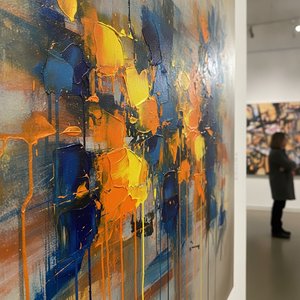
Beyond the Lines: Mastering the High-Impact World of Contemporary Abstraction
Master the high-impact world of contemporary abstraction. Discover how bold colors, textures, and modern movements like Abstract Expressionism can transform your space with premium, high-energy art curated for the design-conscious professional.


