पूर्वावलोकन देखें
 साझा करें
 साझा करें
 विस्तृत विवरण
 मार्गदर्शिका

 डाउनलोड करें
 समान वस्तुएं
 एक्स-रे
 स्लाइड शो देखें
 प्रश्न और उत्तर
 आंकड़े
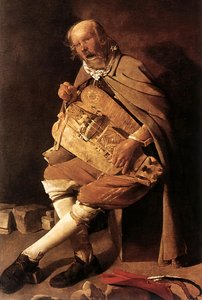
The Newborn


 पूरा देखें
गिक्ली / आर्ट प्रिंट
तेज़ उत्पादन और विभिन्न फिनिश विकल्पों के साथ म्यूजियम-क्वालिटी गिकली (giclée) या कैनवस प्रिंट। ( इस संग्रहणीय वस्तु की हाथ से बनी प्रतिकृति मंगवाएं डिजिटल इमेज पर स्विच करें)




P118B ₹10

P118H ₹10

P118W ₹10

P438Z ₹10

P508JH ₹12

P508YH ₹12

P805H ₹10

P805Z ₹10

P919BZ ₹10

P919G ₹10

P919XJ ₹10

P959ZH ₹10

P968JZ ₹12

W106C ₹8

W218G ₹10

W218JH ₹8

W218Y ₹10

W307PJ ₹10

W316G ₹10

W316PJ ₹8

W316Y ₹10

W398PJ ₹8

W4111J ₹10

W500HY ₹15

W500JH ₹15

W692G ₹12

W849H ₹8

W940BG ₹15

W953PJ ₹8




कलाकृति के मूल अनुपात से मेल खाने वाले हमारे पूर्व निर्धारित आकारों में से चुनें।

अपने फ्रेम या अपनी दीवार के अनुसार आवश्यक चौड़ाई और ऊंचाई दर्ज करें। प्रिंट को केवल काटा जा सकता है, चित्र से बड़ा कभी नहीं बनाया जा सकता, इसलिए अलग आकार का साइज चित्र का एक हिस्सा खो देता है। किसी भी चीज़ को प्रिंट करने से पहले हम आपकी स्वीकृति के लिए आपको एक डिजिटल मॉकअप भेजते हैं। इस पृष्ठ पर दिखाया गया चित्र वास्तविक कटिंग नहीं दिखाता है — केवल मॉकअप ही इसे दर्शाता है।
विश्वव्यापी डिलीवरी (), मानक 4/5 सप्ताह के बजाय मात्र 2 सप्ताह में। (6 नवमबर)

दुनिया भर में मुफ़्त एक्सप्रेस शिपिंग

उच्च गुणवत्ता वाला लिनेन कैनवास

पूर्ण शिपिंग बीमा

सीमा शुल्क और आयात कर वापसी की गारंटी

सटीक रंग मिलान की गारंटी

100 दिनों की वापसी नीति (केवल दोष होने पर)

100% पैसे वापसी की गारंटी

थोक छूट का अवसर
 ग्लास का विकल्प केवल 110 सेमी से कम आकार में ही उपलब्ध है।

The Newborn
गिक्ली / आर्ट प्रिंट
प्रतिकृति का आकार
-


कुल देय राशि
₹ 7848
A Moment of Divine Intimacy: Georges de La Tour’s *The Newborn*
Georges de La Tour's 1649 masterpiece, *The Newborn*, is a profoundly moving depiction of the Virgin Mary cradling the infant Jesus. This Baroque painting exemplifies the artist’s signature style – a masterful use of chiaroscuro and an intimate portrayal of religious narrative. It offers a serene yet deeply emotional experience for the viewer, making it a captivating focal point for any collection or interior space.Style & Technique: The Essence of Baroque Tenebrism
De La Tour was a key figure in bringing Caravaggism to France, and *The Newborn* vividly demonstrates this influence. The painting is characterized by dramatic tenebrism, where stark contrasts between light and shadow sculpt the figures and heighten their emotional presence. Oil paints are applied with meticulous detail on canvas, creating smooth transitions of tone and rich color saturation. Notice how the light doesn’t simply illuminate; it *defines* form and directs our gaze to the central subjects. The brushstrokes, while visible upon close inspection, blend seamlessly to create a sense of realism and texture – from the soft skin of Mary and Jesus to the heavier fabrics draped around them.Subject & Composition: A Pyramidal Sanctuary
The composition is elegantly pyramidal, with Mary and the baby forming the apex, drawing the viewer’s eye upwards towards a sense of spiritual elevation. A second female figure leans in, observing this sacred moment – often identified as Saint Anne, mother of Mary. The scene unfolds within a dimly lit interior, creating an atmosphere of quiet reverence and intimacy. This isn't a grand public spectacle; it is a private, tender encounter.Historical Context: Faith & Artistic Innovation
Painted in 1649, *The Newborn* reflects the religious fervor prevalent during the Baroque period. De La Tour lived through turbulent times – France was engaged in conflicts and undergoing significant social change. His art offered a refuge, focusing on deeply personal faith and human connection. He served as “Painter to the King” yet maintained a strong connection to local patrons, reflecting his ability to bridge courtly sophistication with everyday devotion. Interestingly, De La Tour’s work experienced a period of obscurity after his death before being rediscovered in the 20th century.Symbolism & Emotional Resonance
The symbolism within *The Newborn* is rich and layered. The infant Jesus represents divinity incarnate, while Mary embodies motherhood, faith, and compassion. The attendant figure serves as a witness to this holy event, inviting the viewer to share in their contemplation. The painting evokes feelings of reverence, tenderness, and serenity. It’s not merely an illustration of a biblical story; it's an invitation to experience the profound emotional power of maternal love and spiritual devotion.Color Palette & Interior Design Considerations
The color palette is dominated by warm tones – reds, oranges, and browns – creating a sense of intimacy and spiritual warmth. These hues lend themselves beautifully to various interior design schemes, particularly those seeking a classic, elegant, or contemplative atmosphere. A reproduction of *The Newborn* would be stunning in a library, bedroom, or chapel-like space, adding depth and sophistication to the surroundings.- Ideal for: Traditional, Baroque, Eclectic interiors
- Color Harmony: Complements warm neutral palettes, rich wood tones, and jewel-toned accents.
- Placement Suggestions: Above a fireplace, in a reading nook, or as a focal point in a dining room.
प्रश्न और उत्तर
आज जॉर्ज द ला टूर द्वारा "The Newborn" कहाँ प्रदर्शित है?
जॉर्ज द ला टूर द्वारा "The Newborn", Musée Des Beaux, Rennes, France में प्रदर्शित है। संग्रहालय की इस सूची का संदर्भ मूल कृति से है, न कि उसकी प्रतिकृतियों से।
इस तिथि को देखते हुए, "The Newborn" जॉर्ज द ला टूर के करियर के किस चरण में आता है?
अपनी 1649 की तिथि को देखते हुए, "The Newborn" जॉर्ज द ला टूर के Mature Period काल का हिस्सा है।
क्या मैं "The Newborn" का अधिक विस्तार से निरीक्षण कर सकता हूँ?
जॉर्ज द ला टूर द्वारा "The Newborn" का एक्स-रे दृश्य कलाकृति के एक्स-रे विश्लेषण पृष्ठ पर उपलब्ध है: ग्यारह ऑप्टिकल परतों के माध्यम से छवि का एक संवादात्मक अन्वेषण।
कलाकार की जीवनी
जॉर्जेस डे ला टूर: छाया और प्रकाश के जादूगर
फ्रांसीसी बारोक कला के आकाश में, जॉर्जेस डे ला टूर एक ऐसा सितारा हैं जो अपनी रहस्यमयी चमक से हमेशा मोहित करते रहे हैं। 1593 में विक-सुर-सील में जन्मे, लॉरैन के इस कलाकार का जीवन धार्मिक उत्साह और राजनीतिक उथल-पुथल के बीच बीता। उनके शुरुआती प्रशिक्षण के बारे में बहुत कम जानकारी है, लेकिन यह माना जाता है कि उन्होंने स्थानीय कलाकारों से सीखा या शायद इटली की यात्रा भी की होगी। उनका परिवार साधारण था - उनके पिता एक बेकर थे - लेकिन उनकी माँ के वंश में कुछ कुलीनता का संकेत मिलता है, जो शायद उनकी कला में पाई जाने वाली गरिमा और शांति को प्रभावित करता है। 1617 में डायन ले नर्फ से विवाह करने के बाद, उन्होंने ल्यूनविल में अपना घर बनाया, जहाँ उन्होंने फ्रांसीसी दरबार और लॉरैन के ड्यूक दोनों की सेवा करते हुए अपने अधिकांश करियर को समर्पित किया। यह उन्हें फलने-फूलने का अवसर प्रदान करता था, लेकिन उनकी सच्ची प्रतिभा घरेलू दृश्यों और धार्मिक चिंतन के भीतर उजागर हुई।
प्रभाव और विकास: छाया और प्रकाश का नृत्य
जॉर्जेस डे ला टूर की कला यात्रा नवाचार से नहीं, बल्कि मौजूदा प्रभावों के एक कुशल संश्लेषण से चिह्नित थी, जिसे उन्होंने अपनी अनूठी संवेदनशीलता के माध्यम से रूपांतरित किया। उनकी पेंटिंग को परिभाषित करने वाला नाटकीय चियारोस्कोरो - प्रकाश और अंधेरे का तीव्र विरोधाभास - इतालवी मास्टर कारावागियो के प्रति एक निर्विवाद ऋण है, जिसने अपने गहन यथार्थवादी और भावनात्मक रूप से आवेशित दृश्यों के साथ पेंटिंग में क्रांति ला दी। हालाँकि, डे ला टूर ने केवल नकल नहीं की; उन्होंने उट्रेच स्कूल जैसे डच कारावाजिस्टों के माध्यम से कारावागिज़्म को फ़िल्टर किया। इस संलयन ने एक ऐसी शैली का निर्माण किया जो शक्तिशाली होने के साथ-साथ संयमित भी थी। उन्होंने अपने शुरुआती कार्यों में अधिक जीवंतता और गतिशीलता दिखाई, जो उट्रेच स्कूल के प्रभाव को दर्शाते हैं। लेकिन जैसे-जैसे उनका करियर आगे बढ़ा, वे तेजी से अंतर्मुखी और न्यूनतम सौंदर्य की ओर बढ़े। उन्होंने रचनाओं को कम करना शुरू कर दिया, आवश्यक रूपों पर ध्यान केंद्रित किया और अनावश्यक विवरणों को कम किया, ऐसे दृश्य बनाए जो एक साथ कालातीत और गहराई से व्यक्तिगत दोनों महसूस होते थे। यह विकास केवल तकनीकी नहीं था; यह उनकी बढ़ती आध्यात्मिक गहराई और मानवीय स्थिति के गहन भावनात्मक सत्यों को सरल साधनों के माध्यम से व्यक्त करने की इच्छा का प्रतिबिंब था।
मोमबत्ती की रोशनी और चिंतन: प्रमुख कार्य और आवर्ती विषय
डे ला टूर के कार्यों की विशिष्ट विशेषता निस्संदेह मोमबत्ती की रोशनी का उनका कुशल उपयोग है, जिसका उन्होंने न केवल प्रकाश स्रोत के रूप में बल्कि दिव्य अनुग्रह और आध्यात्मिक जागरण के लिए एक रूपक के रूप में भी इस्तेमाल किया। उनके चित्रों को अक्सर रात में स्थापित किया जाता है, जिसमें आकृतियों को एक ही मोमबत्ती या दीपक की गर्म, टिमटिमाती चमक से स्नान किया जाता है। यह अंतरंगता और शांत चिंतन का माहौल बनाता है, दर्शक को दृश्य में खींचता है और उन्हें विषयों के भावनात्मक अनुभव को साझा करने के लिए आमंत्रित करता है। द फॉर्च्यून-टेलर, लगभग 1630 में चित्रित, इस प्रारंभिक शैली का एक उत्कृष्ट उदाहरण है - तेज अवलोकन और नाटकीय प्रकाश व्यवस्था के साथ प्रस्तुत एक जीवंत शैलीगत दृश्य। लेकिन उनकी बाद की धार्मिक कृतियाँ वास्तव में उनकी प्रतिभा को प्रदर्शित करती हैं। लगभग 1640 में बनाई गई अडोरेशन ऑफ द शेफर्ड्स, पारंपरिक विषय को गहन भावनात्मक प्रतिध्वनि के साथ निहित करने की उनकी क्षमता का प्रदर्शन करता है। आंकड़े आदर्श या वीर नहीं हैं; वे साधारण लोग हैं, जो दिव्य की उपस्थिति से विनम्र हैं। सेंट पीटर के आँसू, 1650 के दशक में चित्रित, उनके मनोवैज्ञानिक अंतर्दृष्टि का एक विशेष रूप से मार्मिक उदाहरण है - प्रेरित का शोक दिल दहला देने वाली सूक्ष्मता और यथार्थवाद के साथ प्रस्तुत किया गया है। सेंट जोसेफ द कारपेंटर, एक और प्रतिष्ठित कार्य, एक शांत घरेलू दृश्य को उजागर करता है, जो रोजमर्रा की जिंदगी की शांत गरिमा को पकड़ने की उनकी महारत को दर्शाता है। ये पेंटिंग केवल धार्मिक घटनाओं का चित्रण नहीं हैं; वे विश्वास, संदेह और मानव स्थिति पर चिंतन हैं।
खोजी विरासत: ऐतिहासिक महत्व और स्थायी अपील
अपने जीवनकाल में मान्यता प्राप्त होने के बावजूद - उन्हें 1638 में लुई XIII द्वारा "राजा के चित्रकार" नियुक्त किया गया था - डे ला टूर का काम उनकी मृत्यु के बाद सापेक्ष अस्पष्टता में गिर गया। सदियों तक, उनकी कई पेंटिंग को अन्य कलाकारों को गलत तरीके से जिम्मेदार ठहराया गया था, और उनका नाम कला ऐतिहासिक स्मृति से फीका पड़ गया था। 20वीं शताब्दी की शुरुआत तक यह एक केंद्रित प्रयास नहीं किया गया था ताकि उनके कार्यों को फिर से खोजा जा सके और उनका पुनर्मूल्यांकन किया जा सके, जर्मन कला इतिहासकार हरमन वोस के नेतृत्व में। इस खोज ने असाधारण मौलिकता और गहराई वाले कलाकार को उजागर किया, जिनकी रचनाएँ कारावागिज़्म और फ्रांसीसी क्लासिसिज्म के बीच एक सेतु बनाती हैं। प्रकाश और छाया के उनके अभिनव उपयोग, साथ ही उनके विषयों की मनोवैज्ञानिक अंतर्दृष्टि, आज भी दर्शकों को मोहित करते रहते हैं। उनके चित्रों से 17वीं शताब्दी के जीवन और आध्यात्मिकता में झांकने का अवसर मिलता है, जो उस समय के धार्मिक उत्साह और सामाजिक वास्तविकताओं दोनों को दर्शाता है। वे अपनी कला के इतिहास में एक महत्वपूर्ण व्यक्ति के रूप में अपनी जगह बनाए रखने के लिए, हर समय की भावना और मानवीय संबंध की टिमटिमाती रोशनी में आशा खोजने की याद दिलाते हुए, रोजमर्रा के दृश्यों में गहन अर्थ और भावनात्मक गहराई डालने की उनकी क्षमता के लिए मनाए जाते हैं।

जॉर्ज द ला टूर
1593 - 1652 , फ्रांस
प्रमुख तथ्य
- कलात्मक शैली: बरोक, तेनेब्रिज्म
- जन्म तिथि: 13 मार्च 1593
- जन्म स्थान: विक-सुर-सील, फ्रांस
- पूरा नाम: जॉर्ज डे ला टूर
- प्रभावित कलाकार:
- कारावागियो
- हेनड्रिक टेरब्रुघेन
- प्रभावित शैलियाँ: ['फ्रांसीसी क्लासिसिज्म']
- प्रमुख कलाकृतियाँ:
- द फॉर्च्यून टेलर
- शेफर्ड्स का आराधना
- सेंट पीटर के आँसू
- सेंट जोसेफ बढ़ई
- मृत्यु तिथि: 30 जनवरी 1652
- राष्ट्रीयता: फ्रांसीसी
संबंधित लेख

जॉर्ज पियरे सेउरा की 25 उत्कृष्ट कृतियाँ: कला, इतिहास और आपके घर के लिए प्रेरणा
जॉर्ज सेउरा की 25 सर्वश्रेष्ठ कृतियों का अन्वेषण करें! बिंदुवाद, आधुनिक कला और रंग सिद्धांत के जादू को जानें। उच्च गुणवत्ता वाले कला प्रिंट और दीवार सजावट के लिए OriginalUniqueArt.com पर खोजें।
Georges de La Tour: Luminosity, Spirituality & Realism in Baroque Painting
Discover the captivating world of Georges de La Tour, a Baroque master renowned for his dramatic chiaroscuro & spiritual realism. Explore key works, influences, and his remarkable rediscovery. Learn more at OriginalUniqueArt.

फ्रांसिस्को गोया की शीर्ष 25 कलाकृतियाँ: इतिहास, कहानी और सजावट के लिए प्रेरणा
फ्रांसिस्को गोया की शीर्ष 25 कलाकृतियों का अन्वेषण करें! स्पेनिश कला, ऐतिहासिक चित्र और भावनात्मक गहराई से भरी पेंटिंग देखें। घर की सजावट के लिए प्रेरणा पाएं और OriginalUniqueArt.com पर उच्च गुणवत्ता वाले कला पुनरुत्पादन खरीदें।

जॉर्जेस ब्राक की शीर्ष 25 कलाकृतियाँ: आधुनिक कला का सफर | OriginalUniqueArt
जॉर्जेस ब्राक की शीर्ष 25 कलाकृतियों का अन्वेषण करें! क्यूबिज्म, आधुनिक कला और फ्रांसीसी शैली के उत्कृष्ट नमूनों को जानें। OriginalUniqueArt.com पर उच्च-गुणवत्ता वाले कला प्रिंट और घर की सजावट के विचार खोजें। अभी संग्रह देखें!

Maurice Quentin de La Tour: Light, Shadow & the Rococo Portrait
Explore the captivating world of Maurice Quentin de La Tour, a master of Rococo portraiture. Discover his innovative pastel techniques, intimate depictions of French aristocracy, and lasting artistic legacy. Learn more at OriginalUniqueArt.