पूर्वावलोकन देखें
 भेजें
भेजें साझा करें
 विवरण देखें
 मार्गदर्शिका

 डाउनलोड करें
 समान वस्तुएं
 एक्स-रे
 स्लाइड शो देखें
 आंकड़े
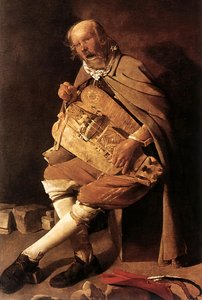
The Beggars' Brawl
 Oil On Canvas
- WallArt
- Tenebrism
 1620
1620 33.0 x 55.0 cm
 और पढ़ें
गिक्ली / आर्ट प्रिंट
तेज़ उत्पादन और विभिन्न फिनिश विकल्पों के साथ म्यूजियम-क्वालिटी गिकली (giclée) या कैनवस प्रिंट। ( हाथ से बनी पेंटिंग खरीदें डिजिटल इमेज पर जाएँ)




P118B ₹10

P118H ₹10

P118W ₹10

P438Z ₹10

P508JH ₹12

P508YH ₹12

P805H ₹10

P805Z ₹10

P919BZ ₹10

P919G ₹10

P919XJ ₹10

P959ZH ₹10

P968JZ ₹12

W106C ₹8

W218G ₹10

W218JH ₹8

W218Y ₹10

W307PJ ₹10

W316G ₹10

W316PJ ₹8

W316Y ₹10

W398PJ ₹8

W4111J ₹10

W500HY ₹15

W500JH ₹15

W692G ₹12

W849H ₹8

W940BG ₹15

W953PJ ₹8




कलाकृति के मूल अनुपात से मेल खाने वाले हमारे पूर्व निर्धारित आकारों में से चुनें।

अपने फ्रेम या अपनी दीवार के अनुसार आवश्यक चौड़ाई और ऊंचाई दर्ज करें। प्रिंट को केवल काटा जा सकता है, चित्र से बड़ा कभी नहीं बनाया जा सकता, इसलिए अलग आकार का साइज चित्र का एक हिस्सा खो देता है। किसी भी चीज़ को प्रिंट करने से पहले हम आपकी स्वीकृति के लिए आपको एक डिजिटल मॉकअप भेजते हैं। इस पृष्ठ पर दिखाया गया चित्र वास्तविक कटिंग नहीं दिखाता है — केवल मॉकअप ही इसे दर्शाता है।
विश्वव्यापी डिलीवरी (), मानक 4/5 सप्ताह के बजाय मात्र 2 सप्ताह में। (23 अक्टूबर)

दुनिया भर में मुफ़्त एक्सप्रेस शिपिंग

प्रीमियम ग्रेड लिनेन कैनवास

पूर्ण शिपिंग बीमा

सीमा शुल्क और आयात कर वापसी की गारंटी

सटीक रंग मिलान की गारंटी

100 दिनों की वापसी नीति (केवल निर्माण दोष होने पर)

100% पैसे वापसी की गारंटी

थोक छूट का अवसर
 ग्लास का विकल्प केवल 110 सेमी से कम आकार में ही उपलब्ध है।

The Beggars' Brawl
गिक्ली / आर्ट प्रिंट
प्रतिकृति का आकार
-


कुल मूल्य
₹ 7681
A Shadowed Tableau: Unveiling Georges de la Tour’s ‘The Beggars’ Brawl’
Georges de la Tour’s “The Beggars’ Brawl,” painted in 1620, isn't merely a depiction of a street scene; it’s a meticulously crafted exploration of human nature bathed in the dramatic chiaroscuro that defined his signature style. This intimate canvas, measuring just 33 x 55 cm, transports us to a dimly lit corner of 17th-century Lorraine, a world where poverty and desperation simmer beneath a veneer of uneasy truce. The painting immediately arrests the eye with its masterful use of light – a single, almost theatrical lantern illuminating the central figures while plunging the surrounding space into deep shadow. This technique, characteristic of Tenebrism, isn’t simply an aesthetic choice; it serves to heighten the drama and focus our attention on the intense interaction unfolding before us.

A Study in Human Condition: Symbolism and Narrative
At the heart of the scene stands a man, identifiable by his prominent beard and animated gestures, holding what appears to be an object – perhaps a coin or a piece of food – that fuels the dispute. His face is etched with a mixture of anger and desperation, mirroring the expressions of those around him. The other figures—a collection of beggars, their clothing ragged and worn—are caught in a moment of intense confrontation. The bowl on the right side of the painting isn’t just a prop; it suggests a shared hardship, a communal reliance on meager resources. It speaks to a society where survival was often precarious, and even the simplest interactions could escalate into conflict. The inclusion of a drum-beater further emphasizes the chaotic nature of the gathering – a signal for attention, perhaps a call to action or simply a desperate attempt to draw sympathy.
The Master’s Technique: Chiaroscuro and Baroque Realism
Georges de la Tour was a master of light and shadow, meticulously rendering textures and forms with an almost photographic realism. He achieved this through painstaking layering of thin glazes of oil paint, building up the image gradually to create a sense of depth and volume. Notice how he captures the sheen of wet clothing, the roughness of weathered skin, and the subtle folds in the fabric. His use of color is restrained – predominantly browns, ochres, and blacks—further enhancing the dramatic effect. De la Tour’s work represents a departure from the idealized representations common in earlier Renaissance art; instead, he presents a raw and unflinching portrayal of everyday life, capturing not just appearances but also the underlying emotions and tensions of his subjects.
Historical Context: Lorraine in Transition
“The Beggars’ Brawl” was painted during a period of significant social and political upheaval in France. The Duchy of Lorraine, then under French control, experienced a complex interplay of religious fervor, economic hardship, and political instability. De la Tour's work reflects this atmosphere, offering a glimpse into the lives of those marginalized by society – the poor, the dispossessed, and the forgotten. The painting’s setting in Lunévi, a small town within Lorraine, adds to its authenticity, grounding the scene in a specific time and place. It’s important to note that de la Tour's artistic career unfolded largely outside of Paris, allowing him to develop a distinct style influenced by both Northern European traditions (particularly the Dutch Caravaggisti) and the spiritual intensity of his own region.
Bringing ‘The Beggars’ Brawl’ Home: A Reproduction for Your Space
OriginalUniqueArt offers meticulously crafted hand-painted reproductions of “The Beggars’ Brawl,” allowing you to experience the power and beauty of de la Tour's masterpiece in your own home. Our skilled artists replicate every detail, from the subtle nuances of light and shadow to the expressive faces of the figures, ensuring an authentic representation of this iconic work. Available in a range of sizes and mediums – including fine art prints on premium canvas or archival paper – our reproductions provide a stunning addition to any collection. Explore our selection today and bring the drama and emotional depth of “The Beggars’ Brawl” into your space.
प्रश्न और उत्तर
जॉर्ज द ला टूर द्वारा "The Beggars' Brawl" में किस स्तर की संतृप्ति (saturation) और तीव्रता दिखाई देती है?
जॉर्ज द ला टूर द्वारा "The Beggars' Brawl" के रंग Balanced Soft संतृप्ति (saturation) और Balanced तीव्रता प्रदर्शित करते हैं।
क्या मैं अपने कमरे में जॉर्ज द ला टूर द्वारा "The Beggars' Brawl" को देखने के लिए ऑगमेंटेड रियलिटी (augmented reality) का उपयोग कर सकता हूँ?
"The Beggars' Brawl" में एक ऑगमेंटेड रियलिटी प्रीव्यू उपलब्ध है: कलाकृति का एआर प्रीव्यू पेज एक संगत डिवाइस पर इसे आपके अपने स्थान में दिखाता है।
"The Beggars' Brawl" किस सामग्री से बना है, और इसकी शैली क्या है?
"The Beggars' Brawl" को Oil On Canvas में, Tenebrism शैली में बनाया गया है।
कलाकार का परिचय
जॉर्जेस डे ला टूर: छाया और प्रकाश के जादूगर
फ्रांसीसी बारोक कला के आकाश में, जॉर्जेस डे ला टूर एक ऐसा सितारा हैं जो अपनी रहस्यमयी चमक से हमेशा मोहित करते रहे हैं। 1593 में विक-सुर-सील में जन्मे, लॉरैन के इस कलाकार का जीवन धार्मिक उत्साह और राजनीतिक उथल-पुथल के बीच बीता। उनके शुरुआती प्रशिक्षण के बारे में बहुत कम जानकारी है, लेकिन यह माना जाता है कि उन्होंने स्थानीय कलाकारों से सीखा या शायद इटली की यात्रा भी की होगी। उनका परिवार साधारण था - उनके पिता एक बेकर थे - लेकिन उनकी माँ के वंश में कुछ कुलीनता का संकेत मिलता है, जो शायद उनकी कला में पाई जाने वाली गरिमा और शांति को प्रभावित करता है। 1617 में डायन ले नर्फ से विवाह करने के बाद, उन्होंने ल्यूनविल में अपना घर बनाया, जहाँ उन्होंने फ्रांसीसी दरबार और लॉरैन के ड्यूक दोनों की सेवा करते हुए अपने अधिकांश करियर को समर्पित किया। यह उन्हें फलने-फूलने का अवसर प्रदान करता था, लेकिन उनकी सच्ची प्रतिभा घरेलू दृश्यों और धार्मिक चिंतन के भीतर उजागर हुई।
प्रभाव और विकास: छाया और प्रकाश का नृत्य
जॉर्जेस डे ला टूर की कला यात्रा नवाचार से नहीं, बल्कि मौजूदा प्रभावों के एक कुशल संश्लेषण से चिह्नित थी, जिसे उन्होंने अपनी अनूठी संवेदनशीलता के माध्यम से रूपांतरित किया। उनकी पेंटिंग को परिभाषित करने वाला नाटकीय चियारोस्कोरो - प्रकाश और अंधेरे का तीव्र विरोधाभास - इतालवी मास्टर कारावागियो के प्रति एक निर्विवाद ऋण है, जिसने अपने गहन यथार्थवादी और भावनात्मक रूप से आवेशित दृश्यों के साथ पेंटिंग में क्रांति ला दी। हालाँकि, डे ला टूर ने केवल नकल नहीं की; उन्होंने उट्रेच स्कूल जैसे डच कारावाजिस्टों के माध्यम से कारावागिज़्म को फ़िल्टर किया। इस संलयन ने एक ऐसी शैली का निर्माण किया जो शक्तिशाली होने के साथ-साथ संयमित भी थी। उन्होंने अपने शुरुआती कार्यों में अधिक जीवंतता और गतिशीलता दिखाई, जो उट्रेच स्कूल के प्रभाव को दर्शाते हैं। लेकिन जैसे-जैसे उनका करियर आगे बढ़ा, वे तेजी से अंतर्मुखी और न्यूनतम सौंदर्य की ओर बढ़े। उन्होंने रचनाओं को कम करना शुरू कर दिया, आवश्यक रूपों पर ध्यान केंद्रित किया और अनावश्यक विवरणों को कम किया, ऐसे दृश्य बनाए जो एक साथ कालातीत और गहराई से व्यक्तिगत दोनों महसूस होते थे। यह विकास केवल तकनीकी नहीं था; यह उनकी बढ़ती आध्यात्मिक गहराई और मानवीय स्थिति के गहन भावनात्मक सत्यों को सरल साधनों के माध्यम से व्यक्त करने की इच्छा का प्रतिबिंब था।
मोमबत्ती की रोशनी और चिंतन: प्रमुख कार्य और आवर्ती विषय
डे ला टूर के कार्यों की विशिष्ट विशेषता निस्संदेह मोमबत्ती की रोशनी का उनका कुशल उपयोग है, जिसका उन्होंने न केवल प्रकाश स्रोत के रूप में बल्कि दिव्य अनुग्रह और आध्यात्मिक जागरण के लिए एक रूपक के रूप में भी इस्तेमाल किया। उनके चित्रों को अक्सर रात में स्थापित किया जाता है, जिसमें आकृतियों को एक ही मोमबत्ती या दीपक की गर्म, टिमटिमाती चमक से स्नान किया जाता है। यह अंतरंगता और शांत चिंतन का माहौल बनाता है, दर्शक को दृश्य में खींचता है और उन्हें विषयों के भावनात्मक अनुभव को साझा करने के लिए आमंत्रित करता है। द फॉर्च्यून-टेलर, लगभग 1630 में चित्रित, इस प्रारंभिक शैली का एक उत्कृष्ट उदाहरण है - तेज अवलोकन और नाटकीय प्रकाश व्यवस्था के साथ प्रस्तुत एक जीवंत शैलीगत दृश्य। लेकिन उनकी बाद की धार्मिक कृतियाँ वास्तव में उनकी प्रतिभा को प्रदर्शित करती हैं। लगभग 1640 में बनाई गई अडोरेशन ऑफ द शेफर्ड्स, पारंपरिक विषय को गहन भावनात्मक प्रतिध्वनि के साथ निहित करने की उनकी क्षमता का प्रदर्शन करता है। आंकड़े आदर्श या वीर नहीं हैं; वे साधारण लोग हैं, जो दिव्य की उपस्थिति से विनम्र हैं। सेंट पीटर के आँसू, 1650 के दशक में चित्रित, उनके मनोवैज्ञानिक अंतर्दृष्टि का एक विशेष रूप से मार्मिक उदाहरण है - प्रेरित का शोक दिल दहला देने वाली सूक्ष्मता और यथार्थवाद के साथ प्रस्तुत किया गया है। सेंट जोसेफ द कारपेंटर, एक और प्रतिष्ठित कार्य, एक शांत घरेलू दृश्य को उजागर करता है, जो रोजमर्रा की जिंदगी की शांत गरिमा को पकड़ने की उनकी महारत को दर्शाता है। ये पेंटिंग केवल धार्मिक घटनाओं का चित्रण नहीं हैं; वे विश्वास, संदेह और मानव स्थिति पर चिंतन हैं।
खोजी विरासत: ऐतिहासिक महत्व और स्थायी अपील
अपने जीवनकाल में मान्यता प्राप्त होने के बावजूद - उन्हें 1638 में लुई XIII द्वारा "राजा के चित्रकार" नियुक्त किया गया था - डे ला टूर का काम उनकी मृत्यु के बाद सापेक्ष अस्पष्टता में गिर गया। सदियों तक, उनकी कई पेंटिंग को अन्य कलाकारों को गलत तरीके से जिम्मेदार ठहराया गया था, और उनका नाम कला ऐतिहासिक स्मृति से फीका पड़ गया था। 20वीं शताब्दी की शुरुआत तक यह एक केंद्रित प्रयास नहीं किया गया था ताकि उनके कार्यों को फिर से खोजा जा सके और उनका पुनर्मूल्यांकन किया जा सके, जर्मन कला इतिहासकार हरमन वोस के नेतृत्व में। इस खोज ने असाधारण मौलिकता और गहराई वाले कलाकार को उजागर किया, जिनकी रचनाएँ कारावागिज़्म और फ्रांसीसी क्लासिसिज्म के बीच एक सेतु बनाती हैं। प्रकाश और छाया के उनके अभिनव उपयोग, साथ ही उनके विषयों की मनोवैज्ञानिक अंतर्दृष्टि, आज भी दर्शकों को मोहित करते रहते हैं। उनके चित्रों से 17वीं शताब्दी के जीवन और आध्यात्मिकता में झांकने का अवसर मिलता है, जो उस समय के धार्मिक उत्साह और सामाजिक वास्तविकताओं दोनों को दर्शाता है। वे अपनी कला के इतिहास में एक महत्वपूर्ण व्यक्ति के रूप में अपनी जगह बनाए रखने के लिए, हर समय की भावना और मानवीय संबंध की टिमटिमाती रोशनी में आशा खोजने की याद दिलाते हुए, रोजमर्रा के दृश्यों में गहन अर्थ और भावनात्मक गहराई डालने की उनकी क्षमता के लिए मनाए जाते हैं।

जॉर्ज द ला टूर
1593 - 1652 , फ्रांस
संक्षिप्त जानकारी
- कलात्मक शैली: बरोक, तेनेब्रिज्म
- जन्म तिथि: 13 मार्च 1593
- जन्म स्थान: विक-सुर-सील, फ्रांस
- पूरा नाम: जॉर्ज डे ला टूर
- प्रभावित कलाकार:
- कारावागियो
- हेनड्रिक टेरब्रुघेन
- प्रभावित शैलियाँ: ['फ्रांसीसी क्लासिसिज्म']
- प्रमुख कलाकृतियाँ:
- द फॉर्च्यून टेलर
- शेफर्ड्स का आराधना
- सेंट पीटर के आँसू
- सेंट जोसेफ बढ़ई
- मृत्यु तिथि: 30 जनवरी 1652
- राष्ट्रीयता: फ्रांसीसी
संबंधित लेखों की सूची

फ्रांसिस्को गोया की शीर्ष 25 कलाकृतियाँ: इतिहास, कहानी और सजावट के लिए प्रेरणा
फ्रांसिस्को गोया की शीर्ष 25 कलाकृतियों का अन्वेषण करें! स्पेनिश कला, ऐतिहासिक चित्र और भावनात्मक गहराई से भरी पेंटिंग देखें। घर की सजावट के लिए प्रेरणा पाएं और OriginalUniqueArt.com पर उच्च गुणवत्ता वाले कला पुनरुत्पादन खरीदें।
Georges de La Tour: Luminosity, Spirituality & Realism in Baroque Painting
Discover the captivating world of Georges de La Tour, a Baroque master renowned for his dramatic chiaroscuro & spiritual realism. Explore key works, influences, and his remarkable rediscovery. Learn more at OriginalUniqueArt.

जॉर्जेस ब्राक की शीर्ष 25 कलाकृतियाँ: आधुनिक कला का सफर | OriginalUniqueArt
जॉर्जेस ब्राक की शीर्ष 25 कलाकृतियों का अन्वेषण करें! क्यूबिज्म, आधुनिक कला और फ्रांसीसी शैली के उत्कृष्ट नमूनों को जानें। OriginalUniqueArt.com पर उच्च-गुणवत्ता वाले कला प्रिंट और घर की सजावट के विचार खोजें। अभी संग्रह देखें!

Maurice Quentin de La Tour: Light, Shadow & the Rococo Portrait
Explore the captivating world of Maurice Quentin de La Tour, a master of Rococo portraiture. Discover his innovative pastel techniques, intimate depictions of French aristocracy, and lasting artistic legacy. Learn more at OriginalUniqueArt.

जॉर्ज पियरे सेउरा की 25 उत्कृष्ट कृतियाँ: कला, इतिहास और आपके घर के लिए प्रेरणा
जॉर्ज सेउरा की 25 सर्वश्रेष्ठ कृतियों का अन्वेषण करें! बिंदुवाद, आधुनिक कला और रंग सिद्धांत के जादू को जानें। उच्च गुणवत्ता वाले कला प्रिंट और दीवार सजावट के लिए OriginalUniqueArt.com पर खोजें।