

 पूर्वावलोकन देखें
 भेजें
भेजें साझा करें
 विवरण देखें
 मार्गदर्शिका

 डाउनलोड करें
 समान वस्तुएं
 एक्स-रे
 स्लाइड शो देखें
 आंकड़े
Landscape from Estac 1


 और पढ़ें
इस पृष्ठ पर प्रदर्शित कलाकृति कॉपीराइट कानून द्वारा संरक्षित है, जिसका अर्थ है कि हम कानूनी रूप से इसकी हूबहू प्रतिलिपि बनाने या बेचने का अधिकार नहीं रखते हैं। यह संरक्षण अंतर्राष्ट्रीय समझौतों के तहत लागू किया जाता है, जैसे कि बर्न कन्वेंशन और राष्ट्रीय कानूनों द्वारा, जिनमें % द्वारा निर्धारित कानून भी शामिल हैं। अमेरिकी कॉपीराइट कानून - शीर्षक 17।
यह विधि कॉपीराइट नियमों का पूरी तरह से पालन करती है क्योंकि इसमें संरक्षित कलाकृति की नकल या प्रतिलिपि बनाना शामिल नहीं है। इसके बजाय, यह एक रचनात्मक पुनर्व्याख्या है - एक ऐसी नई पेंटिंग जो मूल कृति से प्रेरित तो है, लेकिन उसके समान नहीं है।
गिक्ली / आर्ट प्रिंट
तेज़ उत्पादन और विभिन्न फिनिश विकल्पों के साथ म्यूजियम-क्वालिटी गिकली (giclée) या कैनवस प्रिंट। ( हाथ से बनी पेंटिंग खरीदें डिजिटल इमेज पर जाएँ)




P118B ₹10

P118H ₹10

P118W ₹10

P438Z ₹10

P508JH ₹12

P508YH ₹12

P805H ₹10

P805Z ₹10

P919BZ ₹10

P919G ₹10

P919XJ ₹10

P959ZH ₹10

P968JZ ₹12

W106C ₹8

W218G ₹10

W218JH ₹8

W218Y ₹10

W307PJ ₹10

W316G ₹10

W316PJ ₹8

W316Y ₹10

W398PJ ₹8

W4111J ₹10

W500HY ₹15

W500JH ₹15

W692G ₹12

W849H ₹8

W940BG ₹15

W953PJ ₹8




कलाकृति के मूल अनुपात से मेल खाने वाले हमारे पूर्व निर्धारित आकारों में से चुनें।

अपने फ्रेम या अपनी दीवार के अनुसार आवश्यक चौड़ाई और ऊंचाई दर्ज करें। प्रिंट को केवल काटा जा सकता है, चित्र से बड़ा कभी नहीं बनाया जा सकता, इसलिए अलग आकार का साइज चित्र का एक हिस्सा खो देता है। किसी भी चीज़ को प्रिंट करने से पहले हम आपकी स्वीकृति के लिए आपको एक डिजिटल मॉकअप भेजते हैं। इस पृष्ठ पर दिखाया गया चित्र वास्तविक कटिंग नहीं दिखाता है — केवल मॉकअप ही इसे दर्शाता है।
विश्वव्यापी डिलीवरी (), मानक 4/5 सप्ताह के बजाय मात्र 2 सप्ताह में। (21 अक्टूबर)

दुनिया भर में मुफ़्त एक्सप्रेस शिपिंग

प्रीमियम ग्रेड लिनेन कैनवास

पूर्ण शिपिंग बीमा

सीमा शुल्क और आयात कर वापसी की गारंटी

सटीक रंग मिलान की गारंटी

100 दिनों की वापसी नीति (केवल निर्माण दोष होने पर)

100% पैसे वापसी की गारंटी

थोक छूट का अवसर
 ग्लास का विकल्प केवल 110 सेमी से कम आकार में ही उपलब्ध है।

Landscape from Estac 1
गिक्ली / आर्ट प्रिंट
प्रतिकृति का आकार
-


कुल मूल्य
₹ 7653
The Genesis of a Revolutionary Style
Georges Braque’s Landscape from Estac 1, painted in 1907-1908, isn't merely a depiction of a Provençal hillside; it’s a foundational document in the birth of modern art. Emerging from the vibrant artistic crucible of early 20th-century Paris, this work represents a pivotal moment where Impressionism began to fracture and give way to something radically new – Cubism. Braque, alongside Pablo Picasso, embarked on an audacious experiment with representation, dismantling traditional perspective and embracing a fractured, multi-faceted view of the world. The painting’s genesis lies in Braque's sojourn to Estac, a small village near Marseille, where he sought inspiration from the landscapes and light of Provence – a region deeply resonant with Paul Cézanne, whose influence on both artists was profound.
The scene itself is deceptively simple: a rugged hillside receding into a hazy valley. However, within this apparent tranquility lies an intense intellectual process. Braque meticulously broke down the forms of trees and rocks into geometric shapes – cubes, cones, cylinders – and reassembled them in a way that defied conventional spatial relationships. This wasn’t about creating a realistic illusion; it was about capturing the essence of the subject through its constituent parts, presenting multiple viewpoints simultaneously on a single canvas. The deliberate ambiguity invites the viewer to actively participate in reconstructing the image, mirroring the artist's own analytical process.
Analytical Cubism: Deconstructing Reality
Landscape from Estac 1 is considered a prime example of Analytical Cubism, the first phase of this revolutionary movement. Unlike later Synthetic Cubism which incorporated collage elements, Analytical Cubism focused on dissecting objects into their most basic geometric components. Braque’s technique here is remarkably precise and controlled. Notice the subtle shifts in color – muted blues, ochres, and browns – that create a sense of depth and volume despite the flattened perspective. The use of thin, layered brushstrokes adds to the painting's tactile quality, emphasizing the fragmented nature of the subject.
The inclusion of a solitary figure walking along the hillside is not merely decorative; it serves as a human scale marker within this abstract landscape. This figure anchors the composition and provides a point of reference for the viewer, subtly reminding us of our own presence in the world – a crucial element in Braque’s exploration of perception. The red-leaved trees, strategically placed, act as vibrant focal points, injecting bursts of color into the predominantly monochromatic palette and further disrupting any sense of traditional harmony.
Symbolism and Emotional Resonance
Beyond its formal innovations, Landscape from Estac 1 possesses a quiet emotional resonance. The hazy atmosphere evokes a feeling of contemplation and solitude, inviting the viewer to lose themselves in the scene’s intricate details. There's a sense of exploration – both physical and intellectual – conveyed by the figure traversing the hillside. Braque wasn’t simply documenting a landscape; he was investigating the very nature of seeing, questioning how we perceive and represent reality. The painting speaks to the anxieties and uncertainties of a rapidly changing world, reflecting a shift away from traditional values and towards a more subjective, fragmented understanding of experience.
Reproductions of Landscape from Estac 1 offer an unparalleled opportunity to connect with this pivotal work of art history. OriginalUniqueArt’s meticulous hand-painted reproductions faithfully capture the nuances of Braque's original technique and color palette, ensuring that every detail – from the subtle brushstrokes to the evocative atmosphere – is accurately reproduced. Own a piece of artistic history and bring the revolutionary vision of Georges Braque into your home or office.
प्रश्न और उत्तर
मैं जॉर्ज ब्राक द्वारा "Landscape from Estac 1" का प्रिंट कैसे प्राप्त कर सकता हूँ?
जॉर्ज ब्राक द्वारा "Landscape from Estac 1" का प्रिंट सीधे इसके फाइन आर्ट प्रिंट पेज पर ऑर्डर किया जा सकता है: कॉटन कैनवास या आर्काइवल कैनवास पेपर पर एक फाइन आर्ट प्रिंट।
कला के इतिहास में जॉर्ज ब्राक द्वारा "Landscape from Estac 1" का क्या स्थान है?
ऐतिहासिक रूप से, "Landscape from Estac 1" व्यापक Late Medieval युग की एक Analytical Cubism कृति है।
जॉर्ज ब्राक द्वारा "Landscape from Estac 1" के कलर पैलेट का वर्णन कैसे किया गया है?
जॉर्ज ब्राक द्वारा "Landscape from Estac 1" में Earthy रंगों का उपयोग किया गया है। यह रंग योजना कृति के समग्र रंग चरित्र को संक्षेप में प्रस्तुत करती है।
कलाकार का परिचय
जॉर्जेस ब्राक: आधुनिक कला के एक पथप्रदर्शक
जॉर्जेस ब्राक, जिनका जन्म 1882 में अर्जेंटीनाइल, फ्रांस में हुआ था, बीसवीं सदी के सबसे प्रभावशाली कलाकारों में से एक थे। उनकी यात्रा एक साधारण घर-चित्रकार के बेटे से शुरू हुई, लेकिन जल्द ही उन्होंने कला की दुनिया में अपनी पहचान बनाई। शुरुआती दिनों में, ब्राक ने इंप्रेशनिस्ट शैली का अनुसरण किया, लेकिन 1905 में फाविज़्म (Fauvism) के प्रभाव में आने के बाद उनका काम एक नया मोड़ ले गया। हेनरी मैटिस और आंद्रे डेरेन जैसे कलाकारों के साथ काम करते हुए, उन्होंने रंगों के प्रयोग से कला को नई ऊंचाइयों पर पहुंचाया। हालांकि, ब्राक की रचनात्मकता यहीं नहीं रुकी; उन्होंने पॉल सेज़ान के कार्यों का गहन अध्ययन किया, जिससे उन्हें ज्यामितीय रूपों और बहु-दृष्टिकोणों में रुचि पैदा हुई – यह एक ऐसा मोड़ था जिसने उन्हें पाब्लो पिकासो के साथ मिलकर क्यूबिज्म (Cubism) नामक एक क्रांतिकारी कला आंदोलन की शुरुआत करने के लिए प्रेरित किया।
क्यूबिज्म का जन्म: पिकासो के साथ साझेदारी
ब्राक और पिकासो की साझेदारी आधुनिक कला के इतिहास में एक महत्वपूर्ण अध्याय है। 1907 से लेकर प्रथम विश्व युद्ध तक, इन दोनों कलाकारों ने मिलकर काम किया और क्यूबिज्म को आकार दिया। उन्होंने वस्तुओं को खंडों में विभाजित करके उन्हें विभिन्न दृष्टिकोणों से चित्रित करना शुरू कर दिया, जिससे पारंपरिक परिप्रेक्ष्य का भ्रम टूट गया। उनके शुरुआती कार्यों में "हाउस एट ल'एस्ताक" (Houses at L'Estaque) जैसे चित्रों में भूरे और हरे रंग के सीमित उपयोग ने उनकी कला में एक विशेष आकर्षण जोड़ा। 1909 के आसपास, उन्होंने मिलकर काम करते हुए एक-दूसरे की शैलियों को इतना प्रभावित किया कि उनके कार्यों को अलग करना मुश्किल हो गया था। यह साझेदारी न केवल कलात्मक रूप से महत्वपूर्ण थी, बल्कि इसने क्यूबिज्म को एक नई दिशा दी और इसे दुनिया भर में फैलाया।
कोलाज का नवाचार: कला में वास्तविकता का समावेश
क्यूबिज्म के विकास में ब्राक का सबसे महत्वपूर्ण योगदान कोलाज (collage) का प्रयोग था। 1912 में, उन्होंने अखबार की क्लिपिंग और अन्य रोजमर्रा की वस्तुओं को अपने चित्रों में शामिल करना शुरू कर दिया। यह नवाचार कला और जीवन के बीच की रेखाओं को धुंधला करता है और पारंपरिक चित्रकला की सीमाओं को चुनौती देता है। *पापियर कॉले* (papier collé) नामक तकनीक का उपयोग करके, ब्राक ने अपनी रचनाओं में बनावट और गहराई जोड़ी, जिससे दर्शक वास्तविकता और प्रतिनिधित्व के बीच के संबंध पर विचार करने के लिए मजबूर हो गए। यह प्रयोग न केवल क्यूबिज्म को आगे बढ़ाया बल्कि पॉप आर्ट जैसे भविष्य के कला आंदोलनों के लिए भी मार्ग प्रशस्त किया।
युद्ध के बाद का विकास: शांत चिंतन और व्यक्तिगत अभिव्यक्ति
प्रथम विश्व युद्ध ने ब्राक की रचनात्मक यात्रा में एक महत्वपूर्ण विराम दिया। युद्ध में उनकी भागीदारी ने उन्हें गहरे रूप से प्रभावित किया, जिसके परिणामस्वरूप उनके बाद के कार्यों में अधिक व्यक्तिगत और चिंतनशील विषयों का उदय हुआ। युद्ध के बाद, उन्होंने शास्त्रीय रचनाओं और स्थिर जीवन (still life) में रुचि दिखाई। उनके परिदृश्य और आंतरिक दृश्य शांत वातावरण और रंगों के सूक्ष्म सामंजस्य द्वारा चिह्नित थे। ब्राक ने अपनी कला में ज्यामितीय प्रभावों को बनाए रखा, लेकिन उन्होंने अधिक भावनात्मक गहराई और व्यक्तिगत अभिव्यक्ति को जोड़ा। उनकी कला अब केवल एक बौद्धिक प्रयोग नहीं थी, बल्कि यह मानवीय अनुभव की गहरी समझ का प्रतिबिंब भी थी।
विरासत: आधुनिक कला पर प्रभाव
जॉर्जेस ब्राक की विरासत आधुनिक कला पर उनके गहरे प्रभाव में निहित है। उन्होंने न केवल क्यूबिज्म के विकास में महत्वपूर्ण भूमिका निभाई, बल्कि उन्होंने कलात्मक अभिव्यक्ति के नए तरीकों को भी खोजा। उनकी साझेदारी पाब्लो पिकासो के साथ और कोलाज का उनका नवाचार कला इतिहास में हमेशा याद किया जाएगा। ब्राक की कला ने अनगिनत कलाकारों को प्रेरित किया है और आधुनिक कला के पाठ्यक्रम को आकार दिया है। वे एक सच्चे पथप्रदर्शक थे जिन्होंने कला को नई ऊंचाइयों पर पहुंचाया और हमें दुनिया को देखने के नए तरीके सिखाए।
प्रमुख कृतियाँ
- हाउस एट ल'एस्ताक (Houses at L'Estaque)
- द पेशेंस (The Patience)
- वायोलिन एंड पैलेट (Violin and Palette)
- मंडोला (Mandola)
प्रभाव और प्रेरणाएँ
- प्रभावित: हेनरी मैटिस, आंद्रे डेरेन
- प्रेरणा: पॉल सेज़ान
- कलात्मक आंदोलन: क्यूबिज्म, फाविज़्म
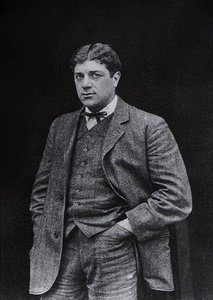
जॉर्ज ब्राक
1882 - 1963 , फ्रांस
संक्षिप्त जानकारी
- कलात्मक शैली: घनवाद, प्रभाववाद
- जन्म तिथि: 13 मई 1882
- जन्म स्थान: आर्गेंत्यूइल, फ्रांस
- पूरा नाम: जॉर्ज ब्राक
- प्रभावित आंदोलन:
- पाब्लो पिकासो
- आधुनिक कला
- प्रभावित कलाकार:
- हेनरी मैटिस
- आंद्रे डेरेन
- पॉल सेज़ान
- प्रमुख कलाकृतियाँ:
- ल'एस्ताक के घर
- धैर्य
- वायलिन और पैलेट
- मृत्यु तिथि: 31 अगस्त 1963
- राष्ट्रीयता: फ्रांसीसी
संबंधित लेखों की सूची

जॉर्जेस ब्राक की शीर्ष 25 कलाकृतियाँ: आधुनिक कला का सफर | OriginalUniqueArt
जॉर्जेस ब्राक की शीर्ष 25 कलाकृतियों का अन्वेषण करें! क्यूबिज्म, आधुनिक कला और फ्रांसीसी शैली के उत्कृष्ट नमूनों को जानें। OriginalUniqueArt.com पर उच्च-गुणवत्ता वाले कला प्रिंट और घर की सजावट के विचार खोजें। अभी संग्रह देखें!
Cubism Unveiled: How Picasso and Braque Redefined Reality Through Geometric Abstraction
Explore the revolutionary world of Cubism. Discover how masters Pablo Picasso and Georges Braque dismantled reality through geometric abstraction to redefine modern art history.
Georges Braque: Pioneering Cubism & the Evolution of Modern Form
Explore the revolutionary art of Georges Braque, a pioneer of Cubism alongside Picasso. Discover his artistic evolution, key works, and lasting impact on modern art. A guide for discerning collectors.

जॉर्ज पियरे सेउरा की 25 उत्कृष्ट कृतियाँ: कला, इतिहास और आपके घर के लिए प्रेरणा
जॉर्ज सेउरा की 25 सर्वश्रेष्ठ कृतियों का अन्वेषण करें! बिंदुवाद, आधुनिक कला और रंग सिद्धांत के जादू को जानें। उच्च गुणवत्ता वाले कला प्रिंट और दीवार सजावट के लिए OriginalUniqueArt.com पर खोजें।
Mastering Cubism: A Collector's Guide to the Revolutionary Vision of Georges Braque
Discover the profound legacy of Georges Braque. Our expert guide explores the evolution of Cubism, from Analytic deconstruction to Synthetic innovation, offering deep insights for discerning art collectors and connoisseurs of modern masterpieces.


