

 पूर्वावलोकन देखें
 भेजें
भेजें साझा करें
 विवरण देखें
 मार्गदर्शिका

 डाउनलोड करें
 समान वस्तुएं
 एक्स-रे
 स्लाइड शो देखें
 आंकड़े
Bird Returning to it's Nest
 Acrylic On Canvas
- WallArt
- Cubism
 1956
1956 38.0 x 56.0 cm
 और पढ़ें
इस पृष्ठ पर प्रदर्शित कलाकृति कॉपीराइट कानून द्वारा संरक्षित है, जिसका अर्थ है कि हम कानूनी रूप से इसकी हूबहू प्रतिलिपि बनाने या बेचने का अधिकार नहीं रखते हैं। यह संरक्षण अंतर्राष्ट्रीय समझौतों के तहत लागू किया जाता है, जैसे कि बर्न कन्वेंशन और राष्ट्रीय कानूनों द्वारा, जिनमें % द्वारा निर्धारित कानून भी शामिल हैं। अमेरिकी कॉपीराइट कानून - शीर्षक 17।
यह विधि कॉपीराइट नियमों का पूरी तरह से पालन करती है क्योंकि इसमें संरक्षित कलाकृति की नकल या प्रतिलिपि बनाना शामिल नहीं है। इसके बजाय, यह एक रचनात्मक पुनर्व्याख्या है - एक ऐसी नई पेंटिंग जो मूल कृति से प्रेरित तो है, लेकिन उसके समान नहीं है।
गिक्ली / आर्ट प्रिंट
तेज़ उत्पादन और विभिन्न फिनिश विकल्पों के साथ म्यूजियम-क्वालिटी गिकली (giclée) या कैनवस प्रिंट। ( हाथ से बनी पेंटिंग खरीदें डिजिटल इमेज पर जाएँ)




P118B ₹10

P118H ₹10

P118W ₹10

P438Z ₹10

P508JH ₹12

P508YH ₹12

P805H ₹10

P805Z ₹10

P919BZ ₹10

P919G ₹10

P919XJ ₹10

P959ZH ₹10

P968JZ ₹12

W106C ₹8

W218G ₹10

W218JH ₹8

W218Y ₹10

W307PJ ₹10

W316G ₹10

W316PJ ₹8

W316Y ₹10

W398PJ ₹8

W4111J ₹10

W500HY ₹15

W500JH ₹15

W692G ₹12

W849H ₹8

W940BG ₹15

W953PJ ₹8




कलाकृति के मूल अनुपात से मेल खाने वाले हमारे पूर्व निर्धारित आकारों में से चुनें।

अपने फ्रेम या अपनी दीवार के अनुसार आवश्यक चौड़ाई और ऊंचाई दर्ज करें। प्रिंट को केवल काटा जा सकता है, चित्र से बड़ा कभी नहीं बनाया जा सकता, इसलिए अलग आकार का साइज चित्र का एक हिस्सा खो देता है। किसी भी चीज़ को प्रिंट करने से पहले हम आपकी स्वीकृति के लिए आपको एक डिजिटल मॉकअप भेजते हैं। इस पृष्ठ पर दिखाया गया चित्र वास्तविक कटिंग नहीं दिखाता है — केवल मॉकअप ही इसे दर्शाता है।
विश्वव्यापी डिलीवरी (), मानक 4/5 सप्ताह के बजाय मात्र 2 सप्ताह में। (27 अक्टूबर)

दुनिया भर में मुफ़्त एक्सप्रेस शिपिंग

प्रीमियम ग्रेड लिनेन कैनवास

पूर्ण शिपिंग बीमा

सीमा शुल्क और आयात कर वापसी की गारंटी

सटीक रंग मिलान की गारंटी

100 दिनों की वापसी नीति (केवल निर्माण दोष होने पर)

100% पैसे वापसी की गारंटी

थोक छूट का अवसर
 ग्लास का विकल्प केवल 110 सेमी से कम आकार में ही उपलब्ध है।

Bird Returning to it's Nest
गिक्ली / आर्ट प्रिंट
प्रतिकृति का आकार
-


कुल मूल्य
₹ 7686
Georges Braque’s “Bird Returning to Its Nest”: A Fragmented Reflection of Nature
“Bird Returning to Its Nest,” created in 1956 by Georges Braque, stands as a quintessential example of Cubist still life—a genre that fundamentally challenged the conventions of representational art and ushered in a new era of artistic exploration. More than just an image of a bird perched upon its nest, this artwork delves into complex ideas about form, perspective, and the artist’s relationship to the natural world.
- Subject Matter: Braque meticulously portrays a simple tableau—a table bearing a glass, a hat, and most prominently, a white dove. These commonplace objects are rendered in an unfamiliar manner, stripped of their recognizable contours and presented as interlocking geometric shapes.
- Style & Technique: The artwork firmly adheres to the tenets of Cubism, pioneered by Picasso and Cézanne. Braque’s approach involved dissecting subjects into multiple viewpoints simultaneously, layering planes of color and texture to create a visual illusion of depth that defies traditional perspective. Thick impasto brushstrokes contribute to a palpable surface quality, inviting viewers to engage with the artwork on a tactile level.
- Historical Context: Braque’s work emerged during the height of Cubist experimentation—a movement born from a desire to move beyond mimetic representation and embrace abstraction as a means of conveying emotion and intellectual insight. Cézanne's influence is evident in Braque’s use of simplified geometric forms, mirroring Cézanne’s exploration of underlying structure within landscapes.
Decoding the Symbolism
Beyond its formal qualities, “Bird Returning to Its Nest” carries significant symbolic weight. The dove itself—a universally recognized emblem of peace—is presented in a fragmented form, reflecting the Cubist preoccupation with deconstructing visual information. Simultaneously, the hat and glass serve as reminders of human presence and societal constraints, juxtaposed against the serene simplicity of the bird’s environment.
The artist's intention was to provoke contemplation about themes of vulnerability and resilience—the dove representing fragility amidst a structured composition that emphasizes geometric precision. This deliberate contrast underscores Braque’s artistic conviction that abstraction could communicate profound emotional truths.
A Masterpiece of Texture and Light
Braque skillfully manipulated light and shadow to heighten the artwork's dramatic impact. Uneven illumination casts strong shadows across the table surface, emphasizing the fractured planes of color and reinforcing the Cubist aesthetic. The artist’s meticulous attention to detail—particularly in capturing the rough texture of the canvas—further enhances the viewer’s sensory experience.
Reproductions of “Bird Returning to Its Nest” offer an exceptional opportunity to appreciate Braque's groundbreaking contribution to modern art and to incorporate a piece of artistic history into any interior space. OriginalUniqueArt.com provides high-quality reproductions that faithfully capture the essence of this iconic artwork, allowing collectors and enthusiasts alike to experience its beauty and intellectual depth.
प्रश्न और उत्तर
"Bird Returning to it's Nest" के लिए किस तकनीक का उपयोग किया गया था, और इसे कब बनाया गया था?
"Bird Returning to it's Nest" का निर्माण 1956 में Acrylic On Canvas तकनीक का उपयोग करके किया गया था। सामग्री और तिथि यह बताते हैं कि मूल कृति कैसे और कब बनाई गई थी।
जॉर्ज ब्राक द्वारा "Bird Returning to it's Nest" में कंट्रास्ट (contrast) कितना गहरा है?
"Bird Returning to it's Nest" का प्रकाश-अंधकार कंट्रास्ट (light-dark contrast) Statement के रूप में दर्ज किया गया है। कंट्रास्ट यह बताता है कि प्रकाशमय और गहरे क्षेत्र एक-दूसरे से कितने भिन्न हैं।
जॉर्ज ब्राक के संपूर्ण कार्यों में "Bird Returning to it's Nest" का स्थान कहाँ है?
जॉर्ज ब्राक की कृतियों के बीच, "Bird Returning to it's Nest" में Cubism शैली के साथ-साथ cézanne & geometric forms, peaceful abstraction, braque's shift, deconstructed reality, early cubism, formal experimentation, spatial play, minimalist still life के विषय देखने को मिलते हैं।
कलाकार का परिचय
जॉर्जेस ब्राक: आधुनिक कला के एक पथप्रदर्शक
जॉर्जेस ब्राक, जिनका जन्म 1882 में अर्जेंटीनाइल, फ्रांस में हुआ था, बीसवीं सदी के सबसे प्रभावशाली कलाकारों में से एक थे। उनकी यात्रा एक साधारण घर-चित्रकार के बेटे से शुरू हुई, लेकिन जल्द ही उन्होंने कला की दुनिया में अपनी पहचान बनाई। शुरुआती दिनों में, ब्राक ने इंप्रेशनिस्ट शैली का अनुसरण किया, लेकिन 1905 में फाविज़्म (Fauvism) के प्रभाव में आने के बाद उनका काम एक नया मोड़ ले गया। हेनरी मैटिस और आंद्रे डेरेन जैसे कलाकारों के साथ काम करते हुए, उन्होंने रंगों के प्रयोग से कला को नई ऊंचाइयों पर पहुंचाया। हालांकि, ब्राक की रचनात्मकता यहीं नहीं रुकी; उन्होंने पॉल सेज़ान के कार्यों का गहन अध्ययन किया, जिससे उन्हें ज्यामितीय रूपों और बहु-दृष्टिकोणों में रुचि पैदा हुई – यह एक ऐसा मोड़ था जिसने उन्हें पाब्लो पिकासो के साथ मिलकर क्यूबिज्म (Cubism) नामक एक क्रांतिकारी कला आंदोलन की शुरुआत करने के लिए प्रेरित किया।
क्यूबिज्म का जन्म: पिकासो के साथ साझेदारी
ब्राक और पिकासो की साझेदारी आधुनिक कला के इतिहास में एक महत्वपूर्ण अध्याय है। 1907 से लेकर प्रथम विश्व युद्ध तक, इन दोनों कलाकारों ने मिलकर काम किया और क्यूबिज्म को आकार दिया। उन्होंने वस्तुओं को खंडों में विभाजित करके उन्हें विभिन्न दृष्टिकोणों से चित्रित करना शुरू कर दिया, जिससे पारंपरिक परिप्रेक्ष्य का भ्रम टूट गया। उनके शुरुआती कार्यों में "हाउस एट ल'एस्ताक" (Houses at L'Estaque) जैसे चित्रों में भूरे और हरे रंग के सीमित उपयोग ने उनकी कला में एक विशेष आकर्षण जोड़ा। 1909 के आसपास, उन्होंने मिलकर काम करते हुए एक-दूसरे की शैलियों को इतना प्रभावित किया कि उनके कार्यों को अलग करना मुश्किल हो गया था। यह साझेदारी न केवल कलात्मक रूप से महत्वपूर्ण थी, बल्कि इसने क्यूबिज्म को एक नई दिशा दी और इसे दुनिया भर में फैलाया।
कोलाज का नवाचार: कला में वास्तविकता का समावेश
क्यूबिज्म के विकास में ब्राक का सबसे महत्वपूर्ण योगदान कोलाज (collage) का प्रयोग था। 1912 में, उन्होंने अखबार की क्लिपिंग और अन्य रोजमर्रा की वस्तुओं को अपने चित्रों में शामिल करना शुरू कर दिया। यह नवाचार कला और जीवन के बीच की रेखाओं को धुंधला करता है और पारंपरिक चित्रकला की सीमाओं को चुनौती देता है। *पापियर कॉले* (papier collé) नामक तकनीक का उपयोग करके, ब्राक ने अपनी रचनाओं में बनावट और गहराई जोड़ी, जिससे दर्शक वास्तविकता और प्रतिनिधित्व के बीच के संबंध पर विचार करने के लिए मजबूर हो गए। यह प्रयोग न केवल क्यूबिज्म को आगे बढ़ाया बल्कि पॉप आर्ट जैसे भविष्य के कला आंदोलनों के लिए भी मार्ग प्रशस्त किया।
युद्ध के बाद का विकास: शांत चिंतन और व्यक्तिगत अभिव्यक्ति
प्रथम विश्व युद्ध ने ब्राक की रचनात्मक यात्रा में एक महत्वपूर्ण विराम दिया। युद्ध में उनकी भागीदारी ने उन्हें गहरे रूप से प्रभावित किया, जिसके परिणामस्वरूप उनके बाद के कार्यों में अधिक व्यक्तिगत और चिंतनशील विषयों का उदय हुआ। युद्ध के बाद, उन्होंने शास्त्रीय रचनाओं और स्थिर जीवन (still life) में रुचि दिखाई। उनके परिदृश्य और आंतरिक दृश्य शांत वातावरण और रंगों के सूक्ष्म सामंजस्य द्वारा चिह्नित थे। ब्राक ने अपनी कला में ज्यामितीय प्रभावों को बनाए रखा, लेकिन उन्होंने अधिक भावनात्मक गहराई और व्यक्तिगत अभिव्यक्ति को जोड़ा। उनकी कला अब केवल एक बौद्धिक प्रयोग नहीं थी, बल्कि यह मानवीय अनुभव की गहरी समझ का प्रतिबिंब भी थी।
विरासत: आधुनिक कला पर प्रभाव
जॉर्जेस ब्राक की विरासत आधुनिक कला पर उनके गहरे प्रभाव में निहित है। उन्होंने न केवल क्यूबिज्म के विकास में महत्वपूर्ण भूमिका निभाई, बल्कि उन्होंने कलात्मक अभिव्यक्ति के नए तरीकों को भी खोजा। उनकी साझेदारी पाब्लो पिकासो के साथ और कोलाज का उनका नवाचार कला इतिहास में हमेशा याद किया जाएगा। ब्राक की कला ने अनगिनत कलाकारों को प्रेरित किया है और आधुनिक कला के पाठ्यक्रम को आकार दिया है। वे एक सच्चे पथप्रदर्शक थे जिन्होंने कला को नई ऊंचाइयों पर पहुंचाया और हमें दुनिया को देखने के नए तरीके सिखाए।
प्रमुख कृतियाँ
- हाउस एट ल'एस्ताक (Houses at L'Estaque)
- द पेशेंस (The Patience)
- वायोलिन एंड पैलेट (Violin and Palette)
- मंडोला (Mandola)
प्रभाव और प्रेरणाएँ
- प्रभावित: हेनरी मैटिस, आंद्रे डेरेन
- प्रेरणा: पॉल सेज़ान
- कलात्मक आंदोलन: क्यूबिज्म, फाविज़्म
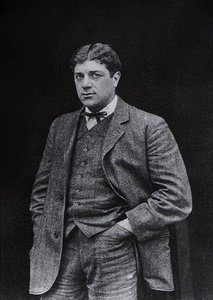
जॉर्ज ब्राक
1882 - 1963 , फ्रांस
संक्षिप्त जानकारी
- कलात्मक शैली: घनवाद, प्रभाववाद
- जन्म तिथि: 13 मई 1882
- जन्म स्थान: आर्गेंत्यूइल, फ्रांस
- पूरा नाम: जॉर्ज ब्राक
- प्रभावित आंदोलन:
- पाब्लो पिकासो
- आधुनिक कला
- प्रभावित कलाकार:
- हेनरी मैटिस
- आंद्रे डेरेन
- पॉल सेज़ान
- प्रमुख कलाकृतियाँ:
- ल'एस्ताक के घर
- धैर्य
- वायलिन और पैलेट
- मृत्यु तिथि: 31 अगस्त 1963
- राष्ट्रीयता: फ्रांसीसी
संबंधित लेखों की सूची

जॉर्ज पियरे सेउरा की 25 उत्कृष्ट कृतियाँ: कला, इतिहास और आपके घर के लिए प्रेरणा
जॉर्ज सेउरा की 25 सर्वश्रेष्ठ कृतियों का अन्वेषण करें! बिंदुवाद, आधुनिक कला और रंग सिद्धांत के जादू को जानें। उच्च गुणवत्ता वाले कला प्रिंट और दीवार सजावट के लिए OriginalUniqueArt.com पर खोजें।

ज्यामितीय अमूर्तता: शीर्ष 10 उत्कृष्ट कृतियाँ जो कला को नया आकार देती हैं | OriginalUniqueArt.com
ज्यामितीय अमूर्तता की शीर्ष 10 उत्कृष्ट कृतियों का अन्वेषण करें! पिकासो, मोंड्रियन और अन्य कलाकारों के प्रेरणादायक कार्यों से कला इतिहास जानें। OriginalUniqueArt.com पर उच्च गुणवत्ता वाली कला प्रिंट और कैनवास खरीदें।

Cubist Still Life: Redefining Reality Through Fragmented Forms and Geometric Abstraction
Explore the profound evolution of Cubist still life, from Cézanne's structural foundations to the fragmented brilliance of Braque and Léger. Discover how geometric abstraction redefined reality through a sophisticated lens of form, color, and modern artistic mastery.

जॉर्जेस ब्राक की शीर्ष 25 कलाकृतियाँ: आधुनिक कला का सफर | OriginalUniqueArt
जॉर्जेस ब्राक की शीर्ष 25 कलाकृतियों का अन्वेषण करें! क्यूबिज्म, आधुनिक कला और फ्रांसीसी शैली के उत्कृष्ट नमूनों को जानें। OriginalUniqueArt.com पर उच्च-गुणवत्ता वाले कला प्रिंट और घर की सजावट के विचार खोजें। अभी संग्रह देखें!

Neo-Abstract Art: The High-Impact Evolution of Modern Visual Energy and Geometric Sophistication
Discover the power of Neo-Abstract art. Explore how bold geometric forms and high-impact visual energy are redefining modern design. Learn to curate sophisticated, high-energy spaces with the latest trends in contemporary abstraction and structural color.


