- होमपेज

- कैनवस पर प्रिंट हेतु
- जॉर्ज ब्राक
- A man at the easel
 पेंटिंग ऑर्डर करें छवि खरीदें
 साझा करें
 साझा करें
 विस्तृत विवरण
 पसंदीदा में जोड़ें

 डाउनलोड करें
 समान कलाकृतियाँ
 एक्स-रे
 स्लाइड शो देखें
A man at the easel


 पूरा देखें
गिक्ली / आर्ट प्रिंट
तेज़ उत्पादन और विभिन्न फिनिश विकल्पों के साथ म्यूजियम-क्वालिटी गिकली (giclée) या कैनवस प्रिंट।




































कलाकृति के मूल अनुपात से मेल खाने वाले हमारे पूर्व निर्धारित आकारों में से चुनें।

आप किसी विशिष्ट फ्रेम या स्थान के अनुसार अपने स्वयं के आयाम (dimensions) दर्ज कर सकते हैं। यदि आपके द्वारा चुना गया आकार मूल छवि के अनुपात से मेल नहीं खाता है, तो हम कलाकृति को क्रॉप कर देंगे या मिरर किए गए या सॉलिड-फिल किनारे के साथ छवि का विस्तार करेंगे। उत्पादन शुरू होने से पहले आपकी स्वीकृति के लिए एक डिजिटल मॉकअप भेजा जाएगा।
कृपया ध्यान दें कि स्क्रीन पर दिखने वाला प्रीव्यू वास्तविक क्रॉपिंग या विस्तार को नहीं दर्शाता है। केवल मॉकअप ही अंतिम संरचना को सटीक रूप से दिखाएगा।
हालाँकि कस्टम आकार उपलब्ध हैं, फिर भी हम मूल अनुपात बनाए रखने के लिए पूर्व-निर्धारित सूची में से एक आयाम चुनने की सलाह देते हैं।
विश्वव्यापी डिलीवरी (), मानक 4/5 सप्ताह के बजाय मात्र 2 सप्ताह में। (18 जुलाई)

दुनिया भर में मुफ़्त एक्सप्रेस शिपिंग

उच्च गुणवत्ता वाला लिनेन कैनवास

पूर्ण शिपिंग बीमा

सीमा शुल्क और आयात कर वापसी की गारंटी

सटीक रंग मिलान की गारंटी

60-दिन की वापसी नीति (केवल दोषों के लिए)

100% पैसे वापसी की गारंटी

थोक छूट का लाभ
 ग्लास का विकल्प केवल 110 सेमी से कम आकार में ही उपलब्ध है।

A man at the easel
गिक्ली / आर्ट प्रिंट
प्रतिकृति का आकार
-


कुल देय राशि
-
संग्रहणीय वस्तु का विवरण
Georges Braque’s “A Man at the Easel”: A Window Into Cubism's Quiet Contemplation
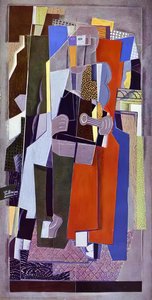
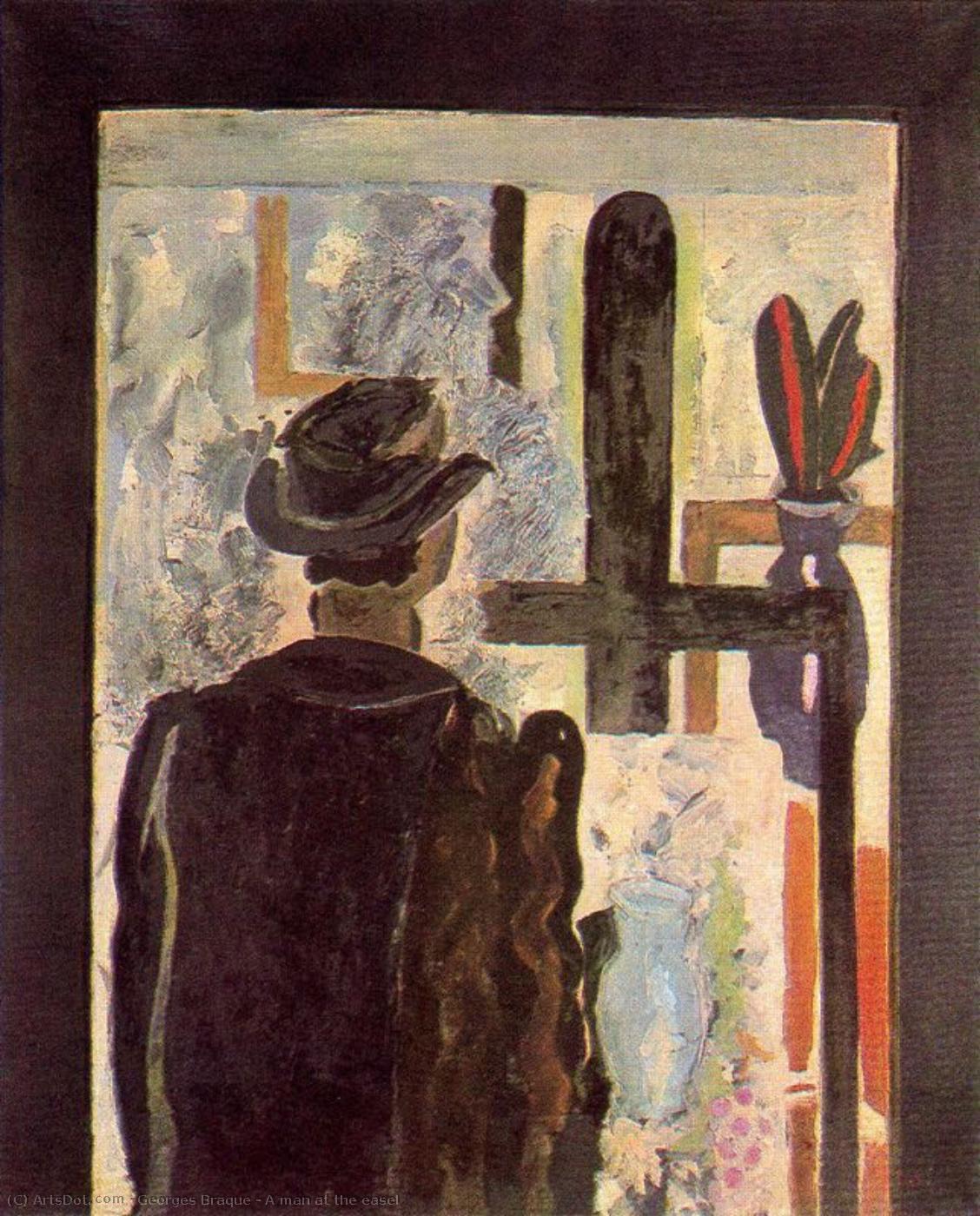
The painting "A Man at the Easel," executed by Georges Braque in 1942, stands as a testament to the enduring power of quiet observation within the revolutionary fervor of Cubist art. More than just a depiction of an artist’s workspace—it’s a carefully constructed visual puzzle that invites viewers to delve into the complexities of perception and representation during a pivotal moment in artistic history. Braque's masterful use of oil on board captures not merely what is seen, but how it *feels* to see it, reflecting the core tenets of Cubism’s intellectual exploration.The Anatomy of Fragmentation: Style and Technique
Braque’s stylistic approach firmly establishes him within the vanguard of Cubism alongside Pablo Picasso. Unlike Impressionists who sought to capture fleeting moments of light and color, Braque prioritized geometric abstraction—breaking down objects into fragmented planes that simultaneously exist in multiple viewpoints. This technique isn't merely about visual novelty; it’s a deliberate attempt to dismantle traditional illusionistic space, mirroring the artist’s own process of intellectual dissection. The painting exemplifies this brilliantly: the easel itself is fractured into interlocking shapes, suggesting not just its physical form but also the multifaceted nature of artistic creation. Notice how Braque utilizes subtle tonal variations—primarily muted browns and greens—to unify these disparate planes, creating a harmonious balance despite the inherent instability of the composition.A Reflection of Uncertainty: Historical Context
Created during World War II, “A Man at the Easel” embodies the anxieties and introspection characteristic of the era. The looming shadow of conflict underscores the painting’s contemplative mood—a stark contrast to the dynamism often associated with Cubism's earlier years. However, Braque wasn’t simply reacting to external pressures; he was actively grappling with fundamental questions about art’s role in confronting reality. The artist himself famously stated that he wished to “destroy” perspective and representation, aiming instead for a more profound engagement with the subject matter. This ambition aligns perfectly with the broader philosophical currents of Surrealism and Expressionism, which were influencing artists across Europe at the time.Symbolic Layers: Plants, Vase, and Window
Beyond its formal concerns, "A Man at the Easel" is laden with symbolic significance. The potted plant—a recurring motif in Braque’s oeuvre—represents growth, resilience, and perhaps even a yearning for beauty amidst hardship. Its placement on the right side of the canvas draws the eye outwards, suggesting an aspiration beyond the confines of the studio. Similarly, the vase contributes to the overall sense of stillness and contemplation. The window itself is particularly noteworthy; its geometric shape—a stylized cross—introduces an element of architectural detail that simultaneously symbolizes faith and spiritual reflection. It’s as if Braque invites us to consider not just what we see but also what lies beyond our immediate perception.Emotional Resonance: Quiet Intensity
Ultimately, “A Man at the Easel” succeeds in conveying a remarkable emotional depth despite its apparent simplicity. The muted palette and fragmented composition evoke a feeling of quiet intensity—a sense that Braque is capturing not just an image but also a state of mind. It’s a painting that speaks to the artist's own inner world, mirroring his ongoing engagement with artistic innovation while simultaneously acknowledging the pervasive influence of historical circumstance. Reproductions offer a chance to experience this subtle yet powerful aesthetic – a glimpse into the heart of Cubist contemplation.कलाकार का जीवन परिचय
जॉर्जेस ब्राक: आधुनिक कला के एक पथप्रदर्शक
जॉर्जेस ब्राक, जिनका जन्म 1882 में अर्जेंटीनाइल, फ्रांस में हुआ था, बीसवीं सदी के सबसे प्रभावशाली कलाकारों में से एक थे। उनकी यात्रा एक साधारण घर-चित्रकार के बेटे से शुरू हुई, लेकिन जल्द ही उन्होंने कला की दुनिया में अपनी पहचान बनाई। शुरुआती दिनों में, ब्राक ने इंप्रेशनिस्ट शैली का अनुसरण किया, लेकिन 1905 में फाविज़्म (Fauvism) के प्रभाव में आने के बाद उनका काम एक नया मोड़ ले गया। हेनरी मैटिस और आंद्रे डेरेन जैसे कलाकारों के साथ काम करते हुए, उन्होंने रंगों के प्रयोग से कला को नई ऊंचाइयों पर पहुंचाया। हालांकि, ब्राक की रचनात्मकता यहीं नहीं रुकी; उन्होंने पॉल सेज़ान के कार्यों का गहन अध्ययन किया, जिससे उन्हें ज्यामितीय रूपों और बहु-दृष्टिकोणों में रुचि पैदा हुई – यह एक ऐसा मोड़ था जिसने उन्हें पाब्लो पिकासो के साथ मिलकर क्यूबिज्म (Cubism) नामक एक क्रांतिकारी कला आंदोलन की शुरुआत करने के लिए प्रेरित किया।
क्यूबिज्म का जन्म: पिकासो के साथ साझेदारी
ब्राक और पिकासो की साझेदारी आधुनिक कला के इतिहास में एक महत्वपूर्ण अध्याय है। 1907 से लेकर प्रथम विश्व युद्ध तक, इन दोनों कलाकारों ने मिलकर काम किया और क्यूबिज्म को आकार दिया। उन्होंने वस्तुओं को खंडों में विभाजित करके उन्हें विभिन्न दृष्टिकोणों से चित्रित करना शुरू कर दिया, जिससे पारंपरिक परिप्रेक्ष्य का भ्रम टूट गया। उनके शुरुआती कार्यों में "हाउस एट ल'एस्ताक" (Houses at L'Estaque) जैसे चित्रों में भूरे और हरे रंग के सीमित उपयोग ने उनकी कला में एक विशेष आकर्षण जोड़ा। 1909 के आसपास, उन्होंने मिलकर काम करते हुए एक-दूसरे की शैलियों को इतना प्रभावित किया कि उनके कार्यों को अलग करना मुश्किल हो गया था। यह साझेदारी न केवल कलात्मक रूप से महत्वपूर्ण थी, बल्कि इसने क्यूबिज्म को एक नई दिशा दी और इसे दुनिया भर में फैलाया।
कोलाज का नवाचार: कला में वास्तविकता का समावेश
क्यूबिज्म के विकास में ब्राक का सबसे महत्वपूर्ण योगदान कोलाज (collage) का प्रयोग था। 1912 में, उन्होंने अखबार की क्लिपिंग और अन्य रोजमर्रा की वस्तुओं को अपने चित्रों में शामिल करना शुरू कर दिया। यह नवाचार कला और जीवन के बीच की रेखाओं को धुंधला करता है और पारंपरिक चित्रकला की सीमाओं को चुनौती देता है। *पापियर कॉले* (papier collé) नामक तकनीक का उपयोग करके, ब्राक ने अपनी रचनाओं में बनावट और गहराई जोड़ी, जिससे दर्शक वास्तविकता और प्रतिनिधित्व के बीच के संबंध पर विचार करने के लिए मजबूर हो गए। यह प्रयोग न केवल क्यूबिज्म को आगे बढ़ाया बल्कि पॉप आर्ट जैसे भविष्य के कला आंदोलनों के लिए भी मार्ग प्रशस्त किया।
युद्ध के बाद का विकास: शांत चिंतन और व्यक्तिगत अभिव्यक्ति
प्रथम विश्व युद्ध ने ब्राक की रचनात्मक यात्रा में एक महत्वपूर्ण विराम दिया। युद्ध में उनकी भागीदारी ने उन्हें गहरे रूप से प्रभावित किया, जिसके परिणामस्वरूप उनके बाद के कार्यों में अधिक व्यक्तिगत और चिंतनशील विषयों का उदय हुआ। युद्ध के बाद, उन्होंने शास्त्रीय रचनाओं और स्थिर जीवन (still life) में रुचि दिखाई। उनके परिदृश्य और आंतरिक दृश्य शांत वातावरण और रंगों के सूक्ष्म सामंजस्य द्वारा चिह्नित थे। ब्राक ने अपनी कला में ज्यामितीय प्रभावों को बनाए रखा, लेकिन उन्होंने अधिक भावनात्मक गहराई और व्यक्तिगत अभिव्यक्ति को जोड़ा। उनकी कला अब केवल एक बौद्धिक प्रयोग नहीं थी, बल्कि यह मानवीय अनुभव की गहरी समझ का प्रतिबिंब भी थी।
विरासत: आधुनिक कला पर प्रभाव
जॉर्जेस ब्राक की विरासत आधुनिक कला पर उनके गहरे प्रभाव में निहित है। उन्होंने न केवल क्यूबिज्म के विकास में महत्वपूर्ण भूमिका निभाई, बल्कि उन्होंने कलात्मक अभिव्यक्ति के नए तरीकों को भी खोजा। उनकी साझेदारी पाब्लो पिकासो के साथ और कोलाज का उनका नवाचार कला इतिहास में हमेशा याद किया जाएगा। ब्राक की कला ने अनगिनत कलाकारों को प्रेरित किया है और आधुनिक कला के पाठ्यक्रम को आकार दिया है। वे एक सच्चे पथप्रदर्शक थे जिन्होंने कला को नई ऊंचाइयों पर पहुंचाया और हमें दुनिया को देखने के नए तरीके सिखाए।
प्रमुख कृतियाँ
- हाउस एट ल'एस्ताक (Houses at L'Estaque)
- द पेशेंस (The Patience)
- वायोलिन एंड पैलेट (Violin and Palette)
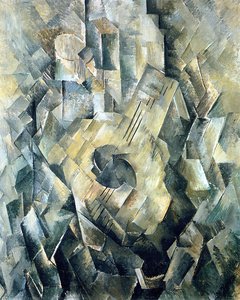
- मंडोला (Mandola)
प्रभाव और प्रेरणाएँ
- प्रभावित: हेनरी मैटिस, आंद्रे डेरेन
- प्रेरणा: पॉल सेज़ान
- कलात्मक आंदोलन: क्यूबिज्म, फाविज़्म
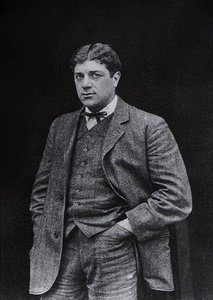
जॉर्ज ब्राक
1882 - 1963 , फ्रांस
मुख्य तथ्य
- कलात्मक शैली: घनवाद, प्रभाववाद
- जन्म तिथि: 13 मई 1882
- जन्म स्थान: आर्गेंत्यूइल, फ्रांस
- पूरा नाम: जॉर्ज ब्राक
- प्रभावित आंदोलन:
- पाब्लो पिकासो
- आधुनिक कला
- प्रभावित कलाकार:
- हेनरी मैटिस
- आंद्रे डेरेन
- पॉल सेज़ान
- प्रमुख कलाकृतियाँ:
- ल'एस्ताक के घर
- धैर्य
- वायलिन और पैलेट
- मृत्यु तिथि: 31 अगस्त 1963
- राष्ट्रीयता: फ्रांसीसी
संबंधित लेख
बेहतर कस्टम डिजिटल पेंटिंग फोटो प्रिंट बनाम पारंपरिक कला: सौंदर्यशास्त्र, भावनात्मक प्रतिध्वनि और आधुनिक संग्रहणीयता
डिजिटल और पारंपरिक कला के बीच अंतर जानें। विशेषज्ञ सलाह, निवेश मार्गदर्शन और उच्च गुणवत्ता वाली कस्टम पेंटिंग खोजें। अपनी दृष्टि के अनुरूप सही कलाकृति चुनें!
From Imagination to Canvas: Commissioning Bespoke Fantasy Art with Traditional Oil Painting Techniques
Commission breathtaking bespoke fantasy art with skilled oil painters. Explore techniques, artist selection & preservation tips. Invest in a unique masterpiece today!
क्यूबवाद: शीर्ष 10 उत्कृष्ट कृतियाँ जो कला के इस आंदोलन को परिभाषित करती हैं | OriginalUniqueArt
क्यूबवाद की दुनिया में कदम रखें! पिकासो और ब्रैक जैसे कलाकारों की 10 उत्कृष्ट कृतियों का अन्वेषण करें। कला के इस क्रांतिकारी आंदोलन की कहानी जानें, प्रेरणा पाएं और OriginalUniqueArt.com पर फाइन आर्ट प्रिंट खोजें।
तेल चित्र बनाम प्रिंट: क्यों हाथ से चित्रित कला हमेशा बेहतर विकल्प है – एक विस्तृत तुलनात्मक अध्ययन
वाहूआर्ट में हाथ से चित्रित तेल चित्रों के साथ अपनी विरासत को संजोएं। उच्च गुणवत्ता, कुशल कलाकार और व्यक्तिगत सेवा। कला संग्रह और निवेश के लिए विशेषज्ञ मार्गदर्शन।

जॉर्जेस ब्राक की शीर्ष 25 कलाकृतियाँ: आधुनिक कला का सफर | OriginalUniqueArt
जॉर्जेस ब्राक की शीर्ष 25 कलाकृतियों का अन्वेषण करें! क्यूबिज्म, आधुनिक कला और फ्रांसीसी शैली के उत्कृष्ट नमूनों को जानें। OriginalUniqueArt.com पर उच्च-गुणवत्ता वाले कला प्रिंट और घर की सजावट के विचार खोजें। अभी संग्रह देखें!