
 पूर्वावलोकन देखें
 साझा करें
 साझा करें
 विस्तृत विवरण
 मार्गदर्शिका

 डाउनलोड करें
 समान वस्तुएं
 एक्स-रे
 स्लाइड शो देखें
 प्रश्न और उत्तर
 आंकड़े
Fan

- 22.0 x 40.0 cm


 पूरा देखें
गिक्ली / आर्ट प्रिंट
तेज़ उत्पादन और विभिन्न फिनिश विकल्पों के साथ म्यूजियम-क्वालिटी गिकली (giclée) या कैनवस प्रिंट। ( इस संग्रहणीय वस्तु की हाथ से बनी प्रतिकृति मंगवाएं डिजिटल इमेज पर स्विच करें)




P118B ₹10

P118H ₹10

P118W ₹10

P438Z ₹10

P508JH ₹12

P508YH ₹12

P805H ₹10

P805Z ₹10

P919BZ ₹10

P919G ₹10

P919XJ ₹10

P959ZH ₹10

P968JZ ₹12

W106C ₹8

W218G ₹10

W218JH ₹8

W218Y ₹10

W307PJ ₹10

W316G ₹10

W316PJ ₹8

W316Y ₹10

W398PJ ₹8

W4111J ₹10

W500HY ₹15

W500JH ₹15

W692G ₹12

W849H ₹8

W940BG ₹15

W953PJ ₹8




कलाकृति के मूल अनुपात से मेल खाने वाले हमारे पूर्व निर्धारित आकारों में से चुनें।

अपने फ्रेम या अपनी दीवार के अनुसार आवश्यक चौड़ाई और ऊंचाई दर्ज करें। प्रिंट को केवल काटा जा सकता है, चित्र से बड़ा कभी नहीं बनाया जा सकता, इसलिए अलग आकार का साइज चित्र का एक हिस्सा खो देता है। किसी भी चीज़ को प्रिंट करने से पहले हम आपकी स्वीकृति के लिए आपको एक डिजिटल मॉकअप भेजते हैं। इस पृष्ठ पर दिखाया गया चित्र वास्तविक कटिंग नहीं दिखाता है — केवल मॉकअप ही इसे दर्शाता है।
विश्वव्यापी डिलीवरी (), मानक 4/5 सप्ताह के बजाय मात्र 2 सप्ताह में। (10 नवमबर)

दुनिया भर में मुफ़्त एक्सप्रेस शिपिंग

उच्च गुणवत्ता वाला लिनेन कैनवास

पूर्ण शिपिंग बीमा

सीमा शुल्क और आयात कर वापसी की गारंटी

सटीक रंग मिलान की गारंटी

100 दिनों की वापसी नीति (केवल दोष होने पर)

100% पैसे वापसी की गारंटी

थोक छूट का अवसर
 ग्लास का विकल्प केवल 110 सेमी से कम आकार में ही उपलब्ध है।

Fan
गिक्ली / आर्ट प्रिंट
प्रतिकृति का आकार
-


कुल देय राशि
₹ 7768
A Whisper of Elegance: George Barbier’s “Fan” – A Dance of Deco Style
George Barbier's "Fan," painted in 1914, isn’t merely an illustration; it’s a portal into the heart of Art Deco’s opulent androgyny. This exquisite piece, now meticulously reproduced, captures a fleeting moment of sophisticated leisure within a world brimming with theatrical glamour and subtle symbolism. Barbier, a master orchestrator of visual style, didn't simply depict a fan; he constructed an entire atmosphere—a shimmering tableau vivant that speaks volumes about the era’s fascination with beauty, movement, and the blurring lines between masculine and feminine allure.
The artwork immediately draws the eye to its central subject: two figures engaged in a graceful dance within a richly appointed architectural setting. The composition is deliberately fluid, mirroring the delicate curve of the fan itself, creating a sense of perpetual motion. Barbier’s figures are rendered with an almost dreamlike quality—their poses suggest both intimacy and theatricality, hinting at a private performance unfolding before our eyes. Notice how their garments flow and drape, echoing the fan's intricate design, further emphasizing the interconnectedness of form and movement. The inclusion of a partially visible figure on the left adds to this sense of mystery, inviting us to imagine the narrative behind this captivating scene.
The Palette of Luxury: Color, Line, and Texture
Barbier’s masterful use of color is central to the artwork's impact. Deep blues, vibrant reds, shimmering golds, and creamy whites coalesce into a luxurious palette that evokes both opulence and sophistication. The contrast between the figures’ skin tones and the darker background creates a dramatic effect, highlighting their beauty while simultaneously emphasizing the setting’s grandeur. Barbier expertly employs strong, defined lines to delineate the figures' forms and architectural elements, lending the composition a sense of clarity and precision—a hallmark of Art Deco style. Furthermore, the texture is remarkably rendered; you can almost feel the smooth surface of the fan, the delicate folds of the fabric, and the subtle sheen of the gilded details.
The artwork’s lines aren't simply structural; they are imbued with a sense of dynamism. The ribs of the fan itself form a linear framework that reinforces the composition’s semi-circular shape, while geometric patterns subtly permeate the background, adding to the overall visual richness. These elements work in harmony to create an image that is both visually arresting and intellectually stimulating.
A Deco Dialogue: Symbolism and Historical Context
"Fan" is deeply rooted in the artistic currents of its time—specifically, the rise of Art Deco. Emerging in the 1920s, this style rejected the ornate excesses of previous eras, embracing streamlined forms, geometric patterns, and a fascination with exotic materials and cultures. Barbier’s work reflects these trends perfectly, incorporating elements of both classical mythology (evoked by the figures' poses) and modern design sensibilities. The fan itself—a symbol of elegance, refinement, and social status—takes on new significance within this context.
The scene subtly alludes to themes of courtship and performance, reminiscent of the lavish balls and theatrical productions that defined Parisian society during the early 20th century. Barbier’s meticulous attention to detail—from the intricate fan design to the luxurious fabrics—creates a world where beauty is paramount and social rituals are elevated to an art form. The artwork can be seen as a visual manifesto of Art Deco's celebration of glamour, sophistication, and the pursuit of pleasure.
Bringing “Fan” Home: Reproduction and Artistic Legacy
Today, George Barbier’s "Fan" continues to captivate audiences with its timeless beauty and evocative atmosphere. A meticulously crafted reproduction allows you to bring this exquisite artwork into your home or office, adding a touch of Deco elegance to any space. The high-quality print captures the original's rich colors and intricate details, while the canvas provides a durable and visually appealing surface. Whether displayed as a statement piece in a living room or incorporated into an interior design scheme, “Fan” is sure to spark conversation and admiration.
Consider this artwork not just as a decorative object, but as a window into a bygone era—a testament to the artistic vision of George Barbier and the enduring allure of Art Deco style. It’s a reminder that beauty, sophistication, and a touch of mystery can still be found in the most carefully crafted details.
प्रश्न और उत्तर
जॉर्ज बारबियर द्वारा "Fan" की प्रतिकृति को कहाँ लटकाया जाना चाहिए?
अपने Landscape आकार के साथ, "Fan" की यह प्रतिकृति Living Room के लिए उपयुक्त है।
"Fan" का निर्माण किसने और कब किया?
"Fan" के रचनाकार जॉर्ज बारबियर हैं, और यह कृति 1914 की है।
"Fan" का निर्माण किस वर्ष और किस कला आंदोलन के दौरान किया गया था?
जॉर्ज बारबियर द्वारा "Fan" की रचना 1914 में हुई थी और यह Art Deco आंदोलन से संबंधित है।
कलाकार की जीवनी
जॉर्ज बारबियर: आर्ट डेको भव्यता के शिल्पकार
जॉर्ज बारबियर (1882-1932) केवल एक चित्रकार नहीं थे; वे शैली के एक सूक्ष्म वास्तुकार और एक ऐसे दृश्य कथावाचक थे जिन्होंने 20वीं सदी की शुरुआत के सौंदर्य परिदृश्य को नया आकार दिया। फ्रांस के नेंट्स में एक कलात्मक परंपरा वाले परिवार में जन्मे—उनके पिता एक चित्रकार थे और उनके चचेरे भाई पॉल इरिबे एक प्रसिद्ध डिजाइनर थे—बारबियर को सुंदरता के प्रति गहरा प्रेम और उसे कागज पर उतारने की जन्मजात क्षमता विरासत में मिली थी। उनका करियर, हालांकि अपेक्षाकृत छोटा था, लेकिन फैशन, थिएटर और सजावटी कलाओं पर एक अमिट छाप छोड़ गया, जिससे वे आर्ट डेको आंदोलन के सबसे प्रमुख व्यक्तित्वों में से एक बन गए।
पेरिस के एकोल डेस ब्यूक्स-आर्ट्स में उनके प्रारंभिक प्रशिक्षण ने शास्त्रीय ड्राइंग तकनीकों में एक ठोस आधार प्रदान किया, लेकिन *ला गैजेट डू बॉन टोन* जैसी पत्रिकाओं के आसपास के जीवंत सामाजिक हलकों के संपर्क ने वास्तव में उनकी रचनात्मक भावना को प्रज्वलित किया। वे कलाकारों के एक घनिष्ठ समूह का हिस्सा बन गए—जिसमें पॉल इरिबे, बर्नार्ड बुटे डी मोनवेल और जॉर्जेस लेपेपे शामिल थे—जिन्हें प्यार से “द नाइट्स ऑफ द ब्रेसलेट” के रूप में जाना जाता था, एक ऐसा नाम जो उनके भड़कीले पहनावे और परिष्कृत डिजाइनों के प्रति उनके प्रेम को दर्शाता था। इस वातावरण ने प्रयोगों और सहयोग को बढ़ावा दिया, जिससे बारबियर को चित्रण और डिजाइन के नए दृष्टिकोण तलाशने की प्रेरणा मिली।
फैशन और थिएटर का एक संगम
बारबियर का काम अपनी भव्य बारीकियों, जटिल पैटर्न और रंगों पर उनके शानदार नियंत्रण से तुरंत पहचाना जा सकता है। उन्होंने शुरुआत में फैशन पत्रिकाओं, विशेष रूप से *ला गैजेट डू बॉन टोन* के लिए अपने चित्रों के माध्यम से प्रसिद्धि प्राप्त की, जहाँ उन्होंने पेरिस के समाज की भावना को लुभावनी भव्यता के साथ कैद किया। पंखों, रत्नों और विस्तृत शिरोवस्त्रों से सजी चमकती पोशाकों में महिलाओं का उनका चित्रण केवल चित्र नहीं थे; वे लघु कथाएँ थीं, जो ग्लैमर, परिष्कार और यहाँ तक कि चंचल कामुकता का अहसास कराती थीं। उन्होंने केवल कपड़े नहीं बनाए; उन्होंने उनके चारों ओर पूरी दुनिया रच दी थी।
हालाँकि, बारबियर की प्रतिभा फैशन के दायरे से कहीं आगे तक फैली हुई थी। उन्होंने खुद को थिएटर प्रस्तुतियों के लिए एक बहुप्रतीक्षित डिजाइनर के रूप में स्थापित किया, सर्गेई डायगिलेव के 'बैले रूस' जैसे बैले समूहों के लिए शानदार वेशभूषा बनाई और पेरिस के फोलिस बर्गेरे के भव्य सेटों पर सहयोग किया। उनके डिजाइनों की विशेषता उनके विदेशी प्रभाव थे—प्राचीन मिस्र, फारस और सुदूर पूर्व के रूपांकनों को आर्ट डेको के ज्यामितली आकारों और विलासितापूर्ण कपड़ों के साथ सहजता से मिलाया गया था। रुडोल्फ वैलेन्टिनो अभिनीत *कैसानोवा* (1928) के लिए उनके काम ने थिएटर वेशभूषा डिजाइन के उस्ताद के रूप में उनकी प्रतिष्ठा को पुख्ता कर दिया।
फालबालस और फैनफ्रुचेस: एक दृश्य विरासत
शायद बारबियर की सबसे स्थायी विरासत उनके अल्मनक (पंचांग) की श्रृंखला, *फालबालस एट फैनफ्रुचेस* (1922-1926) में निहित है। ये खूबसूरती से चित्रित पुस्तकें उनकी विशिष्ट शैली का प्रदर्शन थीं—फैशन, कल्पना और सजावटी रूपांकनों का एक मंत्रमुग्ध कर देने वाला मिश्रण। प्रत्येक पृष्ठ एक लघु उत्कृष्ट कृति था, जो खूबसूरती से उकेरी गई आकृतियों, जटिल पैटर्न और जीवन के आनंद (*joie de vivre*) की एक स्पष्ट भावना से भरा हुआ था। शीर्षक स्वयं—"फालबालस" (झालर) और "फैनफ्रुचेस" (किनारी)—उनके काम के सार को पूरी तरह से पकड़ते थे: विलासितापूर्ण कपड़ों और चंचल अलंकरणों का एक उत्सव।
ये अल्मनक केवल सजावटी नहीं थे; वे सावधानीपूर्वक निर्मित दृश्य कथाएँ थीं, जो अक्सर सामाजिक समारोहों, विदेशी यात्राओं और रोमांटिक रोमांच के क्षणों को चित्रित करती थीं। रेशम की बनावट से लेकर हीरों की चमक तक, बारबियर का विवरणों पर सूक्ष्म ध्यान एक अद्वितीय सुंदरता और परिष्कार की दुनिया बनाता था। *फालबालस एट फैनफ्रुचेस* का प्रभाव आज भी समकालीन फैशन और डिजाइन में देखा जा सकता है, जो बारबियर की दृष्टि की स्थायी शक्ति को प्रदर्शित करता है।
प्रभाव और कलात्मक संबंध
बारबियर का कलात्मक विकास विविध प्रकार के प्रभावों से आकार लिया था। एकोल डेस ब्यूक्स-आर्ट्स में प्राप्त शास्त्रीय प्रशिक्षण ने उन्हें ड्राइंग और संरचना में एक मजबूत आधार प्रदान किया, जबकि फाविज़्म और घनवाद (Cubism) जैसे समकालीन आंदोलनों के संपर्क ने उनके सौंदर्य क्षितिज को व्यापक बनाया। उन्होंने ओरिएंटलिस्ट कला से भी प्रेरणा ली, विशेष रूप से फारसी वस्त्रों के जीवंत रंगों और जटिल पैटर्न से। अन्य प्रमुख कलाकारों—पौल इरिबे और जॉर्जेस लेपेपे सहित—के साथ उनके घनिष्ठ संबंधों ने सहयोग और प्रयोग की भावना को बढ़ावा दिया जिसने उनके रचनात्मक विकास को गति दी।
इसके अलावा, बारबियर का काम 1920 के दशक के व्यापक सांस्कृतिक रुझानों को दर्शाता है—एक ऐसा काल जो आर्थिक समृद्धि, तकनीकी नवाचार और विदेशी संस्कृतियों के प्रति आकर्षण द्वारा चिह्नित था। मास मीडिया के उदय, विशेष रूप से *ला गैजेट डू बॉन टोन* जैसी पत्रिकाओं ने उन्हें एक व्यापक दर्शकों तक पहुँचने और अपने समय के अग्रणी चित्रकारों में से एक के रूप में अपनी प्रतिष्ठा स्थापित करने के लिए एक मंच प्रदान किया।
एक स्थायी प्रभाव
जॉर्ज बारबियर का करियर 1932 में बीमारी के कारण मात्र 50 वर्ष की आयु में दुखद रूप से समाप्त हो गया। उनकी असामयिक मृत्यु के बावजूद, उनका काम आज भी मंत्रमुग्ध और प्रेरित करता है। उनके चित्र उनकी सुंदरता, भव्यता और तकनीकी निपुणता के लिए बेशकीमती माने जाते हैं, और वे आर्ट डेको शैली के एक परिभाषित उदाहरण बने हुए हैं। बारबियर की विरासत चित्रण के दायरे से कहीं आगे तक फैली हुई है; उन्होंने फैशन, थिएटर और सजावटी कलाओं की दृश्य भाषा को आकार देने में मदद की, जिससे सांस्कृतिक परिदृश्य पर एक स्थायी छाप छोड़ी गई।

जॉर्ज बारबियर
1882 - 1932 , फ्रांस
प्रमुख तथ्य
- Artistic Movement Or Style: आर्ट डेको
- Artists Or Movements Influenced By This Artist:
- डायने वॉन फुरस्टेनबर्ग
- केन रसेल
- Artists Who Influenced This Artist:
- पॉल इरिब
- बर्नार्ड बुटे
- Date Of Birth: 1882-10-16
- Date Of Death: 1932-07-19
- Full Name: जॉर्जेस ऑगस्टिन बारबियर
- Nationality: फ्रांसीसी
- Notable Artworks:
- Falbalas et Fanfreluches
- Le Gout De Chales
- Place Of Birth: नांते, फ्रांस
संबंधित लेख

जॉर्ज पियरे सेउरा की 25 उत्कृष्ट कृतियाँ: कला, इतिहास और आपके घर के लिए प्रेरणा
जॉर्ज सेउरा की 25 सर्वश्रेष्ठ कृतियों का अन्वेषण करें! बिंदुवाद, आधुनिक कला और रंग सिद्धांत के जादू को जानें। उच्च गुणवत्ता वाले कला प्रिंट और दीवार सजावट के लिए OriginalUniqueArt.com पर खोजें।

The Theatrical Elegance of Art Deco: The Line Work and Fashion Genius of Erté
Discover the unparalleled elegance of Art Deco through the lens of Erté. Explore a masterclass in linear precision, theatrical costume design, and high-fashion illustration that continues to define modern luxury and sophisticated interior aesthetics.

जॉर्जेस ब्राक की शीर्ष 25 कलाकृतियाँ: आधुनिक कला का सफर | OriginalUniqueArt
जॉर्जेस ब्राक की शीर्ष 25 कलाकृतियों का अन्वेषण करें! क्यूबिज्म, आधुनिक कला और फ्रांसीसी शैली के उत्कृष्ट नमूनों को जानें। OriginalUniqueArt.com पर उच्च-गुणवत्ता वाले कला प्रिंट और घर की सजावट के विचार खोजें। अभी संग्रह देखें!

Georges Barbier: A Synthesis of Art Nouveau Elegance & Early 20th-Century Fashion Illustration
Explore the exquisite world of Georges Barbier, a leading Art Nouveau illustrator celebrated for his opulent fashion designs & masterful pochoir technique. Discover his legacy and find collectible art at OriginalUniqueArt.
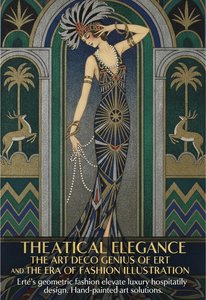
Theatrical Elegance: The Art Deco Genius of Erté and the Era of Fashion Illustration
Explore the theatrical elegance of Erté and the Art Deco era. Discover how his mastery of geometric line and fashion illustration can elevate luxury hospitality design through premium, hand-painted reproductions and bespoke architectural art solutions.