
 पूर्वावलोकन देखें
 साझा करें
 साझा करें
 विस्तृत विवरण
 मार्गदर्शिका

 डाउनलोड करें
 समान वस्तुएं
 एक्स-रे
 स्लाइड शो देखें
 प्रश्न और उत्तर
 आंकड़े
Lord Grosvenor

- 99.0 x 83.0 cm


 पूरा देखें
गिक्ली / आर्ट प्रिंट
तेज़ उत्पादन और विभिन्न फिनिश विकल्पों के साथ म्यूजियम-क्वालिटी गिकली (giclée) या कैनवस प्रिंट। ( इस संग्रहणीय वस्तु की हाथ से बनी प्रतिकृति मंगवाएं डिजिटल इमेज पर स्विच करें)




P118B ₹10

P118H ₹10

P118W ₹10

P438Z ₹10

P508JH ₹12

P508YH ₹12

P805H ₹10

P805Z ₹10

P919BZ ₹10

P919G ₹10

P919XJ ₹10

P959ZH ₹10

P968JZ ₹12

W106C ₹8

W218G ₹10

W218JH ₹8

W218Y ₹10

W307PJ ₹10

W316G ₹10

W316PJ ₹8

W316Y ₹10

W398PJ ₹8

W4111J ₹10

W500HY ₹15

W500JH ₹15

W692G ₹12

W849H ₹8

W940BG ₹15

W953PJ ₹8




कलाकृति के मूल अनुपात से मेल खाने वाले हमारे पूर्व निर्धारित आकारों में से चुनें।

अपने फ्रेम या अपनी दीवार के अनुसार आवश्यक चौड़ाई और ऊंचाई दर्ज करें। प्रिंट को केवल काटा जा सकता है, चित्र से बड़ा कभी नहीं बनाया जा सकता, इसलिए अलग आकार का साइज चित्र का एक हिस्सा खो देता है। किसी भी चीज़ को प्रिंट करने से पहले हम आपकी स्वीकृति के लिए आपको एक डिजिटल मॉकअप भेजते हैं। इस पृष्ठ पर दिखाया गया चित्र वास्तविक कटिंग नहीं दिखाता है — केवल मॉकअप ही इसे दर्शाता है।
विश्वव्यापी डिलीवरी (), मानक 4/5 सप्ताह के बजाय मात्र 2 सप्ताह में। (7 नवमबर)

दुनिया भर में मुफ़्त एक्सप्रेस शिपिंग

उच्च गुणवत्ता वाला लिनेन कैनवास

पूर्ण शिपिंग बीमा

सीमा शुल्क और आयात कर वापसी की गारंटी

सटीक रंग मिलान की गारंटी

100 दिनों की वापसी नीति (केवल दोष होने पर)

100% पैसे वापसी की गारंटी

थोक छूट का अवसर
 ग्लास का विकल्प केवल 110 सेमी से कम आकार में ही उपलब्ध है।

Lord Grosvenor
गिक्ली / आर्ट प्रिंट
प्रतिकृति का आकार
-


कुल देय राशि
₹ 7846
The Equestrian Vision of George Stubbs
George Stubbs' "Lord Grosvenor’s Arabian Stallion with a Groom," painted in 1765, isn’t merely a portrait; it’s a meticulously crafted tableau vivant—a snapshot of aristocratic leisure and the profound connection between man and beast. Stubbs, already recognized as the foremost painter of horses of his era, transcends simple representation, instead offering a deeply considered study of anatomy, movement, and psychological nuance. This work exemplifies his pioneering approach to animal painting, firmly rooted in scientific observation yet imbued with a distinctly Romantic sensibility.
The scene unfolds within a softly rendered English landscape—rolling hills bathed in the golden light of late afternoon. The composition is dominated by the magnificent Arabian stallion, poised and alert, its muscular form captured with astonishing accuracy. Stubbs’s anatomical knowledge, honed through years of dissecting horses (a practice considered radical at the time), is immediately apparent in the precise rendering of every muscle, tendon, and bone. Yet, this isn't a cold, clinical study; the horse radiates vitality, its ears pricked forward, nostrils flared, conveying an intense awareness of its surroundings.
A Masterclass in Technique – Light, Shadow, and Sabino Markings
Stubbs’s mastery lies not just in his anatomical precision but also in his masterful manipulation of light and shadow. He employs a low horizon line, drawing the viewer's eye upwards to the horse, emphasizing its imposing presence against the backdrop of the landscape. The warm tones of the chestnut stallion—rich browns, golds, and russets—are contrasted with the cooler greens and blues of the foliage, creating a dynamic interplay of color that adds depth and realism to the scene. Notably, Stubbs meticulously portrays the horse’s unique genetic Sabino markings – the broad blaze running down its forehead, the striking white stockings, and the delicate white spots adorning its belly and sides—demonstrating an almost obsessive attention to detail.
The groom, a figure of quiet dignity, stands in stark contrast to the stallion’s spirited energy. Dressed in a dark suit, he exudes a reassuring presence, his posture suggesting years of experience and a deep understanding of horses. This juxtaposition—the youthful exuberance of the horse and the seasoned calm of its handler—adds another layer of complexity to the composition, hinting at the symbiotic relationship between man and animal.
Historical Context & Romantic Ideals
Painted during the mid-18th century, “Lord Grosvenor’s Arabian Stallion with a Groom” reflects the prevailing artistic trends of the time. Stubbs' work aligns with the burgeoning Romantic movement, which emphasized emotion, individualism, and the sublime beauty of nature. Unlike the rigid formality of Neoclassical art, Stubbs’s painting embraces a more naturalistic approach, capturing the essence of the subject rather than adhering to idealized forms. The inclusion of the landscape—a carefully constructed vista that evokes a sense of tranquility and grandeur—further reinforces this Romantic sensibility.
The portrait itself was commissioned for Richard Grosvenor, 7th Baronet, and 1st Earl Grosvenor, a prominent figure in English society. Such commissions were not merely about depicting a horse; they represented a celebration of aristocratic status, wealth, and the connection to the land. The painting served as a visual testament to the family’s equestrian pursuits and their appreciation for fine horses.
A Timeless Appeal – Reproduction & Beyond
“Lord Grosvenor’s Arabian Stallion with a Groom” remains a captivating work of art, admired for its technical brilliance, emotional depth, and historical significance. Reproductions offer an accessible way to experience the beauty and artistry of this iconic painting, bringing its timeless appeal into any home or office space. When selecting a reproduction, consider the quality of materials and the artist’s interpretation – ensuring that it faithfully captures Stubbs' original vision while maintaining a high level of detail and vibrancy.
प्रश्न और उत्तर
क्या "Lord Grosvenor" उस प्रकार की कला का उदाहरण है जो जॉर्ज स्टब्स आमतौर पर बनाते थे?
जॉर्ज स्टब्स के आवर्ती विषयों में classical anatomy, romantic style, aristocratic patronage, equestrian art, animal studies, scientific accuracy, british landscape, rural life शामिल हैं; "Lord Grosvenor" का ध्यान horse, equestrian, portraiture, groom, landscape, sabino, anatomy, 18th century पर केंद्रित है।
जॉर्ज स्टब्स द्वारा "Lord Grosvenor" के दर्शक कहाँ से आते हैं?
"Lord Grosvenor" के लिए एक आंकड़े पेज उपलब्ध है। यह देश और भाषा के विवरण के साथ, इस कलाकृति और कलाकार की अन्य कृतियों की मासिक यात्राओं का चार्ट प्रस्तुत करता है।
"Lord Grosvenor" का निर्माण किस वर्ष और किस कला आंदोलन के दौरान किया गया था?
"Lord Grosvenor" का निर्माण 1765 में Romanticism आंदोलन की एक कृति के रूप में किया गया था। इसकी तिथि और शैली इस कलाकृति को कला इतिहास में एक विशिष्ट स्थान प्रदान करते हैं।
कलाकार की जीवनी
प्रारंभिक जीवन और प्रशिक्षण
जॉर्ज स्टब्स, एक प्रसिद्ध अंग्रेजी चित्रकार, का जन्म 25 अगस्त 1724 को लिवरपूल, यूनाइटेड किंगडम में हुआ था। उनके प्रारंभिक जीवन के बारे में बहुत कम जानकारी उपलब्ध है, खासकर उनकी 35 वर्ष की आयु तक। अधिकांश विवरण ओज़ियास हम्फ्री की संस्मरणों से प्राप्त होते हैं, जो स्टब्स के साथ 1794 में हुई बातचीत पर आधारित हैं। स्टब्स ने 15 वर्ष की उम्र में अपनी कला यात्रा शुरू की, शुरुआत में अपने पिता के अधीन काम किया, जो एक चमड़ा कारीगर थे। बाद में उन्होंने हैमलेट विंस्टनले, लंकाशायर के एक चित्रकार और उत्कीर्णक से संक्षिप्त प्रशिक्षण प्राप्त किया। इस अल्पकालिक अनुभव ने उन्हें नोस्ली हॉल के संग्रह का अध्ययन करने का अवसर दिया।कलात्मक विकास और उल्लेखनीय कार्य
स्टब्स की शरीर रचना विज्ञान (anatomy) के प्रति जुनून उन्हें 1744 में यॉर्क ले गया, जहाँ उन्होंने यॉर्क काउंटी अस्पताल में सर्जन चार्ल्स एटकिंसन के अधीन अध्ययन किया। उनके शुरुआती जीवित कार्यों में से एक जॉन बर्टन की प्रसूति पर पाठ्यपुस्तक के लिए चित्रों का एक सेट है, जो 1751 में प्रकाशित हुआ था। 1756 में, स्टब्स ने लिंकनशायर में एक फार्महाउस किराए पर लिया और अपनी सामान्य कानून पत्नी, मैरी स्पेंसर की सहायता से 18 महीने तक घोड़ों का विच्छेदन किया। इसके परिणामस्वरूप 1766 में घोड़े की शरीर रचना विज्ञान (The Anatomy of the Horse) का प्रकाशन हुआ, जिसकी मूल कलाकृतियाँ अब रॉयल अकादमी में रखी गई हैं। स्टब्स के काम को जल्द ही प्रमुख कुलीन संरक्षकों द्वारा मान्यता मिली, जिसमें तीसरे ड्यूक ऑफ रिचमंड शामिल थे, जिन्होंने 1759 में तीन बड़े चित्रों का आदेश दिया था। इसने उनके सफल करियर की शुरुआत की, जिसके परिणामस्वरूप कई डचों और लॉर्डों के लिए कार्य किए गए, अंततः लंदन के मैरीलेबोन में एक घर की खरीद हुई।विरासत और उल्लेखनीय चित्र
स्टब्स का सबसे प्रसिद्ध काम, व्हिसलजैकेट, दूसरे मार्क्विस ऑफ रॉकहिंगम द्वारा कमीशन किया गया एक प्रancing घोड़ा है, जो अब लंदन के राष्ट्रीय गैलरी में रखा गया है। यह और रॉकहिंगम के लिए दो अन्य चित्र परंपरा से हटकर हैं, जिनमें सादे पृष्ठभूमि हैं। व्हिसलजैकेट, एक थोरौब्रिड रेस हॉर्स अपने पिछले पैरों पर उठ रहा है, स्टब्स की अद्वितीय कौशल को घोड़ों के सार को पकड़ने में दर्शाता है। स्टब्स की पेंटिंग्स की श्रृंखला जिसमें शेर घोड़े पर हमला कर रहे हैं, 18वीं शताब्दी की कला पर उनके प्रभाव को दर्शाते हुए रोमांटिक आंदोलन के शुरुआती उदाहरण हैं।प्रभाव और ऐतिहासिक महत्व
स्टब्स का काम शरीर रचना विज्ञान के प्रति उनकी गहरी समझ और जानवरों की गतिशीलता को सटीक रूप से चित्रित करने की क्षमता द्वारा चिह्नित किया गया था। उन्होंने पारंपरिक चित्रकला सम्मेलनों को चुनौती दी, अक्सर अपने चित्रों में सादे पृष्ठभूमि का उपयोग करते हुए, जिससे विषय पर ध्यान केंद्रित किया जा सके। स्टब्स ने न केवल घोड़ों के उत्कृष्ट चित्र बनाए बल्कि शिकार दृश्यों और विदेशी जानवरों के कार्यों में भी योगदान दिया। उनके प्रभाव को जोशुवा रेनॉल्ड्स जैसे कलाकारों में देखा जा सकता है, जिन्होंने उनकी शरीर रचना विज्ञान संबंधी सटीकता की प्रशंसा की। स्टब्स को अक्सर आधुनिक पशु चित्रकला का जनक माना जाता है, और उनकी विरासत आज भी दुनिया भर के कला उत्साही लोगों को प्रेरित करती रहती है।- स्टब्स के कार्यों को https://OriginalUniqueArt.com/@/george_stubbs पर देखें
- राष्ट्रीय गैलरी इन लंदन के संग्रह का अन्वेषण करें, जिसमें स्टब्स के उल्लेखनीय कार्य शामिल हैं, /hi/art/show/art-8xyffg-hi/ पर
- विकिपीडिया पर स्टब्स के जीवन और कार्य के बारे में अधिक जानें https://en.wikipedia.org/wiki/george_stubbs पर
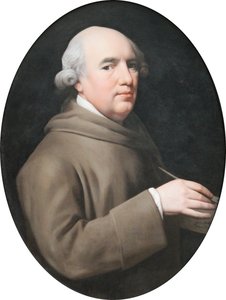
जॉर्ज स्टब्स
1724 - 1806 , यूनाइटेड किंगडम
प्रमुख तथ्य
- कला आंदोलन: रोमांटिकवाद, घोड़े की कला
- किससे प्रभावित हुए: ['जोशुआ रेनॉल्ड्स']
- जन्म तिथि: 25 अगस्त 1724
- जन्म स्थान: लिवरपूल, यूनाइटेड किंगडम
- पूरा नाम: जॉर्ज स्टब्स
- प्रभावित कलाकार: ['हैमलेट विनस्टानली']
- प्रमुख कलाकृतियाँ:
- व्हिसलजैकेट
- शेर और घोड़ा
- मृत्यु तिथि: 10 जुलाई 1806
- राष्ट्रीयता: ब्रिटिश
संबंधित लेख

जॉर्ज पियरे सेउरा की 25 उत्कृष्ट कृतियाँ: कला, इतिहास और आपके घर के लिए प्रेरणा
जॉर्ज सेउरा की 25 सर्वश्रेष्ठ कृतियों का अन्वेषण करें! बिंदुवाद, आधुनिक कला और रंग सिद्धांत के जादू को जानें। उच्च गुणवत्ता वाले कला प्रिंट और दीवार सजावट के लिए OriginalUniqueArt.com पर खोजें।

जॉर्जेस ब्राक की शीर्ष 25 कलाकृतियाँ: आधुनिक कला का सफर | OriginalUniqueArt
जॉर्जेस ब्राक की शीर्ष 25 कलाकृतियों का अन्वेषण करें! क्यूबिज्म, आधुनिक कला और फ्रांसीसी शैली के उत्कृष्ट नमूनों को जानें। OriginalUniqueArt.com पर उच्च-गुणवत्ता वाले कला प्रिंट और घर की सजावट के विचार खोजें। अभी संग्रह देखें!
George Stubbs: Anatomical Precision & Romantic Vision in 18th-Century British Art
Explore the captivating world of George Stubbs, the 18th-century master renowned for his anatomical precision & Romantic animal paintings. Discover his legacy and investment potential.

The Equine Muse: A Historical & Artistic Exploration of Horses in Painting
Explore the captivating history of horses in painting! Discover Renaissance masterpieces, Baroque grandeur & expert insights for collecting equestrian art. Learn about symbolism, techniques & lasting value with OriginalUniqueArt.
The Noble Steed: A Historical and Artistic Exploration of Horses in Fine Art
Explore the rich history of horses in fine art! From ancient depictions to Renaissance masterpieces & beyond, discover iconic artworks and artists. Learn about symbolism, techniques, and find museum-quality reproductions at OriginalUniqueArt.


