
 पूर्वावलोकन देखें
 साझा करें
 साझा करें
 विस्तृत विवरण
 मार्गदर्शिका

 डाउनलोड करें
 समान वस्तुएं
 एक्स-रे
 स्लाइड शो देखें
 Q&A
Q&A आंकड़े
The Gray Day

- 115.0 x 80.0 cm


 पूरा देखें
इस पृष्ठ पर प्रदर्शित कलाकृति कॉपीराइट कानून द्वारा संरक्षित है, जिसका अर्थ है कि हम कानूनी रूप से इसकी हूबहू प्रतिलिपि बनाने या बेचने का अधिकार नहीं रखते हैं। यह संरक्षण अंतर्राष्ट्रीय समझौतों के तहत लागू किया जाता है, जैसे कि बर्न कन्वेंशन और राष्ट्रीय कानूनों द्वारा, जिनमें % द्वारा निर्धारित कानून भी शामिल हैं। अमेरिकी कॉपीराइट कानून - शीर्षक 17।
यह विधि कॉपीराइट नियमों का पूरी तरह से पालन करती है क्योंकि इसमें संरक्षित कलाकृति की नकल या प्रतिलिपि बनाना शामिल नहीं है। इसके बजाय, यह एक रचनात्मक पुनर्व्याख्या है - एक ऐसी नई पेंटिंग जो मूल कृति से प्रेरित तो है, लेकिन उसके समान नहीं है।
गिक्ली / आर्ट प्रिंट
तेज़ उत्पादन और विभिन्न फिनिश विकल्पों के साथ म्यूजियम-क्वालिटी गिकली (giclée) या कैनवस प्रिंट। ( इस संग्रहणीय वस्तु की हाथ से बनी प्रतिकृति मंगवाएं डिजिटल इमेज पर स्विच करें)




P118B ₹10

P118H ₹10

P118W ₹10

P438Z ₹10

P508JH ₹12

P508YH ₹12

P805H ₹10

P805Z ₹10

P919BZ ₹10

P919G ₹10

P919XJ ₹10

P959ZH ₹10

P968JZ ₹12

W106C ₹8

W218G ₹10

W218JH ₹8

W218Y ₹10

W307PJ ₹10

W316G ₹10

W316PJ ₹8

W316Y ₹10

W398PJ ₹8

W4111J ₹10

W500HY ₹15

W500JH ₹15

W692G ₹12

W849H ₹8

W940BG ₹15

W953PJ ₹8




कलाकृति के मूल अनुपात से मेल खाने वाले हमारे पूर्व निर्धारित आकारों में से चुनें।

अपने फ्रेम या अपनी दीवार के अनुसार आवश्यक चौड़ाई और ऊंचाई दर्ज करें। प्रिंट को केवल काटा जा सकता है, चित्र से बड़ा कभी नहीं बनाया जा सकता, इसलिए अलग आकार का साइज चित्र का एक हिस्सा खो देता है। किसी भी चीज़ को प्रिंट करने से पहले हम आपकी स्वीकृति के लिए आपको एक डिजिटल मॉकअप भेजते हैं। इस पृष्ठ पर दिखाया गया चित्र वास्तविक कटिंग नहीं दिखाता है — केवल मॉकअप ही इसे दर्शाता है।
विश्वव्यापी डिलीवरी (), मानक 4/5 सप्ताह के बजाय मात्र 2 सप्ताह में। (2 नवमबर)

दुनिया भर में मुफ़्त एक्सप्रेस शिपिंग

उच्च गुणवत्ता वाला लिनेन कैनवास

पूर्ण शिपिंग बीमा

सीमा शुल्क और आयात कर वापसी की गारंटी

सटीक रंग मिलान की गारंटी

100 दिनों की वापसी नीति (केवल दोष होने पर)

100% पैसे वापसी की गारंटी

थोक छूट का अवसर
 ग्लास का विकल्प केवल 110 सेमी से कम आकार में ही उपलब्ध है।

The Gray Day
गिक्ली / आर्ट प्रिंट
प्रतिकृति का आकार
-


कुल देय राशि
₹ 7715
A Somber Reflection of a Shattered Era
In the hauntingly evocative oil on canvas titled “The Gray Day,” George Grosz invites viewers into the fractured psyche of Weimar Germany. Executed in 1921, this masterpiece serves as more than a mere depiction of urban life; it is a visceral, monochromatic window into an era defined by profound disillusionment and social upheaval. The painting captures a moment of heavy stillness, where the atmosphere feels thick with the residue of war and the uncertainty of a republic struggling to find its footing. Through his signature blend of unsettling realism and biting satire, Grosz transforms a simple street scene into a powerful indictment of a society caught in the grip of transition and decay.
The composition is anchored by two figures in the foreground, whose presence establishes a poignant tension between civilian existence and the lingering shadow of militarism. One man, clad in a formal suit and hat, engages in conversation with another figure wearing a military uniform topped with a striking red cap—a singular, sharp puncture of color in an otherwise muted world. This juxtaposition serves as a symbolic bridge between the domestic stability sought by the populace and the rigid, often violent, Prussian ethos that continued to haunt the German consciousness. As their silhouettes interact, the viewer is drawn into a silent dialogue about class, duty, and the shared anxiety of a generation.
Technique and the Aesthetic of Disillusionment
Grosz’s technical mastery in “The Gray Day” lies in his ability to use restraint to amplify emotional impact. Eschewing the vibrant palettes of his contemporaries, he employs a predominantly grayscale spectrum that mirrors the pervasive gloom of post-war Berlin. This monochromatic approach is not merely an aesthetic choice but a thematic one, reflecting the New Objectivity movement’s focus on the stark, unvarnished truths of reality. The artist utilizes bold, decisive lines to define the urban landscape, creating a sense of structural dynamism that prevents the somber mood from becoming stagnant.
Despite the overall gloom, Grosz’s attention to detail is meticulous. He captures the gritty textures of clothing and the industrial grit of the background with an almost surgical precision. In the distance, the silhouettes of buildings and rising smokestacks bleed into a heavy, overcast sky, symbolizing the relentless march of industrialization and the environmental and social pollution of the age. This careful layering of detail ensures that every element of the canvas—from the sharp edge of a lapel to the hazy smog of the horizon—contributing to a cohesive narrative of urban alienation.
A Timeless Masterpiece for the Discerning Collector
For art collectors and interior designers, “The Gray Day” offers a profound opportunity to possess a piece of history that transcends simple decoration. This painting is an intellectual powerhouse, providing a sophisticated focal point for spaces that value depth, narrative, and historical significance. Its muted tones and balanced composition make it an exceptionally versatile choice for modern interiors, where it can serve as a contemplative anchor amidst more contemporary or minimalist decor.
Owning a high-quality reproduction of this work allows one to bring the raw, emotive power of Dadaism into a private collection. It is a piece that invites long periods of study, rewarding the observer with new layers of meaning regarding the human condition and the resilience of the spirit amidst chaos. Whether displayed in a curated gallery setting or as a centerpiece in a thoughtfully designed living space, Grosz’s work remains an enduring testament to the ability of art to confront the darkest chapters of history with unflinching courage and unparalleled beauty.
प्रश्न और उत्तर
इसके रंगों को देखते हुए, जॉर्ज ग्रोस द्वारा "The Gray Day" के लिए किस कमरे की सलाह दी जाती है?
इसके Earthy रंगों को देखते हुए, "The Gray Day" के लिए Living Room का सुझाव दिया जाता है।
जॉर्ज ग्रोस द्वारा "The Gray Day" किस माध्यम में निर्मित है?
जॉर्ज ग्रोस द्वारा "The Gray Day" की माध्यम Oil On Canvas है। पुनरुत्पादन (reproductions) का उद्देश्य इस तकनीक के स्वरूप को जीवंत रूप में प्रस्तुत करना है।
जॉर्ज ग्रोस द्वारा "The Gray Day" में किन विषयों का चित्रण किया गया है?
जॉर्ज ग्रोस द्वारा "The Gray Day" में दर्शाया गया है: dadaism, urban decay, social critique, satire, monochromatic palette, surrealism, zeitgeist।
कलाकार की जीवनी
टूटे हुए संसार का व्यंग्यकार: जॉर्ज ग्रोस का जीवन और कला
जॉर्ज ग्रोस, जिनका जन्म 1893 में बर्लिन में जॉर्ज एहरेनफ्रीड ग्रॉस के नाम से हुआ था, सामाजिक पतन और राजनीतिक उथल-पुथल के एक दृश्य कालानुक्रमिक थे। उनकी कला न केवल अपने समय *की* थी—उग्र वेइमर गणराज्य और फासीवाद का उदय—बल्कि यह इसके प्रति एक तीव्र प्रतिक्रिया थी, तीखी रेखाओं और विचित्र व्यंगचित्रों में प्रस्तुत एक भयंकर आरोप। ग्रोस ने बर्लिन को चित्रित नहीं किया; उन्होंने इसे विच्छेदित किया, बेधड़क ईमानदारी के साथ इसकी नैतिक सड़न को उजागर किया। उनके प्रारंभिक जीवन की विशेषता उनकी मृत्यु के बाद अस्थिरता थी, एक ऐसी घटना जिसने उनकी मां को अधिकारियों के मेस का प्रबंधन करने के लिए प्रेरित किया, जिससे युवा जॉर्ज प्रशिया सैन्यवाद और कठोर सामाजिक पदानुक्रमों की दुनिया में आ गए—एक ऐसी दुनिया जिसकी उन्होंने बाद में अथक रूप से व्यंग्य किया। उनका औपचारिक कला प्रशिक्षण डच मास्टर्स जैसे एडुआर्ड वॉन ग्रूट्ज़नर की सावधानीपूर्वक प्रतियों के साथ शुरू हुआ, जिसने अकादमिक सम्मेलनों को त्यागने से पहले तकनीकी कौशल को निखारा। हालांकि, यह प्रारंभिक अनुशासन उनकी अद्वितीय अभिव्यंजक शैली की नींव प्रदान करता था।दादावाद, नई वस्तुनिष्ठता और एक आलोचनात्मक दृष्टि का जन्म
ग्रोस का कलात्मक विकास प्रथम विश्व युद्ध के बाद जर्मनी में फले-फुले हुए नवोन्मेषी आंदोलनों से अटूट रूप से जुड़ा हुआ था। वह बर्लिन दादावाद की एक केंद्रीय शख्सियत बन गए, इसके निराशावादी भावना और विरोधी प्रतिष्ठान उत्साह को अपनाया। हालांकि, उनके कुछ समकालीन दादावादियों के विपरीत जो शुद्ध निरर्थकता में आनंद लेते थे, ग्रोस ने दादावाद की विद्रोही ऊर्जा को तीखी सामाजिक टिप्पणी में बदल दिया। इस अवधि के दौरान उनका काम—*द पिट* (1921) और *पिलर्स ऑफ सोसाइटी* (1926) जैसी कृतियाँ—जर्मन बुर्जुआजी, सैन्य अभिजात वर्ग और उस भ्रष्ट राजनीतिक व्यवस्था की तीखी निंदा हैं जिसने राष्ट्र को आपदा में पहुंचाया। उनकी रुचि सौंदर्यशास्त्र सुंदरता में नहीं थी; उन्होंने सदमे पहुँचाने, उकसाने और पाखंड को उजागर करने का प्रयास किया। सामाजिक आलोचना के प्रति यह प्रतिबद्धता *न्यूए साचलिचकेइट* (नई वस्तुनिष्ठता) में उनकी भागीदारी में विकसित हुई, एक आंदोलन जो समकालीन जीवन के यथार्थवादी लेकिन असंवेदनशील चित्रण की विशेषता है। जबकि न्यू ऑब्जेक्टिविटी के फोकस को साझा करते हुए, ग्रोस ने इसे एक अद्वितीय तीखी व्यंग्य से जोड़ा जिसने उन्हें समूह से जुड़े अन्य कलाकारों से अलग किया। उनके चित्रों और रेखाचित्रों का उद्देश्य वास्तविकता का प्रतिनिधित्व करना नहीं था; वे एक समाज के विकृत प्रतिबिंब थे जो पतन के कगार पर था।निर्वासन और परिवर्तन: एक नई दुनिया, एक बदलती शैली
नाज़ीवाद के उदय ने ग्रोस को 1933 में निर्वासन में मजबूर कर दिया। उन्होंने संयुक्त राज्य अमेरिका में शरण पाई, 1938 में नागरिकता प्राप्त की। यह स्थानांतरण उनके कलात्मक करियर में एक महत्वपूर्ण मोड़ था। तत्काल संदर्भ से हटा दिया गया जिसने उनके सबसे शक्तिशाली काम को बढ़ावा दिया, और विभिन्न सामाजिक और राजनीतिक वास्तविकताओं का सामना करना पड़ा, ग्रोस की शैली बदलने लगी। स्पष्ट रूप से आक्रामक व्यंगचित्रों ने अधिक शांत परिदृश्य और पोर्ट्रेट दिए, अक्सर उदासी और मोहभंग की भावना से रंगे हुए। जबकि उन्होंने न्यूयॉर्क में आर्ट स्टूडेंट्स लीग में प्रदर्शन और शिक्षण जारी रखा, उनके काम में बर्लिन काल की कच्ची तात्कालिकता का अभाव था। उन्हें एक नई सेटिंग में अपनी जगह खोजने के लिए संघर्ष करना पड़ा, अलगाव और कलात्मक अनिश्चितता की भावनाओं से जूझना पड़ा। इस समय उभरी सर्वनाशकारी दृष्टि—बंजर परिदृश्य और खंडित आकृतियों को दर्शाने वाले चित्र—केवल यूरोप में घटित होने वाली भयावह घटनाओं को नहीं दर्शाती है, बल्कि उनकी आंतरिक उथल-पुथल को भी दर्शाती है।विरासत और स्थायी प्रासंगिकता
जॉर्ज ग्रोस 1959 में बर्लिन लौट आए, अपनी मृत्यु से ठीक पहले, उस शहर के लिए एक मार्मिक वापसी जिसने उन्हें प्रेरित किया था और उसे सताया था। उनकी विरासत वेइमर जर्मनी के ऐतिहासिक संदर्भ से परे फैली हुई है। वह एक शक्तिशाली उदाहरण बने हुए हैं जो कलाकारों ने असहज सत्यों का सामना करने और सामाजिक मानदंडों को चुनौती देने की हिम्मत की। उनका काम राजनीतिक अतिवाद, सामाजिक अन्याय और अनियंत्रित शक्ति के खतरों के बारे में एक चेतावनी कहानी के रूप में कार्य करता है।- व्यंग्य शक्ति: ग्रोस के व्यंगचित्र का कुशल उपयोग आज भी कलाकारों और टिप्पणीकारों को प्रेरित करता है।
- सामाजिक टिप्पणी: असमानता, भ्रष्टाचार और राजनीतिक ध्रुवीकरण से जूझ रही दुनिया में उनकी सामाजिक बुराइयों की निर्भय आलोचना उल्लेखनीय रूप से प्रासंगिक बनी हुई है।
- ऐतिहासिक गवाह: उनकी कला अंतर-युद्ध जर्मनी के सामाजिक और राजनीतिक माहौल में अमूल्य अंतर्दृष्टि प्रदान करती है, जो द्वितीय विश्व युद्ध की ओर ले जाने वाली ताकतों की एक ज्वलंत समझ पेश करती है।
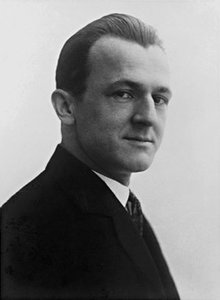
जॉर्ज ग्रोस
1893 - 1959 , भारत
प्रमुख तथ्य
- कला आंदोलन/शैली: दादावाद, नई वस्तुनिष्ठता
- जन्म तिथि: 26 जुलाई 1893
- जन्म स्थान: बर्लिन, जर्मनी
- पूरा नाम: जॉर्ज ग्रोस
- प्रमुख कलाकृतियाँ:
- द पिट
- एजिटेटर
- पिलर्स ऑफ़ सोसाइटी
- मृत्यु तिथि: 6 जुलाई 1959
- राष्ट्रीयता: जर्मन
संबंधित लेख

The Enduring Legacy of Oil on Canvas: Technique, History & Aesthetic Impact
Explore the rich history & techniques of oil painting – from Renaissance masters to Impressionism. Discover pigments, layering methods, and why this timeless medium endures. Expert insights for artists & art enthusiasts.

जॉर्ज पियरे सेउरा की 25 उत्कृष्ट कृतियाँ: कला, इतिहास और आपके घर के लिए प्रेरणा
जॉर्ज सेउरा की 25 सर्वश्रेष्ठ कृतियों का अन्वेषण करें! बिंदुवाद, आधुनिक कला और रंग सिद्धांत के जादू को जानें। उच्च गुणवत्ता वाले कला प्रिंट और दीवार सजावट के लिए OriginalUniqueArt.com पर खोजें।

जॉर्जेस ब्राक की शीर्ष 25 कलाकृतियाँ: आधुनिक कला का सफर | OriginalUniqueArt
जॉर्जेस ब्राक की शीर्ष 25 कलाकृतियों का अन्वेषण करें! क्यूबिज्म, आधुनिक कला और फ्रांसीसी शैली के उत्कृष्ट नमूनों को जानें। OriginalUniqueArt.com पर उच्च-गुणवत्ता वाले कला प्रिंट और घर की सजावट के विचार खोजें। अभी संग्रह देखें!
Gray Masterpieces: 10 Iconic Paintings & The Power of Subtle Light |
Explore 10 iconic paintings where light gray reigns supreme! From Monet's Impressionism to Hopper’s realism, discover the stories & subtle power of these masterpieces. Find museum-quality art reproductions at .
Dark Gray Masterpieces: 10 Iconic Paintings & Timeless Home Decor Ideas
Explore 10 iconic paintings dominated by dark gray tones, from Rembrandt & Caravaggio to Goya. Discover the stories behind these masterpieces and find museum-quality art reproductions for your home at . Explore the full collection online.


