

 पूर्वावलोकन देखें
 भेजें
भेजें साझा करें
 विवरण देखें
 मार्गदर्शिका

 डाउनलोड करें
 समान वस्तुएं
 एक्स-रे
 स्लाइड शो देखें
 आंकड़े
Interrogation
 Oil On Canvas
- WallArt
- Expressionist Satire
 1938
1938- Modern
 46.0 x 59.0 cm
 Ben Uri Gallery and Museum
 और पढ़ें
इस पृष्ठ पर प्रदर्शित कलाकृति कॉपीराइट कानून द्वारा संरक्षित है, जिसका अर्थ है कि हम कानूनी रूप से इसकी हूबहू प्रतिलिपि बनाने या बेचने का अधिकार नहीं रखते हैं। यह संरक्षण अंतर्राष्ट्रीय समझौतों के तहत लागू किया जाता है, जैसे कि बर्न कन्वेंशन और राष्ट्रीय कानूनों द्वारा, जिनमें % द्वारा निर्धारित कानून भी शामिल हैं। अमेरिकी कॉपीराइट कानून - शीर्षक 17।
यह विधि कॉपीराइट नियमों का पूरी तरह से पालन करती है क्योंकि इसमें संरक्षित कलाकृति की नकल या प्रतिलिपि बनाना शामिल नहीं है। इसके बजाय, यह एक रचनात्मक पुनर्व्याख्या है - एक ऐसी नई पेंटिंग जो मूल कृति से प्रेरित तो है, लेकिन उसके समान नहीं है।
गिक्ली / आर्ट प्रिंट
तेज़ उत्पादन और विभिन्न फिनिश विकल्पों के साथ म्यूजियम-क्वालिटी गिकली (giclée) या कैनवस प्रिंट। ( हाथ से बनी पेंटिंग खरीदें डिजिटल इमेज पर जाएँ)




P118B ₹10

P118H ₹10

P118W ₹10

P438Z ₹10

P508JH ₹12

P508YH ₹12

P805H ₹10

P805Z ₹10

P919BZ ₹10

P919G ₹10

P919XJ ₹10

P959ZH ₹10

P968JZ ₹12

W106C ₹8

W218G ₹10

W218JH ₹8

W218Y ₹10

W307PJ ₹10

W316G ₹10

W316PJ ₹8

W316Y ₹10

W398PJ ₹8

W4111J ₹10

W500HY ₹15

W500JH ₹15

W692G ₹12

W849H ₹8

W940BG ₹15

W953PJ ₹8




कलाकृति के मूल अनुपात से मेल खाने वाले हमारे पूर्व निर्धारित आकारों में से चुनें।

अपने फ्रेम या अपनी दीवार के अनुसार आवश्यक चौड़ाई और ऊंचाई दर्ज करें। प्रिंट को केवल काटा जा सकता है, चित्र से बड़ा कभी नहीं बनाया जा सकता, इसलिए अलग आकार का साइज चित्र का एक हिस्सा खो देता है। किसी भी चीज़ को प्रिंट करने से पहले हम आपकी स्वीकृति के लिए आपको एक डिजिटल मॉकअप भेजते हैं। इस पृष्ठ पर दिखाया गया चित्र वास्तविक कटिंग नहीं दिखाता है — केवल मॉकअप ही इसे दर्शाता है।
विश्वव्यापी डिलीवरी (), मानक 4/5 सप्ताह के बजाय मात्र 2 सप्ताह में। (19 अक्टूबर)

दुनिया भर में मुफ़्त एक्सप्रेस शिपिंग

प्रीमियम ग्रेड लिनेन कैनवास

पूर्ण शिपिंग बीमा

सीमा शुल्क और आयात कर वापसी की गारंटी

सटीक रंग मिलान की गारंटी

100 दिनों की वापसी नीति (केवल निर्माण दोष होने पर)

100% पैसे वापसी की गारंटी

थोक छूट का अवसर
 ग्लास का विकल्प केवल 110 सेमी से कम आकार में ही उपलब्ध है।

Interrogation
गिक्ली / आर्ट प्रिंट
प्रतिकृति का आकार
-


कुल मूल्य
₹ 7684
A Visceral Encounter with Shadows
In the haunting depths of George Grosz’s 1938 masterpiece, Interrogation, the viewer is not merely an observer but a silent witness to a moment of profound psychological and physical violation. The painting presents a scene of stark, unsettling tension: three men are locked in a grim confrontation within a room that feels heavy with the scent of dread. At the center of this drama, a man sits with his hands bound behind his back, his very posture a testament to vulnerability and resistance. Surrounding him, the figures of his interrogators loom, their presence injecting a palpable sense of menace into the composition. The room itself tells a story of recent violence; bloodstains mar the floor and walls, suggesting that the interrogation is but one chapter in a larger cycle of brutality. This is not a static portrait, but a living, breathing fragment of a much darker narrative, capturing the precise second where tension threatens to erupt into tragedy.
To gaze upon this work is to experience the raw power of Brutal Realism infused with the jagged, emotive distortions of Expressionism. Grosz, a master of dissecting the societal rot of his era, eschews the polished aesthetics of traditional academic art in favor of a more visceral truth. His technique relies on sharp, angular lines and a deliberate use of light and shadow to amplify the dramatic conflict. The artist utilizes oil on canvas to create a surface that feels almost tactile; one can sense the weight of the textures as they depict the grim reality of the setting. The stark contrasts do not merely illuminate the subjects but serve to carve them out of the darkness, emphasizing the psychological torment etched into their features and the cold, unforcketing atmosphere of the room.
The Echoes of a Crumbling Republic
To understand the profound emotional impact of Interrogation, one must look toward the turbulent landscape of late Weimar Germany. Created in 1938, as the shadows of fascism were lengthening across Europe, the painting serves as a chilling reflection of the political polarization and systemic violence that defined the era. Grosz, a prominent figure in the Berlin Dada and New Objectivity movements, used his brush as a weapon to indict the moral decay of his time. This specific work carries deep personal and historical resonance, referencing the persecution and even the murder of figures like the anarchist Erich Mühsam. The painting captures the pervasive disillusionment of an intellectual class caught between the collapse of democracy and the rise of an oppressive new order.
For the discerning collector or interior designer, Interrogation offers more than just a striking visual; it provides a profound conversation piece that explores themes of power, justice, and human resilience. As a high-quality reproduction, this piece brings a sophisticated, intellectual gravity to any space, whether it be a private study, a gallery, or a curated contemporary living area. It is an artwork for those who appreciate the capacity of fine art to confront uncomfortable truths and to find beauty in the unflinching examination of the human condition. Owning such a work is an invitation to engage with history, to contemplate the fragility of peace, and to celebrate the enduring power of the artist's voice against the tide of silence.
प्रश्न और उत्तर
क्या "Interrogation" अपने निर्माता के देश में रखा गया है?
नहीं - यह कलाकृति विदेश में रखी गई है. "Interrogation" यूनाइटेड किंगडम में रखा गया है, जबकि जॉर्ज ग्रोस का जन्म भारत में हुआ था।
जॉर्ज ग्रोस अन्य किन नामों से जाने जाते हैं?
जॉर्ज ग्रोस को जॉर्ज एहरेनफ्रीड ग्रॉस, जॉर्ज एहरेनफ्रीड ग्रोस, जॉर्ज ग्रॉस (मूल नाम: जॉर्ज एहरेनफ्रीड ग्रॉस) के नाम से भी जाना जाता है।
जॉर्ज ग्रोस द्वारा "Interrogation" में कौन सा मुख्य रंग प्रमुखता से दिखाई देता है?
जॉर्ज ग्रोस द्वारा "Interrogation" का प्रमुख रंग Ochre to Sepia है। यह रंग पैलेट का आधारभूत स्वर है।
कलाकार का परिचय
टूटे हुए संसार का व्यंग्यकार: जॉर्ज ग्रोस का जीवन और कला
जॉर्ज ग्रोस, जिनका जन्म 1893 में बर्लिन में जॉर्ज एहरेनफ्रीड ग्रॉस के नाम से हुआ था, सामाजिक पतन और राजनीतिक उथल-पुथल के एक दृश्य कालानुक्रमिक थे। उनकी कला न केवल अपने समय *की* थी—उग्र वेइमर गणराज्य और फासीवाद का उदय—बल्कि यह इसके प्रति एक तीव्र प्रतिक्रिया थी, तीखी रेखाओं और विचित्र व्यंगचित्रों में प्रस्तुत एक भयंकर आरोप। ग्रोस ने बर्लिन को चित्रित नहीं किया; उन्होंने इसे विच्छेदित किया, बेधड़क ईमानदारी के साथ इसकी नैतिक सड़न को उजागर किया। उनके प्रारंभिक जीवन की विशेषता उनकी मृत्यु के बाद अस्थिरता थी, एक ऐसी घटना जिसने उनकी मां को अधिकारियों के मेस का प्रबंधन करने के लिए प्रेरित किया, जिससे युवा जॉर्ज प्रशिया सैन्यवाद और कठोर सामाजिक पदानुक्रमों की दुनिया में आ गए—एक ऐसी दुनिया जिसकी उन्होंने बाद में अथक रूप से व्यंग्य किया। उनका औपचारिक कला प्रशिक्षण डच मास्टर्स जैसे एडुआर्ड वॉन ग्रूट्ज़नर की सावधानीपूर्वक प्रतियों के साथ शुरू हुआ, जिसने अकादमिक सम्मेलनों को त्यागने से पहले तकनीकी कौशल को निखारा। हालांकि, यह प्रारंभिक अनुशासन उनकी अद्वितीय अभिव्यंजक शैली की नींव प्रदान करता था।दादावाद, नई वस्तुनिष्ठता और एक आलोचनात्मक दृष्टि का जन्म
ग्रोस का कलात्मक विकास प्रथम विश्व युद्ध के बाद जर्मनी में फले-फुले हुए नवोन्मेषी आंदोलनों से अटूट रूप से जुड़ा हुआ था। वह बर्लिन दादावाद की एक केंद्रीय शख्सियत बन गए, इसके निराशावादी भावना और विरोधी प्रतिष्ठान उत्साह को अपनाया। हालांकि, उनके कुछ समकालीन दादावादियों के विपरीत जो शुद्ध निरर्थकता में आनंद लेते थे, ग्रोस ने दादावाद की विद्रोही ऊर्जा को तीखी सामाजिक टिप्पणी में बदल दिया। इस अवधि के दौरान उनका काम—*द पिट* (1921) और *पिलर्स ऑफ सोसाइटी* (1926) जैसी कृतियाँ—जर्मन बुर्जुआजी, सैन्य अभिजात वर्ग और उस भ्रष्ट राजनीतिक व्यवस्था की तीखी निंदा हैं जिसने राष्ट्र को आपदा में पहुंचाया। उनकी रुचि सौंदर्यशास्त्र सुंदरता में नहीं थी; उन्होंने सदमे पहुँचाने, उकसाने और पाखंड को उजागर करने का प्रयास किया। सामाजिक आलोचना के प्रति यह प्रतिबद्धता *न्यूए साचलिचकेइट* (नई वस्तुनिष्ठता) में उनकी भागीदारी में विकसित हुई, एक आंदोलन जो समकालीन जीवन के यथार्थवादी लेकिन असंवेदनशील चित्रण की विशेषता है। जबकि न्यू ऑब्जेक्टिविटी के फोकस को साझा करते हुए, ग्रोस ने इसे एक अद्वितीय तीखी व्यंग्य से जोड़ा जिसने उन्हें समूह से जुड़े अन्य कलाकारों से अलग किया। उनके चित्रों और रेखाचित्रों का उद्देश्य वास्तविकता का प्रतिनिधित्व करना नहीं था; वे एक समाज के विकृत प्रतिबिंब थे जो पतन के कगार पर था।निर्वासन और परिवर्तन: एक नई दुनिया, एक बदलती शैली
नाज़ीवाद के उदय ने ग्रोस को 1933 में निर्वासन में मजबूर कर दिया। उन्होंने संयुक्त राज्य अमेरिका में शरण पाई, 1938 में नागरिकता प्राप्त की। यह स्थानांतरण उनके कलात्मक करियर में एक महत्वपूर्ण मोड़ था। तत्काल संदर्भ से हटा दिया गया जिसने उनके सबसे शक्तिशाली काम को बढ़ावा दिया, और विभिन्न सामाजिक और राजनीतिक वास्तविकताओं का सामना करना पड़ा, ग्रोस की शैली बदलने लगी। स्पष्ट रूप से आक्रामक व्यंगचित्रों ने अधिक शांत परिदृश्य और पोर्ट्रेट दिए, अक्सर उदासी और मोहभंग की भावना से रंगे हुए। जबकि उन्होंने न्यूयॉर्क में आर्ट स्टूडेंट्स लीग में प्रदर्शन और शिक्षण जारी रखा, उनके काम में बर्लिन काल की कच्ची तात्कालिकता का अभाव था। उन्हें एक नई सेटिंग में अपनी जगह खोजने के लिए संघर्ष करना पड़ा, अलगाव और कलात्मक अनिश्चितता की भावनाओं से जूझना पड़ा। इस समय उभरी सर्वनाशकारी दृष्टि—बंजर परिदृश्य और खंडित आकृतियों को दर्शाने वाले चित्र—केवल यूरोप में घटित होने वाली भयावह घटनाओं को नहीं दर्शाती है, बल्कि उनकी आंतरिक उथल-पुथल को भी दर्शाती है।विरासत और स्थायी प्रासंगिकता
जॉर्ज ग्रोस 1959 में बर्लिन लौट आए, अपनी मृत्यु से ठीक पहले, उस शहर के लिए एक मार्मिक वापसी जिसने उन्हें प्रेरित किया था और उसे सताया था। उनकी विरासत वेइमर जर्मनी के ऐतिहासिक संदर्भ से परे फैली हुई है। वह एक शक्तिशाली उदाहरण बने हुए हैं जो कलाकारों ने असहज सत्यों का सामना करने और सामाजिक मानदंडों को चुनौती देने की हिम्मत की। उनका काम राजनीतिक अतिवाद, सामाजिक अन्याय और अनियंत्रित शक्ति के खतरों के बारे में एक चेतावनी कहानी के रूप में कार्य करता है।- व्यंग्य शक्ति: ग्रोस के व्यंगचित्र का कुशल उपयोग आज भी कलाकारों और टिप्पणीकारों को प्रेरित करता है।
- सामाजिक टिप्पणी: असमानता, भ्रष्टाचार और राजनीतिक ध्रुवीकरण से जूझ रही दुनिया में उनकी सामाजिक बुराइयों की निर्भय आलोचना उल्लेखनीय रूप से प्रासंगिक बनी हुई है।
- ऐतिहासिक गवाह: उनकी कला अंतर-युद्ध जर्मनी के सामाजिक और राजनीतिक माहौल में अमूल्य अंतर्दृष्टि प्रदान करती है, जो द्वितीय विश्व युद्ध की ओर ले जाने वाली ताकतों की एक ज्वलंत समझ पेश करती है।
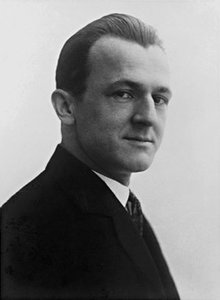
जॉर्ज ग्रोस
1893 - 1959 , भारत
संक्षिप्त जानकारी
- कला आंदोलन/शैली: दादावाद, नई वस्तुनिष्ठता
- जन्म तिथि: 26 जुलाई 1893
- जन्म स्थान: बर्लिन, जर्मनी
- पूरा नाम: जॉर्ज ग्रोस
- प्रमुख कलाकृतियाँ:
- द पिट
- एजिटेटर
- पिलर्स ऑफ़ सोसाइटी
- मृत्यु तिथि: 6 जुलाई 1959
- राष्ट्रीयता: जर्मन
संबंधित लेखों की सूची
The Sharpest Wit: A Historical Exploration of Satire in Visual Culture
Explore the history of satire in art! From ancient masters like Aristophanes to Goya & Grosz, discover how artists use wit and critique to reflect—and challenge—society. Expert insights at OriginalUniqueArt.
The Sharpest Wit: A Critical Exploration of Satire in Art History – From Hogarth to Contemporary Critique
Explore the history of satire in art! From Hogarth's London to contemporary critique, discover how artists use wit & visual power to reflect and challenge society. Expert insights at OriginalUniqueArt.
बर्लिन के स्टेट्लीचे म्यूसेन की 25 उत्कृष्ट कलाकृतियाँ: इतिहास और सौंदर्य का संगम
बर्लिन के स्टेट्लीचे म्यूसेन की 25 उत्कृष्ट कलाकृतियों का अन्वेषण करें! नेफरतिती से लेकर क्लासिक मूर्तियों तक, हर कलाकृति का इतिहास और सौंदर्य जानें। घर की सजावट के लिए प्रेरणा पाएं और OriginalUniqueArt.com पर उच्च-गुणवत्ता वाले कला पुनरुत्पादन खरीदें।
Figurative Expressionism: Emotional Intensity & Subjective Reality in 20th-Century Art
Explore the powerful world of Figurative Expressionism with OriginalUniqueArt. Discover key artists like Kirchner & Beckmann, understand its emotional depth, and learn how to collect this influential 20th-century art movement.
Dramatic Masterpieces: 10 Artworks for a Powerful Home Decor Statement |
Explore 10 dramatic artworks by masters like Caravaggio, Van Gogh & Munch. Uncover the stories behind these powerful paintings and find museum-quality reproductions to transform your home decor. Discover all masterpieces on .


