

 पूर्वावलोकन देखें
 भेजें
भेजें साझा करें
 विवरण देखें
 मार्गदर्शिका

 डाउनलोड करें
 समान वस्तुएं
 एक्स-रे
 स्लाइड शो देखें
 आंकड़े
Chaos
 Oil On Canvas
- WallArt
- Symbolist Movement
 1875
1875- 19th Century
 304.0 x 106.0 cm
 टेट ब्रिटीश
 और पढ़ें
गिक्ली / आर्ट प्रिंट
तेज़ उत्पादन और विभिन्न फिनिश विकल्पों के साथ म्यूजियम-क्वालिटी गिकली (giclée) या कैनवस प्रिंट। ( हाथ से बनी पेंटिंग खरीदें डिजिटल इमेज पर जाएँ)




P118B ₹10

P118H ₹10

P118W ₹10

P438Z ₹10

P508JH ₹12

P508YH ₹12

P805H ₹10

P805Z ₹10

P919BZ ₹10

P919G ₹10

P919XJ ₹10

P959ZH ₹10

P968JZ ₹12

W106C ₹8

W218G ₹10

W218JH ₹8

W218Y ₹10

W307PJ ₹10

W316G ₹10

W316PJ ₹8

W316Y ₹10

W398PJ ₹8

W4111J ₹10

W500HY ₹15

W500JH ₹15

W692G ₹12

W849H ₹8

W940BG ₹15

W953PJ ₹8




कलाकृति के मूल अनुपात से मेल खाने वाले हमारे पूर्व निर्धारित आकारों में से चुनें।

अपने फ्रेम या अपनी दीवार के अनुसार आवश्यक चौड़ाई और ऊंचाई दर्ज करें। प्रिंट को केवल काटा जा सकता है, चित्र से बड़ा कभी नहीं बनाया जा सकता, इसलिए अलग आकार का साइज चित्र का एक हिस्सा खो देता है। किसी भी चीज़ को प्रिंट करने से पहले हम आपकी स्वीकृति के लिए आपको एक डिजिटल मॉकअप भेजते हैं। इस पृष्ठ पर दिखाया गया चित्र वास्तविक कटिंग नहीं दिखाता है — केवल मॉकअप ही इसे दर्शाता है।
विश्वव्यापी डिलीवरी (), मानक 4/5 सप्ताह के बजाय मात्र 2 सप्ताह में। (25 अक्टूबर)

दुनिया भर में मुफ़्त एक्सप्रेस शिपिंग

प्रीमियम ग्रेड लिनेन कैनवास

पूर्ण शिपिंग बीमा

सीमा शुल्क और आयात कर वापसी की गारंटी

सटीक रंग मिलान की गारंटी

100 दिनों की वापसी नीति (केवल निर्माण दोष होने पर)

100% पैसे वापसी की गारंटी

थोक छूट का अवसर
 ग्लास का विकल्प केवल 110 सेमी से कम आकार में ही उपलब्ध है।

Chaos
गिक्ली / आर्ट प्रिंट
प्रतिकृति का आकार
-


कुल मूल्य
₹ 7673
A Symphony of Doubt and Resolve: Exploring George Frederic Watts’ “Chaos”
“Chaos,” painted by George Frederic Watts in 1875–82, stands as a monumental testament to the Symbolist movement's preoccupation with psychological complexity and the interplay between opposing forces. Measuring an impressive 304 x 106 cm, this oil on canvas captures a scene of profound contemplation amidst a turbulent landscape—a deliberate juxtaposition designed to provoke reflection on the human condition. Watts’ masterful technique employs thick impasto strokes, layering pigment onto the surface to convey both textural richness and emotional intensity. The artist meticulously rendered the mountainous backdrop, mirroring the internal struggles faced by those depicted within the frame.The Landscape as Mirror of Inner Turmoil
Watts' choice of setting is far from accidental. The rugged peaks of Dartmoor—where he undertook this ambitious project—were deliberately selected to represent the challenges and uncertainties inherent in life’s journey. These mountains aren’t merely decorative elements; they embody resistance, obstacles, and the daunting task of confronting one's fears. Below them stands a group of figures – Watts himself included – engaged in a solemn procession towards the water’s edge. Their postures convey a sense of determination tempered by apprehension, suggesting that progress requires acknowledging doubt while striving relentlessly toward a goal.Symbolism Rooted in Classical Tradition
Watts drew heavily upon classical mythology and philosophy to infuse “Chaos” with symbolic resonance. The figures are reminiscent of depictions of Psyche and Eros from Greek legend—a narrative exploring themes of love, loss, and redemption. Psyche’s unwavering devotion symbolizes the human spirit's capacity for perseverance despite adversity, while Eros embodies desire and transformation. This allusion to mythology underscores Watts’ belief that art should transcend mere representation, communicating deeper truths about human experience. The water itself represents fluidity, change, and the subconscious—a realm where anxieties and aspirations converge.Impasto Technique: Capturing Emotion Through Texture
Watts' distinctive impasto technique – applying paint thickly onto the canvas – is crucial to conveying the painting’s emotional impact. This method allows for a palpable sense of physicality, mirroring the turbulent emotions depicted within the scene. The textured surface captures the dynamism of movement and reinforces the feeling that these figures are wrestling with internal conflicts. Furthermore, Watts' meticulous attention to detail—evident in the rendering of individual faces and garments—adds to the painting’s realism while simultaneously emphasizing its symbolic significance. It is a technique that elevates “Chaos” beyond mere visual beauty, transforming it into an immersive experience for the viewer.A Legacy of Psychological Depth
“Chaos” remains a powerfully evocative artwork decades after its creation. Watts' exploration of psychological themes—doubt, resolve, and the confrontation with inner demons—continues to resonate with audiences today. It exemplifies the Symbolist movement’s commitment to portraying the complexities of human consciousness and capturing the elusive nature of emotion. More than just a depiction of a landscape, “Chaos” is an invitation to contemplate our own struggles and triumphs as we navigate life's path—a timeless masterpiece that speaks volumes about the enduring power of art to illuminate the human spirit.प्रश्न और उत्तर
"Chaos" किस चीज़ से बना है?
"Chaos" को Oil On Canvas में बनाया गया है।
"Chaos" किस युग का है?
जॉर्ज फ्रेडरिक वॉट्स द्वारा "Chaos" का ऐतिहासिक काल 19th Century है। यह वर्गीकरण इस कृति को कला के इतिहास में स्थापित करता है।
जॉर्ज फ्रेडरिक वॉट्स के संपूर्ण कार्यों में "Chaos" का स्थान कहाँ है?
"Chaos" जॉर्ज फ्रेडरिक वॉट्स के Symbolist Movement काल की कृति है, जिनके प्रमुख विषयों में classical tradition, victorian morality, philosophical depth, mythological narrative, watts legacy शामिल हैं।
कलाकार का परिचय
प्रारंभिक जीवन और शिक्षा
जॉर्ज फ्रेडरिक वॉट्स, जो प्रतीकवाद आंदोलन (Symbolist movement) के एक प्रमुख व्यक्तित्व थे, उनका जन्म 23 फरवरी, 1817 को लंदन के मैरीलेबोन में हुआ था। उनका प्रारंभिक जीवन नाजुक स्वास्थ्य और कम उम्र में अपनी माता को खोने के दुख से प्रभावित रहा। वॉट्स के पिता, जो एक पियानो निर्माता थे, ने उन्हें एक रूढ़िवादी ईसाई शिक्षा प्रदान की और उन्हें क्लासिक्स से परिचित कराया, जिसमें इलियड भी शामिल थी। यह शास्त्रीय प्रभाव कालांतर में उनकी कलात्मक शैली का आधार स्तंभ बना।करियर
वॉट्स ने मात्र 10 वर्ष की आयु में अपनी कलात्मक यात्रा शुरू कर दी थी, जहाँ उन्होंने विलियम बेहनेस के मार्गदर्शन में मूर्तिकला सीखी। बाद में, 18 वर्ष की आयु में उन्होंने रॉयल एकेडमी स्कूल में छात्र के रूप में प्रवेश लिया। 1837 में अकादमी में उनकी पहली प्रदर्शनी ने उनके समृद्ध करियर की शुरुआत की।- 'कैराकटकस', एक रेखाचित्र जिसे नए संसद भवन के लिए भित्ति चित्रों की प्रतियोगिता हेतु प्रस्तुत किया गया था, ने 1843 में वॉट्स को प्रथम पुरस्कार दिलाया।
- इटली की उनकी यात्राओं (1843-1847) और ब्रिटिश राजदूत हेनरी फॉक्स के साथ उनके संबंधों ने उनकी शैली को गहराई से प्रभावित किया, जिसका प्रमाण 1848 में प्रदर्शित लेडी हॉलैंड का उनका चित्र है।
- ब्रिटेन वापसी पर उन्हें संसद भवन के लिए एक फ्रेस्को (भित्ति चित्र) बनाने का कार्य सौंपा गया, जिसे उन्होंने 1848 और 1853 के बीच पूरा किया।
प्रतीकवादी उत्कृष्ट कृतियाँ
वॉट्स की सबसे प्रसिद्ध कृतियों में शामिल हैं:- 'होप' (आशा) और लव एंड लाइफ, जिन्हें "हाउस ऑफ लाइफ" नामक एक महाकाव्य प्रतीकात्मक चक्र के हिस्से के रूप में बनाया गया था।
- द ट्रायंफ ऑफ द रेड क्रॉस नाइट (द फेयरी क्वीन से), जो 1852-53 में पूरा हुआ और उनके रूपक विषयों पर महारत को प्रदर्शित करता है।
- अभिनेत्री एलेन टेरी का उनका चित्र, जो 1864 में बनाया गया था, उनके विषयों के सार को पकड़ने की उनकी अद्भुत क्षमता का उदाहरण है।
विरासत
कला जगत पर वॉट्स का प्रभाव निर्विवाद है। प्रतीकवादी आंदोलन के साथ उनके जुड़ाव और रंग एवं रूप के उनके अभिनव उपयोग ने उन्हें ब्रिटिश कला के इतिहास में एक प्रिय व्यक्तित्व बना दिया है। OriginalUniqueArt.com पर जॉर्ज फ्रेडरिक वॉट्स की कलाकृतियाँ देखेंसंग्रहालय जहाँ वॉट्स का कार्य प्रदर्शित है
- लिंकन'स इन, जहाँ उनका फ्रेस्को जस्टिस, ए हेमीसर्कल ऑफ लॉगिवर्स प्रदर्शित है।
- गिल्डफोर्ड, यूनाइटेड किंगडम में स्थित वॉट्स गैलरी – आर्टिस्ट्स विलेज, जो वॉट्स के कार्यों और अन्य कलाकारों के संरक्षण के लिए समर्पित है।

जॉर्ज फ्रेडरिक वॉट्स
1817 - 1904 , यूनाइटेड किंगडम
संक्षिप्त जानकारी
- Artistic Movement Or Style: प्रतीकवादी (Symbolist)
- Artists Or Movements Influenced By This Artist:
- रोमांटिकतावाद (Romanticism)
- प्री-राफेलाइट्स (Pre-Raphaelites)
- Artists Who Influenced This Artist:
- विलियम बेहनेस
- हेनरी फॉक्स
- Date Of Birth: 23 फरवरी, 1817
- Date Of Death: 1 जुलाई, 1904
- Full Name: जॉर्ज फ्रेडरिक वॉट्स
- Nationality: ब्रिटिश
- Notable Artworks:
- होप (Hope)
- लव एंड लाइफ (Love and Life)
- द ट्रायम्फ ऑफ द रेड क्रॉस नाइट (The Triumph of the Red Cross Knight)
- Place Of Birth: मैरीलेबोन, यूनाइटेड किंगडम
संबंधित लेखों की सूची

Beyond the Canvas: Scaling Your Creative Legacy Through OriginalUniqueArt’s Automated Print & Oil Reproduction Ecosystem
Unlock your creative potential with OriginalUniqueArt. Learn how to scale your art business through our automated print and premium oil reproduction services, transforming your original works into a global, passive income stream without compromising academic excellence.

Giclée Prints Explained: The Ultimate Guide to Museum-Quality Art Reproductions
Master the nuances of Giclée printing with our expert guide. Discover how pigment-based inks and museum-grade substrates create fade-resistant, high-fidelity art reproductions designed for discerning collectors seeking unparalleled quality and longevity.

बेहतर कस्टम डिजिटल पेंटिंग फोटो प्रिंट बनाम पारंपरिक कला: सौंदर्यशास्त्र, भावनात्मक प्रतिध्वनि और आधुनिक संग्रहणीयता
डिजिटल और पारंपरिक कला के बीच अंतर जानें। विशेषज्ञ सलाह, निवेश मार्गदर्शन और उच्च गुणवत्ता वाली कस्टम पेंटिंग खोजें। अपनी दृष्टि के अनुरूप सही कलाकृति चुनें!

Giclée Prints: Archival Quality & Aesthetic Nuances for the Discerning Collector
Explore the world of giclée prints with OriginalUniqueArt. Learn about archival quality, aesthetic nuances & investment potential. Expert guidance for discerning art collectors seeking museum-quality reproductions and lasting value.
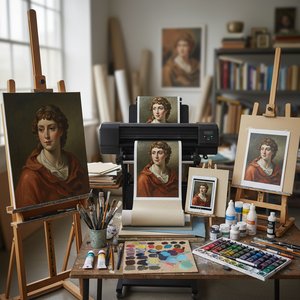
कला पुनरुत्पादन: तेल, कैनवास और कागज – शैली, तकनीकें और संरक्षण की एक शैक्षणिक समीक्षा
तेल चित्रकला, कैनवास और कागज माध्यमों की गहन समीक्षा। तकनीकें, शैली, संरक्षण युक्तियाँ और OriginalUniqueArt द्वारा उच्च-गुणवत्ता पुनरुत्पादन प्राप्त करें। कला प्रेमियों के लिए विशेषज्ञ मार्गदर्शन।