

 पूर्वावलोकन देखें
 भेजें
भेजें साझा करें
 विवरण देखें
 मार्गदर्शिका

 डाउनलोड करें
 समान वस्तुएं
 एक्स-रे
 स्लाइड शो देखें
 आंकड़े
Creamer


 और पढ़ें
गिक्ली / आर्ट प्रिंट
तेज़ उत्पादन और विभिन्न फिनिश विकल्पों के साथ म्यूजियम-क्वालिटी गिकली (giclée) या कैनवस प्रिंट। ( हाथ से बनी पेंटिंग खरीदें डिजिटल इमेज पर जाएँ)




P118B ₹10

P118H ₹10

P118W ₹10

P438Z ₹10

P508JH ₹12

P508YH ₹12

P805H ₹10

P805Z ₹10

P919BZ ₹10

P919G ₹10

P919XJ ₹10

P959ZH ₹10

P968JZ ₹12

W106C ₹8

W218G ₹10

W218JH ₹8

W218Y ₹10

W307PJ ₹10

W316G ₹10

W316PJ ₹8

W316Y ₹10

W398PJ ₹8

W4111J ₹10

W500HY ₹15

W500JH ₹15

W692G ₹12

W849H ₹8

W940BG ₹15

W953PJ ₹8




कलाकृति के मूल अनुपात से मेल खाने वाले हमारे पूर्व निर्धारित आकारों में से चुनें।

आप किसी विशिष्ट फ्रेम या स्थान के अनुसार अपने स्वयं के आयाम (dimensions) दर्ज कर सकते हैं। यदि आपके द्वारा चुना गया आकार मूल छवि के अनुपात से मेल नहीं खाता है, तो हम कलाकृति को क्रॉप कर देंगे या मिरर किए गए या सॉलिड-फिल किनारे के साथ छवि का विस्तार करेंगे। उत्पादन शुरू होने से पहले आपकी स्वीकृति के लिए एक डिजिटल मॉकअप भेजा जाएगा।
कृपया ध्यान दें कि स्क्रीन पर दिखने वाला प्रीव्यू वास्तविक क्रॉपिंग या विस्तार को नहीं दर्शाता है। केवल मॉकअप ही अंतिम संरचना को सटीक रूप से दिखाएगा।
हालाँकि कस्टम आकार उपलब्ध हैं, फिर भी हम मूल अनुपात बनाए रखने के लिए पूर्व-निर्धारित सूची में से एक आयाम चुनने की सलाह देते हैं।
विश्वव्यापी डिलीवरी (), मानक 4/5 सप्ताह के बजाय मात्र 2 सप्ताह में। (28 सितमबर)

दुनिया भर में मुफ़्त एक्सप्रेस शिपिंग

प्रीमियम ग्रेड लिनेन कैनवास

पूर्ण शिपिंग बीमा

सीमा शुल्क और आयात कर वापसी की गारंटी

सटीक रंग मिलान की गारंटी

100 दिनों की वापसी नीति (केवल निर्माण दोष होने पर)

100% पैसे वापसी की गारंटी

थोक छूट का अवसर
 ग्लास का विकल्प केवल 110 सेमी से कम आकार में ही उपलब्ध है।

Creamer
गिक्ली / आर्ट प्रिंट
प्रतिकृति का आकार
-


कुल मूल्य
₹ 7646
A Dance of Fire and Clay: Unveiling George Edgar Ohr’s “Creamer”
George Edgar Ohr, affectionately dubbed the "Mad Potter of Biloxi," wasn't merely a ceramicist; he was a revolutionary, a provocateur who shattered conventional notions of form and function within the world of art. His work, particularly pieces like “Creamer,” embodies this spirit – a vibrant explosion of texture, color, and unapologetic experimentation that foreshadowed much of 20th-century abstract expressionism. “Creamer,” created around 1908, isn’t simply a pitcher; it's a captured moment of molten energy, a testament to Ohr’s relentless pursuit of artistic freedom and his profound understanding of the inherent beauty within imperfection. The piece immediately commands attention with its audacious palette – a swirling vortex of deep reds, fiery oranges, sun-baked yellows, and earthy browns that seem to pulse with an internal heat. These aren't carefully blended hues; rather, they’re layered glazes applied with a deliberate roughness, mimicking the chaotic yet controlled process of metalworking or even volcanic activity. The surface is far from smooth; it’s deliberately textured with ridges, drips, and pools of glaze, creating a tactile experience that invites close inspection – a direct challenge to the polished perfection often associated with traditional ceramics.The Biloxi Crucible: Contextualizing Ohr's Innovation
Ohr’s artistic journey was inextricably linked to his birthplace, Biloxi, Mississippi—a port city steeped in maritime history and brimming with diverse cultural influences. This unique environment profoundly shaped his aesthetic sensibilities. He initially worked as a utilitarian potter, producing functional wares for the local community. However, he quickly grew dissatisfied with this limited role, yearning to explore the expressive potential of clay. The fires that frequently ravaged Biloxi – devastating both physically and emotionally – became a crucial catalyst for his artistic evolution. These destructive events, particularly the 1894 fire that consumed his studio and much of his work, served as a powerful impetus for experimentation. He began to embrace the accidental, the broken, and the imperfect, transforming these losses into opportunities for innovation. This period saw him moving away from rigid forms and embracing techniques like “throwing” – creating shapes by hand without using a potter’s wheel—and layering glazes in ways that defied conventional ceramic practices.A Symphony of Texture: Technique and Materiality
The creation of "Creamer" exemplifies Ohr's distinctive technique, a masterful blend of intuition and controlled chaos. He didn’t adhere to established methods; instead, he developed his own unique approach, often working directly on the clay surface with tools like knives, spatulas, and even his hands. The layering of glazes is particularly noteworthy – multiple applications were built up over time, creating a complex interplay of color and texture. The deliberate roughness isn’t simply accidental; it's a conscious choice to emphasize the materiality of the clay itself, celebrating its inherent irregularities and imperfections. Ohr’s use of glaze was revolutionary for his time, moving beyond traditional transparent glazes to create opaque, richly pigmented surfaces that seemed to glow from within. The piece is a testament to his mastery of material – he coaxed extraordinary effects from humble clay and simple glazes, transforming them into something truly remarkable.Symbolism in the Shimmer: Interpretation and Emotional Resonance
While Ohr himself resisted definitive interpretations of his work, “Creamer” undeniably resonates with themes of transformation, resilience, and the beauty of imperfection. The fiery colors evoke images of molten metal – a primal force both destructive and creative. This imagery can be interpreted as a reflection of Biloxi’s history, its vulnerability to storms and fires, yet also its enduring spirit. The piece's irregular forms suggest a rejection of rigid order and an embrace of spontaneity and chance. The “Creamer” itself—a vessel designed for holding cream—adds another layer of complexity. It’s a seemingly mundane object elevated to the realm of art through Ohr’s transformative vision, suggesting that even the most ordinary things can be imbued with extraordinary beauty and meaning. The overall effect is one of intense energy and emotional depth – a captivating invitation to contemplate the power of creativity and the acceptance of imperfection.कलाकार का परिचय
जॉर्ज एडगर ओहर का अद्वितीय दृष्टिकोण: बिलोक्सी के 'पागल कुम्हार'
अमेरिकी मिट्टी के पात्रों (ceramics) की दुनिया में नवाचार और विलक्षणता का पर्याय माना जाने वाला नाम, जॉर्ज एडगर ओहर का जन्म 12 जुलाई, 1857 को मिसिसिपी के तटीय शहर बिलोक्सी में हुआ था। नए अवसरों की तलाश में आए जर्मन प्रवासियों के पुत्र होने के नाते, उनके भीतर कार्य के प्रति अटूट निष्ठा और पुरानी दुनिया की कलात्मक संवेदनशीलता का एक अंश समाहित था। हालाँकि, ओहर की उभरती प्रतिभा को वास्तव में निखारने का काम बिलोकी के अनूठे वातावरण ने किया—एक ऐसा स्थान जहाँ विभिन्न संस्कृतियों का संगम था और जहाँ प्रचुर मात्रा में मिट्टी उपलब्ध थी। ओहर केवल एक कुम्हार नहीं थे; वे रूप, बनावट और चमक (glaze) के खोजी थे, जो मिट्टी की कला की सीमाओं को निरंतर आगे बढ़ाने के लिए प्रयासरत थे। उन्होंने "बिलोक्सी के पागल कुम्हार" (Mad Potter of Biloxi) के उपनाम को किसी अपमान के रूप में नहीं, बल्कि अपने अपरंपरागत दृष्टिकोण और कलात्मक स्वतंत्रता के प्रति अपने अडिग समर्पण के एक गर्वित घोषणापत्र के रूप में अपनाया था।
प्रारंभिक प्रभाव और कलात्मक जागरण
मिट्टी की कला की ओर ओहर की यात्रा कुछ हद तक आकस्मिक थी। न्यू ऑरलियन्स में विभिन्न व्यवसायों को आज़माने के बाद बिताए गए एक बेचैन युवा जीवन के पश्चात, उन्हें जोसेफ फॉर्च्यून मेयर के सानिध्य में प्रशिक्षु के रूप में काम करने का अवसर मिला, जो उभरते हुए 'आर्ट्स एंड क्राफ्ट्स' आंदोलन से जुड़े एक कुम्हार थे। इस प्रशिक्षण ने ओहर को पारंपरिक तकनीकों की एक ठोस नींव प्रदान की, लेकिन उनके रचनात्मक उत्साह को असली उड़ान उनके बाद के यात्राओं से मिली—अमेरिकी कुम्हारों के सोलह राज्यों का एक व्यापक दौरा। उन्होंने विविध पद्धतियों और शैलियों को आत्मसात किया, फिर भी वे केवल नकल करने से संतुष्ट नहीं थे; वे परंपराओं से परे जाना चाहते थे। वे बिलोक्सी वापस लौटे और अपना स्वयं का मार्ग प्रशस्त करने के संकल्प के साथ अपनी "बिलोक्सी आर्ट एंड नॉवेल्टी पॉटरी" की स्थापना की, जहाँ वे अपने कलात्मक दृष्टिकोण को पूरी तरह साकार कर सकें। पास की चौटाकाबौफ़ा नदी की मिट्टी उनका माध्यम बन गई, और उनके हाथ, परिवर्तन के उपकरण।
मिट्टी में एक क्रांति: तकनीक और नवाचार
ओहर का कार्य प्रचलित सिरेमिक मानदंडों से उनके क्रांतिकारी विचलन के कारण सबसे अलग खड़ा है। जहाँ कई कुम्हार उपयोगिता और सममित आकारों (sंतुली रूपों) पर ध्यान केंद्रित करते थे, वहीं ओहर ने विषमता, विरूपण और पूर्णता के जानबूझकर किए गए त्याग को अपनाया। उन्होंने गीली मिट्टी को मरोड़ने, कुचलने, मोड़ने और खींचने जैसी तकनीकों का सूत्रपात किया, जिससे ऐसे पात्र निर्मित हुए जो गुरुत्वाकर्षण को चुनौती देते प्रतीत होते थे। उनकी चमक (glazes) भी उतनी ही प्रयोगात्मक थी—जीवंत, अप्रत्याशित और अक्सर पिघली हुई धातु या इंद्रधनुषी रत्नों के समान। उनकी रुचि केवल मिट्टी के बर्तनों को सजाने में नहीं थी; वे रंग और प्रकाश के साथ मूर्तिकला रच रहे थे। उन्होंने पात्रों की दीवारों को लगभग असंभव स्तर तक पतला कर दिया, जिससे ऐसी सूक्ष्मता प्राप्त हुई जो सिरेमिक कला में विरल ही देखने को मिलती है। इस साहसी दृष्टिकोण ने, उनकी अनूठी चमक के साथ मिलकर, ऐसे कलाकृतियों को जन्म दिया जो दृश्य रूप से आश्चर्यजनक और संरचनात्मक रूप से साहसी थीं। उनके कार्य ने अमूर्त अभिव्यक्तिवाद (abstract expressionist) आंदोलन का दशकों पहले ही पूर्वाभास दे दिया था, जो प्रतिनिधित्व की सटीकता के बजाय रूप और भावना को प्राथमिकता देने की उनकी इच्छा को प्रदर्शित करता है।
अलगाव के वर्ष और पुनर्खोज
अपनी अभिनव भावना के बावजूद, ओहर को अपने जीवनकाल में पहचान के लिए संघर्ष करना पड़ा। जनता उनके क्रांतिकारी डिजाइनों के लिए हमेशा तैयार नहीं थी, और वे अक्सर प्रचलित रुचियों के विपरीत पाए जाते थे। प्रशंसा की कमी से निराश होकर और अपनी कलात्मक अखंडता से समझौता करने के अनिच्छुक होकर, उन्होंने 1910 के आसपास उत्पादन बंद कर दिया और अपने स्टूडियो में हजारों टुकड़ों को बड़ी सावधानी से पैक कर दिया। उन्होंने अपनी वसीयत में अनुरोध किया कि उनके परिवार द्वारा इस संग्रह को उनकी मृत्यु के पचास वर्षों बाद तक अछूता रखा जाए, क्योंकि उनका मानना था कि आने वाली पीढ़ियाँ उनके काम को अधिक खुले मन से स्वीकार करेंगी। दुर्भाग्यवश, इन्फ्लुएंजा महामारी के दौरान 7 अप्रैल, 1918 को ओहर का निधन हो गया, और बिलोक्सी के बाहर वे काफी हद तक अज्ञात रहे। उनके जीनियस को अंततः 1960 के दशक के उत्तरार्ध और 1970 के दशक की शुरुआत में पहचान मिली। जेम्स कारपेंटर, जो एक प्राचीन वस्तुओं के व्यापारी थे, ने मिट्टी के बर्तनों के इस छिपे हुए खजाने की खोज की और ओहर के काम को बढ़ावा देना शुरू किया, जिससे इसे व्यापक दर्शकों तक पहुँचाया जा सका। इस पुनर्खोज ने अमेरिकी सिरेमिक में एक नए उत्साह को जन्म दिया और एक दूरदर्शी कलाकार के रूप में ओहर के स्थान को सुदृढ़ किया।
विरासत और स्थायी प्रभाव
आज, जॉर्ज एडगर ओहर को अमेरिकी सिरेमिक इतिहास के सबसे महत्वपूर्ण व्यक्तित्वों में से एक के रूप में मनाया जाता है। उनकी अग्रणी भावना आज भी दुनिया भर के कलाकारों को प्रेरित करती रहती है। उनके कार्य स्मिथसोनियन इंस्टीट्यूशन और मेट्रोपॉलिटन म्यूजियम ऑफ आर्ट सहित प्रमुख संग्रहालयों में पाए जा सकते हैं, और बिलोक्सी में समर्पित संग्रहालय—ओहर-ओकेफ़ संग्रहालय (Ohr–O'Keefe Museum of Art)—उनकी स्थायी विरासत के प्रमाण के रूप में खड़ा है।
- ओहर का प्रभाव केवल सिरेमिक तक ही सीमित नहीं है।
- परंपराओं को चुनौती देने की उनकी इच्छा विभिन्न विषयों के कलाकारों के साथ प्रतिध्वनित होती है।
- उन्होंने यह सिद्ध किया कि सच्ची कलात्मक अभिव्यक्ति के लिए साहस, स्वतंत्रता और अपने दृष्टिकोण के प्रति अटूट प्रतिबद्धता की आवश्यकता होती है।

जॉर्ज एडगर ओहर
1857 - 1918 , संयुक्त राज्य अमेरिका
संक्षिप्त जानकारी
- Artistic Movement Or Style: अमूर्त अभिव्यक्तिवाद (Abstract Expressionism)
- Artists Or Movements Influenced By This Artist: ['अमेरिकी सिरेमिक (American Ceramics)']
- Artists Who Influenced This Artist: ['जोसेफ मेयर (Joseph Meyer)']
- Date Of Birth: 12 जुलाई, 1857
- Date Of Death: 7 अप्रैल, 1918
- Full Name: जॉर्ज एडगर ओर (George Edgar Ohr)
- Nationality: अमेरिकी
- Notable Artworks:
- मग (Mug)
- चायदानी (Teapot)
- कटोरा (Bowl)
- क्रीमर (Creamer)
- Place Of Birth: बिलोक्सी, यूएसए (Biloxi, USA)
संबंधित लेखों की सूची

जॉर्जेस ब्राक की शीर्ष 25 कलाकृतियाँ: आधुनिक कला का सफर | OriginalUniqueArt
जॉर्जेस ब्राक की शीर्ष 25 कलाकृतियों का अन्वेषण करें! क्यूबिज्म, आधुनिक कला और फ्रांसीसी शैली के उत्कृष्ट नमूनों को जानें। OriginalUniqueArt.com पर उच्च-गुणवत्ता वाले कला प्रिंट और घर की सजावट के विचार खोजें। अभी संग्रह देखें!

अमूर्त अभिव्यंजनावाद: शीर्ष 10 कलाकृतियाँ जिन्होंने परिभाषित किया कला की दुनिया
अमूर्त अभिव्यंजनावाद की 10 उत्कृष्ट कृतियाँ जानें! पोलक, रोथको जैसे कलाकारों के अनूठे रंगों और भावनाओं का अनुभव करें। OriginalUniqueArt.com पर कला इतिहास की गहराई में जाएँ और अपने घर के लिए अद्वितीय सजावट खोजें। ऑनलाइन संग्रह देखें!
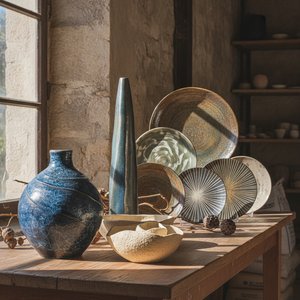
The Art of Ceramics: A Guide to Mastery, Texture, and Timeless Form for the Discerning Collector
Explore the profound elegance of ceramic art. From master glazes to sculptural forms, our expert guide offers discerning collectors deep insights into the mastery, texture, and timeless value of fine ceramics for sophisticated collections and luxury interiors.

जॉर्ज पियरे सेउरा की 25 उत्कृष्ट कृतियाँ: कला, इतिहास और आपके घर के लिए प्रेरणा
जॉर्ज सेउरा की 25 सर्वश्रेष्ठ कृतियों का अन्वेषण करें! बिंदुवाद, आधुनिक कला और रंग सिद्धांत के जादू को जानें। उच्च गुणवत्ता वाले कला प्रिंट और दीवार सजावट के लिए OriginalUniqueArt.com पर खोजें।

The Alchemy of Clay: A Collector's Guide to the Mastery, Texture, and Timeless Form of Ceramic Art
Discover the profound beauty of ceramic art. Our expert guide explores the alchemy of clay, texture, and glaze, offering collectors deep insights into mastering earth and fire to create timeless, sculptural masterpieces for any curated collection.

